

Connects you with your favorite muse
Jennie is adding another first to her growing list of career milestones. BLACKPINK’s Jennie is set to make her debut on an animated film soundtrack through Netflix’s upcoming movie Steps, and honestly, this is a collaboration we didn’t know we needed.
Netflix has just dropped the trailer for Steps, giving audiences their first look at the animated movie and its fairytale-inspired world. Along with the trailer announcement came another exciting detail: Jennie will lend her voice to the film’s soundtrack through an original song titled “Someone to Hold.”
The track is scheduled to arrive on November 20, 2026, the same day Steps premieres on Netflix.
For Jennie, the project marks her first time singing for an animated film, making it another interesting chapter in her career beyond BLACKPINK and her solo music.
Jennie’s contribution to Steps comes in the form of “Someone to Hold,” an original song created specifically for the animated movie.
The song is expected to be one of the key tracks featured throughout the film’s soundtrack. Its release date is set to coincide with the movie’s Netflix premiere, meaning fans will get to experience Jennie’s new song alongside the story that inspired it.
While Jennie has already established herself as a singer and performer on the global music scene, an animated movie soundtrack brings a different kind of opportunity. Rather than simply releasing another standalone pop track, she’ll be contributing to a cinematic story through music.
And considering that Steps puts a fresh spin on one of the most recognizable fairytales ever, there’s definitely plenty of room for the soundtrack to become part of the movie’s identity.
At first glance, Steps might sound like another adaptation of Cinderella. But there’s an important twist.
Instead of focusing primarily on Cinderella, the movie shifts the spotlight toward her two stepsisters, Lilith and Margot.
The two characters are determined to escape Cinderella’s shadow and discover their own paths in life. So, rather than simply retelling a familiar story from the perspective audiences already know, Steps explores what happens to the people who have traditionally existed on the sidelines of the fairytale.
That perspective gives the movie a different angle.
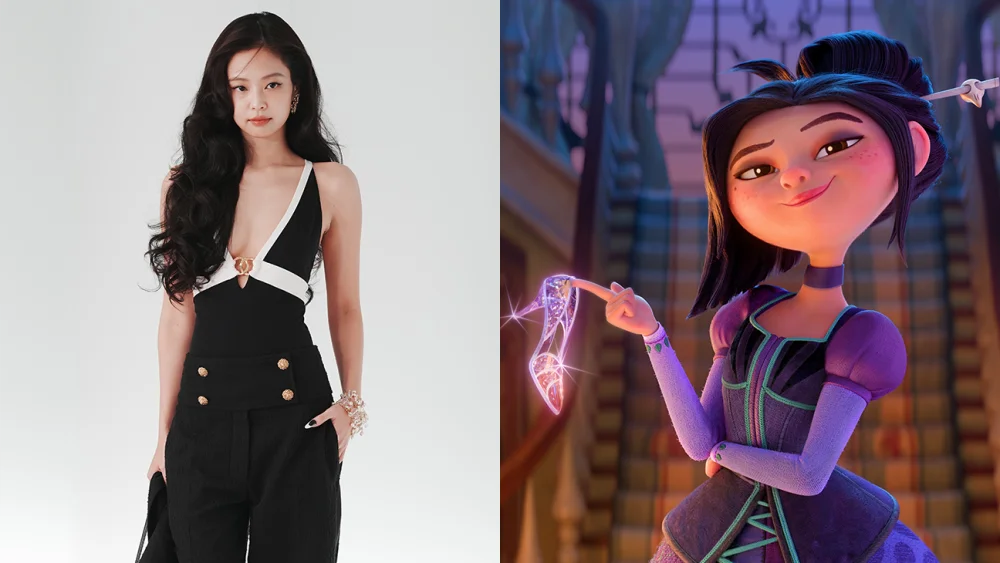
Lilith and Margot aren’t simply characters defined by their relationship to Cinderella. They are given their own journey, ambitions, and struggles as they try to figure out who they are outside the famous fairytale narrative.
And that makes the title Steps feel pretty fitting, especially when the story is about finding your own way forward.
Jennie isn’t the only recognizable name attached to the Steps soundtrack.
The animated film will feature four original songs written and produced by Justin Tranter. Alongside Jennie, the soundtrack will also include vocals from Amanda Seyfried, Rose Gray, and EMEI.
That gives the soundtrack a pretty diverse lineup, bringing together artists from different corners of the music and entertainment world.
Meanwhile, the film’s background score is being composed by Kris Bowers, who is responsible for the instrumental music that accompanies the movie.
With original songs and a dedicated cinematic score, music clearly plays an important role in bringing the world of Steps to life.
For Jennie fans, though, there’s one obvious question: what will “Someone to Hold” sound like?
The most exciting part of the announcement is arguably the fact that Steps marks a new territory for Jennie.
The BLACKPINK star has already explored different sides of music through her group activities and solo career, but singing for an animated movie presents a slightly different challenge. A soundtrack song needs to fit not only the artist’s identity but also the emotion and narrative of the film.
That makes Jennie’s involvement particularly interesting.
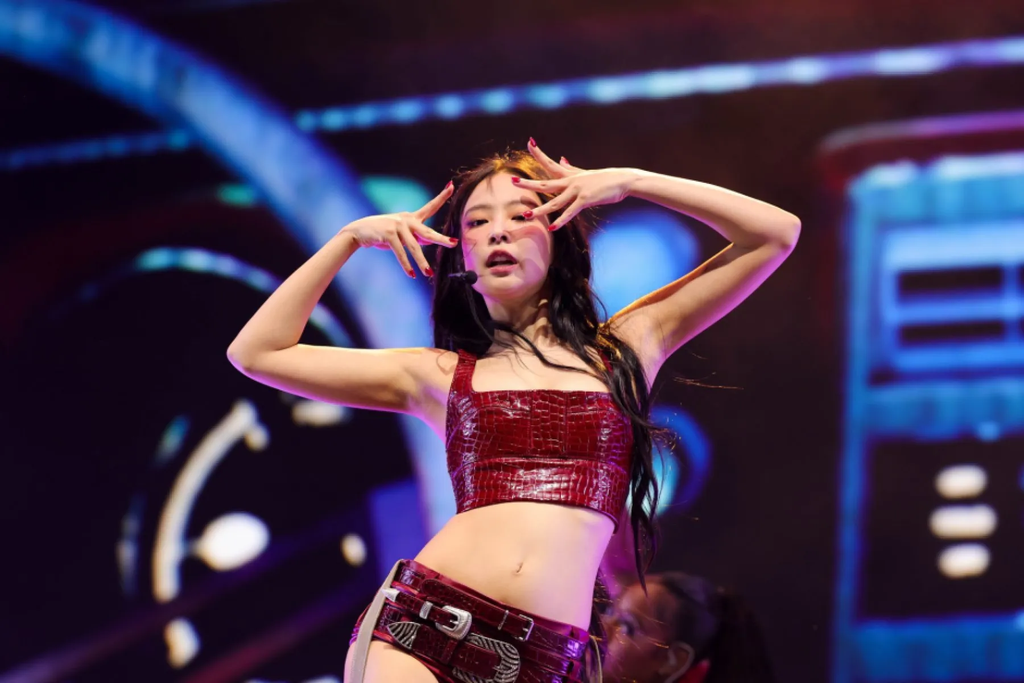
Rather than simply being a celebrity cameo attached to the project, her voice will become part of the movie’s musical storytelling. “Someone to Hold” will exist within the world of Steps, alongside the characters and their journey.
It also gives fans another chance to see how versatile Jennie can be as an artist.
For BLINKs and Jennie fans, the announcement is exciting for an obvious reason: new Jennie music.
But there’s something extra special about this particular release. Because “Someone to Hold” is being created for an animated film, fans aren’t just waiting for a new song—they’re waiting to hear how Jennie’s voice fits into a completely different creative universe.
@christina.patricio ✨ We have an OFFICIAL trailer for Steps, coming to Netflix on November 20, and this is NOT the Cinderella story we know! 👑💫 Think you know Cinderella’s “evil” stepsisters? Think again! 😂💖 This wild, hilarious twist on the classic fairy tale looks like SO much fun! 🎬 Sick of living in Cinderella’s shadow, Lilith steals the Fairy Godmother’s magic wand 🪄 and teams up with her sister Margot to hijack the Royal Ball! 💃 But when things go completely wrong, they must join forces with Cinderella to save the kingdom! 🏰 Along the way, they’ll face biker trolls 🧌, escape evil henchmen 😈, and survive the Screaming Woods! 🌲😱 🎶 And there’s even MORE exciting news for music fans! The Steps soundtrack drops November 20 and features the new song “Someone to Hold” by JENNIE, along with more original songs! 🎤🎵 🖼️ Check out the new movie poster, and let’s react to the trailer together! 👀🍿 I LOVE when a classic fairy tale gets an unexpected twist, and this one looks like an epic adventure! ✨🙌 👑 Steps premieres November 20, ONLY on Netflix! ❤️ Who’s ready for a Cinderella story like we’ve NEVER seen before?! 🎬 #fyp #netflix #netflixfamily #steps #movie @Netflix ♬ original sound – KennedyChristinaPatricio
The timing also makes the project easy to anticipate. On November 20, audiences will be able to watch Steps on Netflix while also listening to its soundtrack, including Jennie’s contribution.
That means the song and the movie will arrive together, giving fans the full experience from day one.
Jennie’s involvement in Steps is another example of how her career continues to move across different creative spaces.
From performing with BLACKPINK to developing her work as a solo artist, she is now stepping into the world of animated cinema through music. It’s a small but notable new direction—and one that could open the door to even more soundtrack projects in the future.
For now, though, fans have one date to circle: November 20, 2026.
That’s when Steps arrives on Netflix and Jennie’s “Someone to Hold” officially enters the world.
With a fresh Cinderella-inspired story, original music from Justin Tranter, vocals from Jennie, Amanda Seyfried, Rose Gray, and EMEI, plus a score by Kris Bowers, Steps already has plenty going for it.
And let’s be honest: hearing Jennie sing for an animated fairytale is not exactly something that happens every day.
So, are you ready to hear Jennie’s “Someone to Hold”? 👀
Follow D-Muse to stay current with fashion trends, lifestyle tips, and exciting events. DM us @dmusemagz now to get all the information you need!
Cancer can change almost every part of life, from how someone sees their body to how they connect with friends, family, and even themselves. But what happens when people going through similar experiences get the chance to put the medical side of life on pause for a moment and simply have fun together?
That is where Camp Breastie comes in.
Imagine a four-day summer camp filled with cabins, lake activities, workshops, friendship bracelets, dancing, conversations, and plenty of laughter. The difference? This camp brings together people connected to breast and gynecologic cancer, including survivors, “previvors,” and caregivers.
Rather than making cancer the only thing people talk about, Camp Breastie creates room for something equally important: joy.
Camp Breastie is an adult summer-camp-style gathering created for members of the breast and gynecologic cancer community. Participants travel from different parts of the country, stay in cabins, take part in activities, and spend several days building connections with people who understand experiences that can sometimes be difficult to explain to others.
The event has grown significantly since its early days. What began as small community gatherings eventually developed into a large retreat that can accommodate hundreds of people.
Its popularity says quite a lot. The 2026 camp reportedly reached full capacity in less than two hours, showing just how strongly people in the community are looking for spaces where they can feel understood and included. Pasted text
And despite the serious circumstances that bring many attendees together, Camp Breastie isn’t designed to feel like a medical conference.
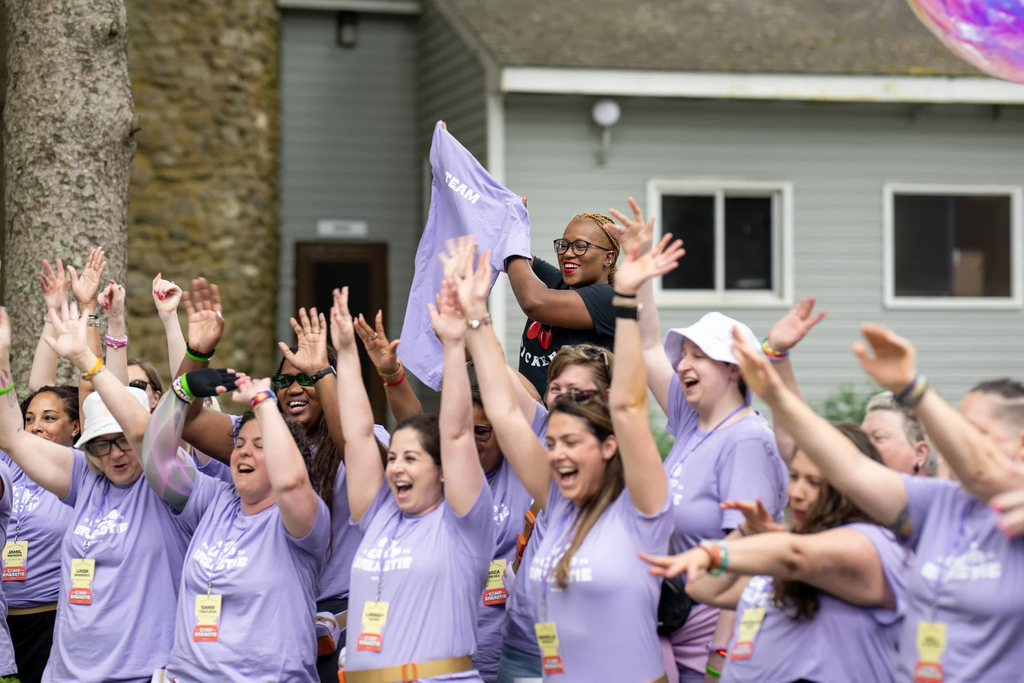
It is much more like summer camp—with a very meaningful purpose behind it.
The story goes back to 2017, when Paige More discovered that she carried a BRCA1 gene mutation.
At the time, More was considering a preventative double mastectomy and was searching online for people who had gone through similar experiences. Finding that support wasn’t easy.
So she decided to share her own story on social media.
Initially, More wanted to document her experience and become someone others could look to, particularly her younger sister, who had not yet undergone genetic testing. But the response quickly became much bigger than she expected.
Her posts connected her with not only other “previvors”—people who had undergone preventative procedures because of cancer risk—but also cancer survivors, people living with Stage 4 cancer, and caregivers.
Those online connections eventually led her to future Camp Breastie cofounders Allie Brumel, Trish Michelle, and Bri Majsiak. Pasted text
The group soon realized something: people didn’t just want information. They wanted each other.
Before Camp Breastie became the large-scale gathering it is today, the community organized smaller meetups and retreats.
One early retreat brought together just 20 participants for a weekend in the Poconos. There were 10 previvors and 10 survivors, along with donated ski tickets and plenty of time to connect.
The response afterward was immediate. People who hadn’t attended began asking when the next retreat would happen and how they could join.
The organizers continued expanding. After applying for nonprofit status in 2018, they organized multiple retreats each year. But even then, demand continued to grow.
Eventually, the team came up with a much bigger idea: why not rent an entire summer camp?
That idea became Camp Breastie.
The event eventually grew into a gathering capable of welcoming around 500 people, transforming what began as small local connections into a much larger community experience.
There isn’t really one standard Camp Breastie experience.
With nearly 200 programs available, attendees can essentially create their own itinerary depending on what they need from the weekend.
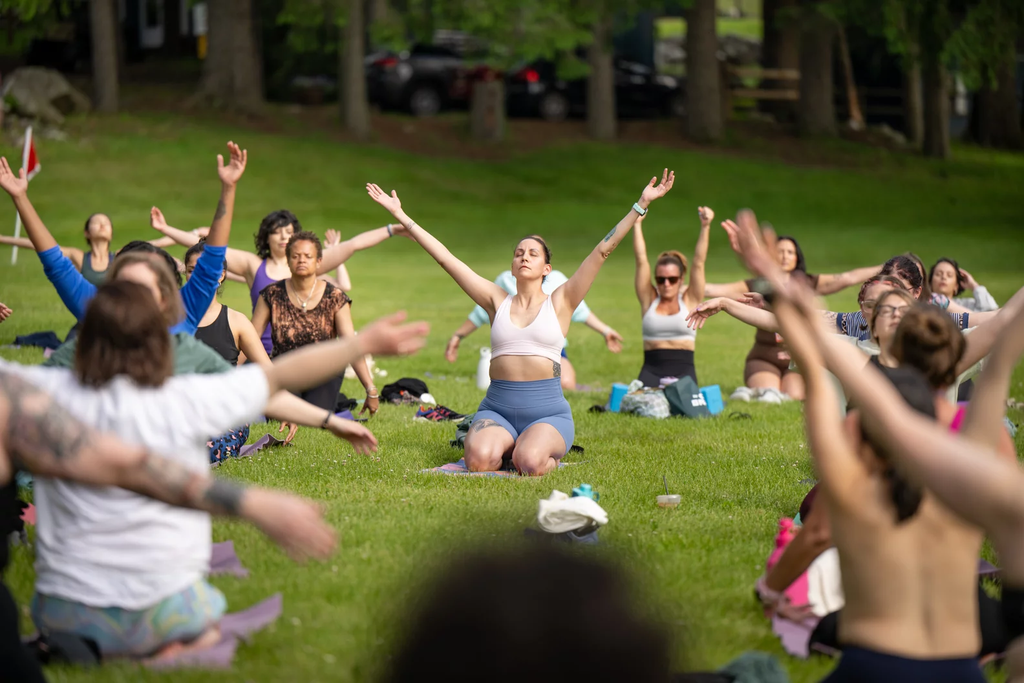
Some may choose educational discussion panels featuring cancer researchers and community members. Others might prefer starting their morning with a cold plunge, swimming in the lake, mobility training, pickleball, or even a Beyoncé-themed dance class. Pasted text
And that’s intentional.
Someone who has just completed an exhausting round of treatment might not want to spend the weekend rushing from one activity to another. They might simply want to sit beside the lake, relax, and talk to someone who understands.
Meanwhile, another attendee might want to attend sessions about treatment developments, surgical options, or other healthcare topics.
There is space for both.
Camp Breastie is built around the idea that people can participate at their own pace and according to what feels right for them.
Perhaps one of the most meaningful parts of Camp Breastie is what happens outside the structured programs.
Attendees can make friendship bracelets, take art classes, crochet, swim, dance, or simply hang out.
For people who may feel isolated during treatment or recovery, being surrounded by hundreds of others who understand their experiences can make a huge difference.
The organizers also describe a noticeable transformation throughout the weekend.
Camp ends with an event called “Breastival,” featuring a DJ, food trucks, different activities, and a pride parade. Attendees dress according to the year’s theme, creating an atmosphere that celebrates individuality and self-expression.
One particularly powerful change is how attendees become more comfortable embracing their bodies and scars. Pasted text
Camp Breastie isn’t only about having a fun weekend away.
It also creates an environment where people can exchange experiences and information about navigating healthcare. Attendees may discuss treatments, medications, doctors, and their own experiences, potentially helping others feel more prepared to advocate for themselves.
But the impact can extend far beyond medical conversations.
The founders say attendees have reported that friends, partners, and family members noticed changes after they returned home—sometimes describing it as getting “their” friend, sister, or partner back.
That might be the real magic of Camp Breastie.
It doesn’t erase cancer, and it isn’t meant to. Instead, it creates a space where cancer doesn’t have to define every moment.
For four days, people can be survivors, previvors, caregivers, friends, dancers, artists, swimmers, campers, and simply themselves.
And sometimes, finding that kind of community can be just as meaningful as finding another person who understands exactly what you’ve been through.
Follow D-Muse to stay current with fashion trends, lifestyle tips, and exciting events. DM us @dmusemagz now to get all the information you need!
Good news from Central Kalimantan: an Orangutan named IRA has been successfully rescued in Sampit.
The rescue update was shared with a simple but meaningful message: IRA is now safe. The female orangutan, estimated to be around 20 years old and weighing approximately 28 kilograms, was identified as a wild orangutan from the Sampit area.
For anyone who cares about wildlife, news like this can feel like a small victory. Behind one rescued animal is a reminder of just how important it is to protect the wildlife that still lives across Indonesia’s forests.
According to the rescue information, IRA is a female Orangutan estimated to be around 20 years old.
She weighs approximately 28 kilograms and is classified as a wild orangutan. Her identification is also recorded through a microchip, with the number listed as 90021.50059.10*** in the original rescue update.
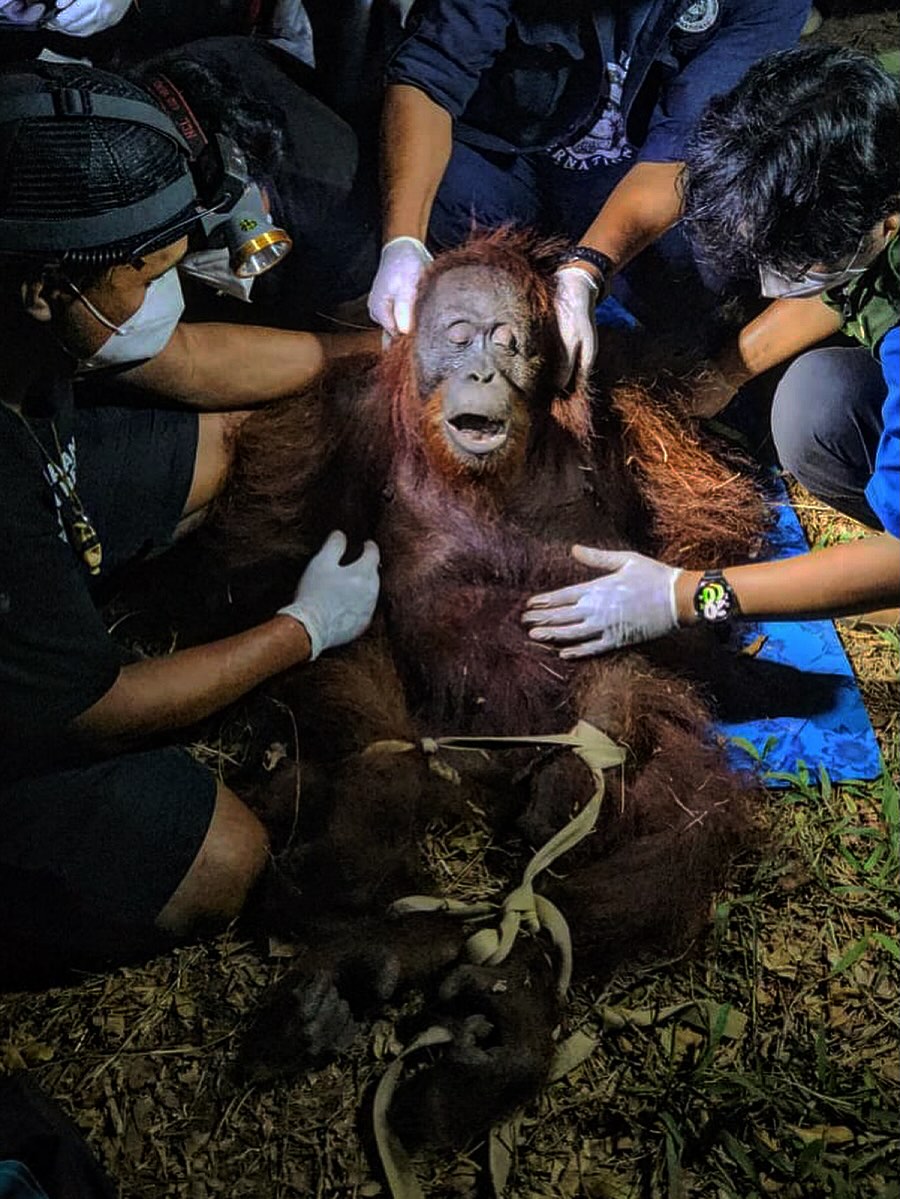
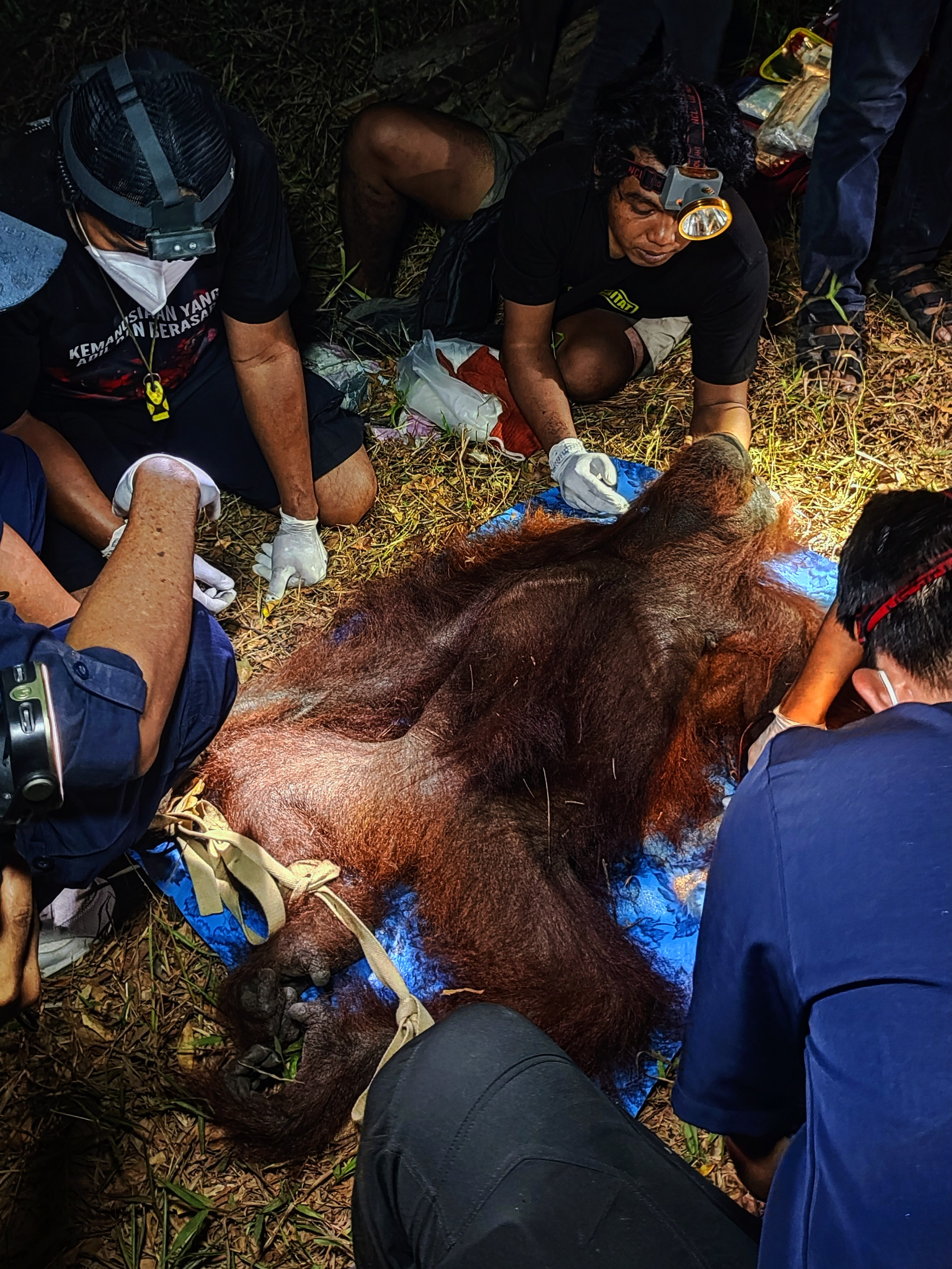
Her rescue took place in Sampit, Central Kalimantan, one of the areas associated with the orangutan’s natural habitat.
While the update doesn’t provide further details about what led to IRA’s rescue, the successful operation means that one more individual has received attention and care.
The message accompanying her rescue was simple: stay healthy, live a long life, and get well soon.
And honestly, that’s a pretty good wish for IRA.
Seeing an Orangutan rescued may sound like a single wildlife story, but every individual animal matters.
Orangutans are among Indonesia’s most recognizable wildlife species and are closely associated with the forests of Kalimantan and Sumatra. Their lives are deeply connected to forest ecosystems, which makes their protection an important part of broader conservation efforts.
A rescued orangutan is therefore more than just an animal receiving assistance. It is also a reminder of the relationship between wildlife and the environment around it.
IRA’s story gives that idea a very personal face.
Instead of thinking about conservation only through numbers, statistics, or large-scale programs, we can look at one individual: a female orangutan, around 20 years old, weighing 28 kilograms, with her own identification record and a name.
Her name is IRA.
And right now, people are simply hoping that she recovers and stays healthy.
One interesting detail in the rescue update is that IRA is identified as a wild orangutan.
However, the original information doesn’t explain the circumstances that led to her rescue. It doesn’t specify where she was found, what condition she was in when rescued, or what treatment she may require.
Those details are important, but they aren’t included in the available update.
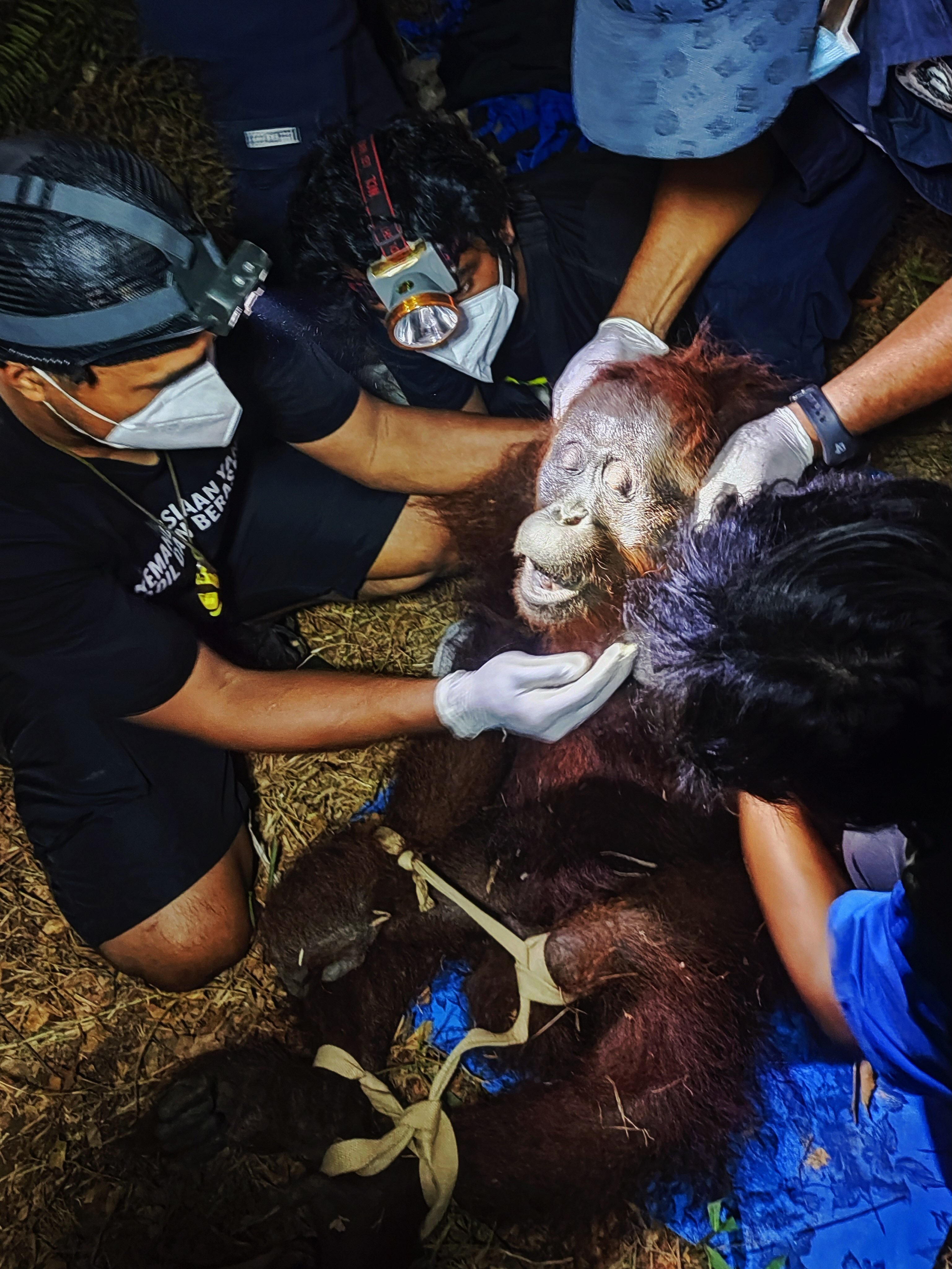
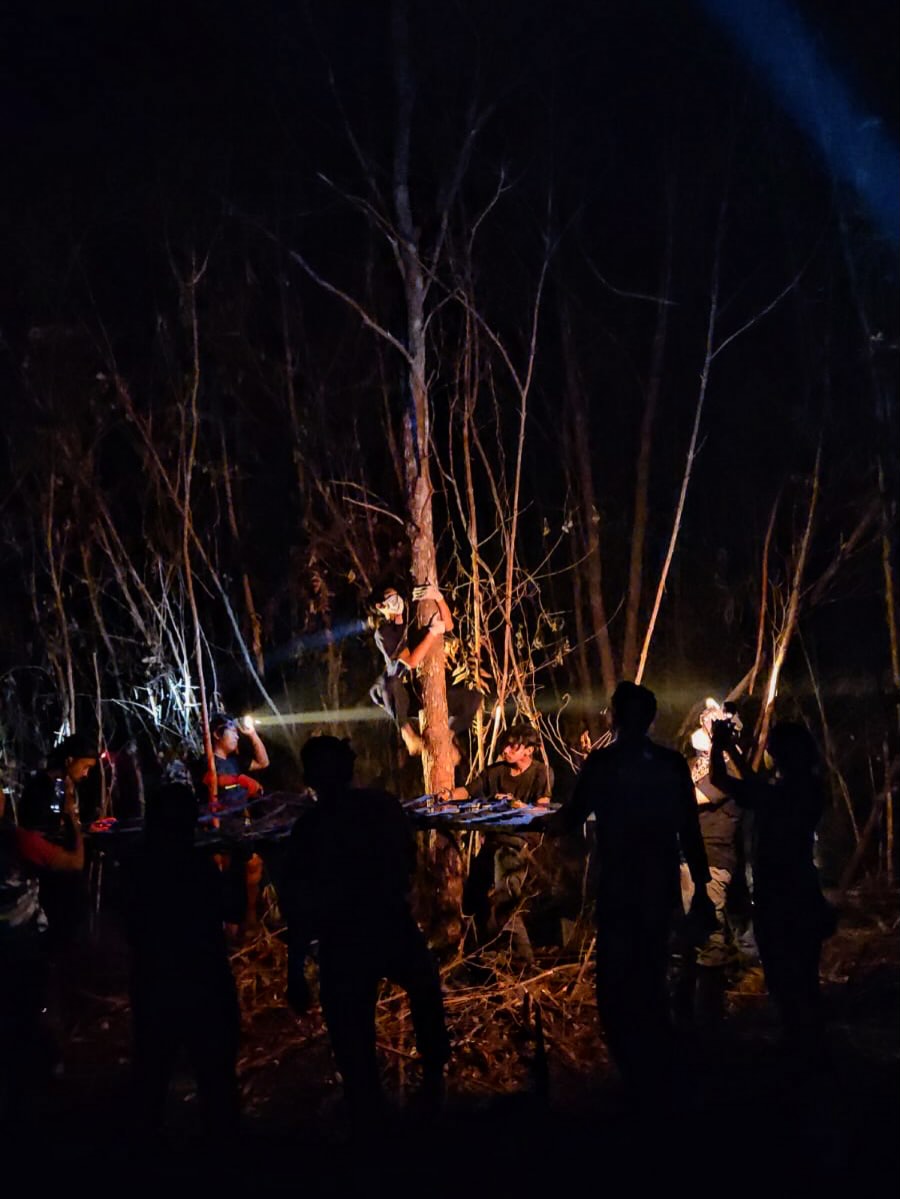
Rather than filling in the blanks with assumptions, it’s worth simply acknowledging what we do know: IRA was successfully rescued in Sampit, she is a wild female orangutan, and the people involved are hoping for her recovery.
Sometimes, that’s where a story needs to begin.
Central Kalimantan is an important part of Indonesia’s wildlife landscape, particularly when it comes to orangutans.
For many people, the word “orangutan” immediately brings to mind the tropical forests of Kalimantan. These animals are strongly associated with the island and have become a symbol of Indonesia’s rich biodiversity.
That makes every conservation story from the region worth paying attention to.
IRA’s rescue is one of those stories.
Her presence in Sampit reminds us that wildlife stories aren’t always happening somewhere far away from everyday life. They can unfold in areas where people live, work, and interact with the surrounding environment.
This is also why wildlife rescue efforts matter. When an individual animal needs help, trained teams can step in and provide the appropriate response.
The original message about IRA is short, but its emotional message is clear.
“Successfully rescued.”
Those two words can carry a lot of meaning.
For the people involved in the rescue, it marks the completion of an important step. For people following the story, it offers a reason to hope.
And for IRA herself, the most important thing now is presumably recovery and good health.
The message wishing her a long life might sound simple, but it reflects something fundamental about wildlife conservation: protecting animals isn’t only about saving them from immediate danger. It’s also about giving them the opportunity to live.
IRA’s estimated age of around 20 years makes her rescue especially meaningful on a personal level. She isn’t a newborn animal just beginning her life. She is an adult female orangutan who has already spent years living in the wild.
There is still plenty of life to hope for.
IRA’s story also gives us a chance to think about how we talk about wildlife.
It’s easy to see an animal rescue as a touching social media post, leave a heart, and move on.
But stories like this can encourage us to pay closer attention to the animals that share Indonesia’s environment.
A rescued Orangutan isn’t just a cute picture for our timeline. It represents a living individual with a history we may not fully know.
Even when the available information is limited, there is value in remembering that wildlife deserves attention beyond moments when it becomes viral.
Conservation is ultimately about long-term care, protection, and awareness.
For now, the message surrounding IRA is one of hope.
She has been successfully rescued in Sampit, Central Kalimantan. She is a wild female orangutan, approximately 20 years old and weighing around 28 kilograms. Her identity has also been recorded through a microchip.
The rescue update doesn’t tell us everything about her story—and that’s okay. More information may come later.
For the moment, perhaps the most appropriate response is exactly what the original message expressed: stay healthy and live a long life, IRA.
Her story may be one of many wildlife rescue stories taking place across Indonesia, but that doesn’t make it any less important.
The story of Orangutan IRA is ultimately a reminder that conservation can begin with one animal.
One rescue.
One life given another chance.
One team making the effort to help.
And one community paying attention.
Indonesia’s wildlife is part of the country’s natural heritage, but protecting it requires more than admiring it from a distance. Stories like IRA’s can help keep wildlife conservation visible and remind us that behind every conservation statistic is a living creature.
So, here’s hoping IRA gets exactly what everyone is wishing for her: good health, proper recovery, and a long life ahead.
Get well soon, IRA.
And may Kalimantan’s forests continue to be a place where orangutans can live, grow, and thrive.
Follow D-Muse to stay current with fashion trends, lifestyle tips, and exciting events. DM us @dmusemagz now to get all the information you need!
What happens when fashion, art, and environmental concerns meet in one space? Parade Asap offers one answer.
Through a series of visual works, a group of artists is using traditional clothing and images of scorched landscapes to talk about forest and land fires, or karhutla, in Indonesia. Their work doesn’t simply show a damaged environment. It asks us to look closer at the people, communities, and animals that have to live with the consequences.
The contrast is hard to miss. Traditional attire is often associated with cultural identity, beauty, and pride. But in these works, those beautiful garments are placed against burned land and smoky surroundings.
The result is an image that feels both striking and uncomfortable.
And maybe that’s exactly the point.
Traditional clothing carries stories. It can represent where people come from, their history, and the cultural identity they continue to carry.
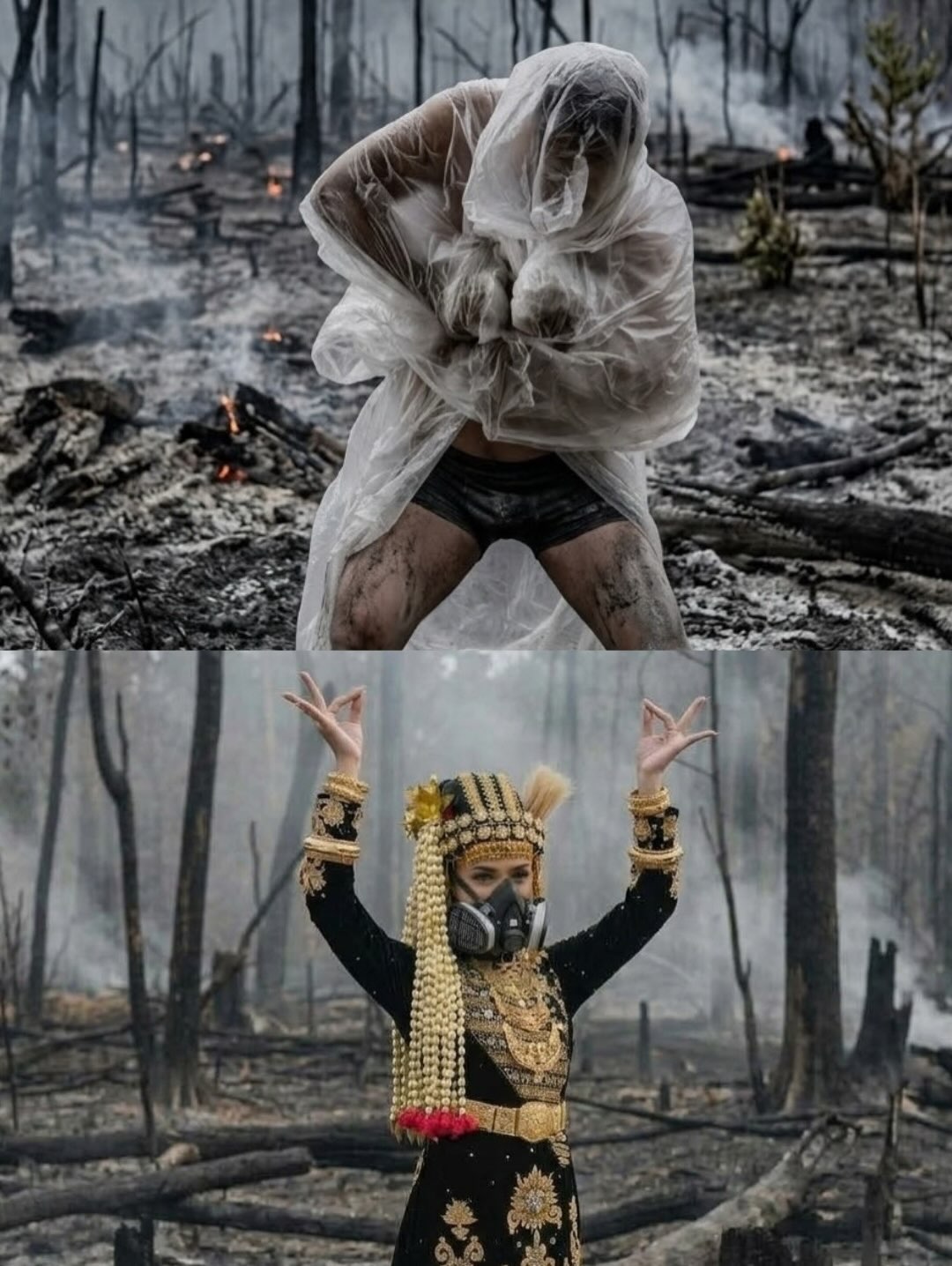
But Parade Asap places this symbolism in a very different setting: landscapes affected by forest and land fires.
Instead of presenting traditional attire in a celebratory environment, the artists position it against the reality of environmental destruction. The visual contrast creates a question that is difficult to ignore: what happens to cultural life when the environment supporting communities is damaged?
The smoke becomes part of that story, too.
Recent haze has affected several areas in Sumatra, turning air quality into a very real concern for communities. Through their visual works, the artists attempt to make that experience visible.
The message isn’t only about forests burning somewhere far away. It’s about what happens when the consequences of those fires enter people’s everyday lives.
Parade Asap is presented as a collective space where people can engage more deeply with the issue of forest and land fires.
Rather than limiting the conversation to one exhibition or one type of artwork, the initiative brings together different forms of creative and public engagement.
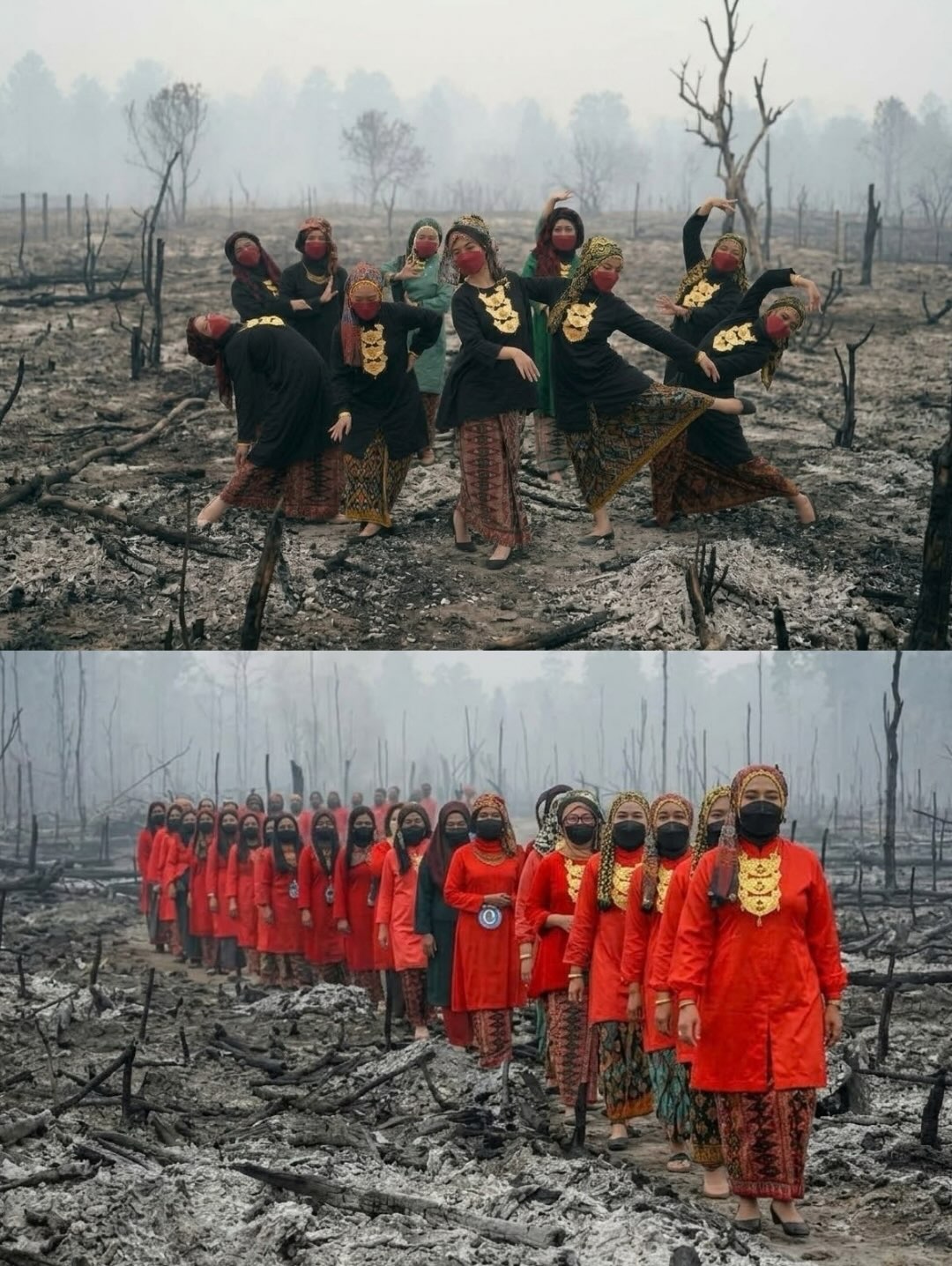
The program includes public discussions, video art screenings, exhibitions, free forums, and zines. Each format provides another way for people to explore the environmental and social questions surrounding karhutla.
That variety is important because environmental issues can sometimes feel distant or difficult to understand.
Statistics may tell us how much land has burned. News reports may show images of smoke. But art can approach the issue from another direction: emotion, identity, memory, and personal experience.
By combining creative works with spaces for discussion, Parade Asap encourages people not only to look but also to think and talk.
One of the most powerful questions raised by Parade Asap is simple: “Who burned? Who was exposed?”
At first glance, the question seems straightforward.
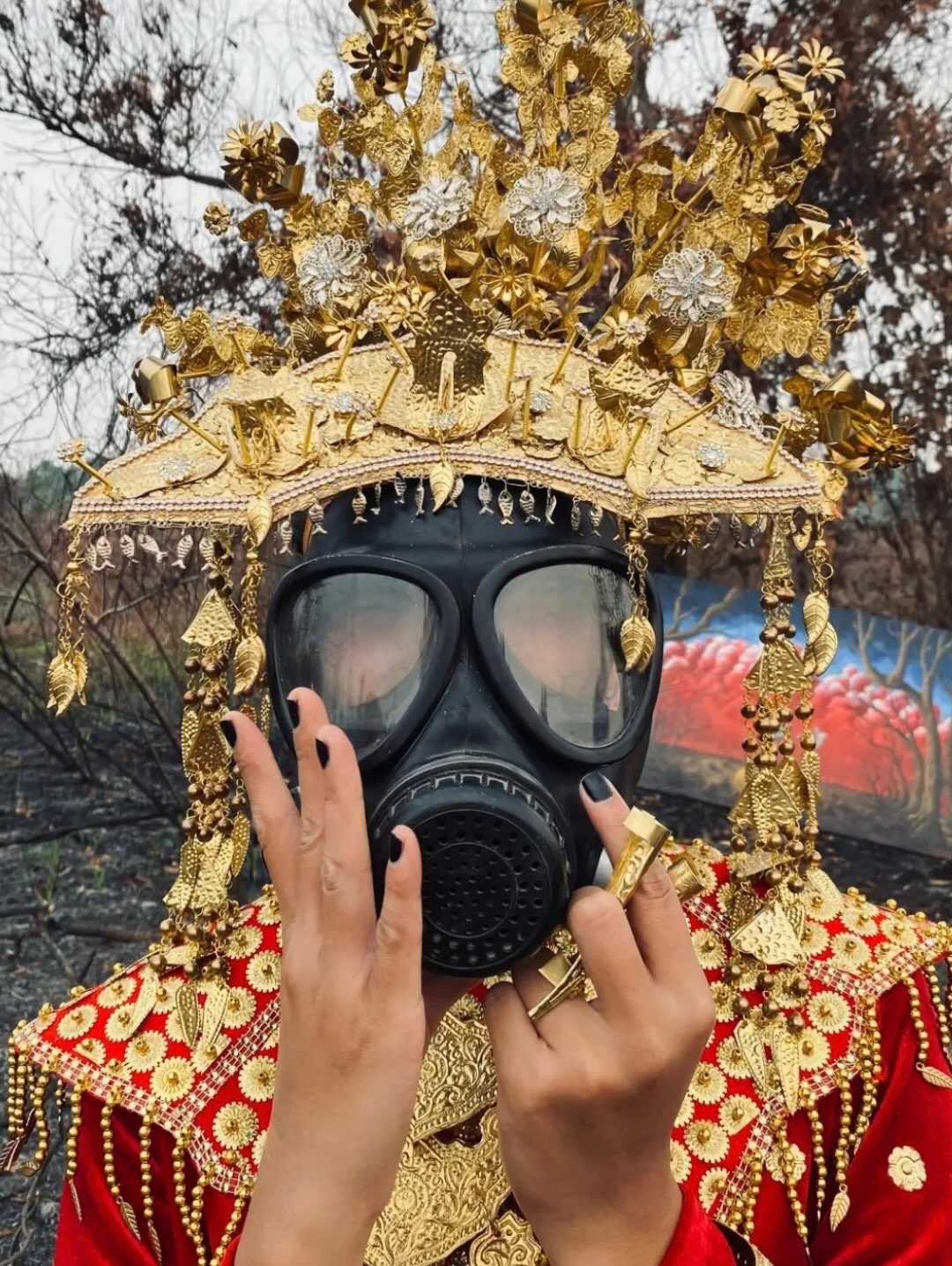
But it encourages us to think beyond the image of burned land.
When a forest burns, the damage doesn’t stop with trees. The consequences can reach communities living nearby, animals whose habitats are affected, and people who have to breathe polluted air.
The question of who is exposed therefore becomes a question of responsibility and impact.
Who has to live with the smoke?
Who has to deal with the consequences?
Who loses access to a healthy environment?
And perhaps most importantly, who gets to decide what happens to the land in the first place?
Parade Asap doesn’t simply provide an easy answer. Instead, it creates a space where these questions can be discussed.
It’s easy to look at photographs of burned forests and immediately think about environmental destruction.
But environmental destruction is also human destruction.
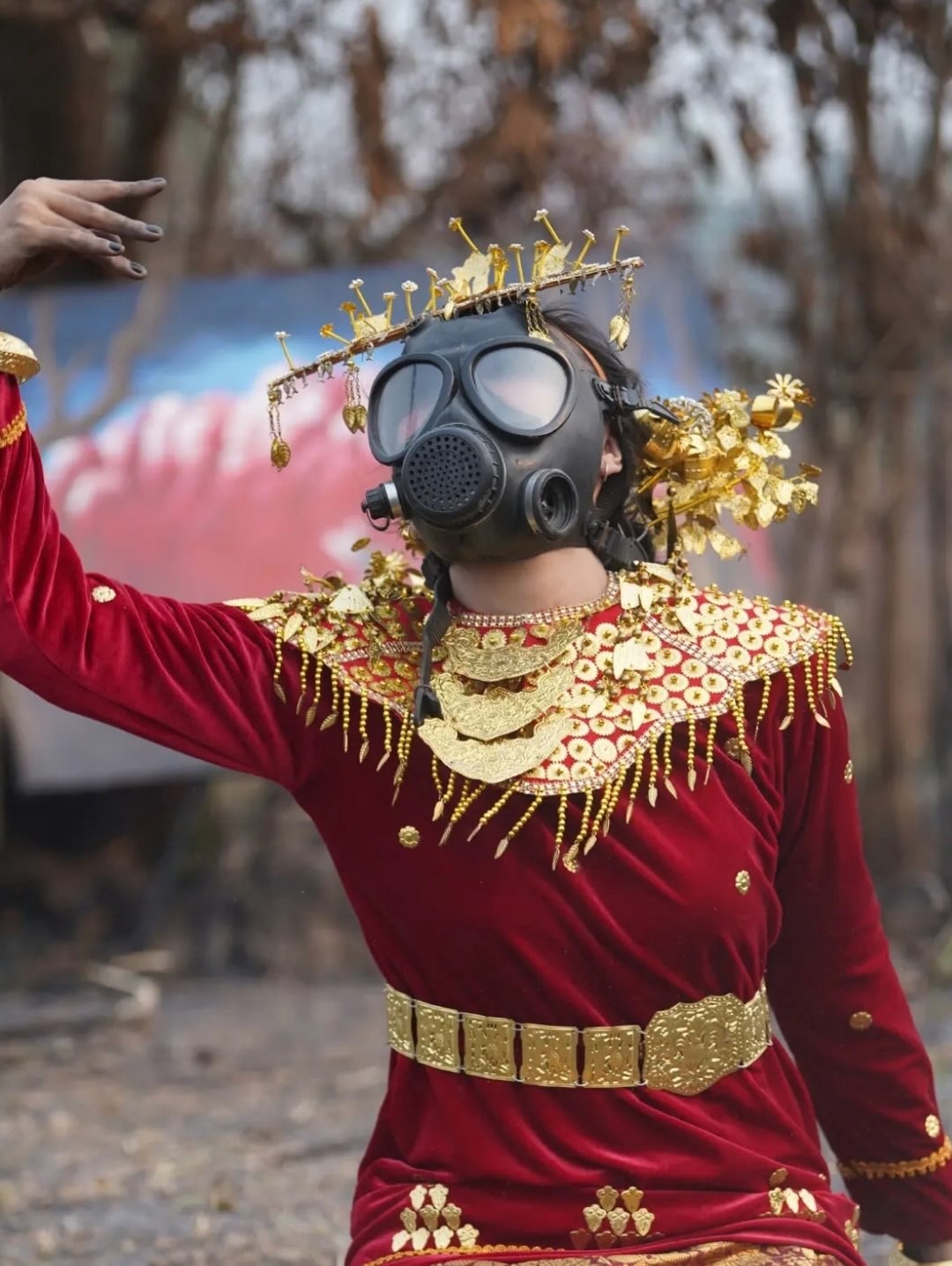
People living in areas affected by haze still need to go to work, attend school, travel, and carry out their daily activities. The smoke isn’t just something they see in photographs. It becomes part of the air they breathe.
This is why the message behind Parade Asap goes beyond protecting forests.
Clean air is part of people’s quality of life. When smoke spreads across communities, the issue becomes directly connected to people’s everyday existence.
The artists’ works therefore invite audiences to consider the forest and land fires from a wider perspective. The question isn’t simply, “How much land was burned?”
It’s also, “Who had to live through it?”
Environmental conversations often rely heavily on data and statistics. Those things are important, but they don’t always make people emotionally connect with an issue.
Art can work differently.
A photograph of traditional clothing against a burned landscape can immediately create a sense of contrast. Something associated with beauty and cultural pride is placed next to evidence of destruction.
That visual tension can make audiences stop and think.
Why are these two things being shown together?
What does the landscape say about the people standing in it?
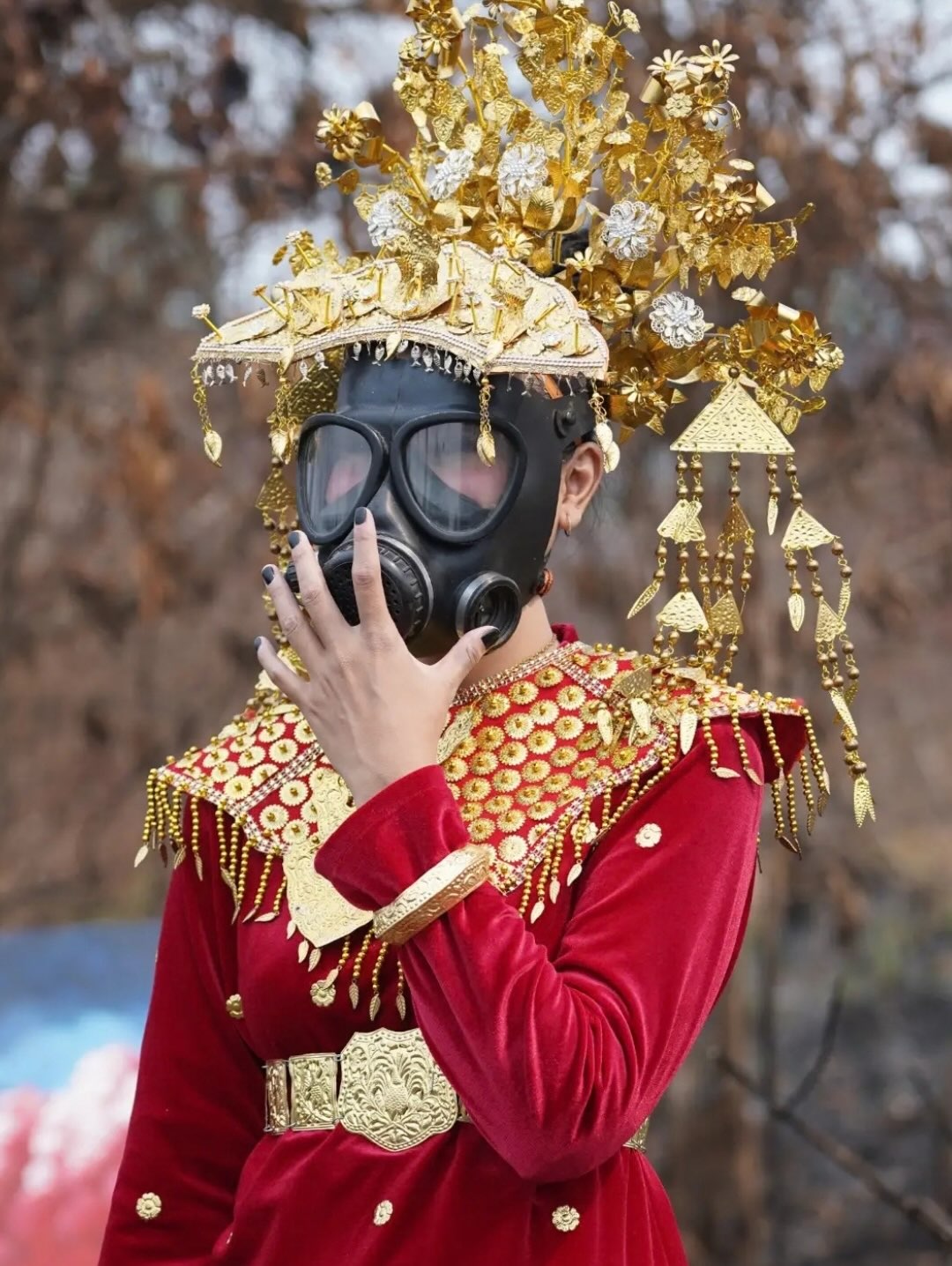
What happens when cultural identity exists alongside environmental damage?
Through Parade Asap, creative expression becomes a way to approach an issue that affects both nature and society.
The haze caused by forest and land fires is not a new conversation, but that doesn’t make it less important.
Environmental problems can easily disappear from public attention once the immediate crisis fades. Parade Asap creates an opportunity to keep the conversation going through creative work and public discussion.
The use of exhibitions, screenings, forums, and zines also means that the issue can reach people in different ways.
Someone might connect with a visual artwork.
Someone else might be interested in a public discussion.
Another person might discover the issue through a zine.
There isn’t necessarily one correct way to engage with environmental issues. What matters is that the conversation continues.
Perhaps the biggest strength of Parade Asap is its attempt to shift the way we look at forest and land fires.
A burned landscape can become just another news image if we see it often enough. But behind that landscape are communities, animals, and people whose lives are affected by the consequences.
The works remind us that clean air is not a luxury.
It is a basic part of living.
When artists place traditional clothing against damaged landscapes, they create more than an aesthetically striking image. They create a confrontation between cultural pride and environmental reality.
And that confrontation leaves us with questions that are worth asking.
Parade Asap shows how art can become part of an environmental conversation without turning every discussion into a lecture.
Through visual works, public forums, video art, exhibitions, and zines, it gives people different ways to engage with the reality of forest and land fires.
Most importantly, it reminds us that karhutla isn’t only about land that has been burned.
It’s about what—and who—is left behind.
The next time we see images of a landscape covered in smoke, perhaps the question shouldn’t stop at how the fire started.
We should also ask: Who burned? Who was exposed? And who has to keep breathing the consequences?
Follow D-Muse to stay current with fashion trends, lifestyle tips, and exciting events. DM us @dmusemagz now to get all the information you need!
Fashion is supposed to be polished, right? Perfect tailoring, flawless styling, carefully placed accessories, and not a single detail out of place.
Well, maybe not anymore.
The Spring/Summer 2027 fashion season seems to be making a surprisingly strong case for imperfection. Across New York, London, and Milan Fashion Weeks, designers sent models down the runway wearing clothes that looked unfinished, misplaced, wrinkled, or simply… wrong.
Belts were left hanging open. Bras were worn over clothing. Dresses were pulled halfway up. Shirts were buttoned incorrectly. Some garments were even worn backward.
At first glance, these might look like styling mistakes. But according to the larger conversation surrounding fashion’s relationship with artificial intelligence, this deliberate messiness could actually represent something much more intentional: AI fatigue.
AI fatigue describes the growing exhaustion or frustration surrounding the increasing presence of artificial intelligence in everyday life and creative industries.
Generative AI has quickly entered fashion through everything from AI-generated campaigns and virtual models to technology-driven retail and even robots appearing on runways.
The appeal is obvious. AI can process huge amounts of information, generate images almost instantly, and produce results that appear incredibly polished.
But there is a catch.
Sometimes, that perfection can feel strangely lifeless.
AI can imitate what something should look like, but it does not experience wearing a shirt that is slightly uncomfortable, rushing out of the house with one button undone, or throwing on whatever happens to be nearby after a long night.
Humans do.
And fashion’s latest obsession with deliberate disorder might be a reaction to exactly that difference.
The trend became particularly visible at New York Fashion Week.
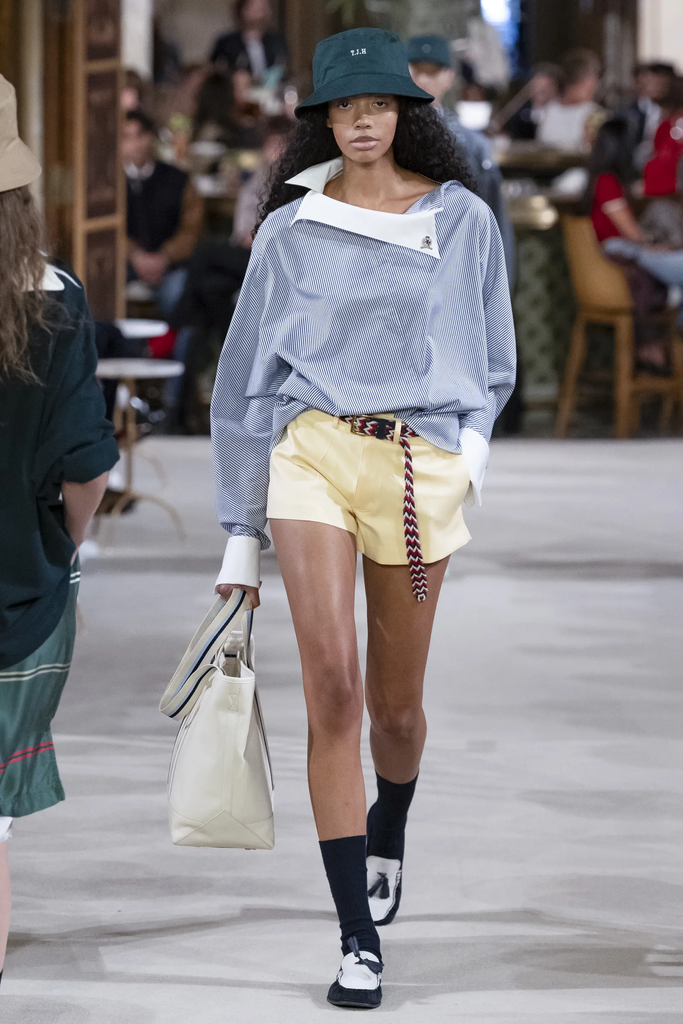
Altuzarra was among the designers to embrace intentionally imperfect styling, sending models onto the runway with misbuttoned shirts, open belts, and straps falling casually from shoulders.
The styling was described as “analog dressing”—a phrase that captures the idea of dressing in a way that feels spontaneous, physical, and distinctly human.
Instead of presenting clothing as an untouchable image of perfection, the runway suggested what happens when real people actually wear clothes.
A belt might not be fastened properly.
A shirt might not be tucked in perfectly.
A strap might fall off your shoulder.
And honestly? That’s probably how most of us dress when we’re not taking 45 minutes to photograph ourselves.
What started in New York didn’t stay there.
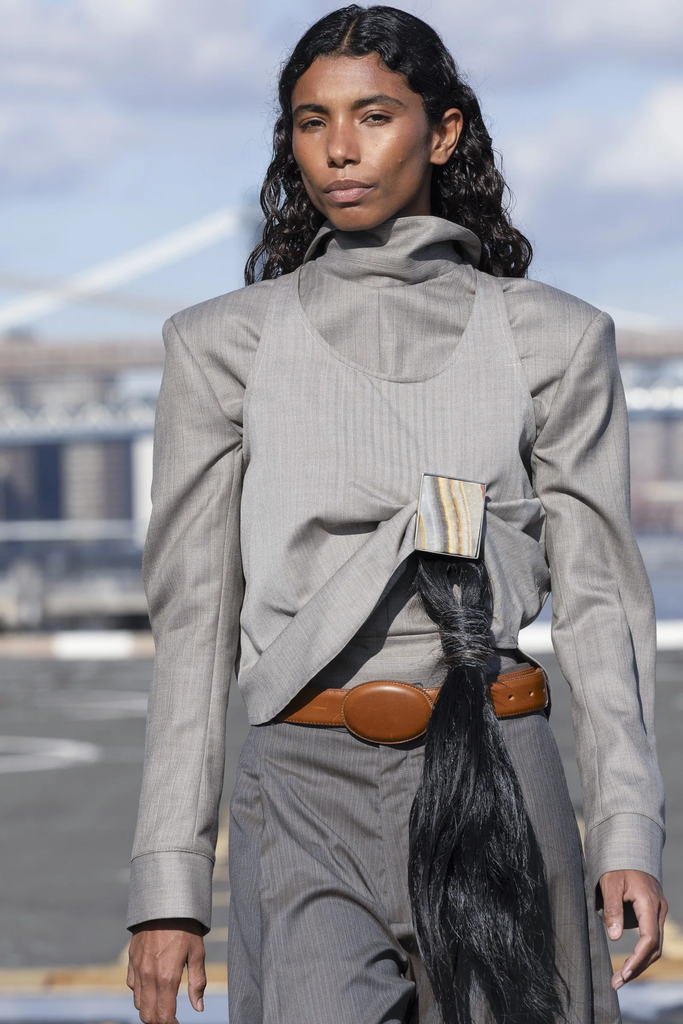
Other designers quickly embraced variations of the deliberately disheveled aesthetic.
Zoe Gustavia Anna Whalen played with bras left hanging from shoulders, while Campillo experimented with garments worn backward. LII leaned into uneven tanks and deliberately chaotic layering.
Even Tommy Hilfiger, a designer strongly associated with polished American preppy style, loosened things up by allowing traditionally crisp button-down collars to sit noticeably off-kilter.
The message seemed pretty clear: perfection was no longer the only definition of good styling.
Sometimes, looking slightly chaotic is the point.
The same attitude appeared during London Fashion Week.
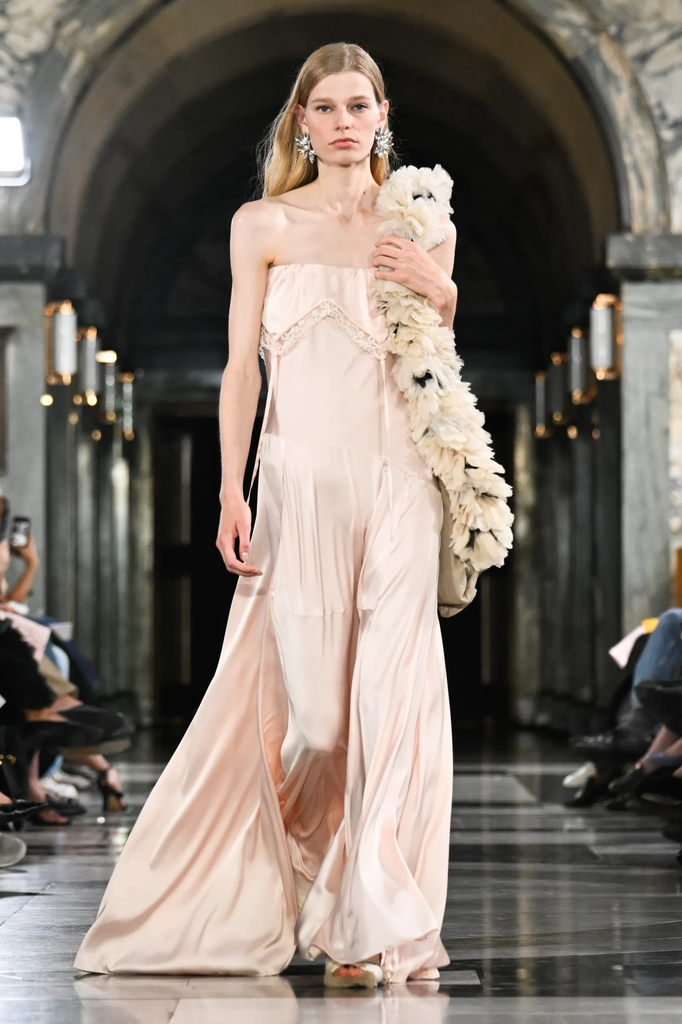
Simone Rocha allowed satin slip dresses to hang lower around the waist, creating silhouettes that looked almost accidentally undone.
KNWLS and designer Alexandre Arsenault pushed the concept even further, experimenting with unusual proportions and unconventional ways of wearing familiar pieces.
Tanks became something resembling pencil skirts. Underwear was positioned backward. Garments were styled in ways that might normally make someone ask, “Wait, are you sure that’s supposed to be like that?”
That’s precisely what made the styling interesting.
The clothes were not trying to pretend that everything was perfectly controlled.
Instead, the styling embraced the unexpected.
By the time the trend reached Milan, it had become impossible to ignore.
Prada incorporated deliberately disheveled details into its Spring/Summer 2027 presentation, including windblown-looking hair, unusual layering, and styling that felt deliberately imperfect.
The approach also connected back to Miu Miu’s Spring/Summer 2025 show, suggesting that this fascination with awkwardness has been developing for a while.
What changed in 2026 is the context.
In a world increasingly filled with AI-generated perfection, intentionally imperfect fashion suddenly feels rebellious.
This is where AI fatigue becomes particularly interesting.
Artificial intelligence is often associated with precision. It can generate the same image repeatedly, correct imperfections, and optimize results according to patterns and data.
Human creativity doesn’t always work that way.
Sometimes the most interesting idea comes from a mistake.
A button is left undone because someone is late. A sweater is thrown on backward because someone is exhausted. A dress gets pulled up because the wearer wants to move differently.
These moments aren’t necessarily planned.
But designers and stylists can transform those everyday accidents into creative ideas.
And that is something AI can struggle to replicate—not because AI cannot recognize a messy outfit, but because it does not actually experience the human circumstances that create that mess.
One of the most exciting things about this trend is that it gives fashion permission to be strange.
For years, fashion imagery has often been heavily edited and carefully controlled. Social media has only intensified the pressure to look perfect.
Every outfit can be adjusted.
Every photograph can be retouched.
Every awkward moment can be removed.
Fashion Week’s deliberately messy styling seems to push against that culture.
Instead of asking, “How can we make this look perfect?” designers are asking, “What if the imperfection is the interesting part?”
That shift makes the clothes feel more spontaneous and alive.
It would be too simple to say that every designer suddenly decided to reject AI.
The trend has many influences, and fashion has always experimented with deconstruction, unconventional styling, and deliberately unfinished aesthetics.
Still, the timing is hard to ignore.
As AI becomes increasingly present in creative industries, the value of distinctly human experiences may become more obvious.
The imperfect, unpredictable, and slightly ridiculous can start to feel precious.
In other words, the things that technology might classify as mistakes can become exactly what humans find interesting.
Perhaps that is the bigger message behind this season’s fashion.
When technology can create almost anything instantly, originality becomes more complicated. When digital images can be made flawless, flaws suddenly become meaningful.
A messy outfit can communicate spontaneity.
A crooked collar can suggest movement.
An undone belt can tell a story.
These details remind us that fashion isn’t just about producing a perfect image. It’s about people putting clothes on their bodies and living in them.
And that experience is inherently imperfect.
The rise of AI fatigue may be influencing fashion in an unexpected way: by making human imperfection feel cool again.
Across Spring/Summer 2027 runways in New York, London, and Milan, designers experimented with misbuttoned shirts, undone belts, awkward layering, exposed underwear, backward garments, and deliberately disheveled styling.
What might once have been considered a fashion mistake is now becoming a creative statement.
Maybe that’s because imperfection is one thing AI can imitate but never actually live through.
Fashion doesn’t always have to look perfect.
Sometimes, the most human thing you can wear is something that looks like you put it on in a hurry and decided not to fix it.
Follow D-Muse to stay current with fashion trends, lifestyle tips, and exciting events. DM us @dmusemagz now to get all the information you need!
It looks like we’re finally going back to the glamorous world of the Young family! Crazy Rich Asians is reportedly making a comeback, but this time, the beloved romantic comedy is heading to the small screen.
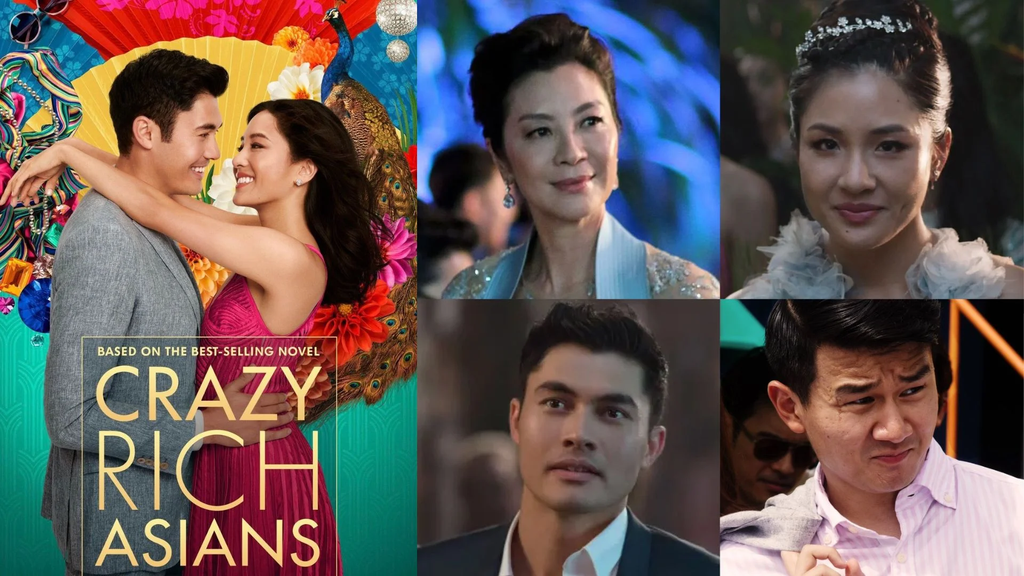
HBO is reportedly developing a series adaptation of the sequel to the hit 2018 movie, and the exciting part is that several original cast members could be returning to their iconic roles. Constance Wu, Henry Golding, Ronny Chieng, and Michelle Yeoh are reportedly set to reprise their characters, giving fans another chance to see the unforgettable characters from the original film.
The upcoming series is expected to be based on Kevin Kwan’s bestselling novel, with director Jon M. Chu also reportedly returning. With eight episodes planned and production scheduled to begin in 2027, it looks like the Crazy Rich Asians universe could be getting a much bigger story.
When Crazy Rich Asians arrived in theaters in 2018, it quickly became a major pop culture moment.
The romantic comedy followed Rachel Chu, played by Constance Wu, as she traveled to Singapore with her boyfriend Nick Young, played by Henry Golding. What she didn’t expect was to discover that Nick came from one of Singapore’s wealthiest and most influential families.
The movie combined romance, family drama, comedy, luxury, and plenty of jaw-dropping fashion. It also introduced audiences around the world to a story centered on Asian characters and an overwhelmingly Asian cast.
Now, years after the movie’s release, the story is reportedly getting another opportunity to expand.
One of the biggest reasons fans are excited about the new Crazy Rich Asians project is the possibility of seeing familiar faces again.
Constance Wu is reportedly returning as Rachel Chu, while Henry Golding could once again step into the role of Nick Young.
Ronny Chieng is also reportedly expected to reprise his role, bringing back the comedic energy that helped make the original movie so entertaining.
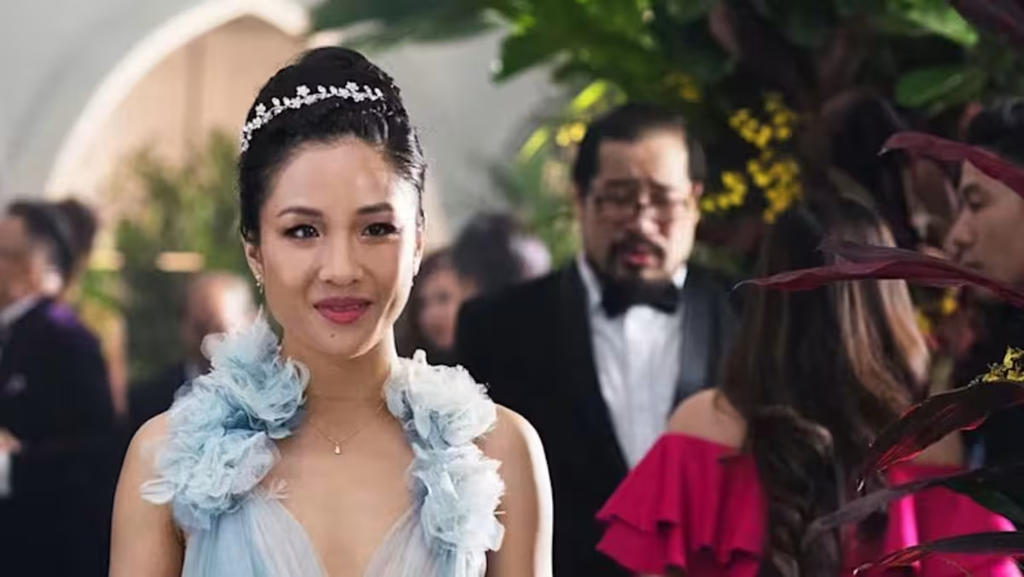
Then there’s Michelle Yeoh, whose performance as Eleanor Young became one of the most memorable parts of the first film.
Having these original actors involved could give the new series a strong connection to the movie that started it all.
Of course, because the project is still being described as reportedly in development, fans will have to wait for official confirmation of the complete cast and their roles.
The upcoming series is reportedly being adapted from Kevin Kwan’s bestselling novel, continuing the story established in his Crazy Rich Asians book series.
Kwan’s novels explore the complicated relationships, family expectations, wealth, and social circles surrounding some of Asia’s richest families.
That gives the series plenty of material to work with.
Unlike a two-hour movie, an eight-episode series has significantly more time to explore different characters and storylines.
Instead of rushing through major conflicts, the format could allow the show to dive deeper into family relationships, romances, rivalries, and all the glamorous chaos that made the original story so addictive.
Another exciting detail is the reported involvement of Jon M. Chu.
Chu directed the original Crazy Rich Asians movie, helping establish its colorful visual style and larger-than-life atmosphere.
His potential return could give the new project a sense of continuity.
The original film was filled with spectacular locations, extravagant parties, designer fashion, and luxurious homes. If the series maintains that visual ambition, viewers could be in for plenty of eye candy once again.
At the same time, moving the story into a television format could give Chu and the creative team more room to explore the world beyond what audiences saw in the first movie.
According to the information currently available, the Crazy Rich Asians series is planned to consist of eight episodes.
That format could work particularly well for the story.
Eight episodes provide enough space to develop multiple characters while keeping the overall season relatively focused. It also gives the writers an opportunity to explore storylines that might have been difficult to fit into a feature-length movie.
For fans of the original, that could mean more family drama, more romance, more comedy, and, naturally, more of the extravagant lifestyle that made the franchise so recognizable.
The reported timeline puts production of the series in 2027.
That means fans may still have a bit of a wait before they can actually watch the new adaptation.
For now, there are still plenty of details that remain unknown, including the exact release date, the full cast, and how closely the series will follow the novel.
Still, the reported production timeline gives fans something concrete to look forward to.
After years of waiting for another story from the franchise, the possibility of cameras finally rolling in 2027 is already enough to create excitement.
The appeal of Crazy Rich Asians goes beyond its romantic comedy storyline.
The original movie became an important cultural moment because it put Asian characters at the center of a major Hollywood production while showcasing different aspects of Asian identity, family, culture, and wealth.
It was also simply a lot of fun to watch.
The extravagant weddings, designer outfits, luxurious houses, family tension, and complicated romances gave the movie an instantly recognizable personality.
A television series could take all those elements and expand them even further.
And because the story comes from Kevin Kwan’s larger literary universe, there is already plenty of source material available for the creators to explore.
If the reported adaptation moves forward as planned, viewers could potentially get a much deeper look into the characters and relationships that fans already know.
The Young family alone has plenty of complicated dynamics to explore.
Rachel and Nick’s relationship also has plenty of room for further development, especially when family expectations and social status continue to influence their lives.
Then there are the supporting characters, who could receive more attention in a series format.
Eight episodes could make the world of Crazy Rich Asians feel much bigger than it did in the original movie.
For now, here’s the reported information fans can look forward to:
It’s worth remembering that these details are based on reports, so some elements may change before the project officially goes into production.
After years of wondering whether we’d ever return to the glamorous world of the Young family, Crazy Rich Asians could finally be getting a new chapter.
The reported HBO series would bring back several familiar faces, including Constance Wu, Henry Golding, Ronny Chieng, and Michelle Yeoh, while adapting Kevin Kwan’s bestselling material into an eight-episode format.
With Jon M. Chu reportedly returning and production expected to begin in 2027, there’s already plenty for fans to be excited about.
Whether you’re here for the romance, family drama, outrageous fashion, luxurious lifestyles, or simply want to see these characters again, the potential return of Crazy Rich Asians is definitely one to keep an eye on.
Now the real question is: are you ready to go back to Singapore?
Follow D-Muse to stay current with fashion trends, lifestyle tips, and exciting events. DM us @dmusemagz now to get all the information you need!
Mental health is a huge part of everyday life. It influences how we think, feel, deal with stress, make decisions, and connect with the people around us. But even though conversations about mental health have become more common, talking openly about anxiety, depression, burnout, or other struggles has not always been easy.
For years, mental health was often surrounded by stigma and shame. Fortunately, that conversation has been changing. More people are recognizing that taking care of your mental health deserves the same attention as taking care of your physical health.
One important moment that helps keep this conversation going is World Mental Health Day, observed every year on October 10.
But what exactly is World Mental Health Day, and how can you take part?
World Mental Health Day takes place annually on October 10. It was established in 1992 by the World Federation for Mental Health to promote greater awareness and understanding of mental health around the world.
The day provides an opportunity for individuals, organizations, communities, and institutions to talk more openly about mental health.

That might sound simple, but creating space for these conversations can make a meaningful difference.
People dealing with mental health challenges may sometimes hesitate to speak up because they are worried about being judged, misunderstood, or treated differently. By making mental health a more visible topic, World Mental Health Day encourages people to recognize that struggling does not make someone weak or unusual.
Instead, asking for support can be an important part of taking care of yourself.
At its core, World Mental Health Day aims to raise awareness, encourage open conversations, and promote actions that support mental well-being.
It is also a reminder that mental health is connected to overall health. The way we feel mentally can influence how we handle everyday challenges, interact with friends and family, work or study, and make decisions.
When someone is experiencing anxiety, depression, burnout, or other mental health difficulties, even ordinary activities can sometimes feel much harder than usual.
And mental health challenges are not rare.
According to the World Health Organization information cited in the source, nearly one in eight people around the world live with some form of mental health condition.
That means millions of people may be dealing with challenges that are not immediately visible to others.
So, if you are struggling, you are not alone.
Mental health conditions can also be treated, and different forms of support are available. Creating environments where people feel safe enough to ask for help is therefore an important part of improving mental health awareness.
Each year, World Mental Health Day focuses on a particular theme designed to guide conversations and activities around an important mental health issue.
For 2026, the theme is “Lived Experience Heard: Real Voices, Real Change.”
The theme emphasizes the importance of listening to people with lived experience and improving access to mental health care, particularly for people affected by disasters and crises.

Around the world, communities, governments, and organizations can respond to these challenges through outreach campaigns, support networks, partnerships, events, and the sharing of useful resources.
The bigger idea is that mental health support should not be treated as an optional extra, especially during emergencies.
People experiencing difficult situations need access to support when they need it most.
There are plenty of ways to participate in World Mental Health Day, and they do not necessarily have to be complicated.
The important thing is getting involved in a way that feels appropriate and safe for you.
Here are three ideas highlighted in the source material.
One simple way to participate is by attending a local or global mental health event.
These can include talks, workshops, awareness walks, seminars, or other community activities. They can be useful opportunities to learn more about mental health while connecting with other people who care about the issue.
You might discover a new perspective, learn about available resources, or simply realize that you are part of a much larger community.
If there is no event happening near you, that does not necessarily mean you have to sit this one out. The source also suggests that it could be an opportunity to organize something yourself with friends or people in your community.
It does not have to be a huge event. Even creating a small space for people to talk and learn can be meaningful.
Another way to mark World Mental Health Day is by sharing your own experience.
This could mean talking about stress, anxiety, burnout, or another part of your mental health journey with someone you trust. You could also choose to share something publicly through social media or another platform.
The point is not to reveal every personal detail.
You should never feel pressured to disclose more than you are comfortable sharing.
Instead, even a simple and honest conversation can help normalize discussions about mental health. Someone reading or hearing your experience might recognize something in themselves and feel a little less alone.
Sometimes, knowing that someone else has struggled too can make it easier to ask for help.
Knowledge can also be a powerful way to participate.
Use World Mental Health Day as an opportunity to learn about different mental health challenges and how they can affect people.
Reliable sources, including the World Health Organization and mental health organizations, can help you understand topics more accurately.
Learning also makes it easier to respond with empathy.
When we understand that mental health challenges can affect people in many different ways, we may become less likely to make assumptions or judge someone based on what we see from the outside.
You can also share trustworthy information with friends, family, classmates, or colleagues. The more people understand mental health, the easier it can become to build supportive communities.
One of the most important things about World Mental Health Day is that mental health awareness should not be limited to a single date.
October 10 can be a starting point—a reminder to check in with yourself, reach out to someone you care about, learn something new, or think about how mental health is treated in your community.
You do not have to make a huge change overnight.
Sometimes, taking mental health seriously starts with something as simple as listening without judgment, checking in with a friend, or recognizing when you might need support yourself.
World Mental Health Day is more than just another date on the calendar. It is an opportunity to make conversations about mental health more visible, challenge stigma, and remind people that they do not have to face difficult experiences alone.
With the 2026 theme “Lived Experience Heard: Real Voices, Real Change,” the focus is also on listening to real experiences and making mental health support more accessible, particularly during disasters and crises.
Whether you attend an event, share your story, or simply learn more about mental health, even a small action can contribute to a more understanding environment.
And perhaps that is the most important reminder: mental health deserves attention not only when things become overwhelming, but as part of everyday life.
Follow D-Muse to stay current with fashion trends, lifestyle tips, and exciting events. DM us @dmusemagz now to get all the information you need!
The name Orchestra Experience has recently become a hot topic after several audience members shared complaints about their experiences with the event. From a concert being suddenly cancelled to claims that the reality of the show did not match what had been promoted, the situation has raised questions among potential ticket buyers.
The controversy also caught the attention of the Jakarta Arts Council (DKJ), which has urged the public to be more careful and verify event information before buying tickets or making payments.
But there is an important distinction to make here: DKJ has not stated that the organizers have been proven fraudulent. Its warning is framed as a precautionary measure to protect the public from potential losses.
So, what exactly happened, and what should you know about an actual orchestra performance?
One of the incidents that triggered public concern involved an Orchestra Experience performance scheduled for October 4, 2026, at The Entrance Convention Hall, Q-BIG BSD City, Tangerang.
The concert was originally scheduled for 7 p.m., but the organizers announced on the day of the event that the performance had been cancelled because of what they described as unexpected technical difficulties. Reports said the announcement came shortly before the scheduled performance, with some ticket holders already at the venue.
The organizers subsequently apologized and said the performance would be rescheduled. They also offered ticket holders the option of keeping their tickets for a replacement date or requesting a refund, with the refund process stated to take up to seven working days.
However, the sudden cancellation led at least one ticket holder to file a police report alleging fraud or deceptive conduct. Police confirmed that the report had been received and that an investigation was underway.
That investigation is important because it means the allegations should not be treated as established facts.
The controversy was not limited to the cancelled Tangerang show.
Some audience members at other Orchestra Experience performances also shared concerns about whether the experience matched what they had expected from the promotional material.
One audience member who attended a performance in Bogor described the show as less impressive than expected and questioned whether the venue arrangement matched what had been presented in advertisements. The audience member also raised concerns about seating arrangements and the overall value of the ticket.
These are individual audience accounts, rather than an official finding that the event was fraudulent.
Still, they help explain why questions about the event spread online and why DKJ eventually issued its public warning.
The Jakarta Arts Council’s message is perhaps the most important part of the story.
DKJ advised people to be cautious before purchasing tickets for Orchestra Experience and encouraged potential audiences to verify information about the event first.
The council specifically recommended checking the organizer’s identity, legal status, location, schedule, and other parties involved in the event.
People were also advised not to make payments before receiving information that could be clearly verified. DKJ further warned against sharing personal or payment information with people claiming to represent an event organizer without first confirming their identity.
Most importantly, DKJ emphasized that its announcement was not a declaration that the organizer had been proven to commit fraud.
That distinction matters.
A warning from an arts institution is not the same thing as a legal verdict. At the time of the reporting, the police investigation was still ongoing.
The controversy also raises an interesting question: when an event is marketed as an orchestra performance, what should audiences actually expect?
According to an educational article published by BINUS University’s Bersama Dalam Musik (BDM), big bands, ensembles, and orchestras are all groups of musicians, but they have different characteristics.
A big band generally focuses on jazz and commonly includes instruments such as saxophones, trumpets, trombones, and a rhythm section.
An ensemble can involve one type of instrument, such as a guitar or violin ensemble, although mixed ensembles also exist.
An orchestra, meanwhile, involves multiple instrumental sections and is characterized in the source by a strong focus on string instruments and coordination under a conductor. The article also notes that while orchestras are traditionally associated with classical music, modern orchestras can perform pop and other contemporary genres.
So, an orchestra does not necessarily mean you will only hear centuries-old classical compositions.
A modern orchestra can reinterpret movie soundtracks, pop songs, and other familiar music while still using an orchestral setup.
One of the most interesting things about watching an orchestra live is seeing how many individual musicians work together as one musical unit.
Violins, violas, cellos, double basses, woodwinds, brass, and percussion can all have different roles within a performance. The conductor helps coordinate those different sections so that they function together rather than sounding like dozens of separate musicians.
That coordination is one of the defining characteristics of an orchestral performance.
And yes, modern orchestra shows can be highly entertaining.
In Indonesia, orchestral performances are not limited to formal classical concerts. There are festivals, educational programs, and modern orchestras that introduce orchestral arrangements to younger audiences through contemporary music.
BINUS BDM itself describes its organization as focusing on modern orchestra, modern ensemble, and big band, showing how flexible the format can be.
The Orchestra Experience controversy is also a useful reminder for anyone planning to buy concert tickets.
Before making a payment, check who is organizing the event. Look for consistent information across the organizer’s official website and social media accounts.
Check the venue directly if necessary. Make sure the date and location are consistent across different official sources.
It is also worth looking at the performers. If an event promises an orchestra, find out who the musicians are, who the conductor is, and whether there is credible information about the ensemble involved.
And don’t rely entirely on promotional images.
A beautiful poster can create an exciting first impression, but the practical details matter more when you’re spending your money.
The Orchestra Experience controversy is still developing, and the available information should be treated carefully. There have been audience complaints, a sudden cancellation in Tangerang, a police report alleging fraud, and a public warning from DKJ. At the same time, the organizers have said the cancellation was caused by unexpected technical difficulties and have offered rescheduling and refund options.
What has not been established is that the organizers have been legally proven to have committed fraud. DKJ itself explicitly framed its statement as a precaution rather than a verdict.
Beyond this particular controversy, the situation offers a useful lesson for music audiences: knowing what an orchestra actually is can help you understand what you’re paying for, while checking the organizer and event details can help you make safer decisions.
Because at the end of the day, a great orchestra experience should be about the music—not wondering whether the event itself is reliable.
Follow D-Muse to stay current with fashion trends, lifestyle tips, and exciting events. DM us @dmusemagz now to get all the information you need!
Sometimes, a remake really does deserve a spotlight of its own. That seems to be exactly what is happening with The Intern, the Korean remake of the 2015 Hollywood movie of the same name.
Titled 인턴 in Korea, the film finally claimed the No. 1 position at the domestic box office after opening on September 16. Its rise is especially notable because it took an impressive 50 days for a Korean film to reach the top spot after HOPE.
The achievement also means that The Intern has successfully dethroned The Odyssey, which had been dominating Korean theaters for months. With strong audience reactions and a cast led by Choi Min-sik and Han So-hee, the remake is proving that a familiar story can still find a fresh audience.
Upon its release on September 16, The Intern immediately made an impact at the Korean box office.
The movie took the top spot on its opening day, ending The Odyssey’s long-running dominance of domestic theaters. While reaching No. 1 is already an achievement, the timing makes the result even more interesting.
According to the information available, this is the first Korean film to reach the top of the domestic box office in 50 days, following HOPE.
That gives the remake an extra reason to celebrate. It is not simply another new release entering the weekly box-office race—it has become a notable moment for Korean cinema after a relatively long wait for a local title to take the No. 1 position.
For anyone familiar with the original The Intern, the basic premise may sound familiar.
The 2015 Hollywood film starred Robert De Niro and Anne Hathaway and centered on an older man who becomes a senior intern at a rapidly growing fashion company.
The Korean version keeps the core idea while adapting the story for a local audience.
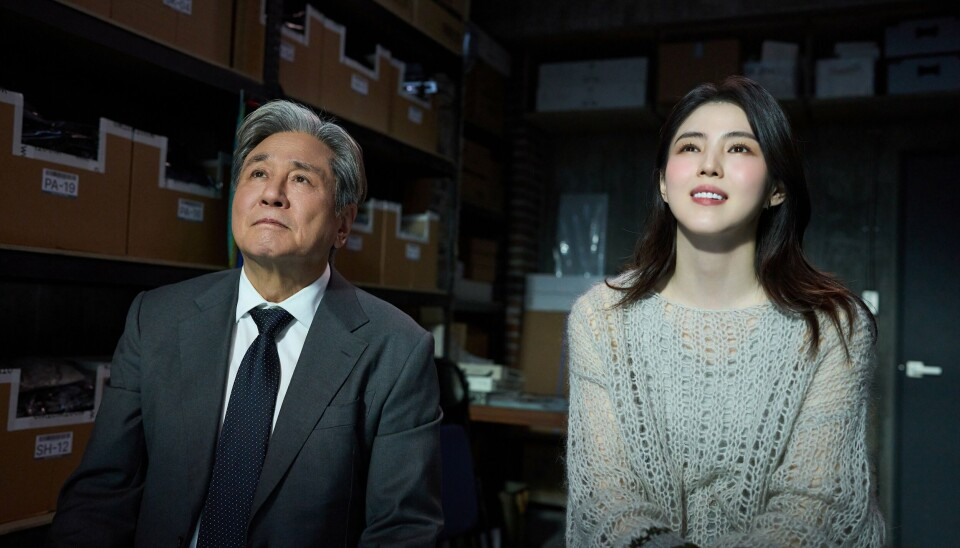
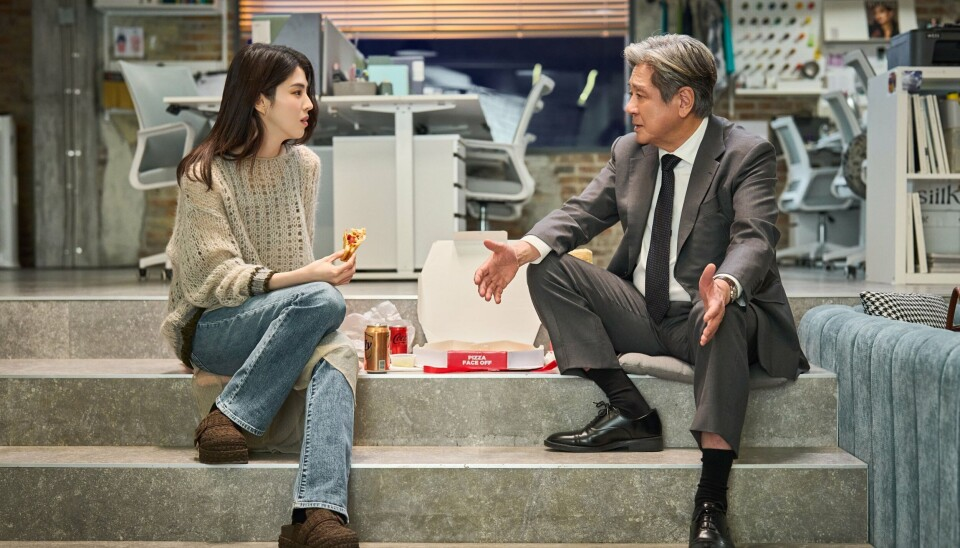
In this remake, Choi Min-sik plays a 37-year veteran who decides to take on a senior internship at a fashion startup. The company is led by a character played by Han So-hee, creating an interesting relationship between two people from very different generations.
Rather than simply focusing on workplace comedy, the story uses their generational differences to explore warmth, connection, and the ways people can learn from one another.
One of the biggest reasons to pay attention to the Korean The Intern is Choi Min-sik.
Known for his powerful performances, the veteran actor takes on the role of a man with 37 years of professional experience who enters the workplace again as a senior intern.
The premise alone creates an interesting contrast. Someone with decades of experience is suddenly placed in a position usually associated with young people who are just beginning their careers.
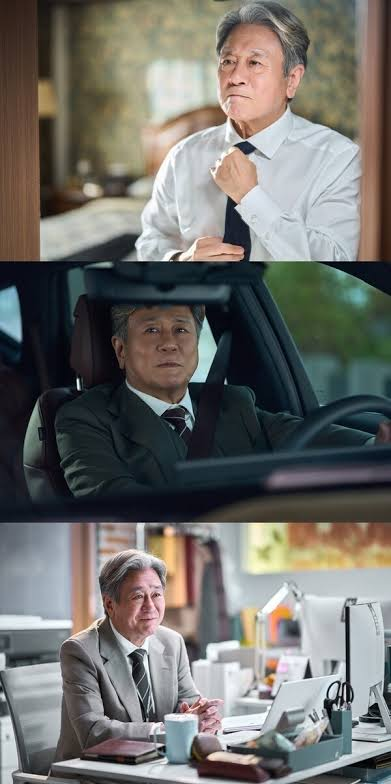
Instead of treating age as a limitation, the story appears to use it as a source of humor, wisdom, and emotional depth.
Choi Min-sik’s presence also gives the character a different energy from the original version, allowing the Korean remake to establish its own identity.
Opposite Choi Min-sik is Han So-hee, who plays the leader of the fashion startup.
Her character represents a very different generation and professional experience. While Choi Min-sik’s character has spent decades working, Han So-hee’s character is part of a younger business world that moves at a completely different pace.
That generational contrast becomes one of the key elements of the story.
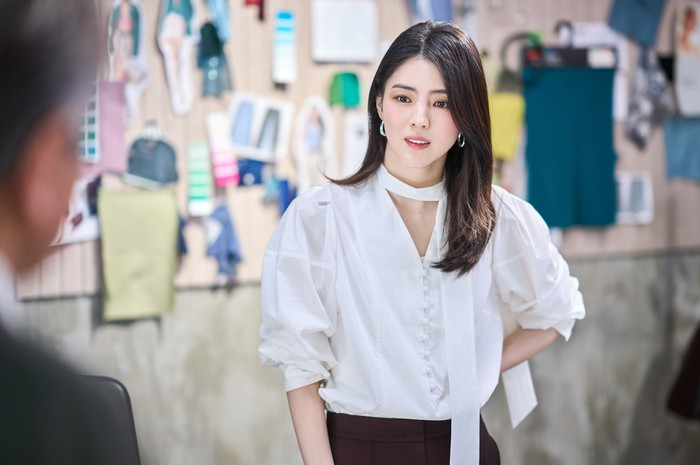
The dynamic between the two characters creates opportunities for both comedy and emotional moments. They may approach work, success, and life differently, but their relationship gradually shows that different generations can still understand and influence each other.
The box-office performance is only part of the story. The Korean The Intern is also receiving strong reactions from audiences.
The film currently has a 95 percent audience score on CGV’s Golden Egg Index, while Lotte Cinema gives it a rating of 9.0.
Those numbers suggest that moviegoers are responding positively to the remake, particularly after watching the story adapted through a Korean lens.
For a remake, audience reception is especially important. Viewers who already know the original may naturally compare the two versions, while newcomers can experience the story without any expectations.
The strong scores indicate that the Korean adaptation is managing to connect with audiences on its own terms.
Remakes can be tricky. When audiences already love the original, there is always a risk that a new version will feel unnecessary.
However, The Intern appears to benefit from something that many successful remakes have in common: a familiar foundation combined with a different cultural and emotional approach.
The central idea remains recognizable, but the Korean version introduces its own actors, workplace environment, and character dynamics.
The generational relationship between Choi Min-sik and Han So-hee becomes an opportunity to explore the story in a way that feels relevant to Korean audiences.
Instead of trying to completely reinvent the original, the remake gives the familiar story enough room to become something of its own.
The success of The Intern comes at an interesting moment for Korean cinemas.
After 50 days without a Korean film reaching the No. 1 spot, the remake’s achievement offers a welcome boost for domestic cinema.
Its success also demonstrates that audiences remain interested in stories centered on relationships, work, and different generations.
Not every successful movie needs a complicated concept or huge spectacle. Sometimes, a warm story with recognizable characters can be enough to bring audiences into theaters.
In the case of 인턴, that combination appears to be working.
The Korean remake of The Intern has officially made its mark at the box office.
Opening on September 16, the film quickly reached No. 1, ending The Odyssey’s long reign at the top and becoming the first Korean film to achieve the position in 50 days since HOPE.
With Choi Min-sik and Han So-hee leading the cast, the movie brings a familiar story into a new cultural setting while exploring the warmth and humor that can come from generational differences.
Its 95 percent CGV Golden Egg audience score and 9.0 rating from Lotte Cinema suggest that audiences are embracing the remake.
Sometimes, a remake does not need to replace the original. It simply needs to tell the story well enough to become its own thing—and The Intern seems to be doing exactly that.
Follow D-Muse to stay current with fashion trends, lifestyle tips, and exciting events. DM us @dmusemagz now to get all the information you need!
Calling all K-drama fans! October 2026 is bringing a fresh lineup of exciting series with everything from heart-fluttering romances and hilarious rom-coms to intense thrillers, fantasy stories, and emotional youth dramas.
This month’s kdrama lineup is packed with familiar faces, unique concepts, and cross-country collaborations. Whether you enjoy mystery investigations, healing slice-of-life stories, or sweet romantic relationships, there is something waiting for everyone.
With 14 new Korean dramas scheduled to premiere throughout October 2026, your watchlist is about to get much longer. Here are the upcoming kdrama titles you should keep an eye on.
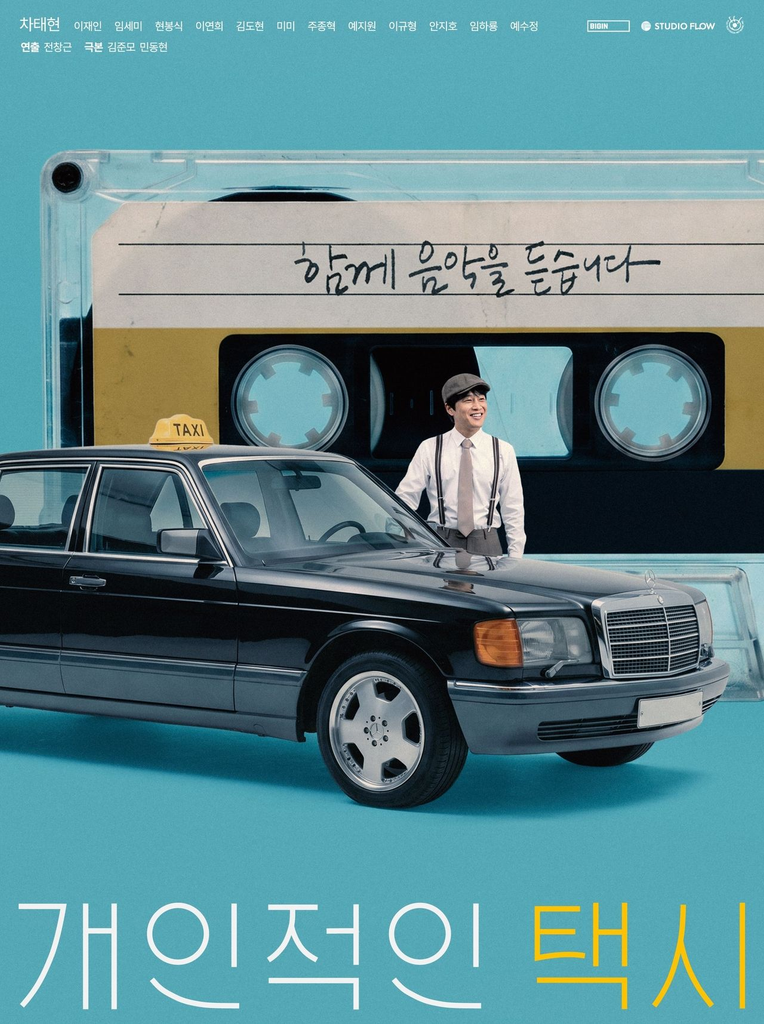
Starting the month is Your Personal Taxi, a Korean-Japanese slice-of-life drama with a unique concept.
The story follows a mysterious taxi that only accepts reservations. However, this is not an ordinary taxi ride. Every passenger can request a song that represents their personal story, turning each journey into an emotional experience.
Starring Cha Tae Hyun, this 8-episode drama combines music and human connection, making it a perfect choice for viewers who enjoy warm and meaningful stories.
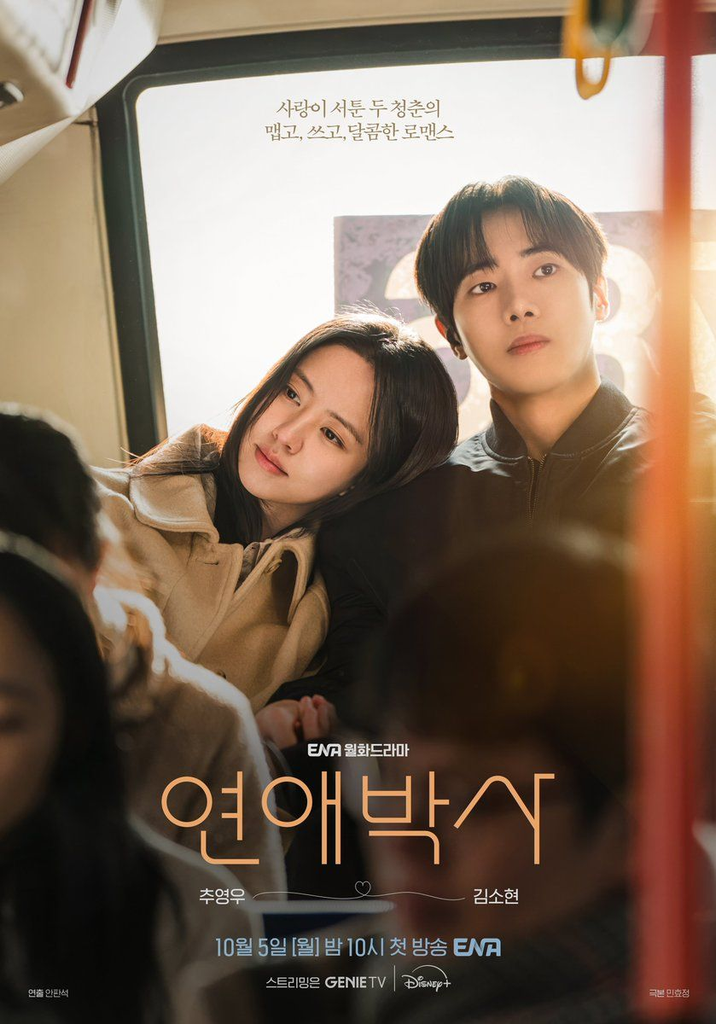
For fans looking for romance, Between Steps brings a sweet university love story.
Also known as The Love Coach and Romance Expert, this romantic comedy follows two university students in a robotics program who work together in a laboratory and slowly develop feelings for each other.
With Choo Young Woo and Kim So Hyun as the main leads, this 12-episode series promises a mix of youthful energy, science, and romance.
If you prefer something darker, kiDnap GAME delivers a thrilling survival story.
This Japanese-Korean drama follows a wave of kidnappings across major Asian cities, including Tokyo, Seoul, Taipei, Singapore, Bangkok, Naga, and Manila.
Families of the victims must complete dangerous missions to save their loved ones, creating a tense race against time.
Starring Sakaguchi Kentaro and Lee Joon Gi, this 11-episode thriller is set to bring plenty of suspense.
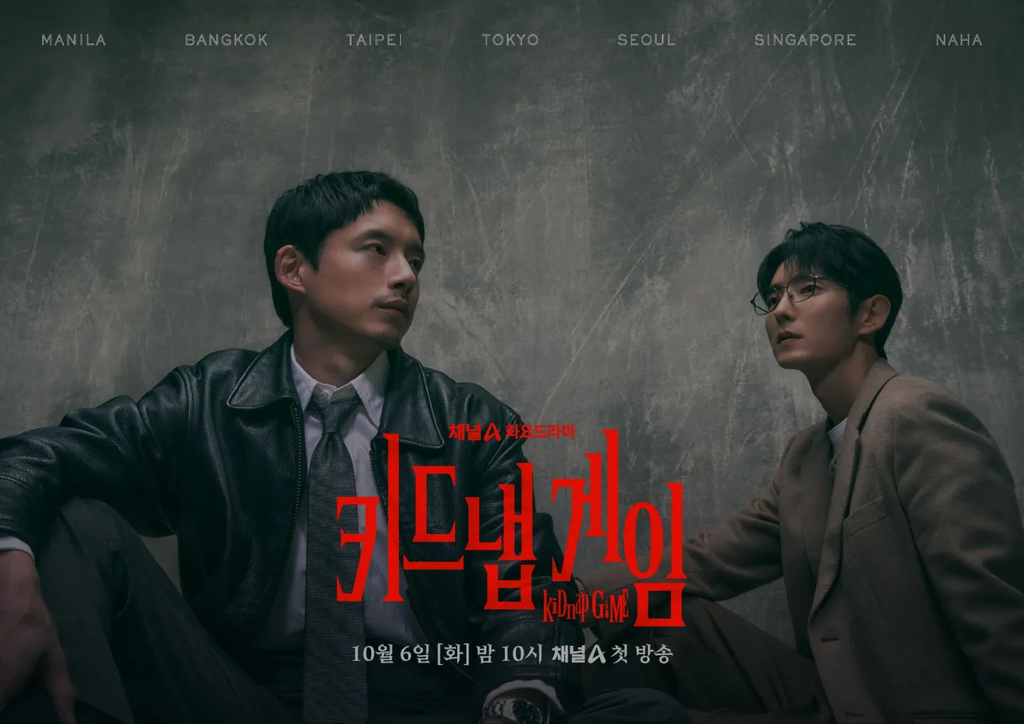
Romance fans can look forward to Merry Berry Love, a Japanese-Korean love story filled with emotional healing.
The drama follows a Korean spatial designer who loses everything overnight and travels to Japan. There, he meets a Japanese strawberry farmer who completely changes his life.
Featuring Ji Chang Wook and Mio Imada, this 10-episode series combines romance, personal growth, and a fresh new beginning.
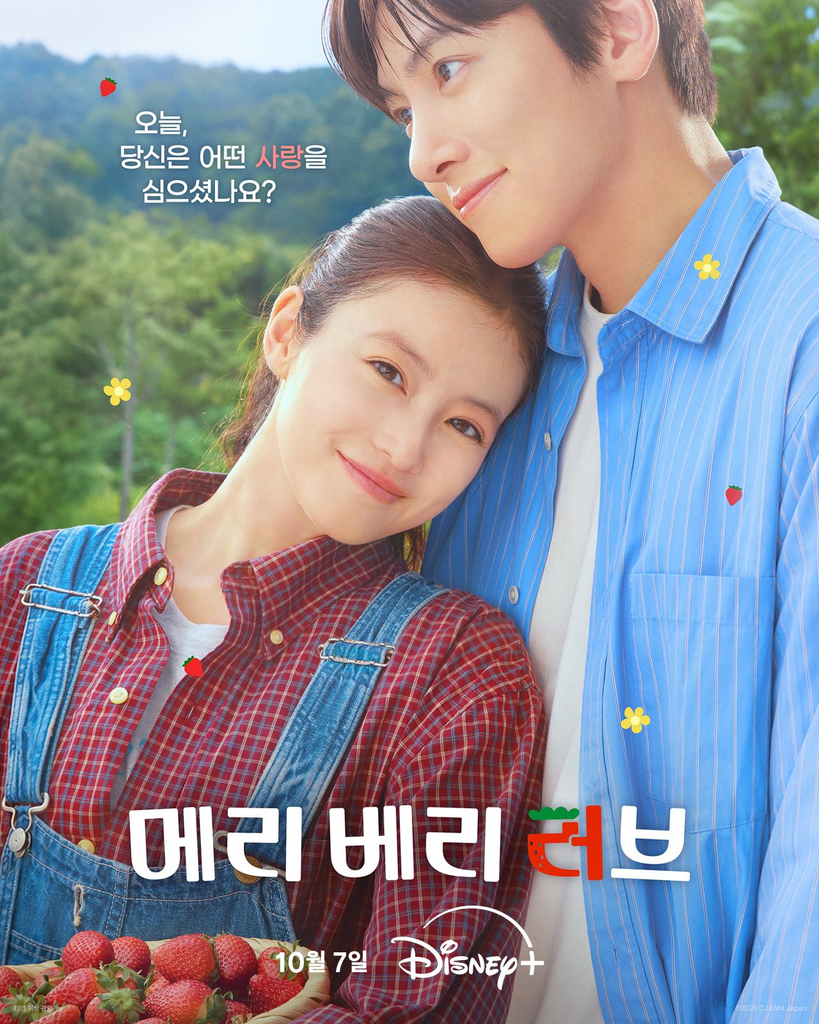
Medical drama lovers are getting a new intense story with Doctor X: Age of the White Mafia.
Based on TV Asahi’s Doctor-X: Surgeon Michiko Daimon, this medical noir series follows a brilliant surgeon who challenges corruption inside a hospital system.
With Kim Ji Won, Lee Jung Eun, Son Hyun Joo, and Kim Woo Seok joining the cast, the drama promises mystery, justice, and powerful performances.
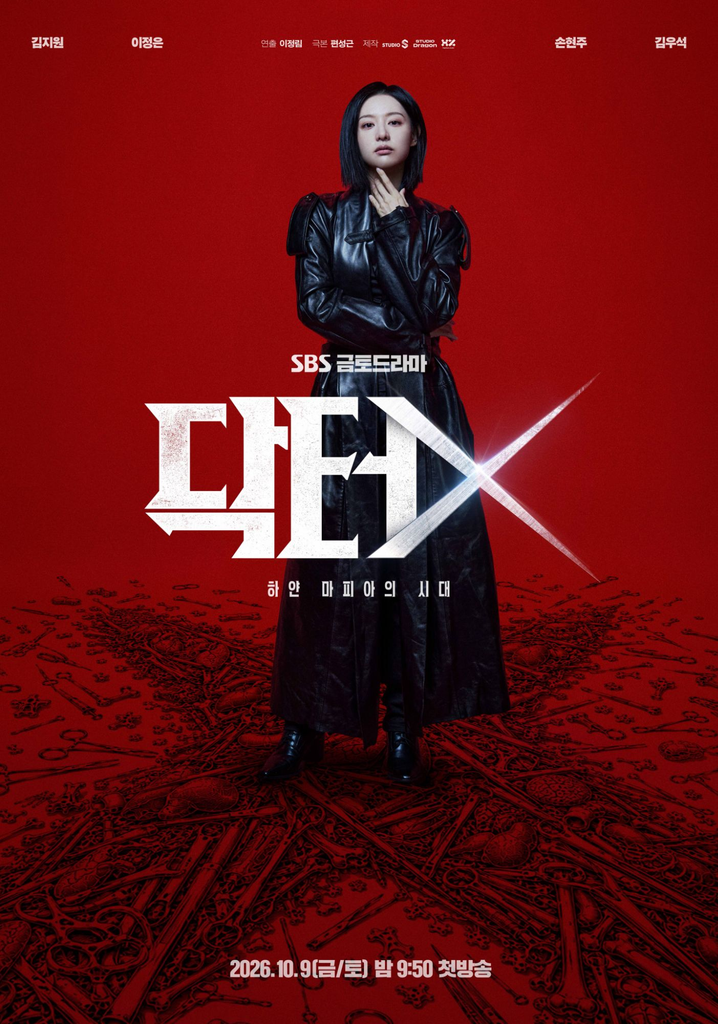
Fantasy romance fans should add Take Charge of My Heart to their list.
Based on the webtoon Charge Me, the drama follows a third-generation chaebol heir whose artificial heart is running out of power. His only hope comes from a screenwriter whose unique electrical energy can recharge his heart.
Kim Young Kwang and Chae Soo Bin lead this 10-episode Netflix romance.

Historical drama lovers are in for a treat with 100 Days of Deception.
Set during the Japanese colonial period, this romance spy drama follows a talented con artist who works with independence fighters and goes undercover inside the Japanese Government-General of Korea.
Kim You Jung and Park Jin Young headline this 16-episode tvN series.
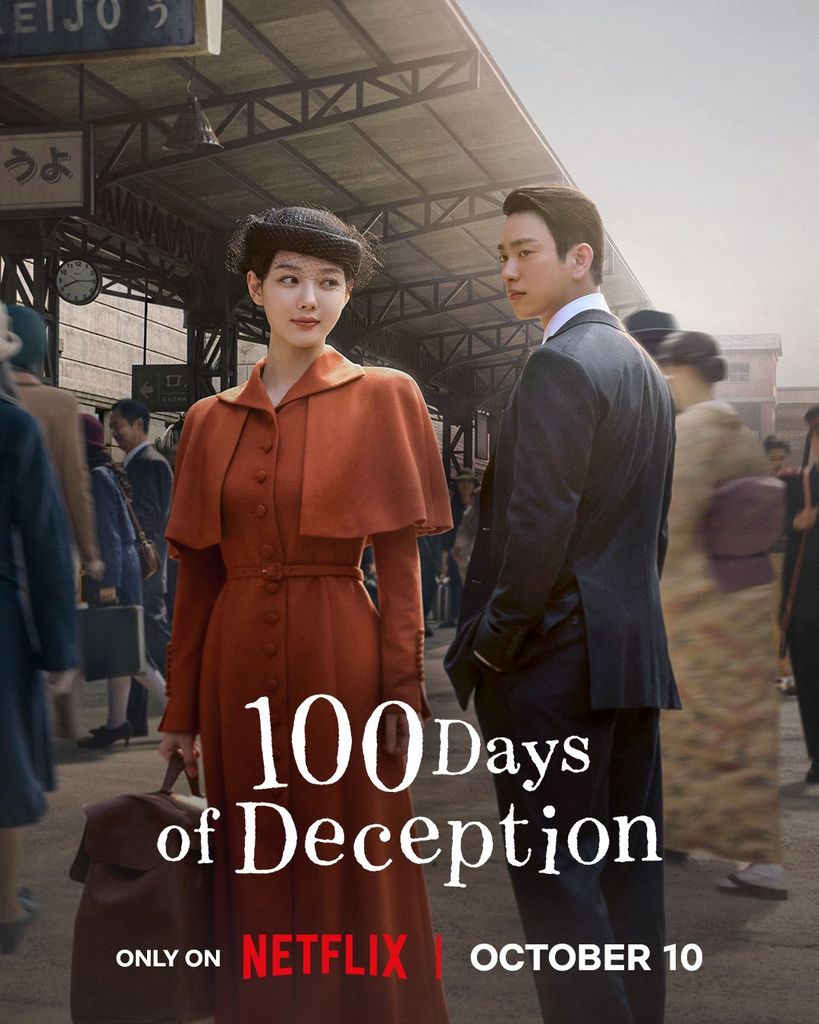
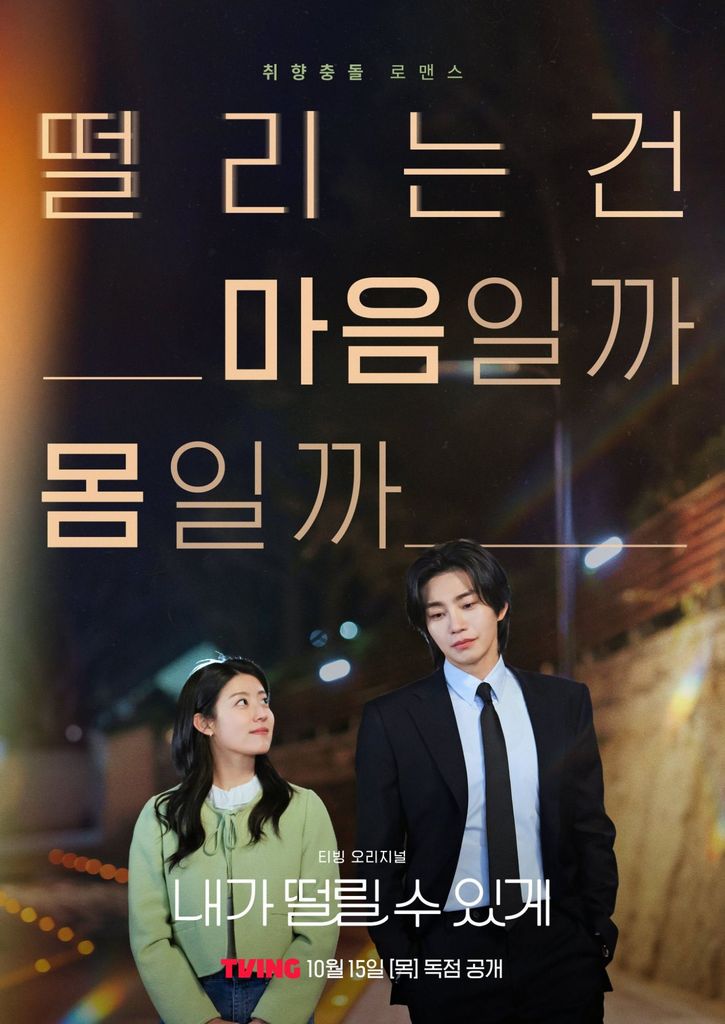
For a more playful romance, Make Me Tremble introduces an unusual love story.
The drama follows a woman with conservative views about love who meets a CEO of a sex toy company. Although he appears confident and successful, he hides a lonely side.
Nam Ji Hyun and Kim Jae Young star in this romantic comedy.
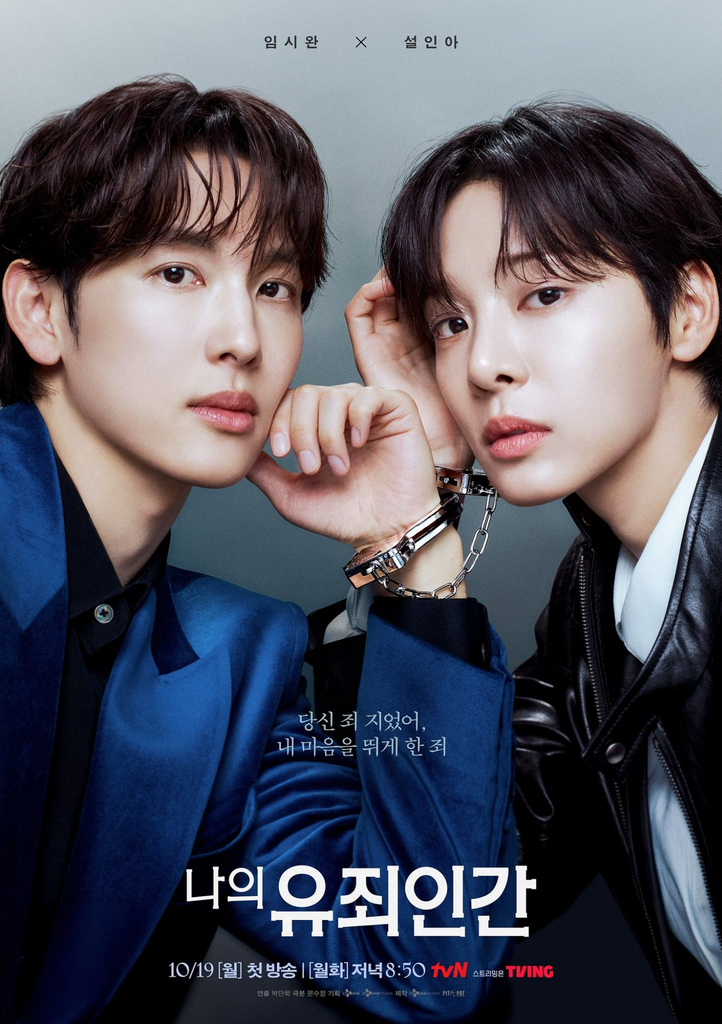
Combining romance and mystery, Love In Disguise follows a chaebol heir who becomes the main suspect in a murder case.
A female detective goes undercover as his male personal secretary to investigate the truth.
Starring Yim Si Wan and Seol Ina, this 12-episode thriller romance is based on a web novel.
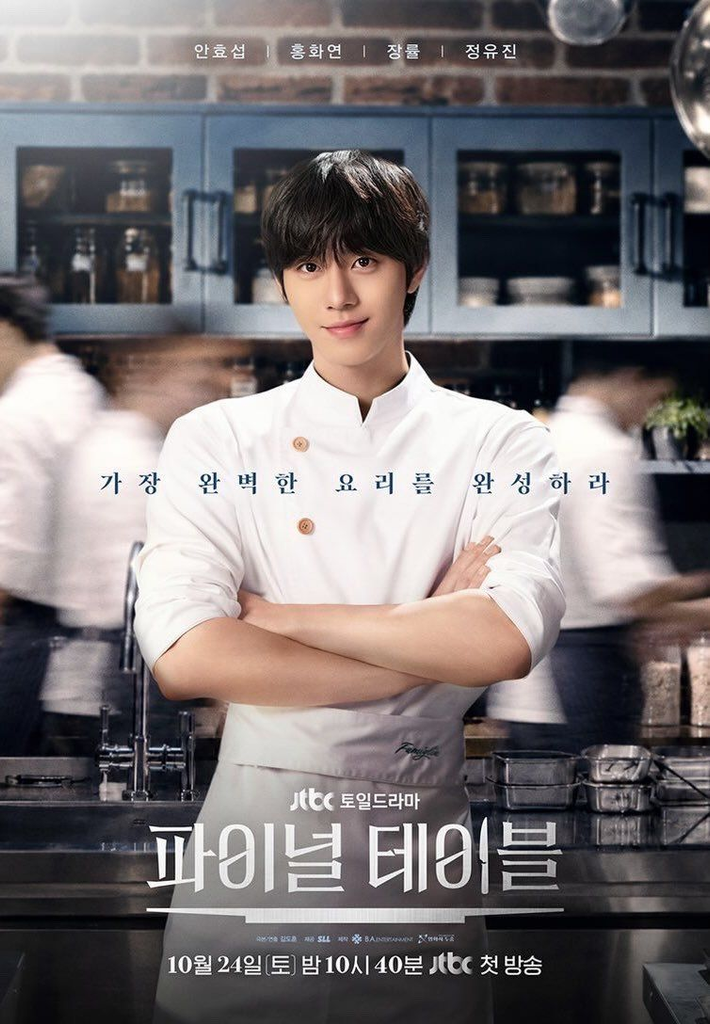
Food lovers can enjoy Final Table, a cooking survival drama about talented Korean chefs competing for the title of “The Table: K-Chef 2026.”
With Ahn Hyo Seop, Hong Hwa Yeon, Chang Ryul, and Jung Yoo Jin, this slice-of-life competition story brings together food, ambition, and personal journeys.
Another romantic comedy arriving in October is Oh! My Guard.
The drama follows a famous male actor hiding a serious secret who meets a mysterious woman convinced she is the heroine of a drama.
Jung Yong Hwa and Hong Seung Hee lead this 16-episode romance.

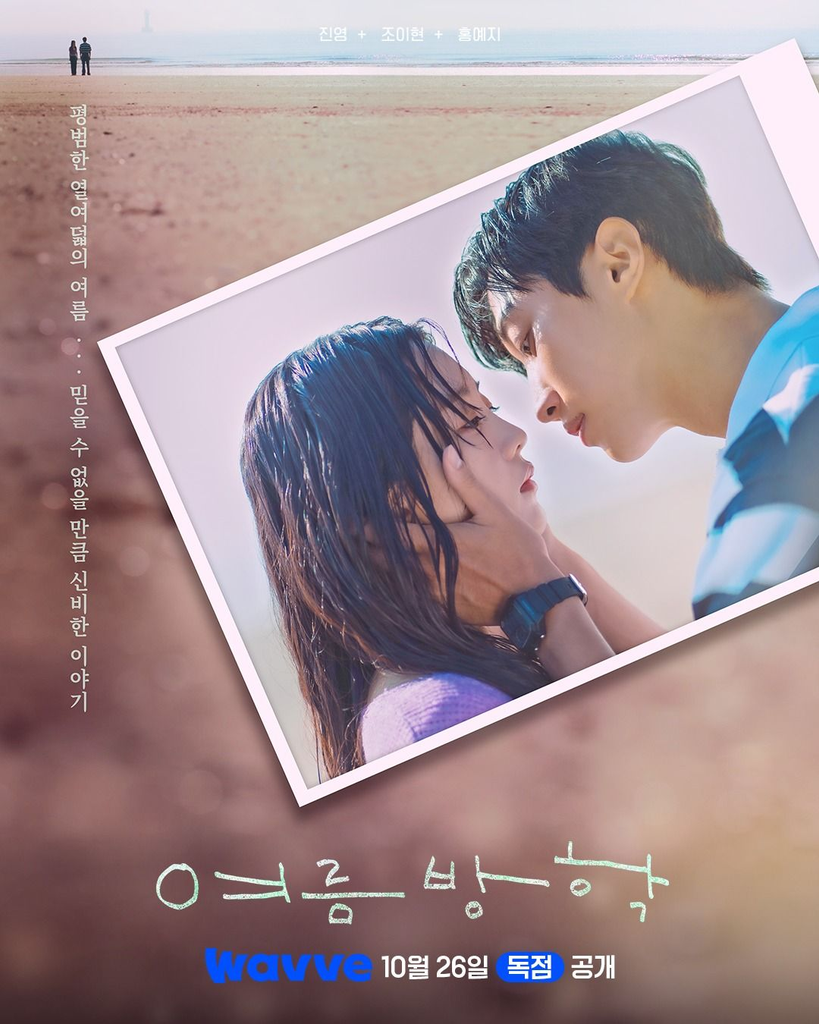
For fans of youth dramas, Summer Vacation explores memories, mystery, and growing up.
The story follows a high school girl trying to return to reality after experiencing something strange during an ordinary summer break.
Cho Yi Hyun and Jin Young star in this emotional youth drama.
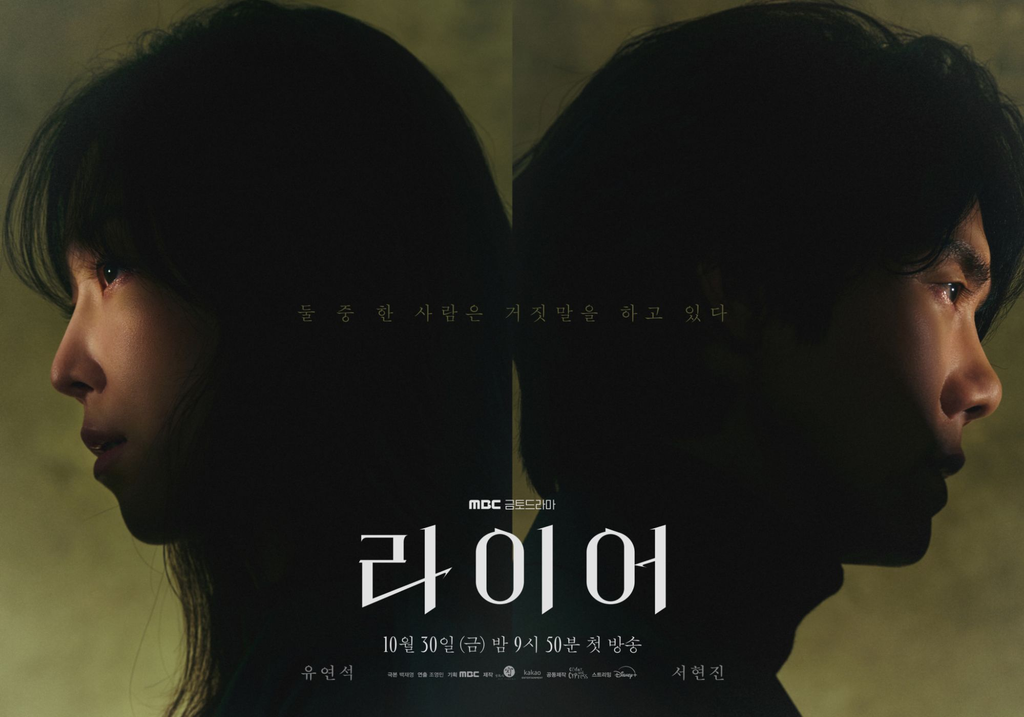
Ending the month with psychological tension is The Perfect Lie.
This mystery thriller follows a surgeon and a dance teacher whose lives become complicated after a perfect first date turns into a psychological battle filled with secrets and deception.
Yoo Yeon Seok and Seo Hyun Jin lead this 12-episode MBC drama.
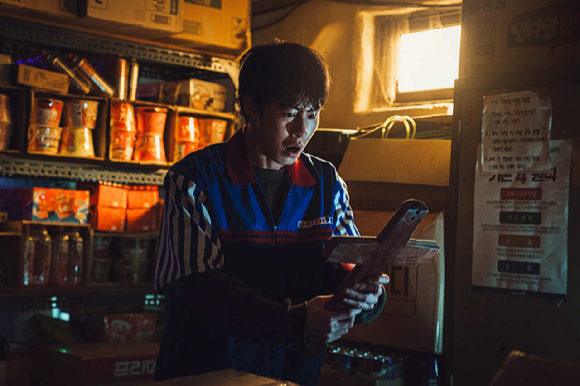
Also premiering on October 30 is Dead-End Job, a horror mystery fantasy series.
The story follows a young man struggling with debt who accepts a high-paying job at a mysterious agency, only to discover terrifying secrets waiting for him.
With Lee Jae Wook, Go Minsi, Kim Minha, and Lee Hee Joon, this Netflix drama brings a darker ending to October’s kdrama lineup.
October 2026 is shaping up to be an exciting month for kdrama fans. From emotional romances and comedy-filled relationships to survival thrillers and supernatural mysteries, the variety of new releases means there is something for every type of viewer.
Whether you are searching for your next weekend binge-watch or looking for a new favorite series, these October 2026 Korean dramas are definitely worth adding to your list.
So prepare your snacks, update your watchlist, and get ready for another month full of unforgettable kdrama stories.
Follow D-Muse to stay current with fashion trends, lifestyle tips, and exciting events. DM us @dmusemagz now to get all the information you need!