

Connects you with your favorite muse
Say goodbye to end-of-summer boredom because September 2026 is delivering one of the most stacked streaming lineups of the year. Whether you are craving cozy BookTok romance adaptations, pulse-pounding London heists, historical Korean intrigue, or hilarious celebrity bromances, major streaming platforms like Netflix, Prime Video, Disney+, Apple TV, and HBO Max have served up something special for every mood.
Grab your favorite blanket, pop some popcorn, and get ready to update your personal watchlist with these seven must-watch premieres!
| Title | Platform & Date | Genre / Vibe | Headline Stars |
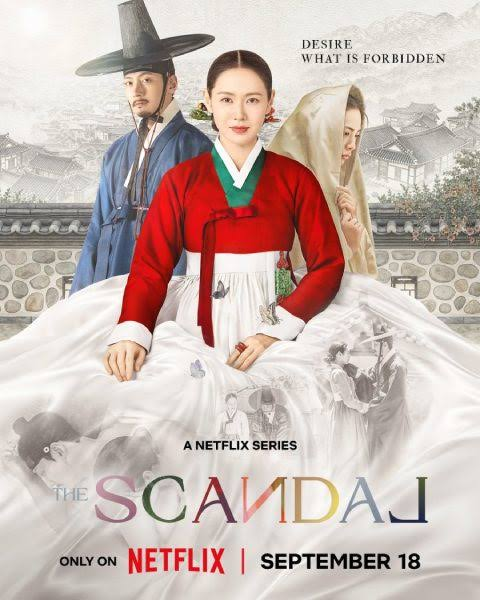
| The Scandal | Netflix (Sept 18) | Joseon Period Romance & Drama | Son Ye-jin, Ji Chang-wook, Nana |
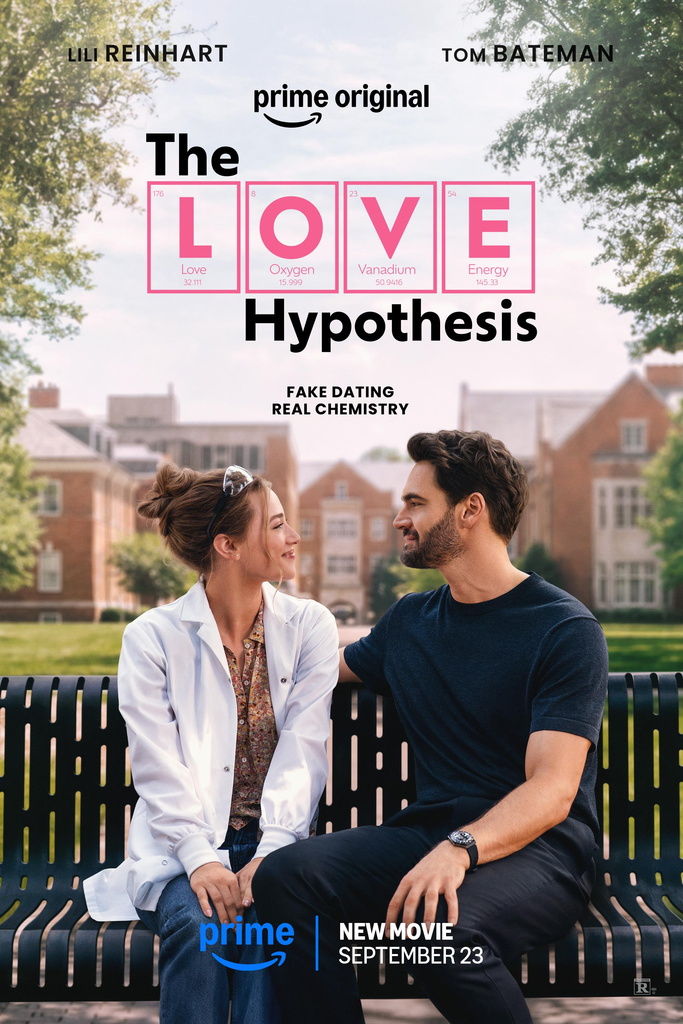
| The Love Hypothesis | Prime Video (Sept 23) | BookTok STEM Rom-Com | Lili Reinhart, Tom Bateman |
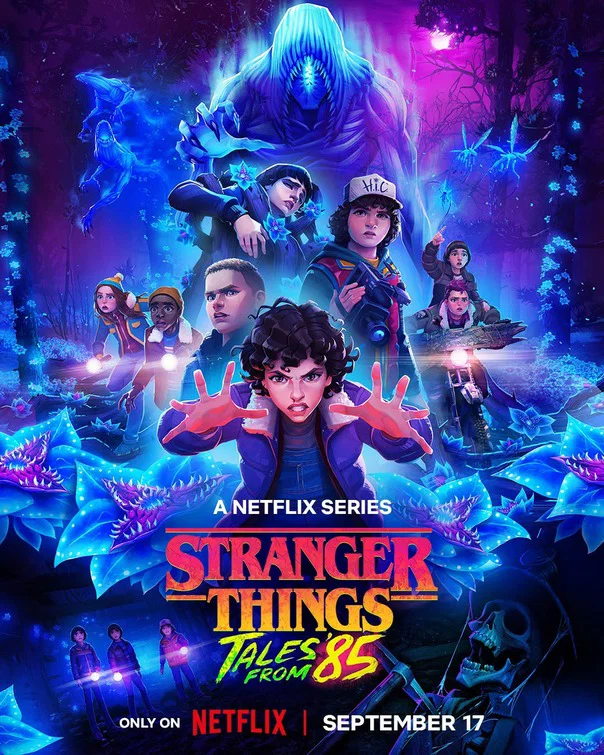
| Stranger Things: Tales from ‘85 (S2) | Netflix (Sept 17) | Animated Paranormal Mystery | Hawkins Investigators Club |
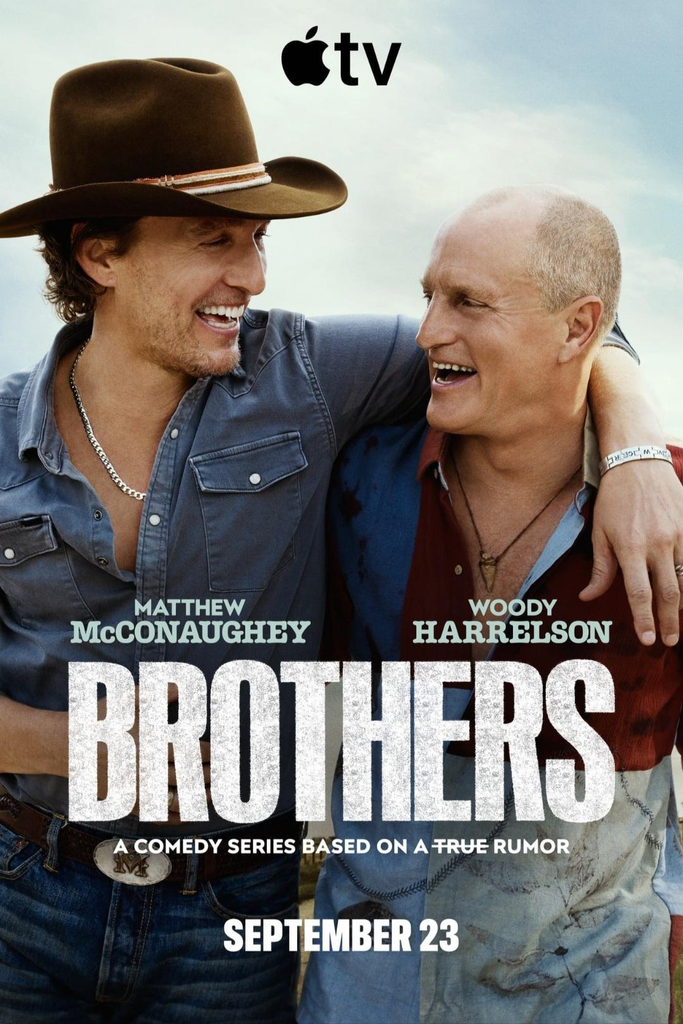
| Brothers | Apple TV (Sept 23) | Texan Comedy & Found Family | Matthew McConaughey, Woody Harrelson |
| Plastic Beauty | Netflix (Sept 17) | Japanese Medical & Aesthetics Drama | Mayu Matsuoka, Riisa Naka |
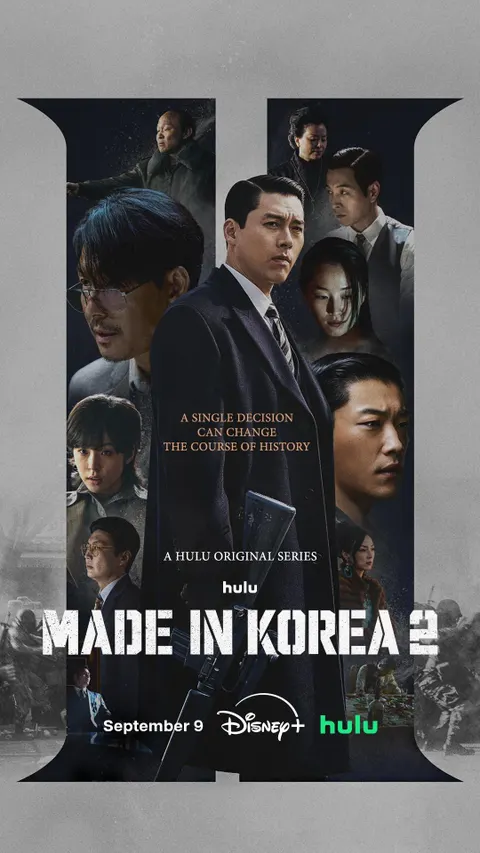
| Made in Korea (Season 2) | Disney+ (Sept 9) | Political Crime Thriller | Hyun Bin, Jung Woo-sung |
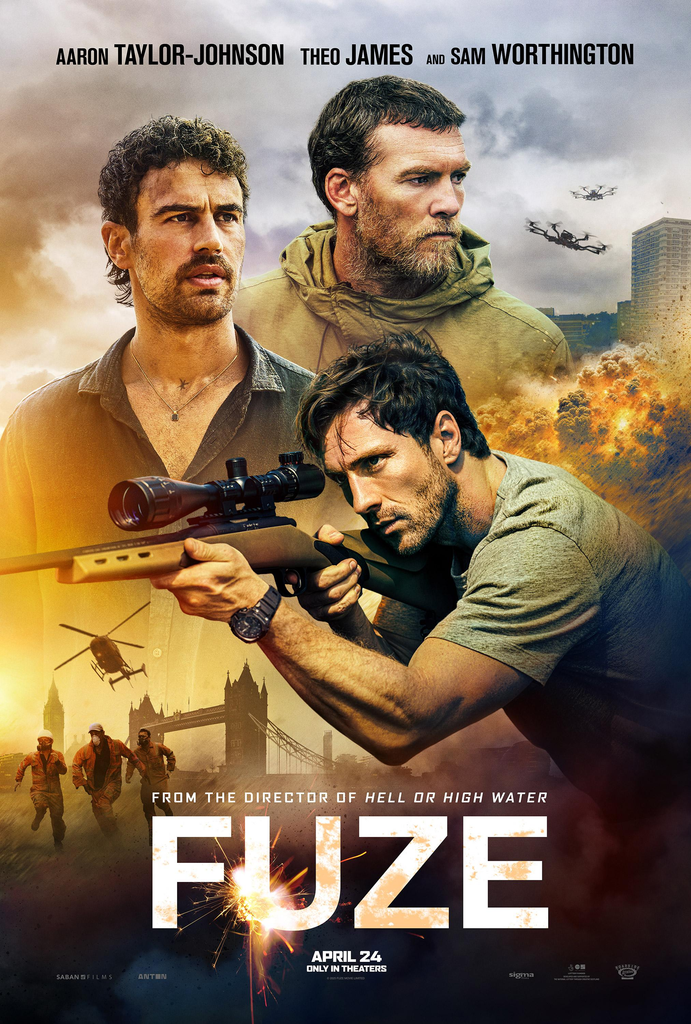
| Fuze | HBO Max | High-Stakes Heist Action Thriller | Aaron Taylor-Johnson, Theo James |
BookTok fans, your patience has officially paid off! The film adaptation of Ali Hazelwood’s bestselling 2021 novel is making its grand debut, bringing academic STEM romance straight to your screen. The story stars Lili Reinhart as Ph.D. candidate Olive Smith, who stages a fake relationship with tenured professor Dr. Adam Carlson (Tom Bateman) to convince her best friend she has moved on. Packed with beloved tropes—from fake dating to the classic golden retriever versus black cat dynamic—this flirty rom-com is an absolute mandatory addition to any romance lover’s watchlist.
If you prefer romance laced with seduction and historical rebellion, The Scandal promises a captivating Joseon-era love triangle. Son Ye-jin stars as Lady Cho, a noblewoman who rebels against societal restrictions by daring notorious playboy Cho Won (Ji Chang-wook) to win her over. The game escalates when innocent young widow Hui-yeon (Nana) becomes caught in their web of desire and deception, leading to an inescapable drama where passion carries dangerous consequences.
The intense rivalry between Baek Gi-Tae and Jang Geon-yeong reaches a fever pitch in Season 2 of Made in Korea. Picking up nine years after his downfall, prosecutor Geon-yeong (Jung Woo-sung) emerges to exact revenge against Gi-Tae (Hyun Bin), who now commands immense influence as Director General of the Korean CIA. Set against a turbulent political backdrop, this high-octane Korean thriller explores how hubris and power tear apart an empire built on greed.
Looking for raw adrenaline? Fuze delivers an explosive race against time set on the streets of central London. When an unexploded World War II bomb is unearthed, bomb disposal expert Aaron Taylor-Johnson rushes to disarm the device while authorities evacuate the area. However, criminal mastermind Theo James uses the panic as cover to pull off an elaborate bank robbery. This gritty action thriller belongs at the top of your watchlist.
Decades of real-life friendship between Hollywood icons Matthew McConaughey and Woody Harrelson serve as the foundation for this Texan comedy. Playing fictionalized versions of themselves, the duo reunites when Woody moves onto Matthew’s Austin ranch. Things take a wild turn when they uncover secrets suggesting they might be biological brothers. Between Woody playing detective and Matthew exploring a political run for governor of Texas, this series is filled with laugh-out-loud warmth and found-family energy.
Medical ethics and societal expectations collide in the Japanese drama Plastic Beauty. Mayu Matsuoka stars as Fumi Numata, a surgeon forced to transition into cosmetic surgery, where she clashes with celebrity aesthetic surgeon Rin Tohyama (Riisa Naka). As Rin exalts beauty as redemption, Fumi questions the commercialization of medicine. Through their patients’ stories, the show uncovers the pressures driving modern aesthetic choices.

Return to Hawkins with Season 2 of Stranger Things: Tales from ‘85. As the Hawkins Investigators Club prepares for Valentine’s Day, strange blue flowers bloom across town alongside ghostly apparitions. To solve the mystery, the gang ventures deep into abandoned silver mines to uncover secrets lurking beneath. It’s the perfect nostalgia-packed animated watch for mystery fans.
With such an extraordinary mix of international dramas, laugh-out-loud comedies, and pulse-pounding action films hitting streaming services this month, your evening entertainment schedule is officially sorted.
Which title are you adding to your streaming watchlist first? Share your top picks on our D-Muse Magz social media feeds, and stay tuned for all the latest movie and TV reviews!
Follow D-Muse to stay current with fashion trends, lifestyle tips, and exciting events. DM us @dmusemagz now to get all the information you need!
Every year, when the full moon reaches its absolute brightest during the eighth month of the Chinese calendar, families and communities gather to celebrate a millennia-old tradition centered around the iconic mooncake. Beyond being a delicious sweet treat enjoyed during the Mid-Autumn Festival, sharing a mooncake carries deep symbolism of reunion, gratitude, and togetherness passed down through generations.
For 2026, Jakarta’s premier five-star hotels and fine-dining venues are elevating this tradition with breathtaking hamper designs, cultural storytelling, and an irresistible mix of classic and contemporary flavors.
At D-Muse Magz, we have rounded up nine exclusive luxury mooncake collections in Jakarta that make the ultimate gift for family, friends, and esteemed colleagues this season!
| Hotel / Venue | Collection Theme | Signature & Highlight Flavors |
| The Langham, Jakarta | Peony Elegance (T’ang Court) | White Lotus, Red Bean Tangerine, Green Tea Rose Raspberry Pecan |
| The Ritz-Carlton Jakarta, Pacific Place | Moonbridge Legacy | Durian Musang King, Gold Corn Salted Egg Custard, Sea Salt Chocolate |
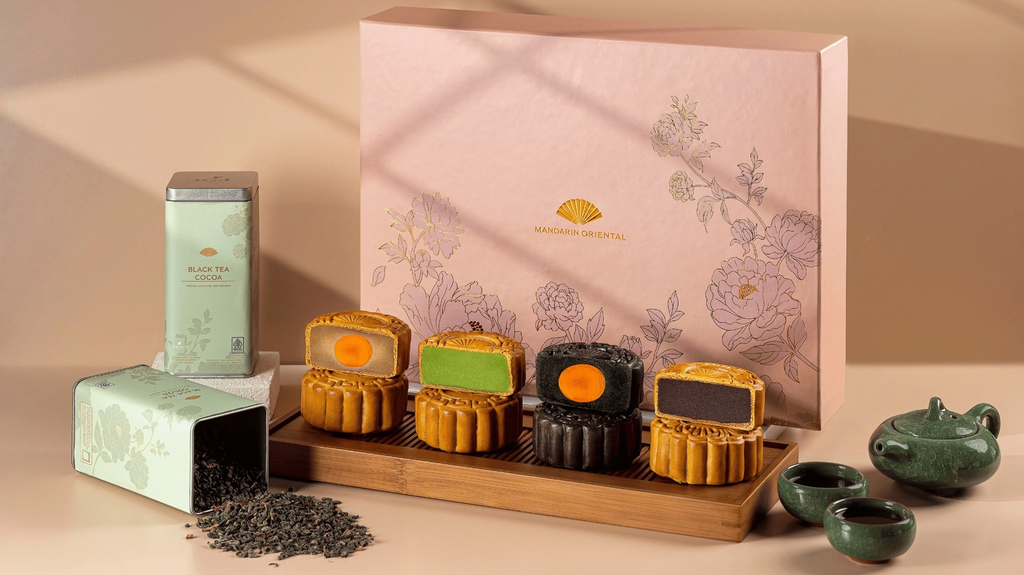
| Mandarin Oriental, Jakarta | Moonlit Blossom (Li Feng x Savis) | Black Sesame Egg Yolk, Pandan Lotus, Savis Black Tea Cocoa Pairing |
| Raffles Jakarta | Hairpin Promise & Reunion | White Lotus Double Yolk, Snowskin Irish Coffee, White Chocolate Champagne |
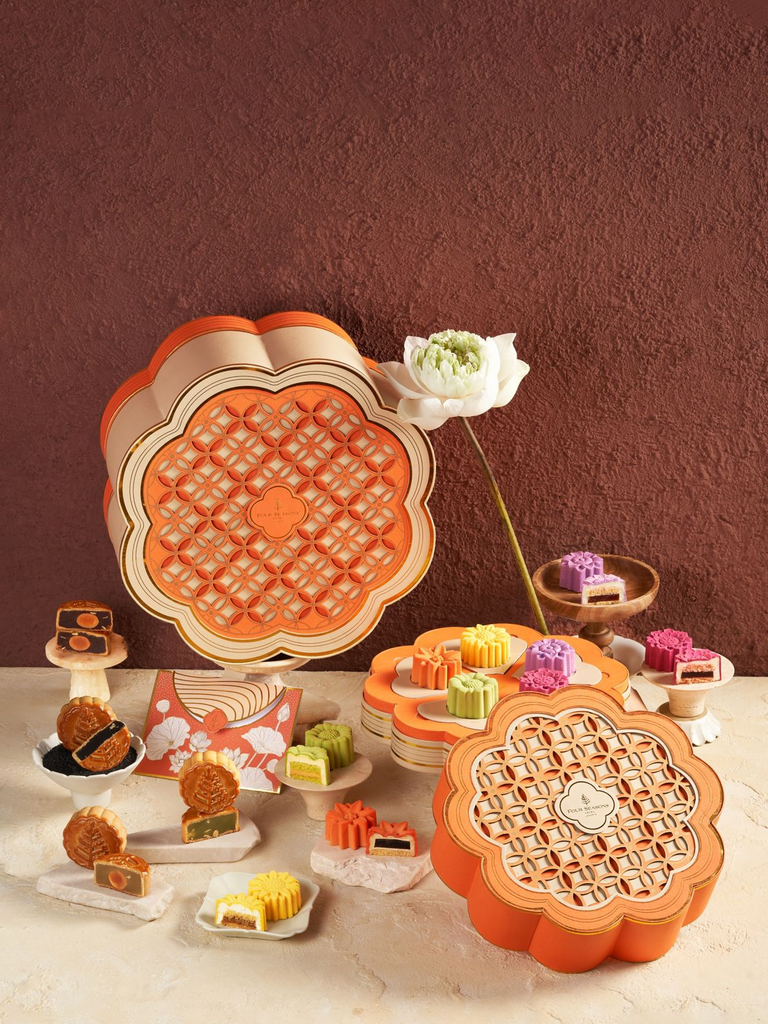
| Four Seasons Hotel Jakarta | Floral Latticework & Fortune Cakes | White Lotus Egg Yolk, Srikaya Banana, Hibiscus Coconut, Teh Tarik |
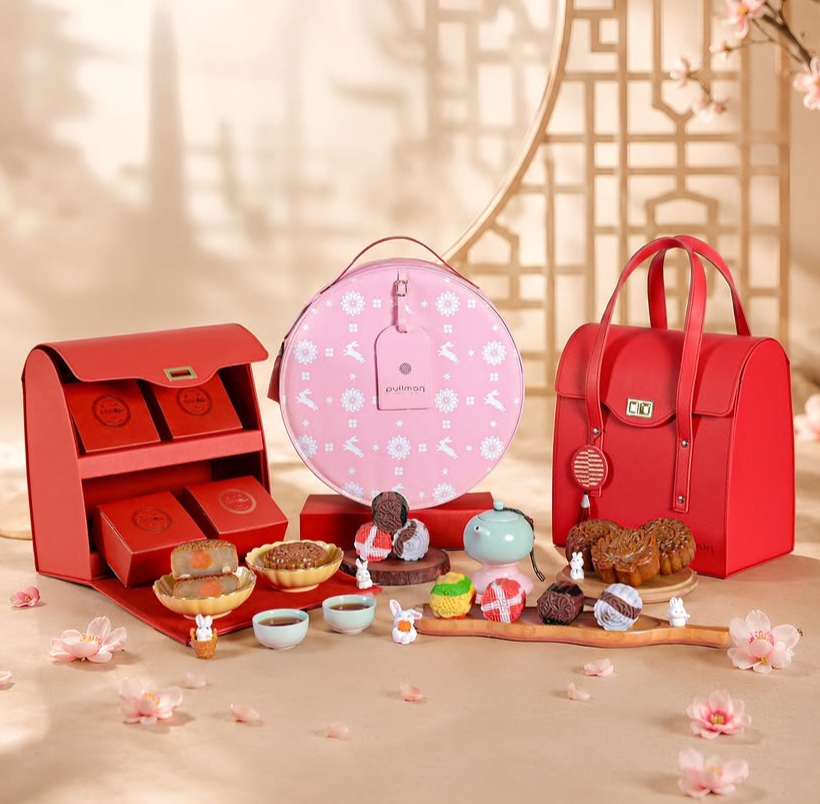
| Pullman Jakarta Indonesia | Blossom Collection (Makaron) | Dubai Chocolate Mooncake (Krakakoa collab), Apple Malang Kalamansi |
| The St. Regis Jakarta | Celestial & Royal Phoenix (Rosé Deli) | Red Bean, Pandan, Black Sesame Single Yolk, White Lotus Single Yolk |
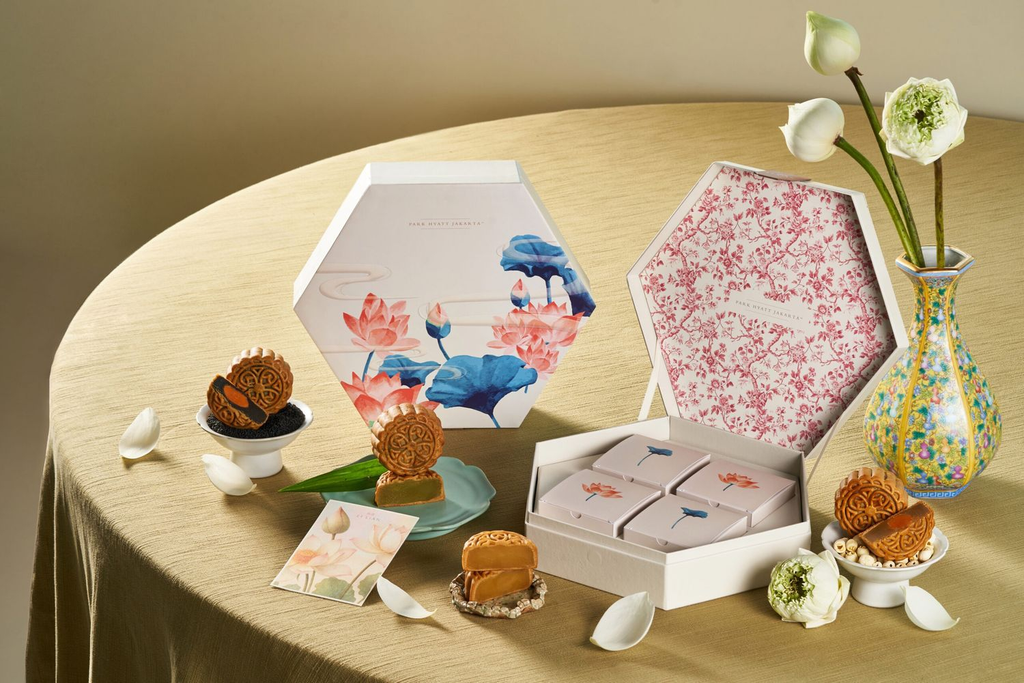
| Park Hyatt Jakarta | Mid-Autumn Harmony (Li Lian) | Black Sesame Single Yolk, Durian, Signature Tea Pecan Cookies |
| Hotel Indonesia Kempinski Jakarta | Moonlight Elegance | Matcha Egg Yolk, Snow Skin Vanilla Choco, Snow Skin Durian |
The mooncake is much more than a seasonal delicacy; it is a canvas for artistic heritage[cite: 1]. For 2026, hotel pastry masterminds have drawn inspiration from traditional bridge architecture, floral symbols of prosperity, and classical Chinese art.
When you gift a mooncake hamper from these hotels, you present a keepsake box designed to decorate living spaces long after the festival concludes.
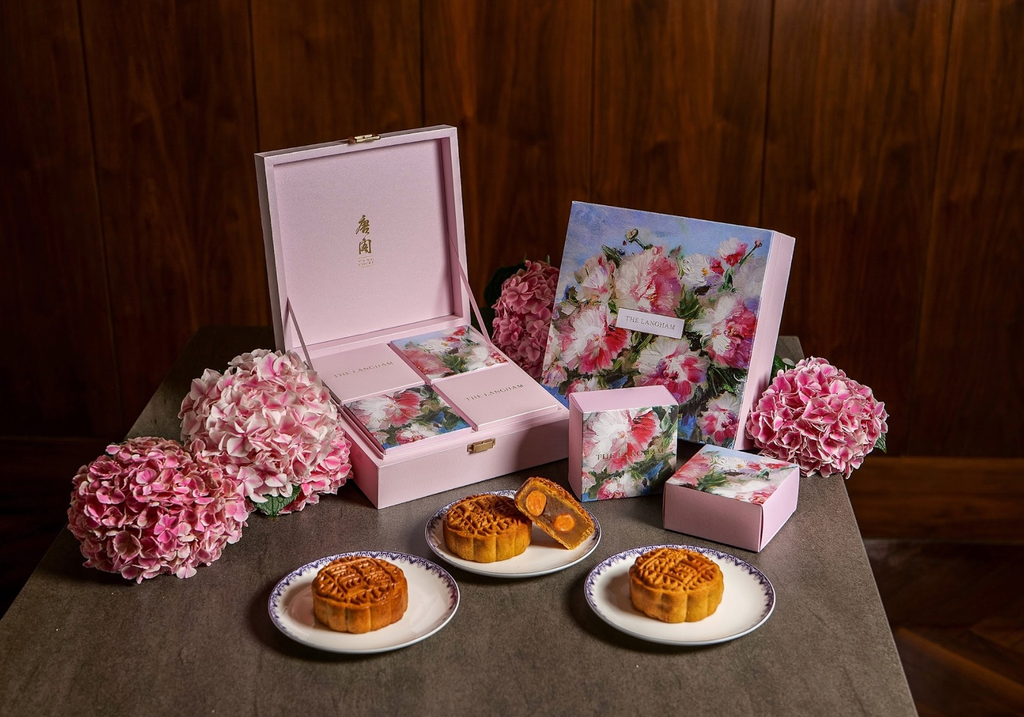
Crafted by T’ang Court Jakarta, The Langham’s 2026 mooncake lineup highlights the peony flower as a symbol of prosperity and elegance. Packaged in signature understated luxury, the collection includes four variants: White Lotus with Single Yolk, White Lotus with Double Yolk, Red Bean Tangerine with Tangerine Filling, and Green Tea with Rose Raspberry Pecan.
Inspired by traditional bridge architecture, the Moonbridge Legacy collection offers four hamper choices: Aura, Amber, Lumina, and Radiance. Flavor highlights feature Durian Musang King, Gold Corn Salted Egg Custard, Sea Salt Chocolate Custard, and Almond Green Tea.

Presented by Li Feng restaurant, the Moonlit Blossom collection celebrates reunion through an exclusive collaboration with local tea house Savis. Baked mooncake options like Black Sesame Egg Yolk, White Lotus Egg Yolk, Red Bean Orange Tangerine, and Pandan Lotus are paired with Savis Black Tea Cocoa.
Inspired by an ancient tale of lovers sharing a hairpin, Raffles presents the Raffles Moonlight Box and Raffles Autumn Box. Traditional options feature Dates with Pecan Nuts and White Lotus Double Yolk, while their Snowskin Collection includes Irish Coffee, Mango Pomelo, Pistachio Chocolate, and White Chocolate Champagne.

Pastry Chef Lorenzo Sollecito packages classic and fortune cakes in vibrant orange latticework boxes. Alongside White Lotus and Pandan, the Fortune Cake Collection offers flower-shaped treats in Srikaya Banana, Hibiscus Coconut, Pineapple Tart, Elderflower Guava, and Teh Tarik.
Makaron Bakeshop delivers a playful interpretation this season. Alongside the traditional Imperial Collection, the Blossom Collection introduces experimental snowskin creations—including the viral Dubai Chocolate Mooncake, created with Indonesian chocolatier Krakakoa.
Curated by Rosé Gourmand Deli, the Celestial Phoenix and The Royal Phoenix hampers showcase classical Chinese art motifs. These elegant boxes feature artisanal fillings like Red Bean, Pandan, Black Sesame Single Yolk, and White Lotus Single Yolk.

Li Lian at Park Hyatt Jakarta introduces Mid-Autumn Harmony, available in Moonlit Harmony and Celestial Harmony sets. Handmade mooncake options include Durian and Black Sesame Single Yolk, paired with Li Lian’s Signature Tea Pecan Cookies.
Curated by Chinese Executive Chef Lai Chong Seng, the Moonlight Elegance collection offers Hou Yi, Chang’e, and Tu Zi hampers. Options feature Matcha Egg Yolk and Pandan alongside modern Snow Skin variants in Vanilla Choco and Durian.

Whether you love classic baked pastries or chilled snowskins, this year’s lineup has something for everyone:
Sharing a mooncake with loved ones remains a timeless gesture of warmth and togetherness. Which luxury hamper will you be gifting this season? Stay tuned to D-Muse Magz for all the latest lifestyle trends and dining guides!
Follow D-Muse to stay current with fashion trends, lifestyle tips, and exciting events. DM us @dmusemagz now to get all the information you need!
May the odds be ever in your favor, District 12! Lionsgate has officially pulled back the curtain on the most anticipated cinematic return of the decade. The Hunger Games: Sunrise on the Reaping is fast approaching its global theatrical debut on November 20, 2026, taking fans back into the brutal arenas of Panem for the legendary 50th Hunger Games—otherwise known as the Second Quarter Quell.
Following the massive success of 2023’s The Ballad of Songbirds and Snakes, this new chapter explores the tragic origin story of a teenage Haymitch Abernathy decades before he became Katniss Everdeen’s cynical mentor.
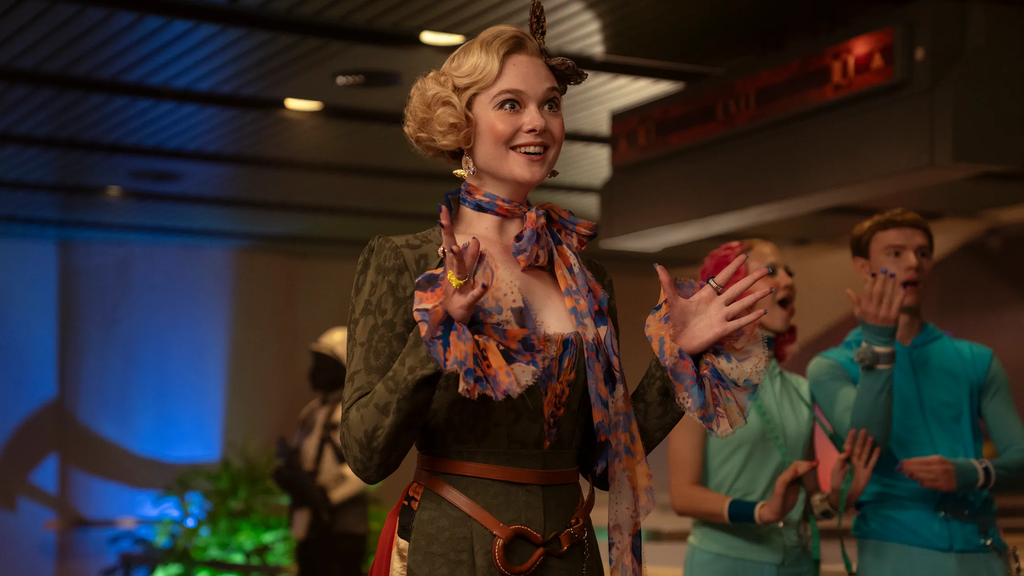
At D-Muse Magz, we have compiled every update, trailer breakdown, set detail, and star-studded cast announcement into your ultimate survival guide for The Hunger Games: Sunrise on the Reaping!
| Category / Detail | Official Production & Film Specifications |
| Movie Title | The Hunger Games: Sunrise on the Reaping |
| Author & Source | Suzanne Collins (Novel Published June 2024) |
| Global Release Date | November 20, 2026 (Theaters Worldwide) |
| Central Focus | 50th Hunger Games / Second Quarter Quell (Young Haymitch) |
| Director | Francis Lawrence (Catching Fire, Mockingjay, Ballad of Songbirds and Snakes) |
| Producers | Nina Jacobson & Brad Simpson (Color Force / Lionsgate) |
| Filming Locations | Somiedo (Northern Spain) and Berlin (Germany) |
| Key Lead Stars | Joseph Zada (Haymitch), Whitney Peak (Lenore Dove Baird), Elle Fanning (Effie) |
Set 24 years before the original Hunger Games trilogy, Sunrise on the Reaping opens on the morning of the 50th annual games. In honor of the Second Quarter Quell, the Capitol declares a cruel twist: twice as many tributes will be reaped from the districts, forcing 48 children into a single deadly arena.
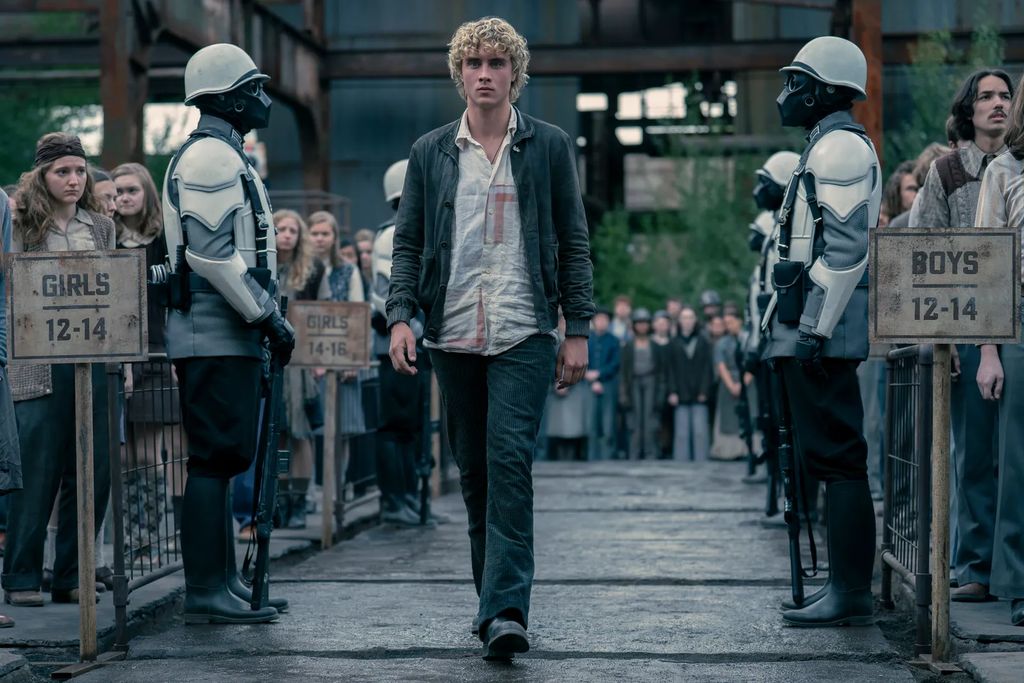
In District 12, sixteen-year-old Haymitch Abernathy is simply trying to survive the day alongside his love, Lenore Dove Baird. But when his name is called at the reaping, Haymitch is ripped from his family and thrust into the Capitol’s political arena.
Author Suzanne Collins revealed that the novel was inspired by philosopher David Hume’s ideas regarding propaganda:
“The story lent itself to a deeper dive into the use of propaganda and the power of those who control the narrative. The question ‘Real or not real?’ seems more pressing to me every day.”
Lionsgate assembled an extraordinary mix of rising international talent and Oscar-nominated Hollywood royalty to bring Panem’s history to life:
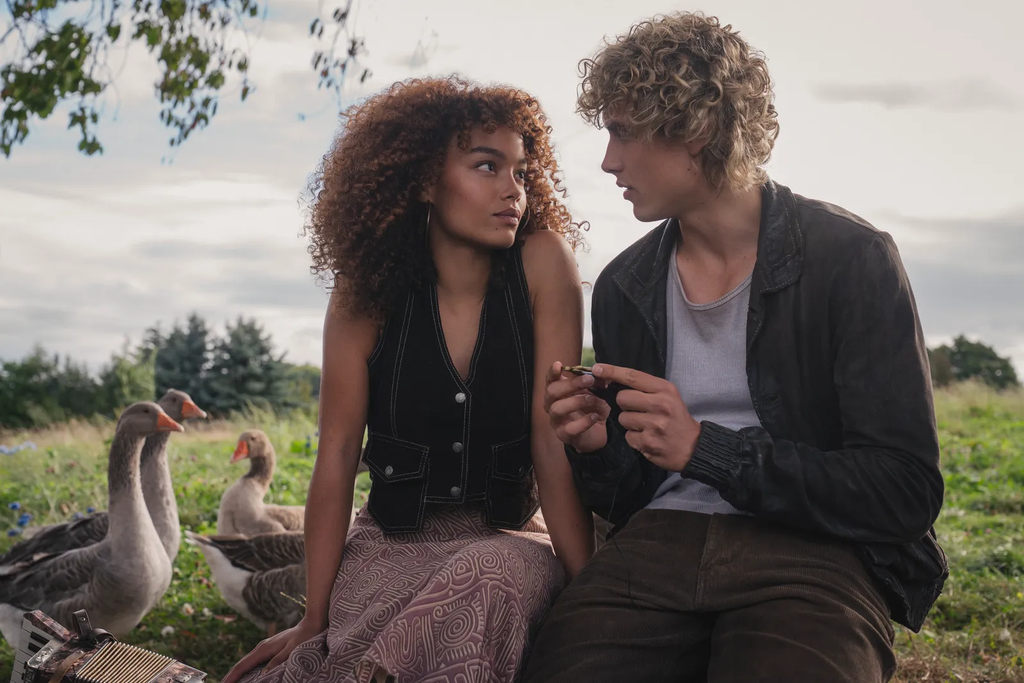
Production for The Hunger Games: Sunrise on the Reaping officially kicked off in July 2025, with outdoor arena scenes filmed across the mountains of Somiedo in northern Spain before moving to soundstages in Berlin, Germany
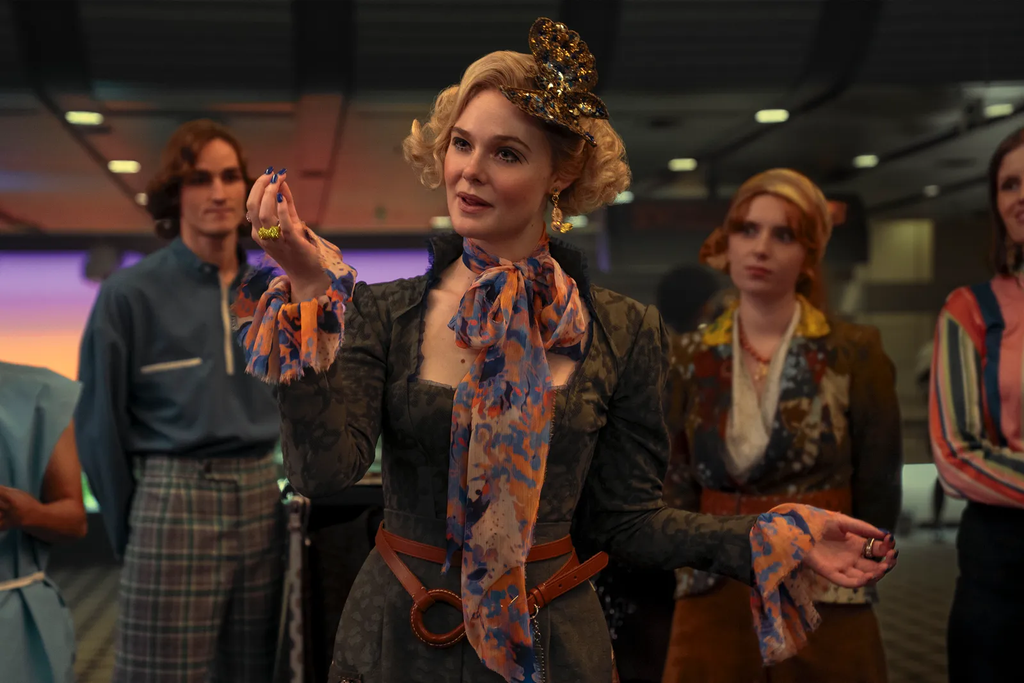
Lionsgate treated fans to two dramatic trailers ahead of the premiere. The second trailer, released on September 16, 2026, opens with an ominous callback from Woody Harrelson’s original Haymitch:
“Nobody ever wins the games, period. There are survivors, there’s no winners.”
From glimpses of Ralph Fiennes threatening Haymitch in the Capitol to explosive action inside the Quarter Quell arena, the footage promises a cinematic masterpiece filled with tension and heartbreak.
For long-time fans, this prequel isn’t just another action movie—it is the missing piece that explains how the Hunger Games universe collapsed into revolution. By exploring the origins of the mockingjay pin and the psychological scars that shaped Haymitch Abernathy, director Francis Lawrence delivers an essential addition to movie history.
Mark your calendars for November 20, 2026, grab your popcorn, and prepare to return to Panem!
Stay tuned to D-Muse Magz for full movie reviews, premiere red-carpet coverage, and exc
Follow D-Muse to stay current with fashion trends, lifestyle tips, and exciting events. DM us @dmusemagz now to get all the information you need!
As the whirlwind of NYFW Spring/Summer 2027 draws to a close, the most unfiltered fashion commentary didn’t come from front-row critiques—it happened right outside the show venues. Photographers and style insiders hit the streets of Manhattan to capture the boldest fits while asking attendees for their honest, hilarious, and deeply relatable hot takes on the state of modern fashion.
| Topic / Debate | What NYFW Attendees Are Really Saying |
| Maison Margiela Tabis | “Hoof shoes hurt my feelings” — officially declared over by street style purists |
| Afterparty Vibe Check | Too much “aura farming” and standing around; desperately need more dancing |
| Influencer Overload | Too many tripods on corners; invites should go to loyal customers over creators |
| City-Wide Venues | Loving theatrical urban stages (Moncler, KidSuper, Thom Browne) outside Lower Manhattan |
| Bedazzling & Glitz | Fiercely divided between “Not enough bedazzle” and “Too much bedazzle” |
If there is one shoe that has divided fashion crowds over the past few seasons, it is the infamous split-toe Tabi boot. But according to street style watchers at this season’s NYFW, the iconic “hoof shoe” might finally be reaching its expiration date.
Brooke (30) declared flatly that “Tabis should have been kept in the past,” while Hope (25) chimed in with equal sass, stating, “Hoof shoes hurt my feelings.” While split-toe enthusiasts still champion the silhouette for its avant-garde history, the consensus outside the shows suggests that attendees are craving fresh, less predictable footwear trends.
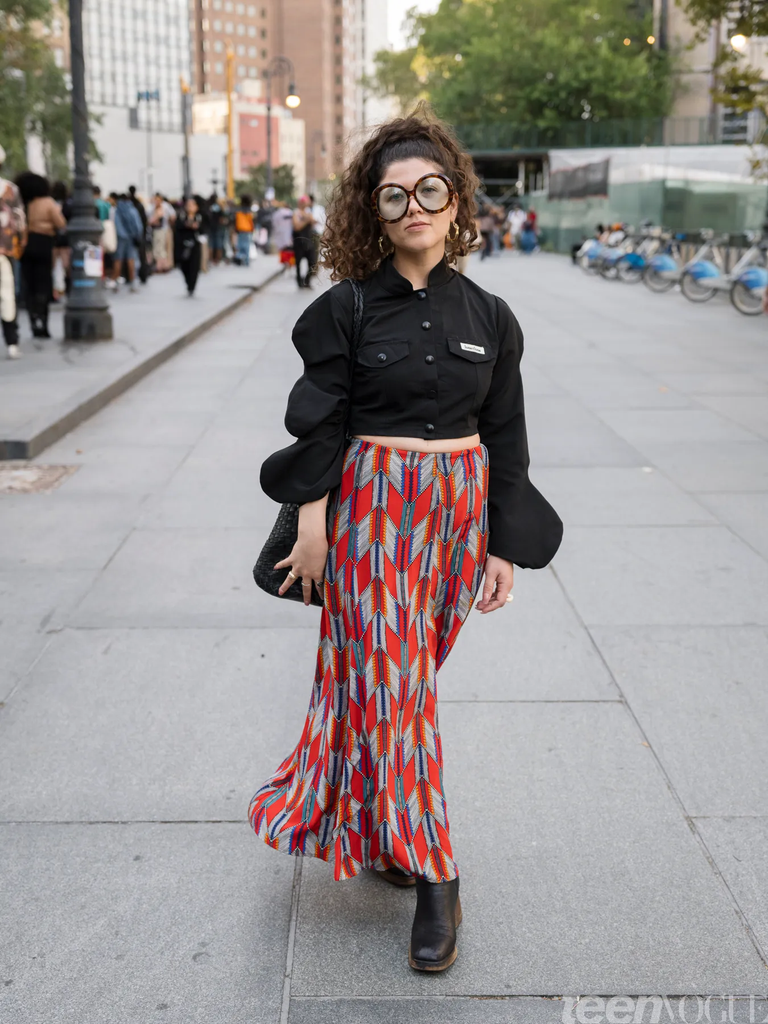
Meanwhile, a quiet war over embellishments broke out across Manhattan streets:
What happened to actually letting loose at fashion week parties? Multiple attendees voiced major frustration with the current state of NYFW after-parties, pointing out that guest lists have become far too reliant on social media clout rather than genuine nightlife energy.
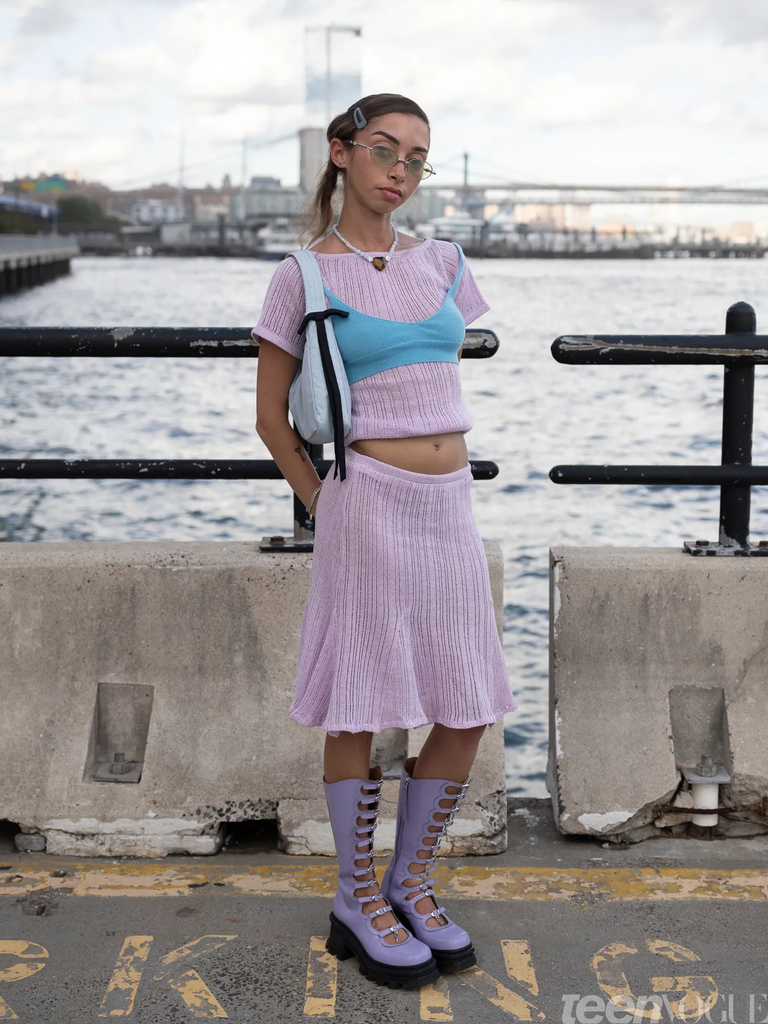
Kayla (27) delivered what might be the viral quote of the season:
“We need more dancing at afterparties! Why are we standing around aura farming?! I love to get the dance floor going.”
Julia (23) and Milei (24) echoed the sentiment, noting that when guest lists are packed exclusively with influencers focused on curated content, nobody actually dances. Jasmine (22) added a simple plea for future seasons: “Less gatekeeping!!”
The message from fashion lovers is crystal clear: after-parties should be about celebrating community and dancing until dawn, not posing awkwardly in corners for photo ops.
While runway collections inside the tents delivered plenty of spectacle, attendees praised brands that used the architecture of New York itself as their canvas. Creative presentations from Moncler, Michael Kors, KidSuper, and Thom Browne received major props for turning urban neighborhood streets into living theater.
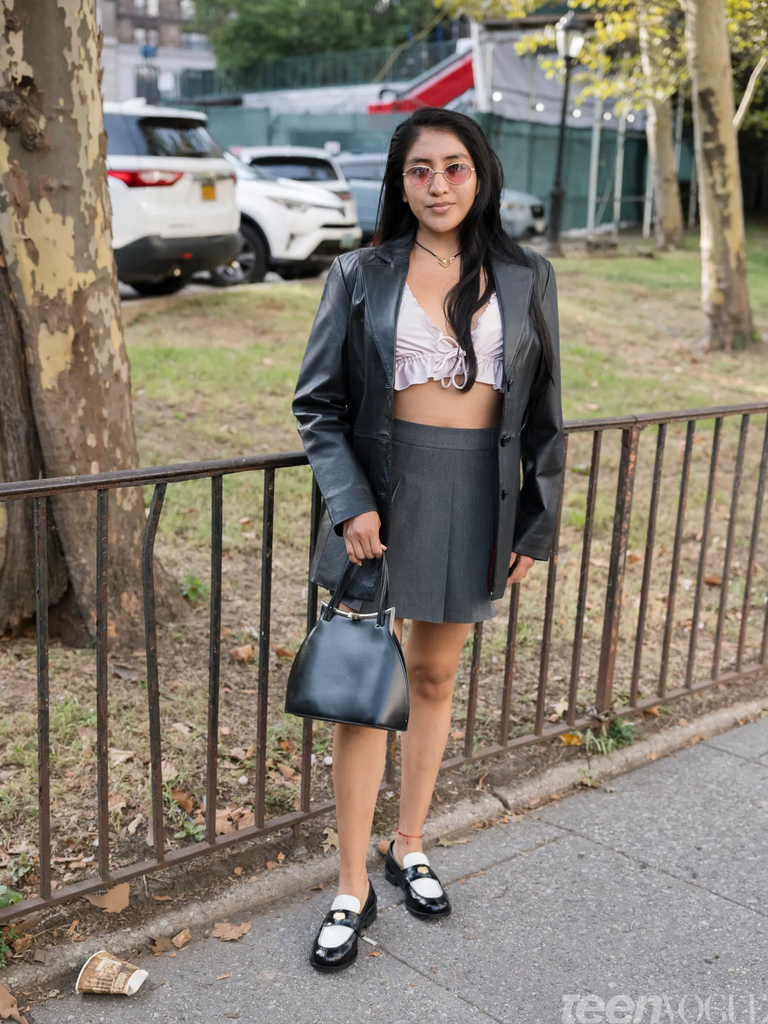
Kimberly (23) noted how fun it is when designers use the whole city as their stage, while Keziah (21) argued that NYFW needs to expand beyond its traditional Lower Manhattan footprint to showcase broader borough culture.
However, attendees were quick to point out the downside of hyper-digital coverage:
Beyond the trends and critiques, the ultimate takeaway from NYFW street style was a celebration of raw authenticity. Attendees highlighted that real style comes from personal identity rather than copying viral internet aesthetics.
Oliver (18) called out head-to-toe neon activewear looks, while Ricky (18) noted, “A lot of people faking creativity. Inspiration is fine, mimicking is lame.”
Pilar (18) addressed fashion snobbery, reminding everyone that toxic judgment around outfits needs to end. Meanwhile, Robyn (25) and Ravyn (25) celebrated the power of regional creative communities, specifically shouting out how young designers from Detroit move as a unified, authentic force when storming New York.
As Daisy (28) perfectly put it: “Everyone needs to stop being so serious, life is too short to not have fun!”
At D-Muse Magz, we couldn’t agree more. Whether you are ditching your Tabis, bringing back the dance floor, or simply dressing for pure personal joy, NYFW proves that the truest runway will always be the sidewalk under your feet.
What was your favorite street style hot take this season? Let us know on our socials!
Follow D-Muse to stay current with fashion trends, lifestyle tips, and exciting events. DM us @dmusemagz now to get all the information you need!
When Apple unveiled its long-awaited first foldable device at the September 2026 “Surprise and Shine” event, tech journalists expected high-resolution camera demos and sleek hands-on impressions. Instead, YouTube superstar iShowSpeed stole the entire global spotlight by landing a full backflip while clutching the brand-new $1,999 iPhone Duo right next to Apple CEO John Ternus.
| Detail Category | Official Event & Device Specifications |
| Featured Personality | iShowSpeed (Darren Watkins Jr.) |
| Product Name | iPhone Duo (Apple’s First Foldable Smartphone) |
| Starting Price | $1,999 (256GB) up to $3,199 (2TB) |
| Display Sizes | 7.6-inch interior main screen / 5.4-inch exterior cover display |
| Key Hardware Specs | A20 Pro Chip, Apple Pencil support, ultra-thin passport fold design |
| Pre-Order & Release Date | Pre-orders open October 16, 2026 / In stores October 23, 2026 |
| Viral Stunt Milestone | First person in history to backflip holding an unfolded iPhone Duo |
Apple product launches are usually meticulous, rehearsed affairs where journalists handle delicate prototypes with pristine white-glove caution. Leave it to iShowSpeed to turn Apple’s most significant hardware reveal in a decade into pure, unscripted internet gold.
Standing in a brightly lit press room surrounded by media cameras and tech creators, iShowSpeed was handed the unfolded 7.6-inch screen of the iPhone Duo directly alongside Apple CEO John Ternus. Rather than casually swiping through the home screen or testing the camera, the 21-year-old streamer turned to his camera and declared:
“Chat, we gotta make history right now. I gotta be the first person to do a backflip holding an iPhone Duo!”
Before anyone in corporate security could react, iShowSpeed launched himself backward, executing a clean backflip in midair while keeping a firm, secure grip on the $1,999 foldable. He landed cleanly on both feet, holding the pristine, undamaged device high in the air as onlookers erupted into applause. Turning to a stunned John Ternus, the streamer casually asked, “All right, John. Do you want your phone back?”
While iShowSpeed’s acrobatic stress-test proved the phone can survive a dramatic aerial flip, Apple’s first foray into the foldable smartphone market carries plenty of high-end hardware innovation beneath the surface.
Ditching traditional vertical flip designs, the iPhone Duo adopts a passport-style book fold reminiscent of Samsung’s Galaxy Z Fold line, while remaining the thinnest iPhone chassis Apple has ever constructed.
For years, early hands-on access at Apple Keynotes was strictly reserved for traditional tech reviewers, legacy magazine editors, and industry analysts. Seeing iShowSpeed receive direct, front-row hands-on access alongside the Chief Executive marks a major shift in how tech titans approach modern marketing.
Having crossed 50 million YouTube subscribers in early 2026 and earned a spot on TIME’s 100 Most Influential People in Sports list, iShowSpeed brings unmatched engagement from Gen Z and Gen Alpha audiences. By handing the iPhone Duo to a high-energy creator known for unpredictable real-life streams, Apple instantly captured the attention of millions of younger buyers who don’t watch two-hour keynote presentations.
The resulting 39-second clip racked up over 10 million views across X, TikTok, and YouTube within hours, transforming a routine product demonstration into the most talked-about viral video of the week.
While the viral backflip proved the device can handle high-flying energy, the elephant in the room remains the eye-watering price tag. Starting at $1,999 for the base 256GB model and climbing all the way to $3,199 for the top-tier 2TB storage edition, the iPhone Duo is officially Apple’s most expensive consumer phone to date.
Across social media platforms, the internet quickly reacted to the price tag with endless memes. While tech enthusiasts are praising the seamless software multitasking and ultra-thin engineering, everyday buyers are debating whether the luxury foldable form factor justifies double the price of a standard iPhone 18 Pro.
With pre-orders officially opening on October 16, 2026, and store availability kicking off on October 23, buyers have a few weeks to decide whether to upgrade.
At D-Muse Magz, we have to hand it to iShowSpeed for delivering the most entertaining tech review of the year. Whether you plan on saving up for the $1,999 foldable or sticking to your trusty flat screen, one thing is certain: Apple’s new era of foldables started with an unforgettable bang.
Are you planning to pick up the new iPhone Duo when pre-orders drop next month? Let us know your thoughts on our social feeds!
Follow D-Muse to stay current with fashion trends, lifestyle tips, and exciting events. DM us @dmusemagz now to get all the information you need!
Gamers, fantasy lovers, and moviegoers, assemble! Nintendo and Sony Pictures are officially bringing one of the most celebrated video game franchises in history to life, as The Legend of Zelda prepares for its live-action cinematic premiere on April 30, 2027.
| Detail Category | Official Film Information |
| Official Title | The Legend of Zelda |
| Global Release Date | April 30, 2027 (Moved up from May 7, 2027) |
| Production Status | Principal photography officially wrapped (April 2026) |
| Production Studios | Nintendo Studios & Sony Pictures |
| Producer & Game Creator | Shigeru Miyamoto |
| Lead Cast | Benjamin Evan Ainsworth (Link) & Bo Bragason (Princess Zelda) |
| Main Antagonist | Uli Latukefu (Ganondorf) |
| First-Look Reveal | November 2025 Official Costume Stills |
Finding the perfect actors to embody silent sword-masters and royal hylian priestesses is no small task, but Nintendo and Sony Pictures assembled an incredible lineup of rising talent and established Hollywood veterans.
宮本です。「ゼルダの伝説」の実写映画は、ゼルダ役をBo Bragasonさん、リンク役をBenjamin Evan Ainsworthさんに演じていただくことになりました。おふたりの出演が今から楽しみです。「ゼルダの伝説」実写映画は2027年5⽉7⽇に劇場公開予定です。もうしばらくお待ちください。 pic.twitter.com/jctWHvvYgi
— 任天堂株式会社 (@Nintendo) July 16, 2025
In July 2025, legendary video game designer and producer Shigeru Miyamoto personally broke the internet by announcing the main leads for The Legend of Zelda on X (formerly Twitter). British actor Benjamin Evan Ainsworth has been tapped to wield the Master Sword as Link, while rising star Bo Bragason steps into the royal robes of Princess Zelda. Miyamoto expressed his personal excitement over the casting, noting how eager he was to see both young performers bring the iconic characters to life on the big screen.
The villainous side of Hyrule is equally stacked with talent. In August 2026, reports confirmed that Uli Latukefu will portray Ganondorf—the formidable warlock king driven by a ruthless desire to dominate Hyrule and seize control of the realm.
The supporting cast brings major prestige and depth to the fantasy adaptation:
Stepping into roles backed by decades of gaming lore brings immense pressure, but both lead actors have expressed profound enthusiasm for the journey.
In a July 2026 interview with Decider, Benjamin Evan Ainsworth laughed about the cosmic coincidence of playing Link in The Legend of Zelda while simultaneously starring as Daeron Targaryen in HBO’s House of the Dragon. Highlighting the funny parallels, Ainsworth pointed out how surreal it felt to portray two major characters who both wear green tunics and wield swords. Ainsworth emphasized the grand scale of the production, praising the sets for balancing massive cinematic sweep with fine detail, while noting that the welcoming energy from fans helped turn a daunting responsibility into an unforgettable experience.
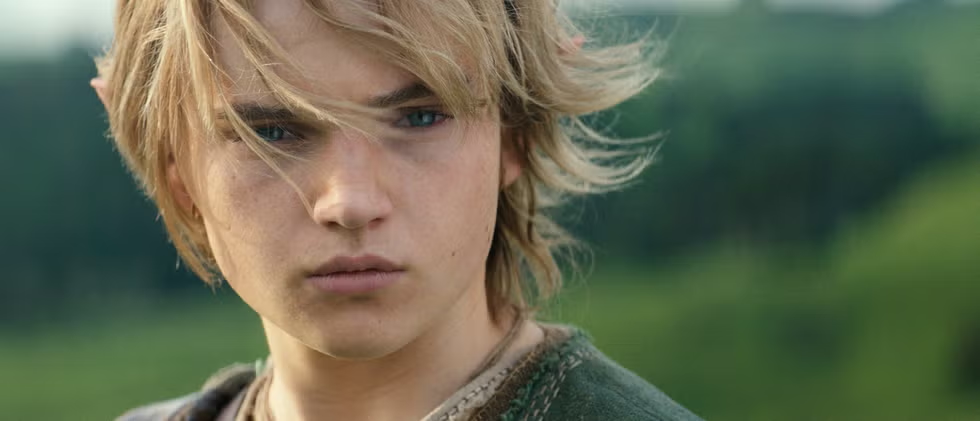
Meanwhile, Bo Bragason spoke with Teen Vogue in August 2026 about stepping into Princess Zelda’s world, describing it as an adventurous dive into uncharted territory. Comparing Zelda to her character Oona in Sterling Point, Bragason noted that while the two roles are polar opposites, she always infuses a piece of her own authentic spirit into every character she embodies.
Fans worried about endless production delays can breathe a sigh of relief. The Hollywood Reporter confirmed that The Legend of Zelda officially wrapped principal photography in April 2026 after months of filming on location and in specialized soundstages.
Even better news for gamers: the film is arriving earlier than originally planned! In May 2026, Shigeru Miyamoto posted an official update informing fans that Nintendo and Sony Pictures decided to move the global theatrical premiere date up by a week—shifting from May 7 to April 30, 2027. Miyamoto assured the public that the production team is working tirelessly through post-production to deliver a breathtaking cinematic experience that respects the rich history of the franchise.
While specific plot points remain locked inside Nintendo’s high-security vaults, official first-look teaser images released in November 2025 offered fans their first glimpse into the live-action aesthetic of Hyrule. The stunning stills showed Bragason and Ainsworth fully transformed in their Zelda and Link costumes, walking through sweeping, ancient landscapes that evoke the open-world splendor of Breath of the Wild.
The core narrative is expected to honor the classic heroic mythos: a courageous young warrior named Link embarking on a perilous quest across Hyrule, solving ancient trials, battling dark forces, and protecting Princess Zelda from Ganondorf’s sinister ambitions.
With practical sets, cutting-edge visual effects, and direct creative oversight from Miyamoto himself, The Legend of Zelda is shaping up to be a historic moment for video game adaptations. As the countdown to April 30, 2027 continues, keep your Deku Shields raised and your eyes locked on D-Muse Magz for every new trailer drop, soundtrack reveal, and behind-the-scenes secret!
Follow D-Muse to stay current with fashion trends, lifestyle tips, and exciting events. DM us @dmusemagz now to get all the information you need!
Indonesian cinema is officially stepping onto the global stage in a massive way, with the upcoming local adaptation of Descendants of the Sun set to secure a historic release in South Korea. Directed by visionary filmmaker Hanung Bramantyo and starring powerhouse screen icons Reza Rahadian and Dian Sastrowardoyo, this high-stakes project promises to reimagine the legendary 2016 K-drama through a rich, authentic Indonesian cultural lens.
Bringing a beloved megahit like Descendants of the Sun to life requires serious creative muscle, and the production team has assembled absolute royalty from the Indonesian film industry. Helming the project is acclaimed director Hanung Bramantyo, celebrated for his ability to weave high-stakes human drama, historical scale, and deep emotional resonance into box-office triumphs.
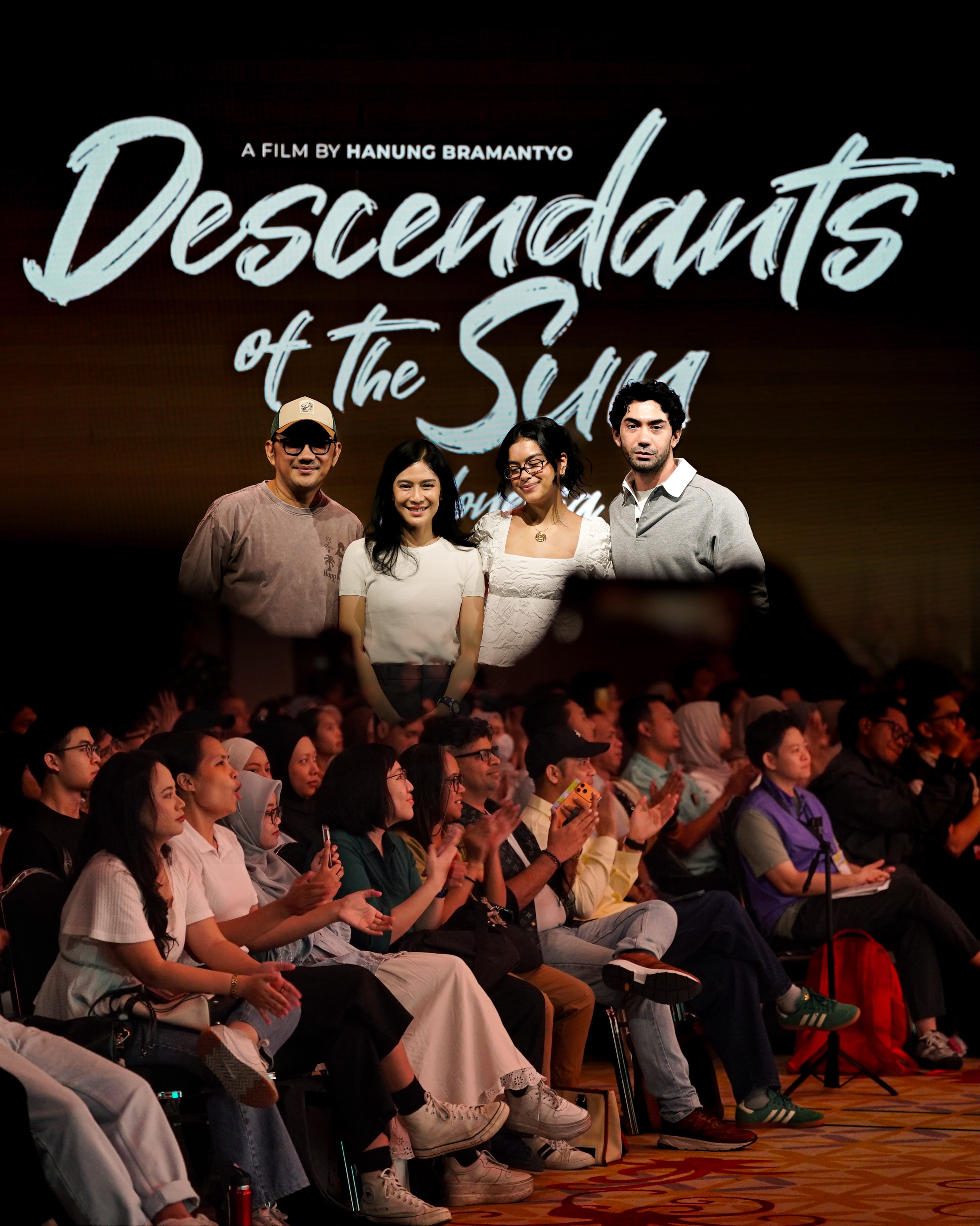
Stepping into the iconic lead roles are Reza Rahadian and Dian Sastrowardoyo—two of the most decorated and respected actors in Southeast Asian cinema. Having previously captured audiences across global streaming platforms in critically acclaimed projects, their combined screen chemistry and dramatic range bring instant prestige to the military-medical romance. Rather than attempting a superficial imitation of the original characters, both lead actors are diving deep into localized character arcs that reflect the unique pressures, ethics, and emotional realities of Indonesian service personnel and healthcare professionals.
One of the most exciting aspects of this new iteration of Descendants of the Sun is its commitment to cultural authenticity. Rather than delivering a frame-by-frame carbon copy of the original Korean storyline, the production team is carefully adapting the narrative to align with Indonesian societal values, military structures, and localized humanitarian contexts.
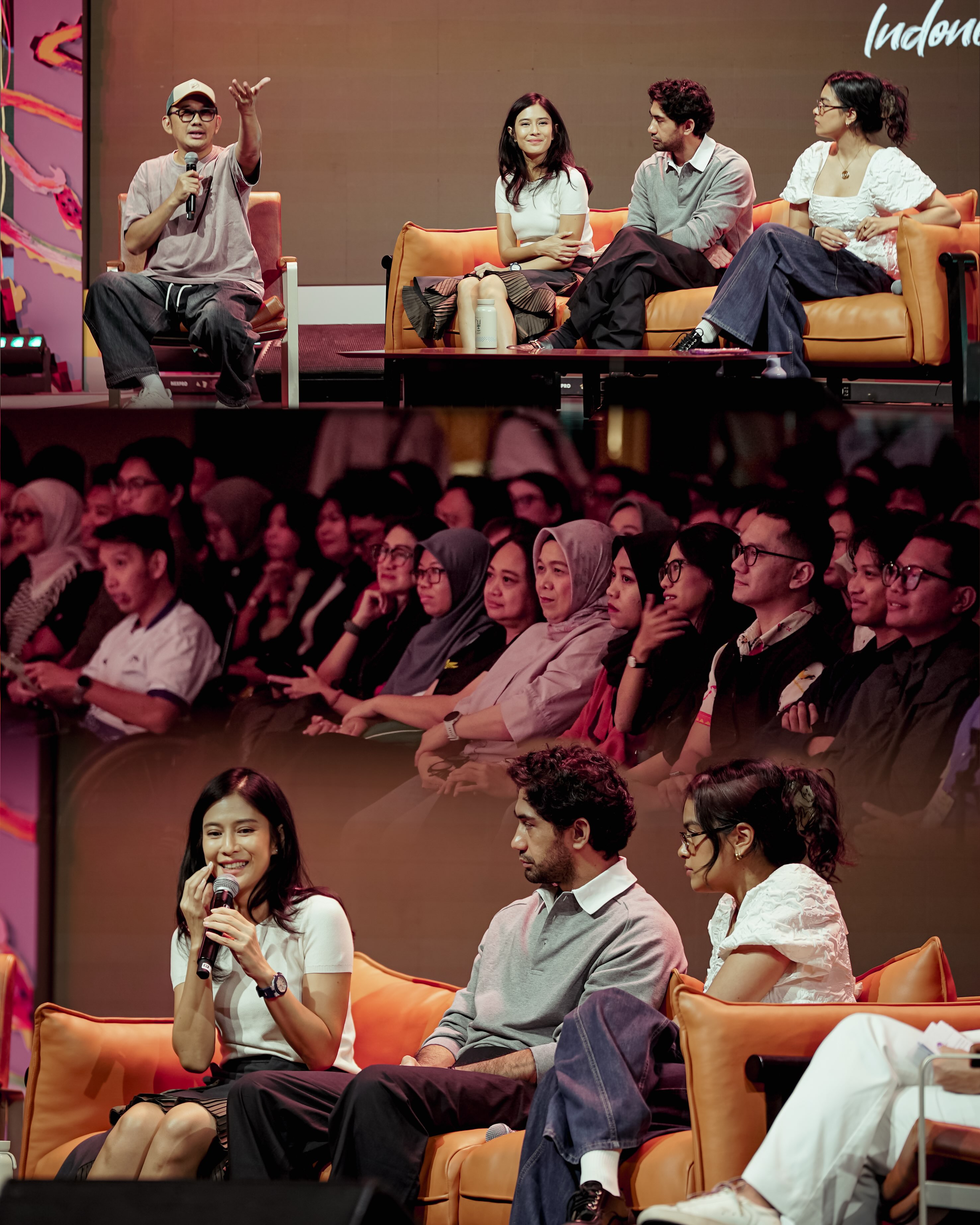
In a groundbreaking move for cross-border television production, Next Entertainment World (NEW)—the legendary South Korean entertainment company behind the original 2016 Descendants of the Sun—is directly involved in co-developing the Indonesian remake.
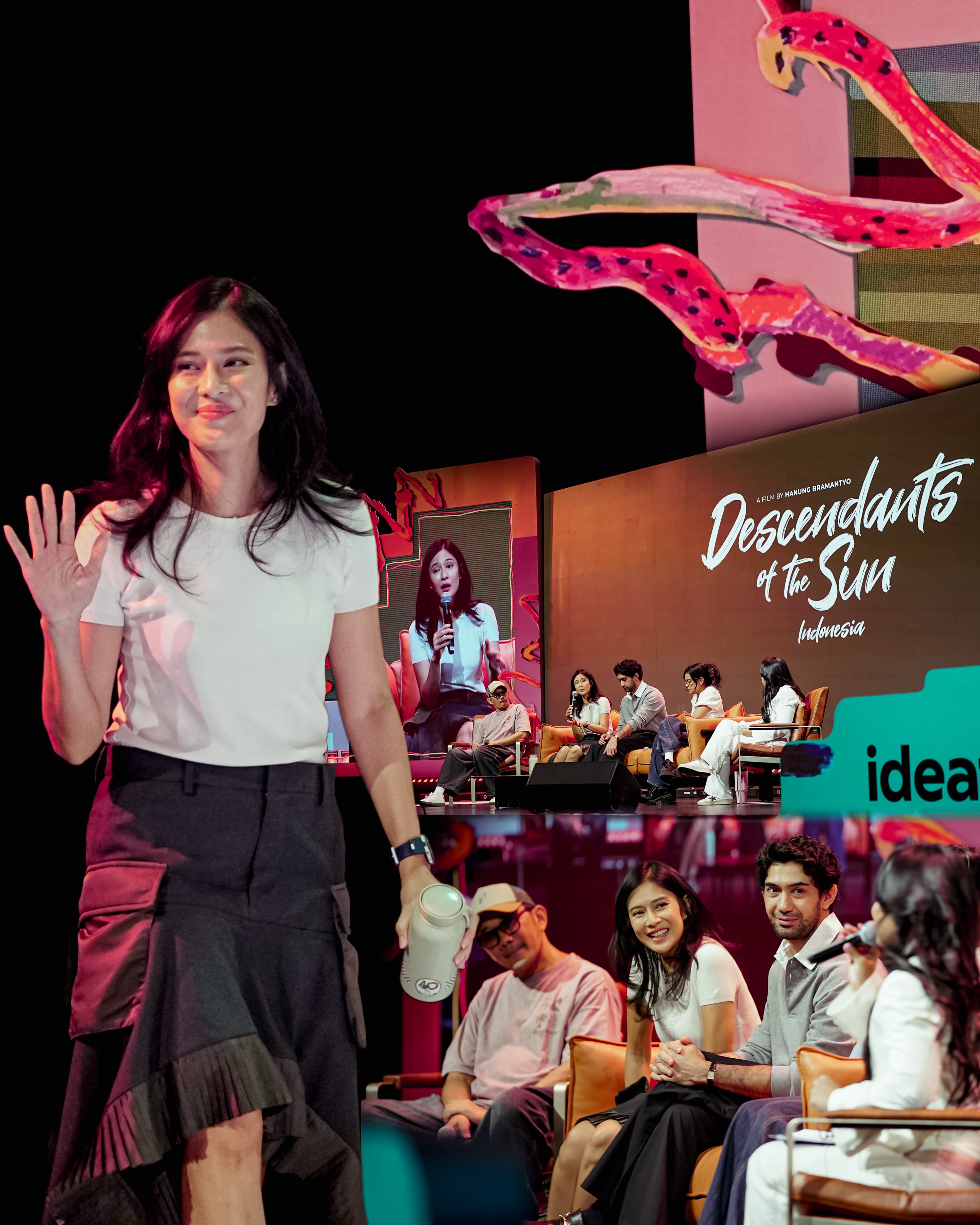
This rare partnership ensures that while the narrative remains deeply rooted in Indonesian culture, the production quality, pacing, and emotional beats maintain the world-class storytelling standard that made the original a global phenomenon. NEW’s direct involvement also paves the way for the series to be broadcast and streamed across South Korean media networks, marking a historic full-circle moment where an Indonesian adaptation returns directly to the birthplace of the original IP.
| Feature / Aspect | Original 2016 K-Drama | Upcoming Indonesian Remake |
| Title | Descendants of the Sun (Tae-yang-ui Hu-ye) | Descendants of the Sun (Indonesian Adaptation) |
| Director | Lee Eung-bok & Baek Sang-hoon | Hanung Bramantyo |
| Lead Cast | Song Joong-ki & Song Hye-kyo | Reza Rahadian & Dian Sastrowardoyo |
| Production Studio | NEW (Next Entertainment World) & KBS | NEW (Co-Developer) & Local Indonesian Studio |
| Setting & Context | Fictional country of Urk / Korean Military | Indonesian Military (TNI) & Regional Humanitarian Contexts |
| Target Distribution | Global Hallyu Broadcast (KBS2) | Indonesian Domestic Market & South Korean Release |
To appreciate the magnitude of this remake, one must recall the sheer pop-culture juggernaut that was the original Descendants of the Sun when it premiered in 2016. The Korean drama didn’t just top local ratings—it fundamentally altered the global streaming landscape for Asian television.
“Airing across KBS2 in 2016, the original series achieved staggering nationwide viewership ratings peaking at 38.8 percent, catapulting leads Song Joong-ki and Song Hye-kyo to unprecedented international superstardom and sweeping the Grand Prize (Daesang) at the KBS Drama Awards.”
The show’s infectious soundtrack, iconic military salutes, and heart-pounding emergency surgery sequences set a new benchmark for romantic action-dramas worldwide. By taking on such a monumental legacy, Hanung Bramantyo and his cast are stepping into big shoes, but doing so with a fresh, culturally rich perspective that honors the spirit of the original while forging its own identity.
The release of the Indonesian Descendants of the Sun in South Korea represents a significant turning point in global media exchange. Historically, the flow of cultural intellectual property between South Korea and Southeast Asia was largely one-directional, with Korean dramas being imported across the region.
Now, with Korean production giants actively investing in localized adaptations and bringing those projects back to Korean domestic audiences, a true two-way creative highway has been established. It signals a growing international appreciation for Indonesian creative talent, cinematic production values, and storytelling depth.
As fans across Southeast Asia and South Korea eagerly await official trailer drops and broadcast dates, the Indonesian adaptation of Descendants of the Sun stands as a testament to the universal power of love, duty, and sacrifice. With heavyweights Reza Rahadian and Dian Sastrowardoyo bringing their unmatched dramatic prowess under Hanung Bramantyo’s expert direction, this upcoming series is set to become one of the most compelling cross-cultural television events of the year.
Follow D-Muse to stay current with fashion trends, lifestyle tips, and exciting events. DM us @dmusemagz now to get all the information you need!
From dreamy water taxi arrivals to high-voltage red carpet moments, the 83rd Venice Film Festival has officially taken over the historic canals of Italy, bringing together cinema icons, fashion powerhouses, and Hollywood royalty. With Jury President Maggie Gyllenhaal leading the charge and a star-studded lineup of movie premieres, this year’s festival is setting the ultimate baseline for late-2026 style and cinematic excellence.
One of the absolute highest-profile highlights kicking off the Venice Film Festival was the presentation of the prestigious Lifetime Achievement Award to George Clooney. Celebrating his decades-long legacy as an actor, director, and cultural figure, the honor was presented during the grand opening ceremony by his close friend and screen veteran Laura Dern.
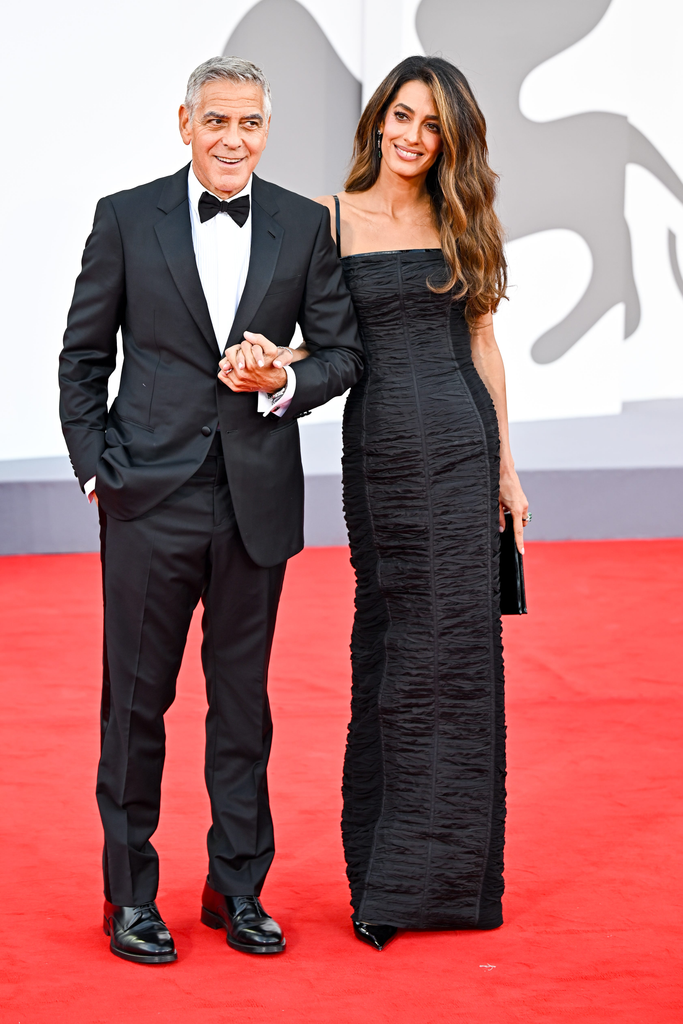
Stepping off the boat in true Venetian elegance, George was accompanied by his wife, Amal Clooney. The couple delivered an instant masterclass in red-carpet style. Amal wore a breathtaking custom Tom Ford gown designed by Haider Ackermann, featuring exquisite tailoring and understated luxury, while George looked effortlessly suave in a classic, sharp Giorgio Armani tuxedo.
Before stars even hit the official step-and-repeat, the Venice Film Festival street style proved to be just as captivating as the formal premieres. The famous dock at the Hotel Excelsior became a living runway for off-duty high fashion.
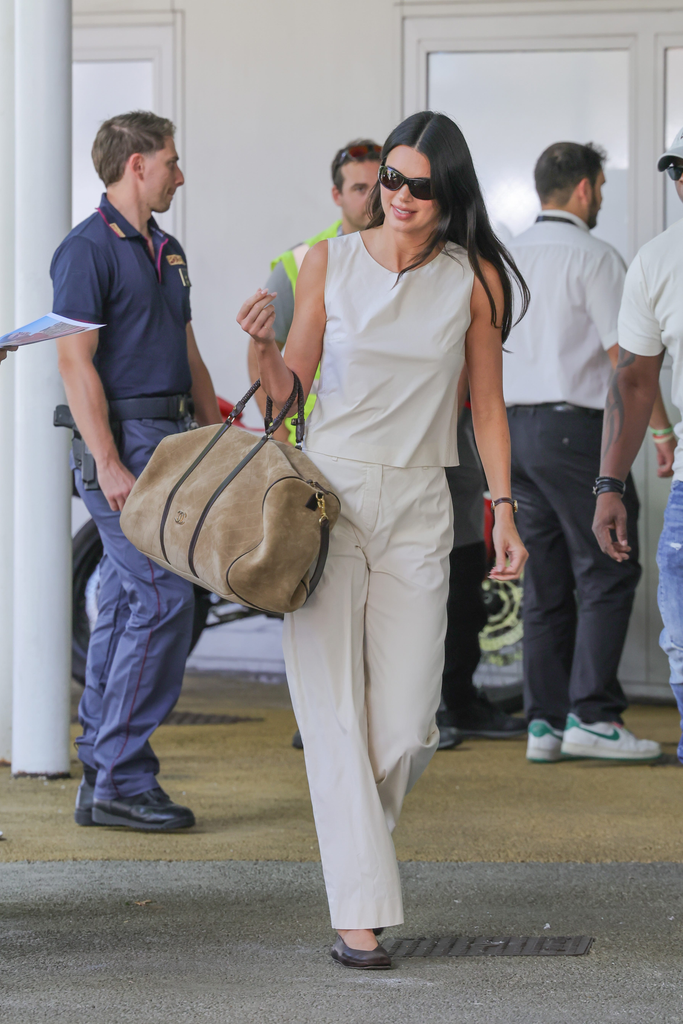
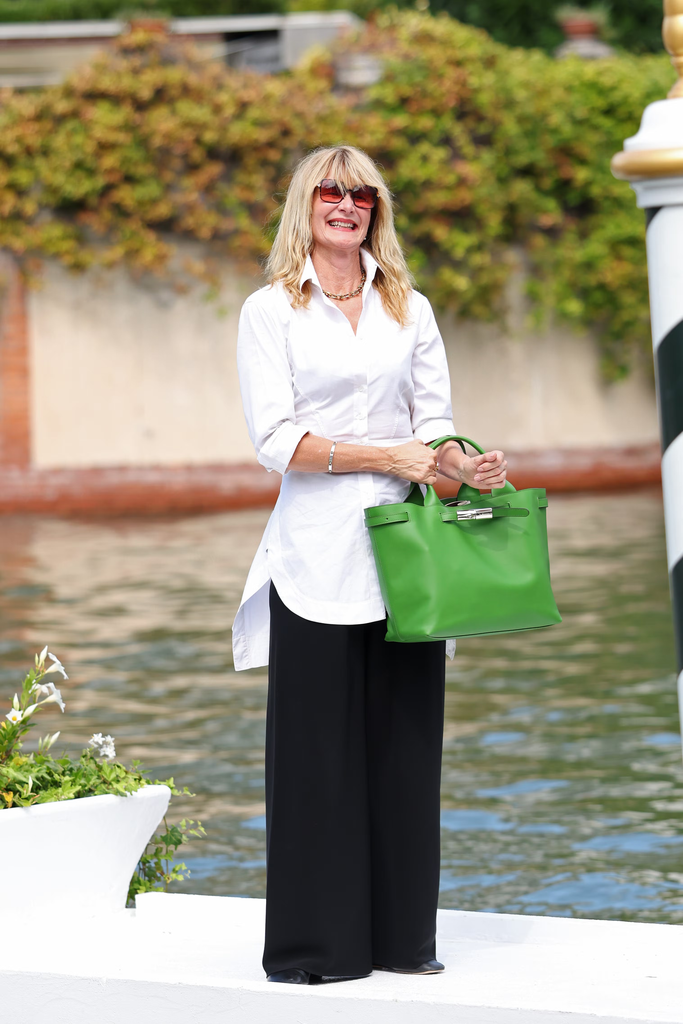
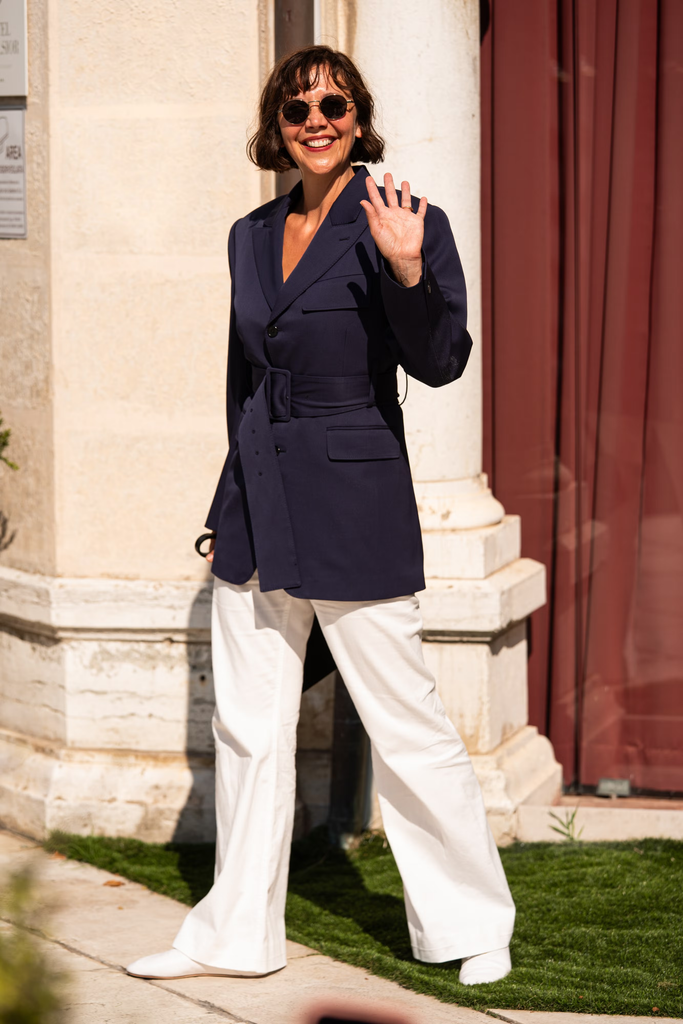
The premier red carpet at the Venice Film Festival delivered an array of custom haute couture, archival pulls, and sharp tailoring.
| Celebrity | Designer / Fashion House | Key Style & Aesthetic Highlights |
| Amal Clooney | Custom Tom Ford by Haider Ackermann | Ethereal tailoring and sleek, romantic evening silhouette |
| George Clooney | Giorgio Armani | Timeless black tuxedo with refined Italian tailoring |
| Claire Foy | Custom Bottega Veneta | Sculptural gown paired with Swarovski jewels & Louboutin heels |
| Parker Posey | Valentino by Alessandro Michele | Eclectic, theatrical glamour with intricate texture and vintage flair |
| Nina Dobrev | Armani Privé | High-glamour strapless gown with dramatic architectural structure |
| Jonathan Bailey | Giorgio Armani | Tailored menswear perfection with modern, relaxed elegance |
| Sam Rockwell | Gucci | Sharply cut suit with signature eccentric Italian charm |
| Alessandra Ambrosio | Intimissimi | Sensual, fluid eveningwear highlighting classic supermodel drama |
While the fashion commands the headlines, the Venice Film Festival remains the premier launching pad for major awards-season contenders. This year’s competition and out-of-competition slates feature some of the most daring concept films of 2026.
“From biting biopics to apocalyptic psychological thrillers, the 83rd edition of the festival is proving that cinema in 2026 is bolder and more unpredictable than ever.”
Beyond individual premieres, the 83rd Venice Film Festival has provided plenty of memorable pop-culture crossovers and family moments. Sister duo Rooney Mara and Kate Mara were spotted making synchronized appearances together across various press calls, showcasing understated, minimalist sisterly style.
Meanwhile, actors like Orlando Bloom, Guy Pearce, Jack O’Connell, and Domhnall Gleeson brought effortless menswear charm to photocalls along the Adriatic sea. Adding even more star power to the Venetian docks, Sydney Sweeney was spotted arriving alongside Scooter Braun, while Georgina Rodríguez and Raya Abirached added classic international glamour to the evening screenings.
As the 83rd Venice Film Festival continues its run through early September, the blend of cinematic ambition, luxury red-carpet debuts, and iconic canal-side fashion guarantees that this year’s event will dominate the pop-culture conversation for months to come. Keep your eyes locked on D-Muse Magz for daily updates, best-dressed breakdowns, and premiere reactions straight from the Lido!
Follow D-Muse to stay current with fashion trends, lifestyle tips, and exciting events. DM us @dmusemagz now to get all the information you need!
The global fashion calendar just hit one of its most exciting high points as Belgian visionary Julie Kegels officially claimed top honors at the 2026 LVMH Prize for Young Fashion Designers. Presented during a star-studded ceremony at the Fondation LVMH in Paris by Oscar-winning actress Jennifer Lawrence, the prestigious award celebrates groundbreaking independent talent set to define the next generation of global style.
Joined by impressive runners-up Zane Li of New York-based label Lii and Anil Padia of Kenya’s Yoshita 1967, this year’s winners stood out from an elite pool of nine global finalists. Judged by an iconic jury panel—including fashion heavyweights Jonathan Anderson, Sarah Burton, and Phoebe Philo—the 2026 edition proved that authenticity, craftsmanship, and storytelling are driving the future of high fashion.
At D-Muse Magz, we are completely obsessed with fashion’s newest pioneers. Grab your favorite coffee and settle in—here is your ultimate deep-dive into Julie Kegels’ big win, the standout runners-up, and how LVMH continues to nurture independent fashion houses!
An alumnus of Antwerp’s famed Royal Academy of Fine Arts, Julie Kegels launched her namesake womenswear label in 2024. In just two short years, she has built an industry-wide reputation for exploring the complex contradictions of modern femininity through deconstructed silhouettes and subversive luxury.
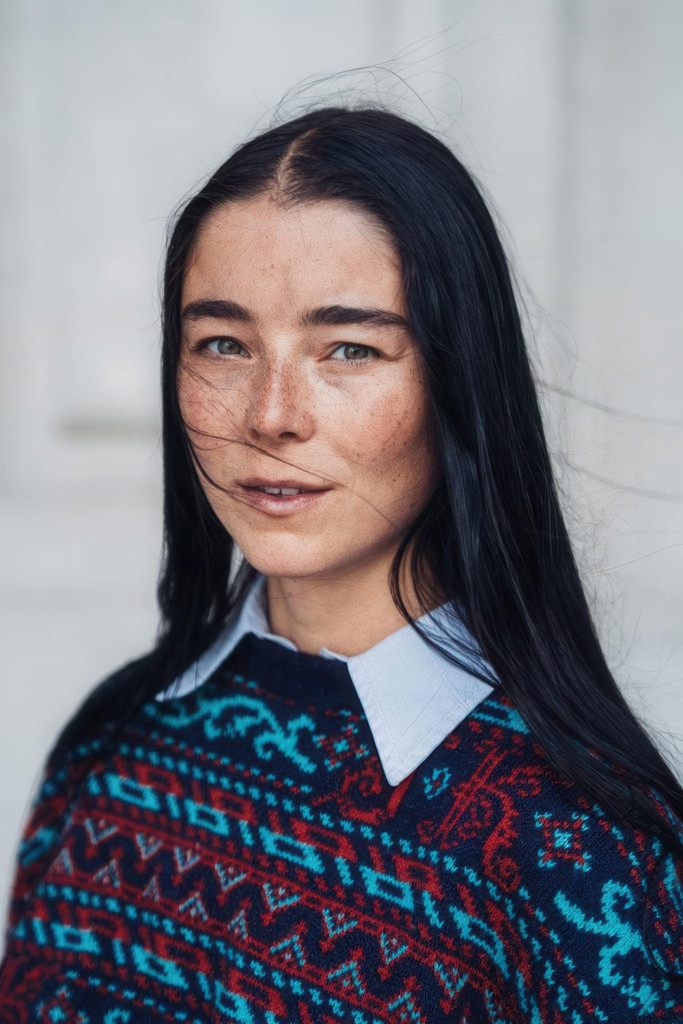
Her Fall 2026 collection in Paris blew fashion editors away by exploring feminine auras, shadows, and perception. Through clever fabric prints, unconventional layering, and shadow-manipulated tailoring, Kegels proved that avant-garde ideas can still translate into strikingly wearable garments.
“You can always talk and explain your work, but at the end of the day, it’s about the clothes,” Kegels shared right after receiving her trophy from Jennifer Lawrence. “There is always a story around it, but I really think it also doesn’t have to be too complicated. It just has to have a detail that affects you.”
As the grand prize winner, Kegels receives a game-changing endowment of €400,000 along with a tailored, one-year mentorship from dedicated LVMH industry experts to help scale her independent infrastructure.
The 2026 ceremony brought together international cinema icons and luxury fashion leaders to award three distinct categories:
| Award Category | Winner & Brand | Location / Roots | Presented By | Prize Endowment & Mentorship |
| LVMH Grand Prize | Julie Kegels (Julie Kegels) | Antwerp, Belgium | Jennifer Lawrence | €400,000 + 1-Year LVMH Mentorship |
| Karl Lagerfeld Prize | Zane Li (Lii) | New York, USA | Priyanka Chopra Jonas | €200,000 + 1-Year LVMH Mentorship |
| Savoir-Faire Prize | Anil Padia (Yoshita 1967) | Nairobi & Paris | Urassaya Sperbund | €200,000 + 1-Year LVMH Mentorship |
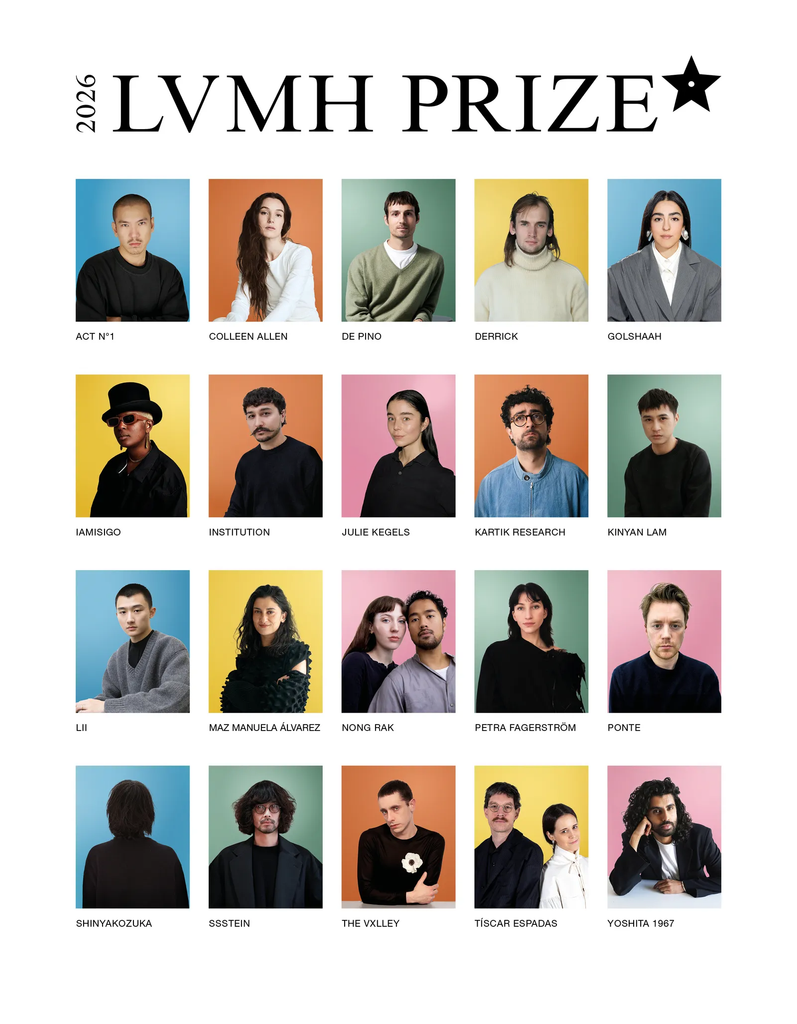
Beyond Kegels’ main stage triumph, two extraordinary independent labels took home major honors, reflecting the global diversity of modern streetwear and heritage craft.
Founded in New York in 2023 following Li’s graduation from the Fashion Institute of Technology (FIT), Lii has earned a loyal cult following for clashing athletic wear with elevated elegance. Presented with the Karl Lagerfeld Prize by Priyanka Chopra Jonas, Chinese-born designer Zane Li spoke openly about the multi-hyphenate reality of running a brand solo in 2026:
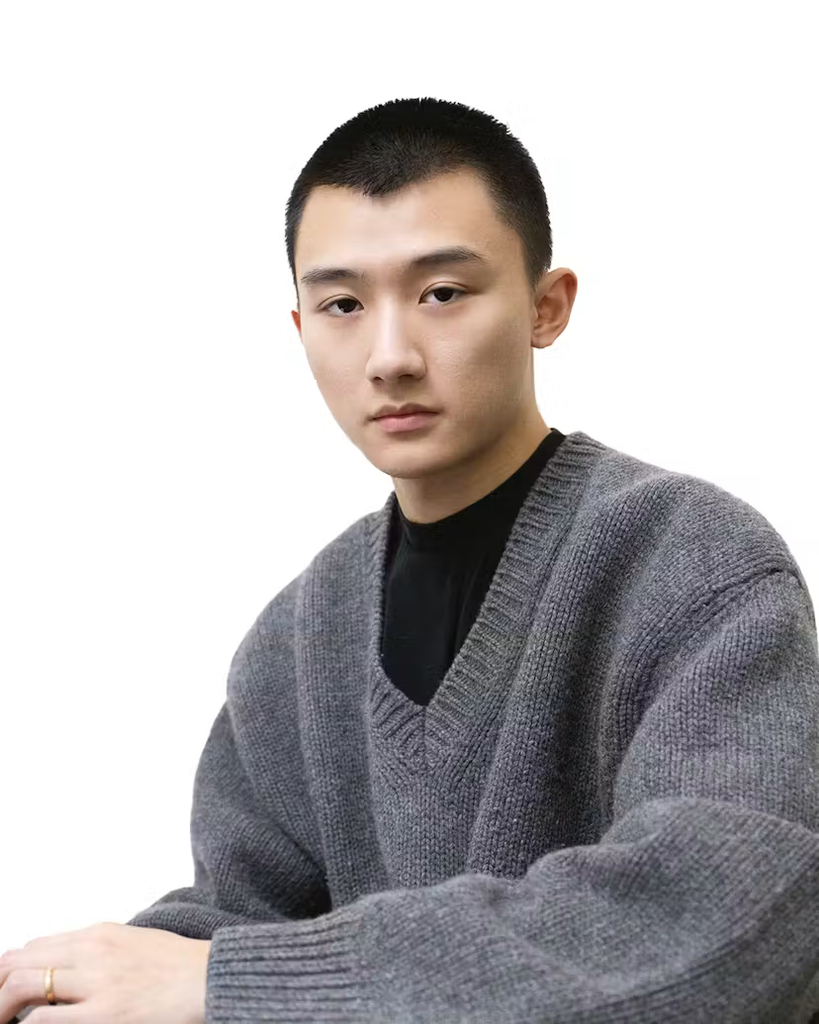
“I feel like being a designer right now is more than just making clothes,” Li reflected. “It’s more than a sewer, it’s more than a pattern maker. You need to be a publicist. A content creator. A graphic designer.”
Making history as the very first Kenyan finalist, Anil Padia took home the Savoir-Faire Prize, presented by Thai star and model Urassaya Sperbund. Based between Nairobi and Paris, Padia founded Yoshita 1967 in 2024 to preserve indigenous artisanal techniques. His intricate collections—packed with crochet, embroidery, and embellishment—are made entirely by hand by female artisans in Kenya.
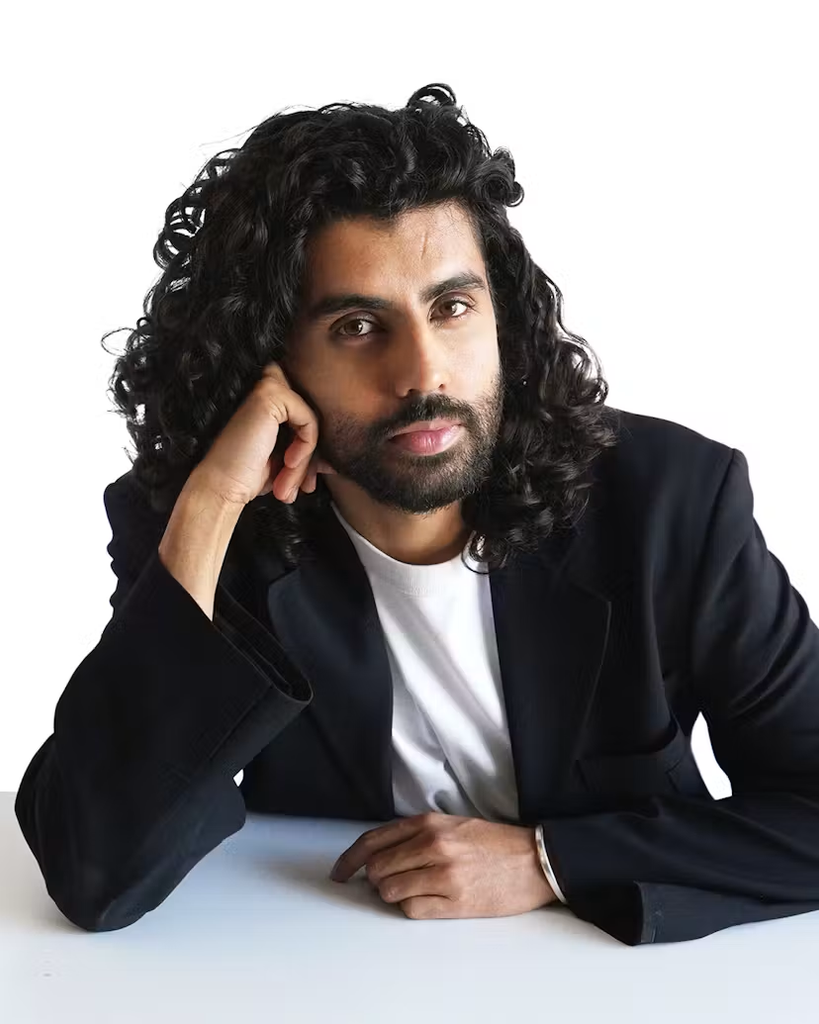
“In 2026, I think it’s about authenticity,” Padia stated. “There’s so much happening out there, so it’s quite gratifying to do something very personal.”
Operating an independent fashion brand in 2026 is tougher than ever, with rising production costs and high market saturation. All three award recipients emphasized that their immediate priority for the LVMH financial endowments isn’t flashy expansion, but solidifying team infrastructure and hiring help.
Kegels expressed deep gratitude for her passionate young team, who routinely dedicate endless hours to bring her visions to life. Meanwhile, for Zane Li—who operated as the sole full-time employee at Lii—the €200,000 grant offers the vital opportunity to build a permanent studio staff.
Since its inception in 2013, the LVMH Prize for Young Fashion Designers has served as the premier launching pad for visionary creators. Joining the ranks of past alumni like Wales Bonner, Marine Serre, Nensi Dojaka, and Soshi Otsuki, Julie Kegels now stands at the forefront of contemporary style.
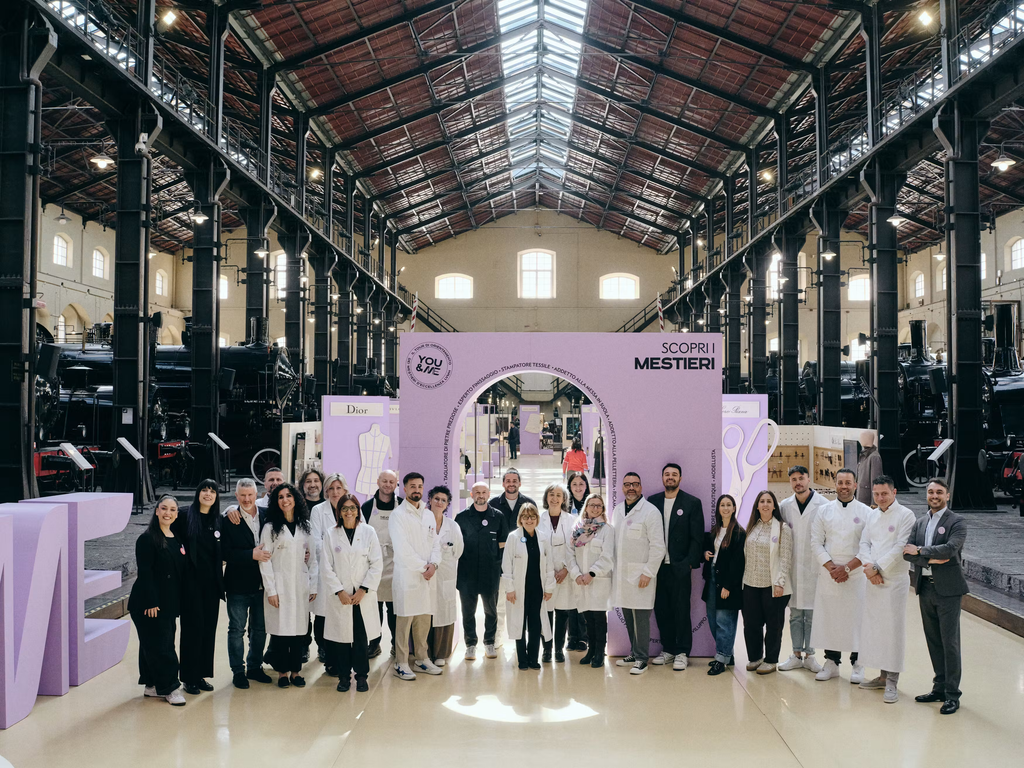
By backing designers who pair deep emotional narrative with wearable, high-craft garments, LVMH continues to prove that the future of luxury belongs to independent, authentic voices. We can’t wait to see where Julie Kegels, Zane Li, and Anil Padia take their brands next!
Follow D-Muse to stay current with fashion trends, lifestyle tips, and exciting events. DM us @dmusemagz now to get all the information you need!
If you tried pitching the behind-the-scenes origin story of Prime Video’s The Love Hypothesis to a Hollywood executive, they’d probably tell you it sounds too absurd to be true. Starring Lili Reinhart and Tom Bateman, the highly anticipated film adaptation of Ali Hazelwood’s bestselling romance novel arrives this September 2026, backed by a real-life casting twist that feels like pure cosmic alignment.
Back in 2018, an Italian neuroscience professor publishing under the handle “Head Over Feet” uploaded a wildly popular Star Wars fanfiction to Archive of Our Own. Inspired by the electric on-screen chemistry between Rey (played by Daisy Ridley) and Kylo Ren/Adam Driver (dubbed “Reylo”), that digital story was eventually expanded into the 2021 publishing juggernaut The Love Hypothesis.
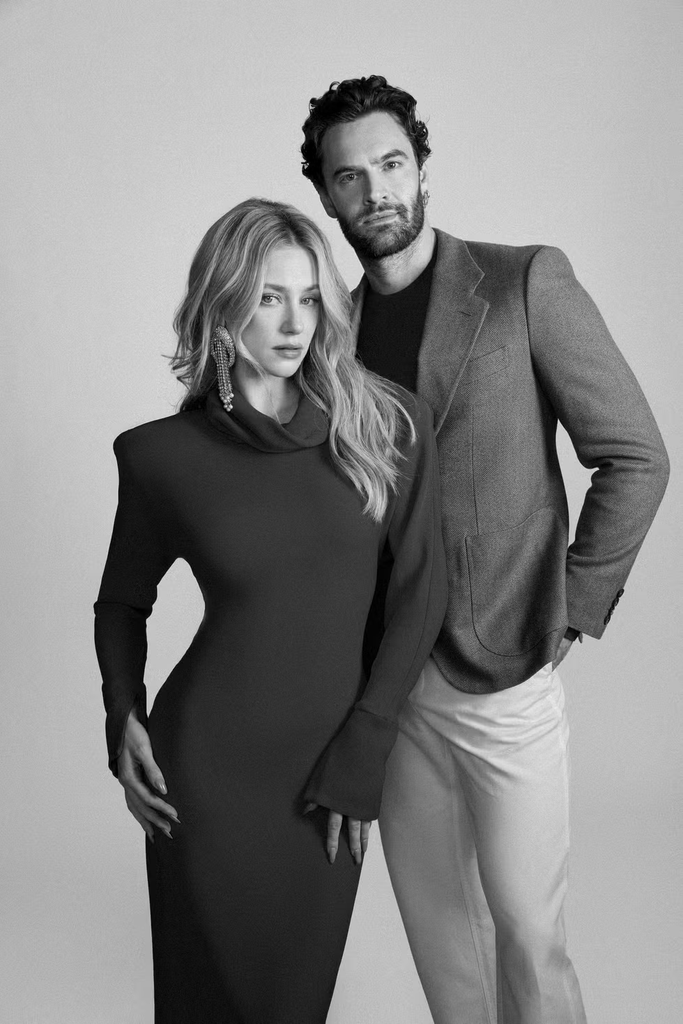
When Lili Reinhart signed on in 2024 to star as Stanford PhD candidate Olive Smith and serve as an executive producer, she actually had zero knowledge of the book’s fanfiction roots. It wasn’t until she was deep into pre-production that someone casually filled her in on the Star Wars connection.
Then came the ultimate stroke of casting luck. During chemistry reads in 2025, Lili Reinhart tested with British actor Tom Bateman, whose magnetic audition immediately secured him the role of brooding professor Dr. Adam Carlsen. The wild catch? Tom Bateman is married to Daisy Ridley in real life!
Internet sleuths quickly assumed the casting was a calculated marketing stunt. However, Lili Reinhart confirmed with 100-percent certainty that neither Tom nor Daisy had any clue about the Reylo lore before he was offered the part—proving that true “Hollywood serendipity” actually exists.
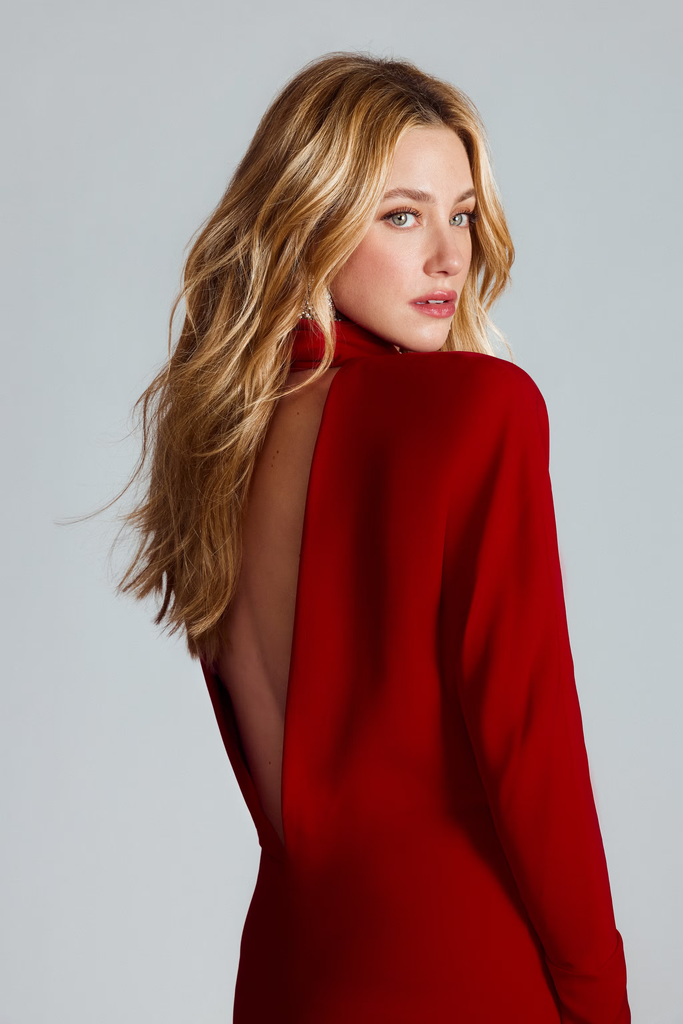
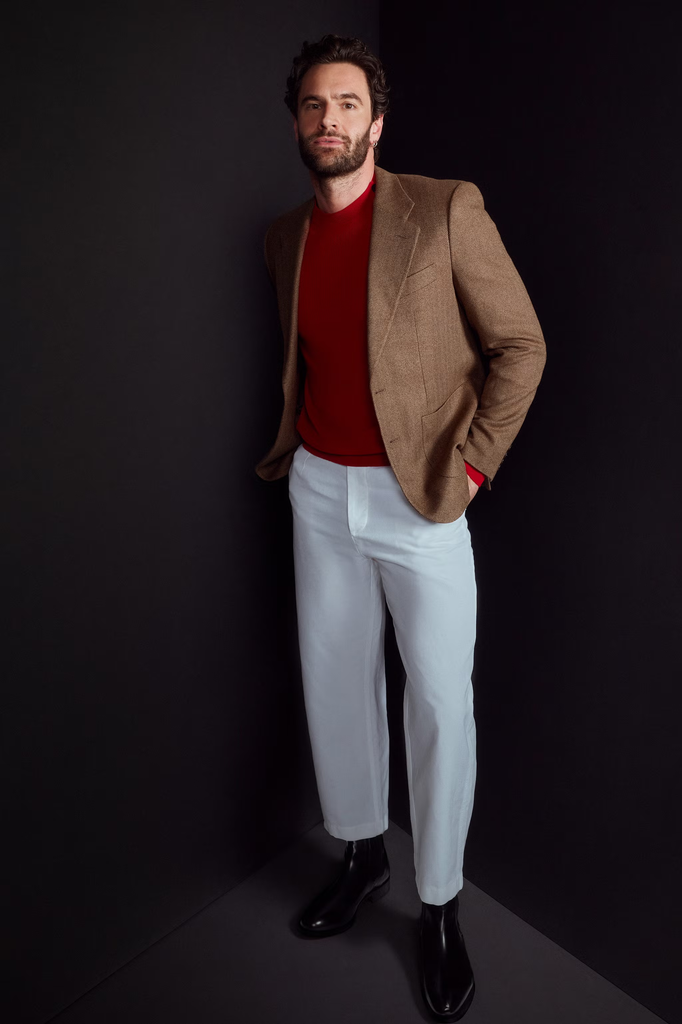
As an executive producer, Lili Reinhart admitted that finding her male lead was a daunting task. She wanted a scene partner who was completely comfortable co-starring alongside a female lead while bringing top-tier talent to elevate every single frame.
| Character / Aspect | Book Lore & Inspiration | Movie Adaptation & Casting |
| Olive Smith | Inspired by Daisy Ridley’s ‘Rey’ | Played by Lili Reinhart (Star & Executive Producer) |
| Dr. Adam Carlsen | Inspired by Adam Driver’s ‘Kylo Ren’ | Played by Tom Bateman (Who is married to Daisy Ridley!) |
| Core Dynamic | Fake-dating academic romance | Darcy/Elizabeth Bennet vibes between misunderstood outsiders |
| Behind the Lens | Written by Ali Hazelwood | Directed by Claire Scanlon (Set It Up) |
“It’s always so nerve-wracking to think, ‘Okay, I’m attached. Who wants to play second to me?’… Trying to find a guy who wants to play second to a woman lead who’s me is a little daunting… I knew Tom was an amazing actor, and then he just so happened to have this incredibly strange connection to Daisy.”
Beyond acting and producing, Lili Reinhart took complete charge of the film’s digital marketing strategy. Drawing from her years navigating fandom culture on Riverdale, she rejected generic corporate promos and went “rogue” on set in Montreal, directing her own candid social media content with Bateman.
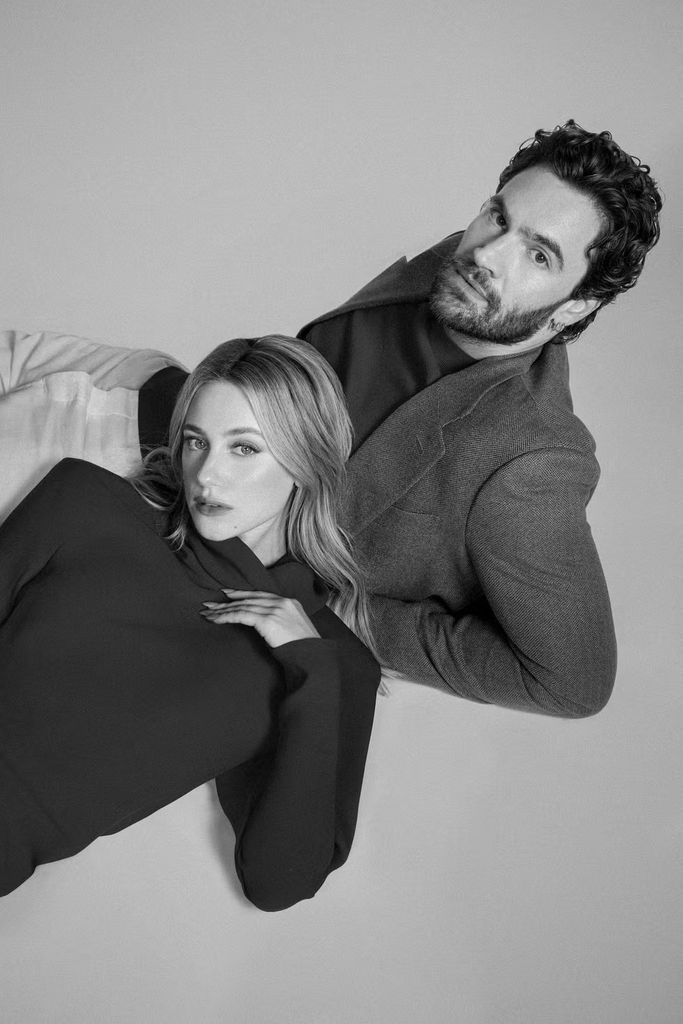
Despite initial hesitation from executives, Lili Reinhart‘s vision paid off massively. Her viral casting reveal video—featuring the famous “scooping up” moment—accumulated over 80 million views globally. Bateman, who lightheartedly admitted he doesn’t even know how to spell “TikTok” in text messages, happily submitted to dozens of takes under Reinhart’s direction.
One of the biggest talking points for readers is the novel’s iconic, two-chapter-long hotel room intimate scene. Lili Reinhart openly acknowledged that filming the sequence brought the highest level of pressure on set, given how fiercely fans adore that specific turning point in Olive and Adam’s romance.
Describing it as arguably the heftiest intimacy sequence of her career, Lili Reinhart stressed that building absolute trust with Bateman and working alongside intimacy coordinator Jen Viens made the entire experience comfortable and secure. Spending six hours filming in a crowded room required emotional maturity, but their mutual respect on and off camera ensured complete ease.
“It’s so paramount to do something like this with someone you trust, and that’s why I love Tom… There was not an ounce of discomfort and there was complete trust.”
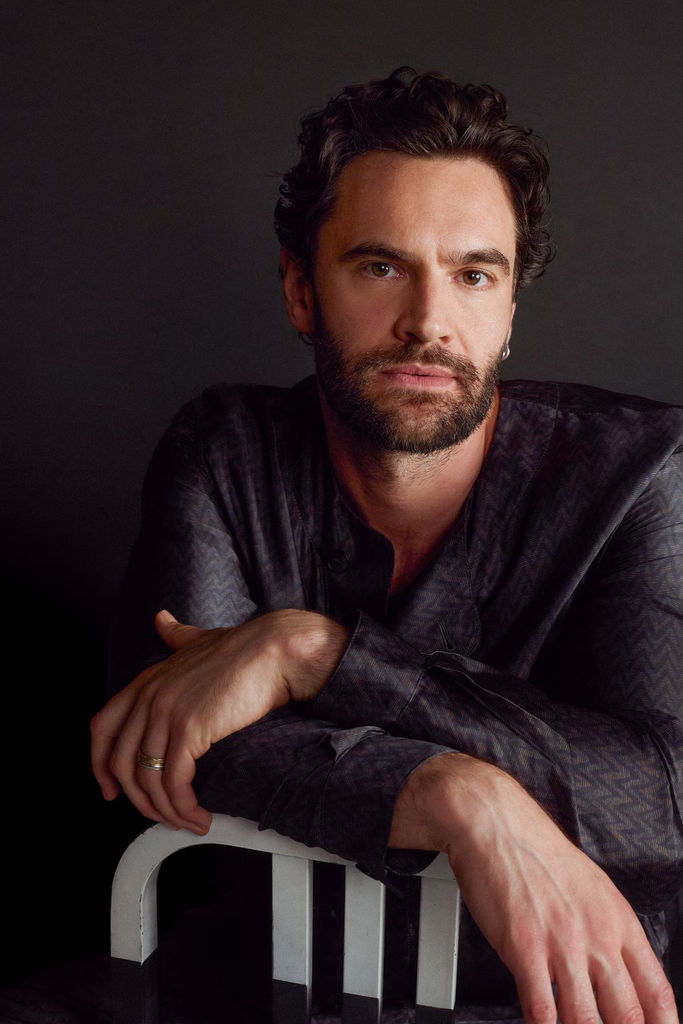
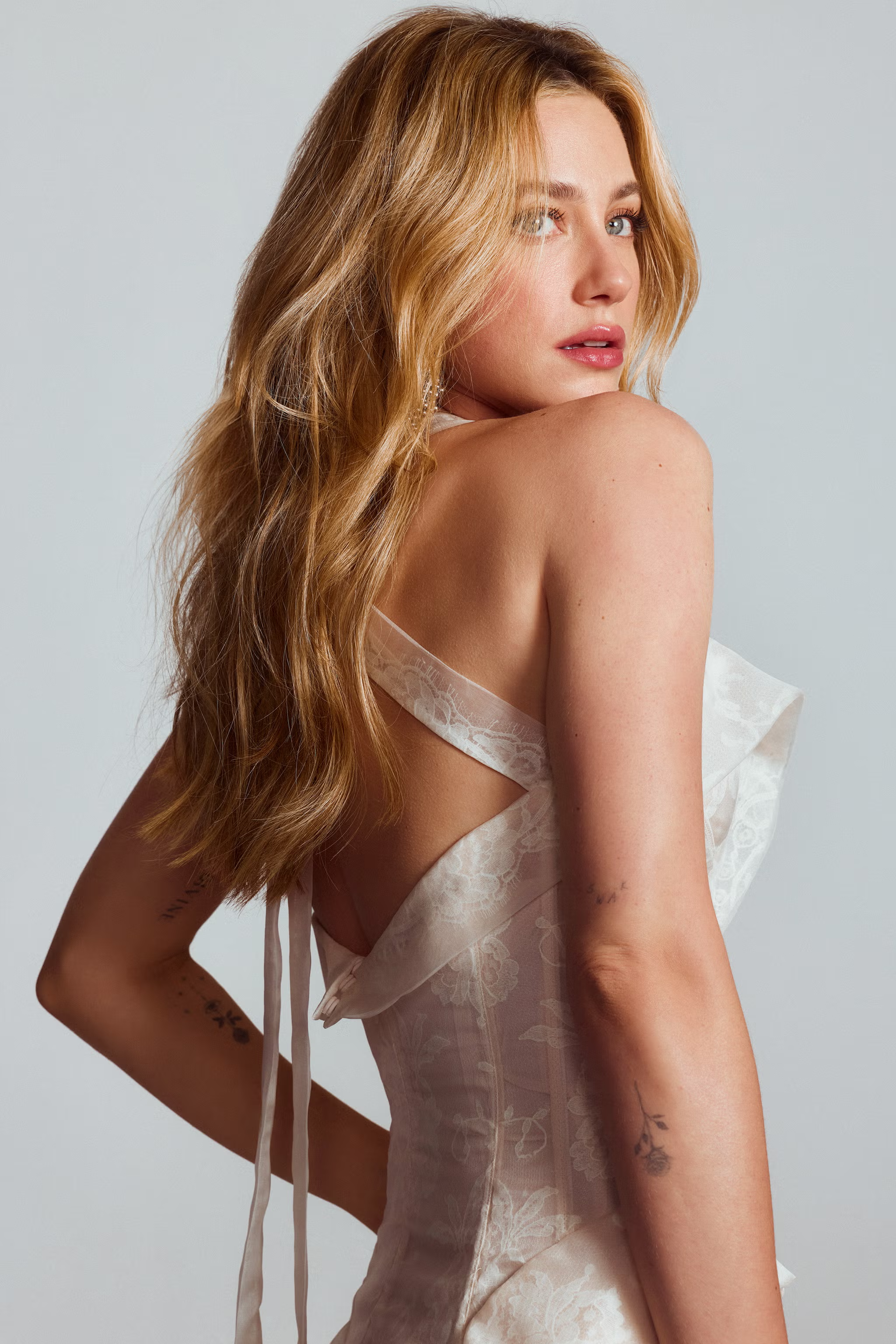
Rather than delivering a rigid, page-by-page translation, Lili Reinhart and director Claire Scanlon focused on capturing the exact feeling the book gives its readers—that giggling, foot-kicking, blushing excitement of watching two guarded people fall hopelessly in love.
Celebrating her 30th birthday throughout September 2026 alongside the film’s press tour, Lili Reinhart feels this project represents her most highly anticipated release since Riverdale. With undeniable on-screen chemistry, viral marketing, and an unbelievable origin story, The Love Hypothesis is officially set to conquer romantic comedy fans when it drops on September 23.
Follow D-Muse to stay current with fashion trends, lifestyle tips, and exciting events. DM us @dmusemagz now to get all the information you need!