

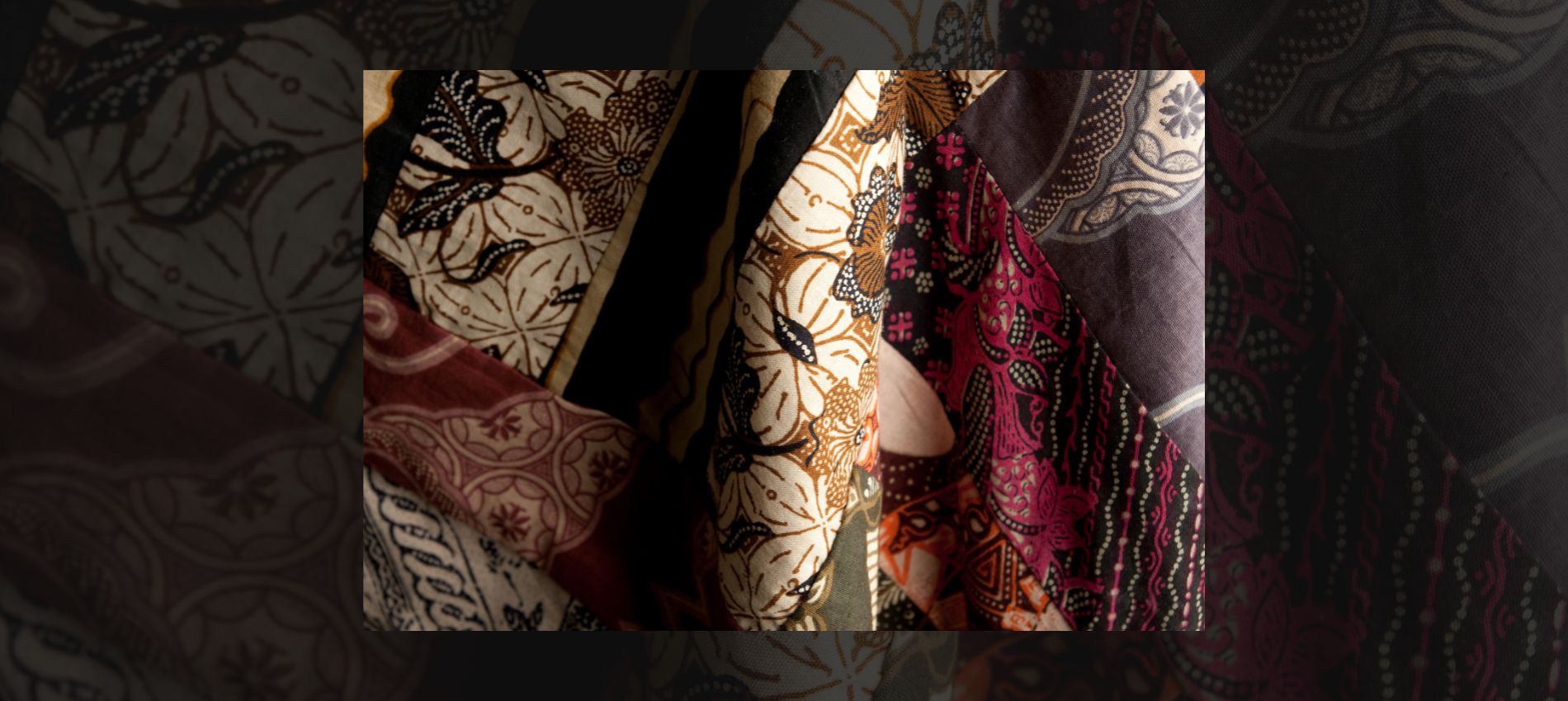
From Heritage to UNESCO Stage: Why Batik Deserves Its Own National Day
October 2, 2025
Every October 2, Indonesia celebrates something more than just fabric—it celebrates identity, artistry, and cultural pride. That’s right, it’s Hari Batik Nasional, a day dedicated to honoring batik, the country’s most iconic textile tradition. But how did this intricate art form go from local legacy to global recognition? Let’s unravel the story behind the stitches.
🧵 The Origin of Hari Batik Nasional
Hari Batik Nasional isn’t just a fashion moment—it’s a cultural milestone. The date, October 2, marks the day in 2009 when UNESCO officially recognized batik as a “Masterpiece of the Oral and Intangible Heritage of Humanity.” That global nod was a huge win for Indonesia, and it sparked the government to declare the day a national celebration through Keputusan Presiden No. 33 Tahun 2009.
Since then, batik has become more than just traditional wear—it’s a symbol of national pride. Schools, offices, and government institutions across the country wear batik to mark the occasion, turning everyday spaces into living galleries of Indonesian heritage.
👥 The People Behind the Movement
This recognition didn’t happen overnight. It was the result of years of cultural diplomacy and passionate advocacy by key figures like Prof. Dr. Wardiman Djojonegoro, Iwan Tirta, and countless batik artisans and communities.
Organizations like Lembaga Batik Indonesia, Dekranas, and local craft collectives worked tirelessly to compile academic papers, historical documentation, and authentic samples to present to UNESCO. Their efforts paid off—not just in recognition, but in preserving a tradition that continues to evolve.
🎨 The Philosophy Behind the Patterns
Batik isn’t just beautiful—it’s meaningful. Each motif carries its own story, rooted in local wisdom and philosophy. Here are some of the most iconic:
- Parang: Symbolizes strength and resilience
- Kawung: Represents purity and honesty
- Mega Mendung: Evokes patience and calm
- Truntum: A symbol of unconditional love
- Sido Mukti: Associated with prosperity and happiness
- Tujuh Rupa: Reflects coastal life and nature
- Gentongan: Embodies spirit and energy
- Sekar Jagad: Celebrates diversity and unity
- Cemukiran: Linked to spirituality and introspection
- Motif Dayak: Honors ethnic identity and ancestral roots
These patterns aren’t just decorative—they’re deeply personal, often passed down through generations and worn during life’s most important moments.
📈 Batik’s Economic and Cultural Impact
Beyond its cultural significance, batik is a powerhouse in Indonesia’s creative economy. In 2023, batik exports reached USD 58.46 million, with demand coming from countries like Japan, the U.S., and Europe.
The industry also provides jobs for over 200,000 workers, most of whom are women. From hand-drawn canting techniques to digital batik printing, the sector continues to innovate while staying rooted in tradition.
Today, batik is worn in state ceremonies, corporate settings, and even school uniforms. It’s also inspiring a wave of contemporary batik fashion, blending classic motifs with modern silhouettes.
🇮🇩 What Hari Batik Nasional Really Means
Hari Batik Nasional isn’t just about wearing a pretty shirt—it’s about reflecting on cultural resilience. It’s a reminder of the journey batik has taken—from village looms to international runways, from ancestral rituals to digital design labs.
It’s also a moment to appreciate the artisans who keep the tradition alive. Their hands tell stories that no machine can replicate. Their work is a living archive of Indonesia’s soul.
And in a world that’s constantly changing, batik remains a symbol of identity—a thread that connects generations, regions, and values.
✨ Final Thoughts: Batik Is More Than Fabric—It’s a Statement
Whether you wear batik to the office, to a wedding, or just because it looks amazing, you’re participating in something bigger. You’re honoring a legacy, supporting local artisans, and showing the world that tradition and innovation can coexist beautifully.
So this October 2, don’t just wear batik—celebrate it. Share its story. Snap a pic. Tag your favorite batik brand. And remember: every motif has meaning, every stitch has history, and every piece of batik is a work of art.
Let’s be honest—cho
Follow D-Muse to stay current with fashion trends, lifestyle tips, and exciting events. DM us now to get all the information you need!