

Parade Asap: When Art Speaks Up About Forest Fires and Clean Air
October 14, 2026
What happens when fashion, art, and environmental concerns meet in one space? Parade Asap offers one answer.
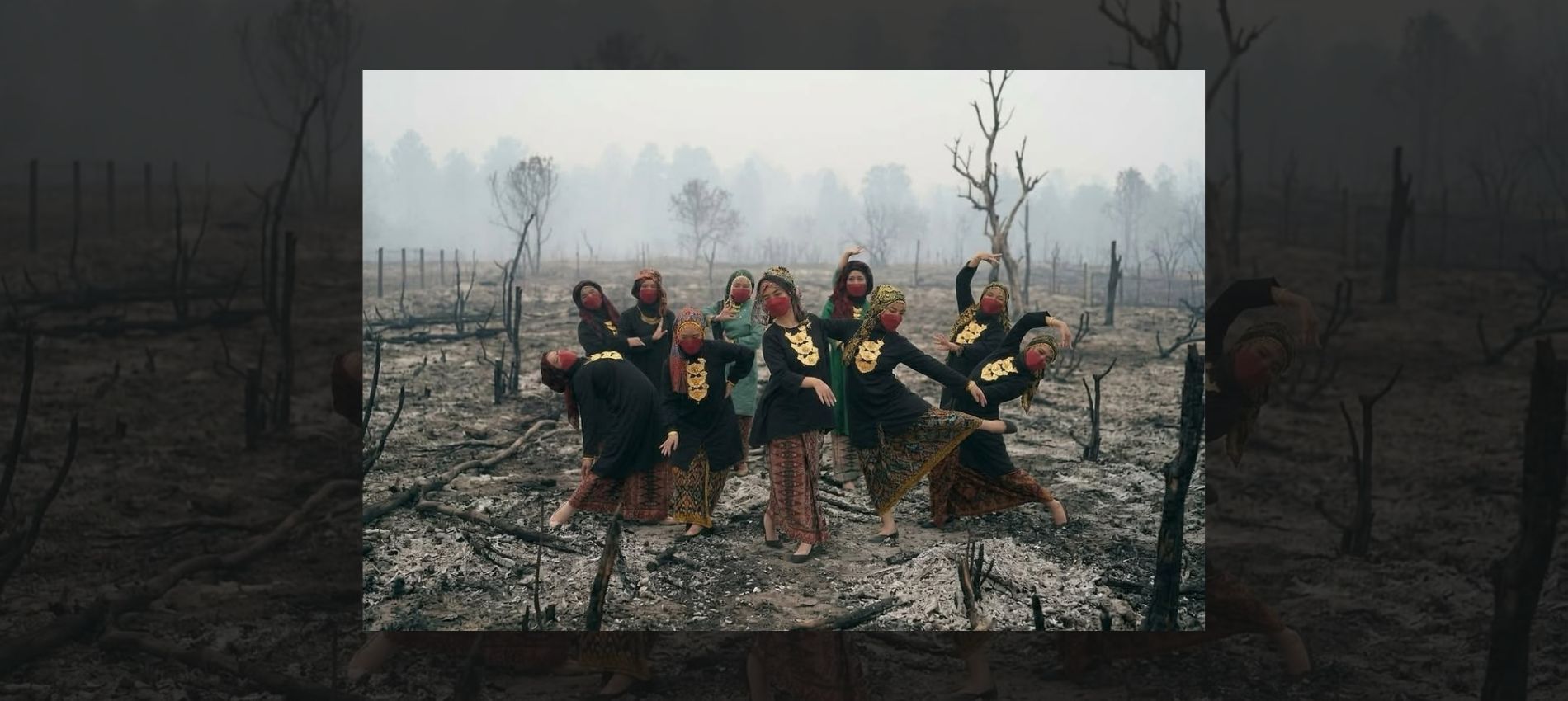
Through a series of visual works, a group of artists is using traditional clothing and images of scorched landscapes to talk about forest and land fires, or karhutla, in Indonesia. Their work doesn’t simply show a damaged environment. It asks us to look closer at the people, communities, and animals that have to live with the consequences.
The contrast is hard to miss. Traditional attire is often associated with cultural identity, beauty, and pride. But in these works, those beautiful garments are placed against burned land and smoky surroundings.
The result is an image that feels both striking and uncomfortable.
And maybe that’s exactly the point.
When Cultural Beauty Meets a Damaged Landscape
Traditional clothing carries stories. It can represent where people come from, their history, and the cultural identity they continue to carry.
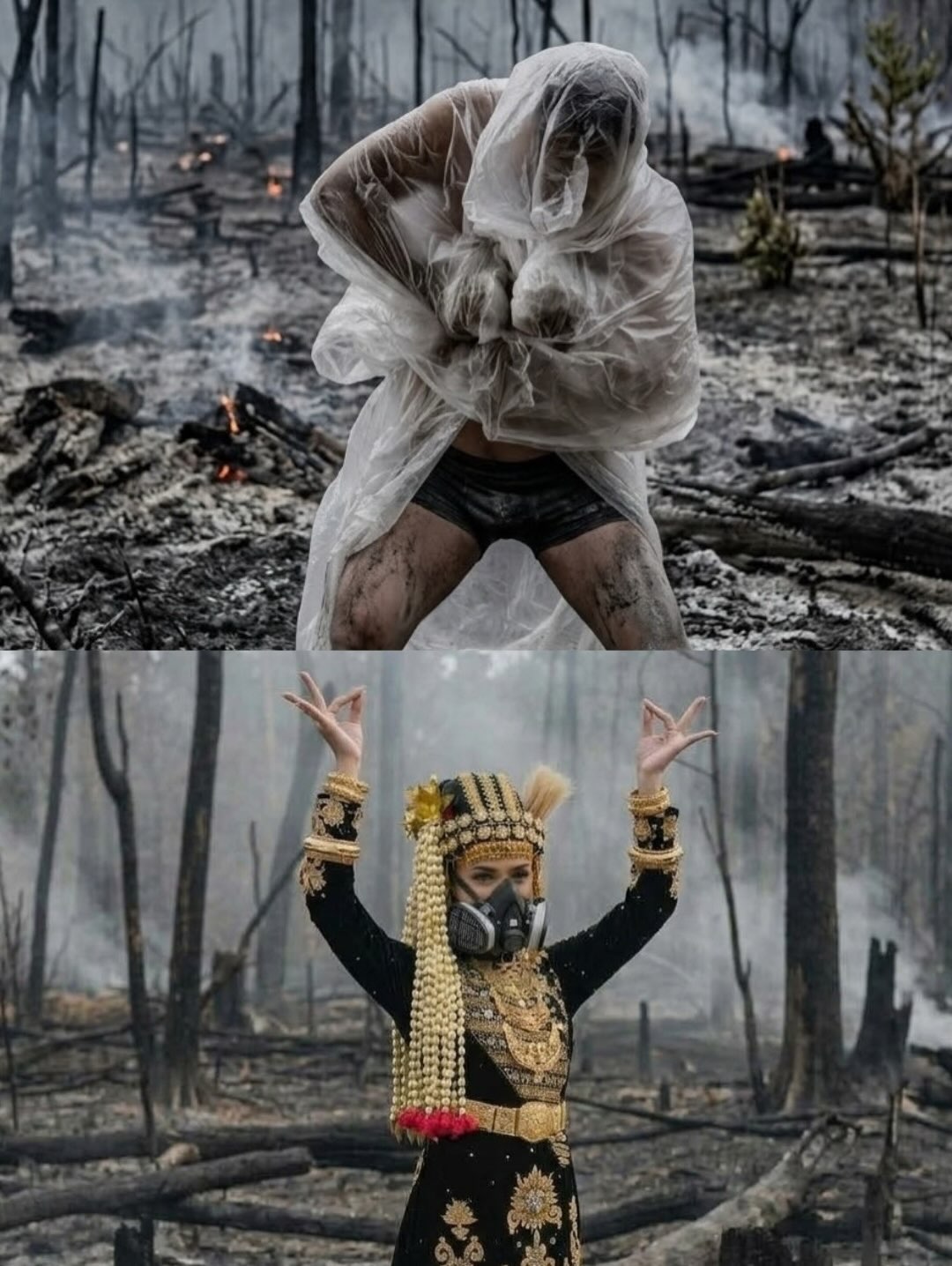
But Parade Asap places this symbolism in a very different setting: landscapes affected by forest and land fires.
Instead of presenting traditional attire in a celebratory environment, the artists position it against the reality of environmental destruction. The visual contrast creates a question that is difficult to ignore: what happens to cultural life when the environment supporting communities is damaged?
The smoke becomes part of that story, too.
Recent haze has affected several areas in Sumatra, turning air quality into a very real concern for communities. Through their visual works, the artists attempt to make that experience visible.
The message isn’t only about forests burning somewhere far away. It’s about what happens when the consequences of those fires enter people’s everyday lives.
What Exactly Is Parade Asap?
Parade Asap is presented as a collective space where people can engage more deeply with the issue of forest and land fires.
Rather than limiting the conversation to one exhibition or one type of artwork, the initiative brings together different forms of creative and public engagement.
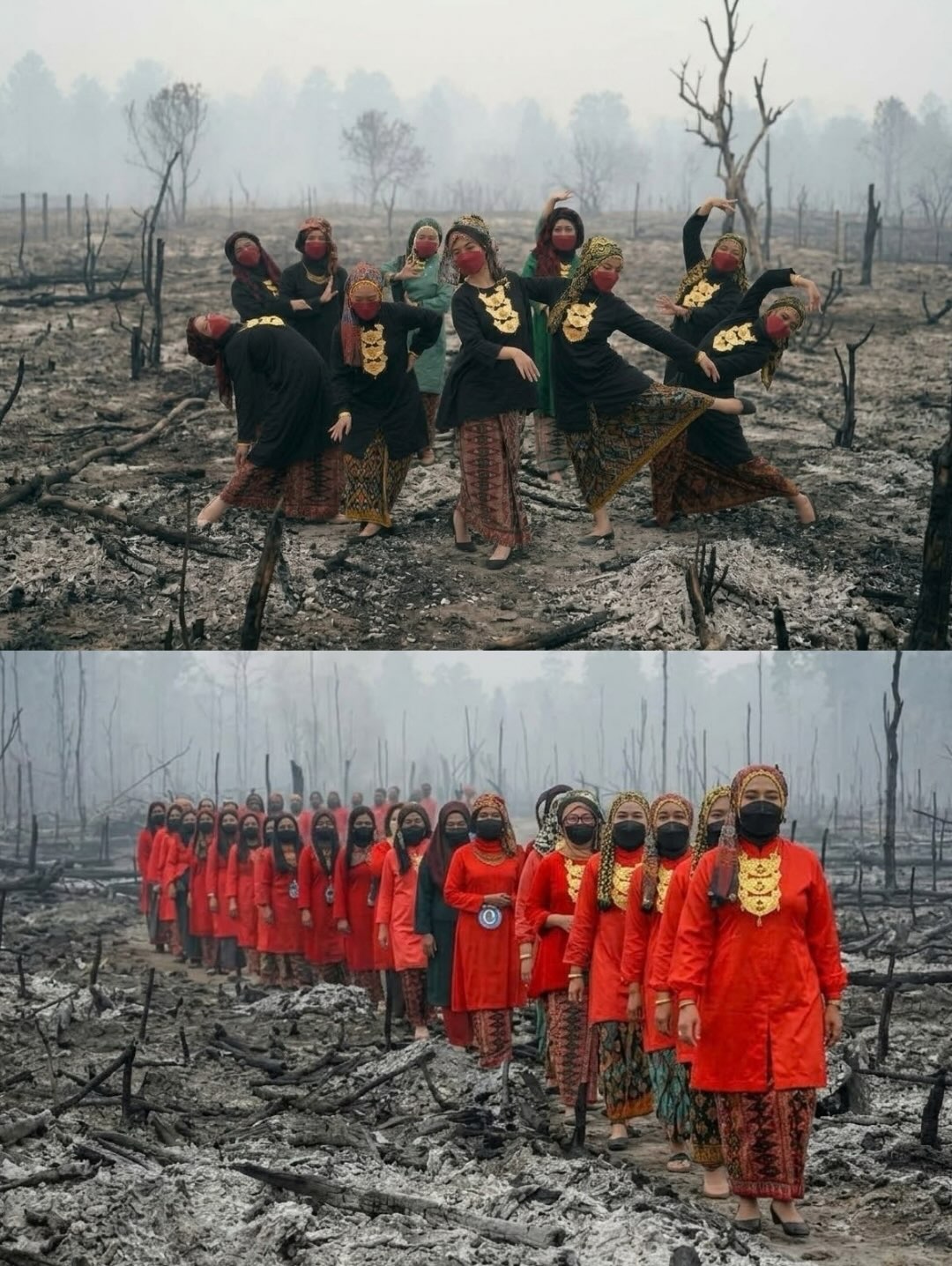
The program includes public discussions, video art screenings, exhibitions, free forums, and zines. Each format provides another way for people to explore the environmental and social questions surrounding karhutla.
That variety is important because environmental issues can sometimes feel distant or difficult to understand.
Statistics may tell us how much land has burned. News reports may show images of smoke. But art can approach the issue from another direction: emotion, identity, memory, and personal experience.
By combining creative works with spaces for discussion, Parade Asap encourages people not only to look but also to think and talk.
“Who Burned? Who Was Exposed?”
One of the most powerful questions raised by Parade Asap is simple: “Who burned? Who was exposed?”
At first glance, the question seems straightforward.
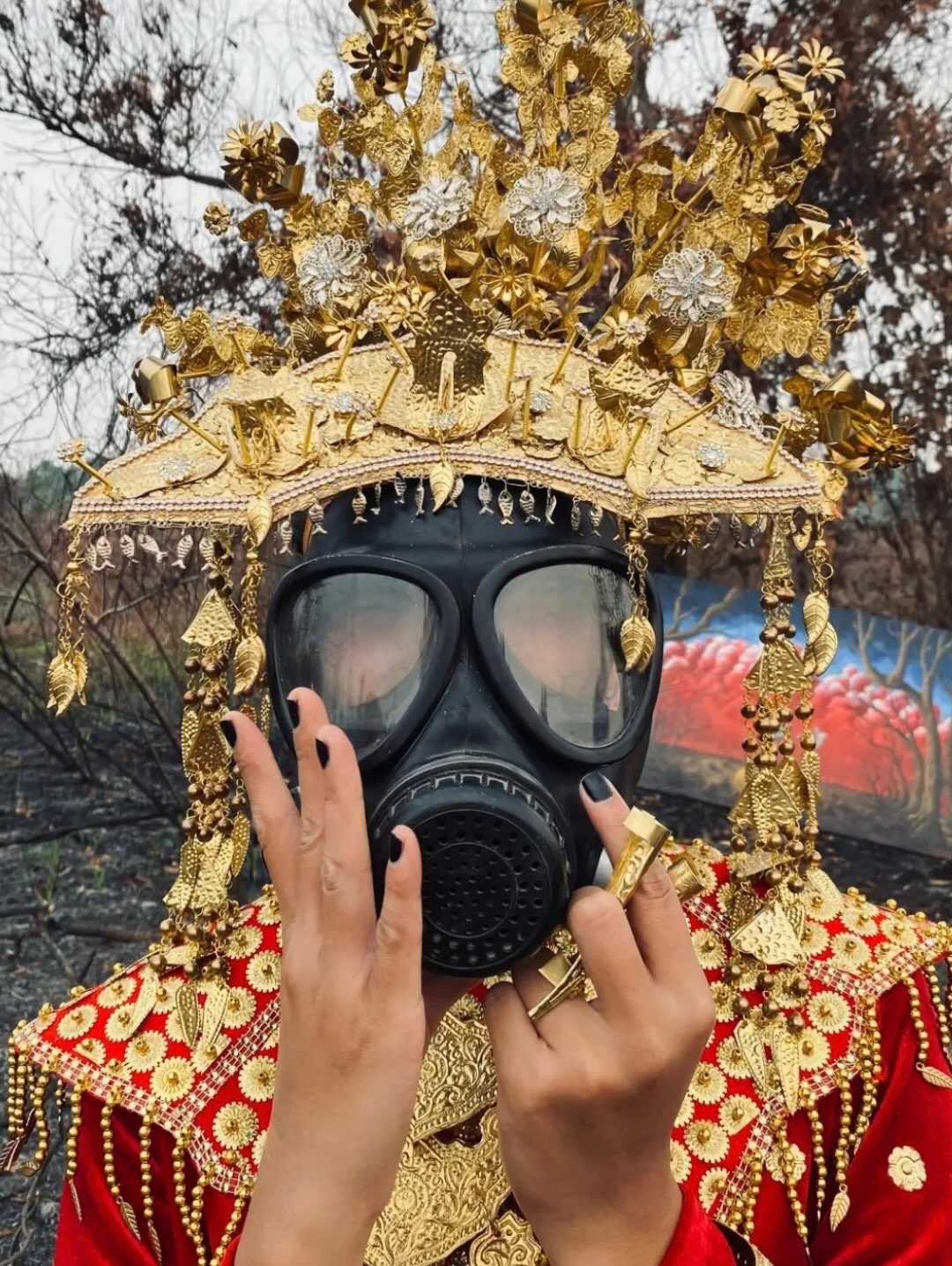
But it encourages us to think beyond the image of burned land.
When a forest burns, the damage doesn’t stop with trees. The consequences can reach communities living nearby, animals whose habitats are affected, and people who have to breathe polluted air.
The question of who is exposed therefore becomes a question of responsibility and impact.
Who has to live with the smoke?
Who has to deal with the consequences?
Who loses access to a healthy environment?
And perhaps most importantly, who gets to decide what happens to the land in the first place?
Parade Asap doesn’t simply provide an easy answer. Instead, it creates a space where these questions can be discussed.
Forest Fires Are Also About People
It’s easy to look at photographs of burned forests and immediately think about environmental destruction.
But environmental destruction is also human destruction.
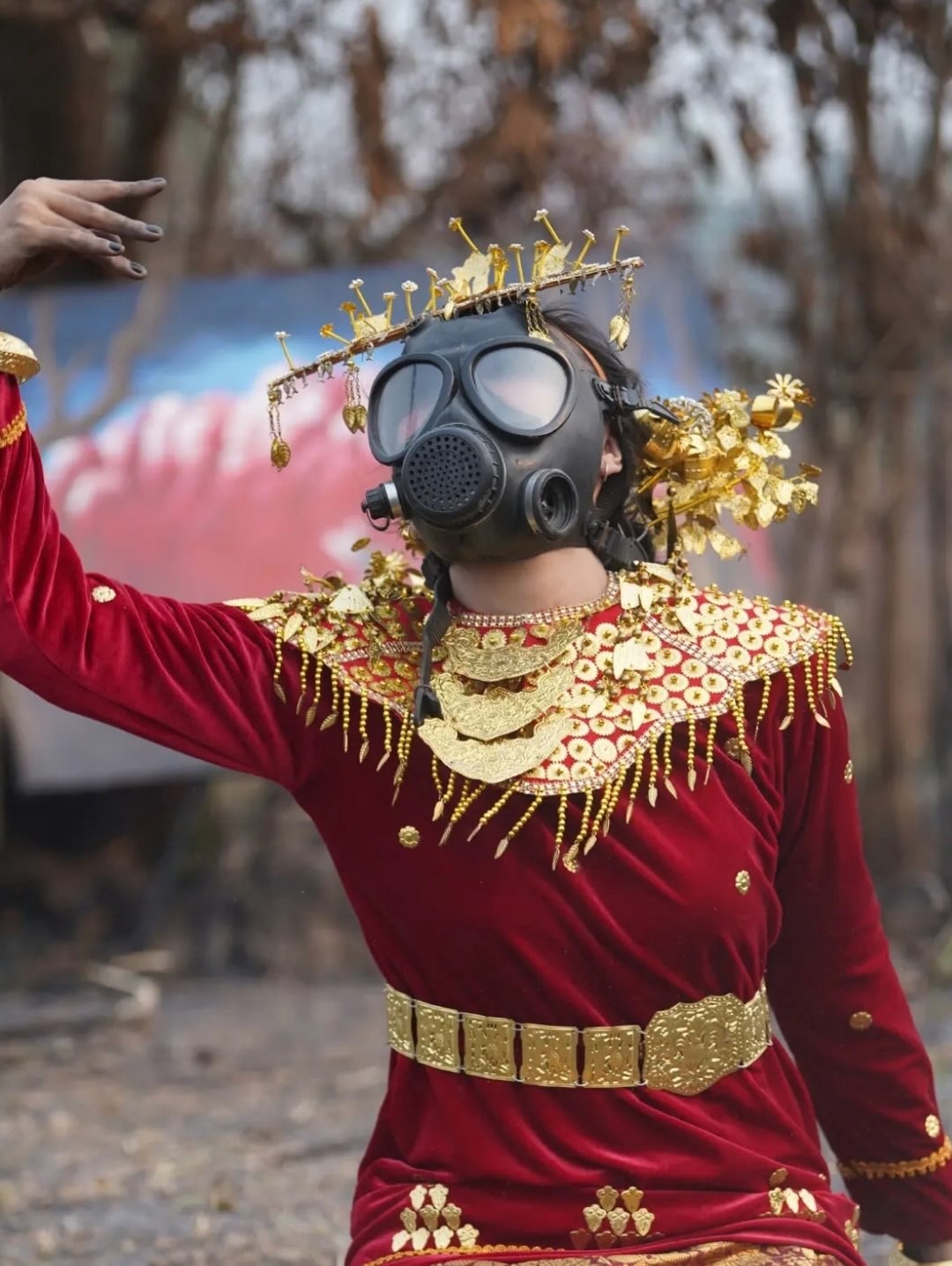
People living in areas affected by haze still need to go to work, attend school, travel, and carry out their daily activities. The smoke isn’t just something they see in photographs. It becomes part of the air they breathe.
This is why the message behind Parade Asap goes beyond protecting forests.
Clean air is part of people’s quality of life. When smoke spreads across communities, the issue becomes directly connected to people’s everyday existence.
The artists’ works therefore invite audiences to consider the forest and land fires from a wider perspective. The question isn’t simply, “How much land was burned?”
It’s also, “Who had to live through it?”
Art Can Make Environmental Issues Feel Closer
Environmental conversations often rely heavily on data and statistics. Those things are important, but they don’t always make people emotionally connect with an issue.
Art can work differently.
A photograph of traditional clothing against a burned landscape can immediately create a sense of contrast. Something associated with beauty and cultural pride is placed next to evidence of destruction.
That visual tension can make audiences stop and think.
Why are these two things being shown together?
What does the landscape say about the people standing in it?
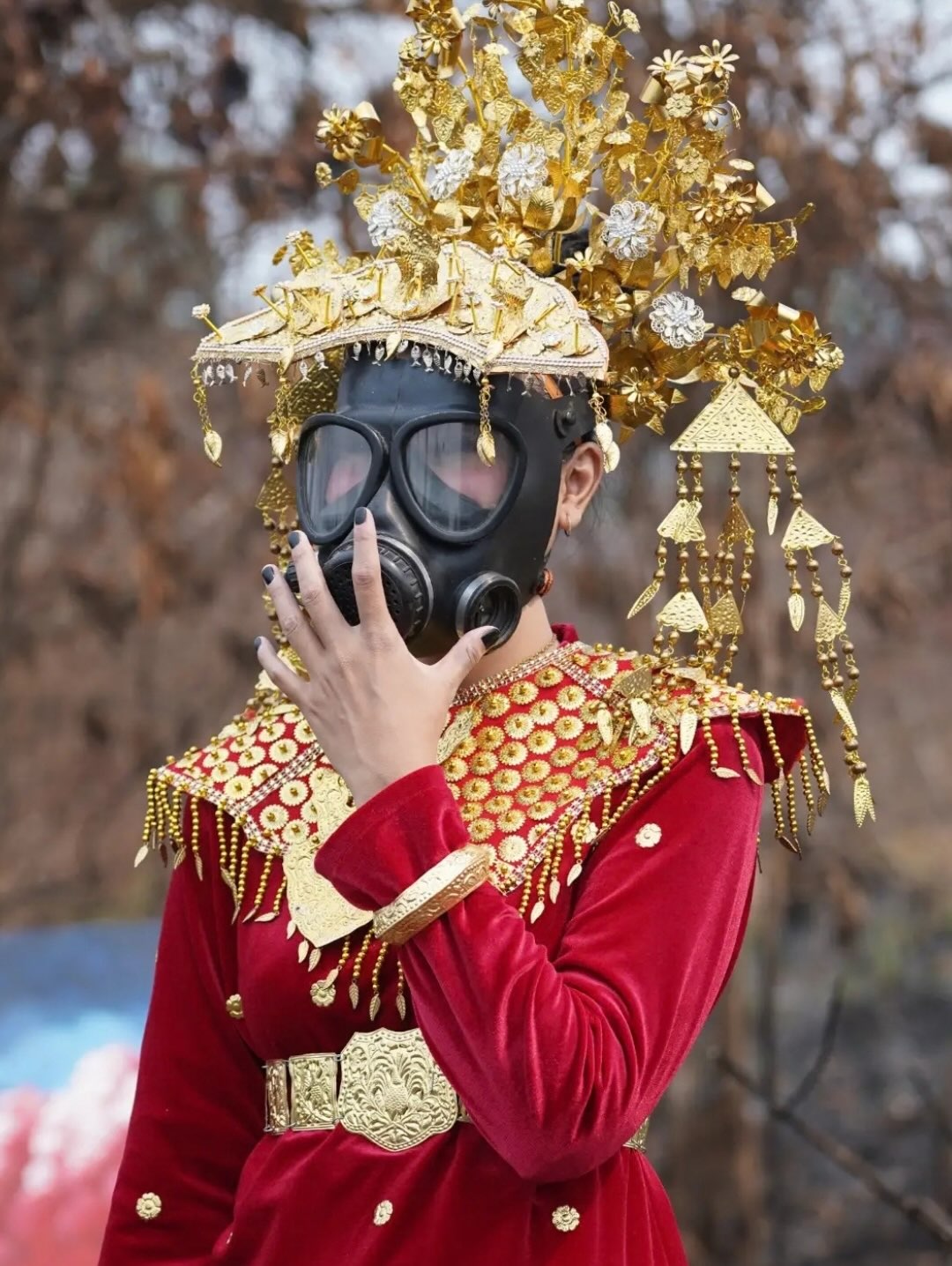
What happens when cultural identity exists alongside environmental damage?
Through Parade Asap, creative expression becomes a way to approach an issue that affects both nature and society.
The Importance of Talking About Haze
The haze caused by forest and land fires is not a new conversation, but that doesn’t make it less important.
Environmental problems can easily disappear from public attention once the immediate crisis fades. Parade Asap creates an opportunity to keep the conversation going through creative work and public discussion.
The use of exhibitions, screenings, forums, and zines also means that the issue can reach people in different ways.
Someone might connect with a visual artwork.
Someone else might be interested in a public discussion.
Another person might discover the issue through a zine.
There isn’t necessarily one correct way to engage with environmental issues. What matters is that the conversation continues.
More Than a Picture of Burned Land
Perhaps the biggest strength of Parade Asap is its attempt to shift the way we look at forest and land fires.
A burned landscape can become just another news image if we see it often enough. But behind that landscape are communities, animals, and people whose lives are affected by the consequences.
The works remind us that clean air is not a luxury.
It is a basic part of living.
When artists place traditional clothing against damaged landscapes, they create more than an aesthetically striking image. They create a confrontation between cultural pride and environmental reality.
And that confrontation leaves us with questions that are worth asking.
Why Parade Asap Matters
Parade Asap shows how art can become part of an environmental conversation without turning every discussion into a lecture.
Through visual works, public forums, video art, exhibitions, and zines, it gives people different ways to engage with the reality of forest and land fires.
Most importantly, it reminds us that karhutla isn’t only about land that has been burned.
It’s about what—and who—is left behind.
The next time we see images of a landscape covered in smoke, perhaps the question shouldn’t stop at how the fire started.
We should also ask: Who burned? Who was exposed? And who has to keep breathing the consequences?
Follow D-Muse to stay current with fashion trends, lifestyle tips, and exciting events. DM us @dmusemagz now to get all the information you need!