

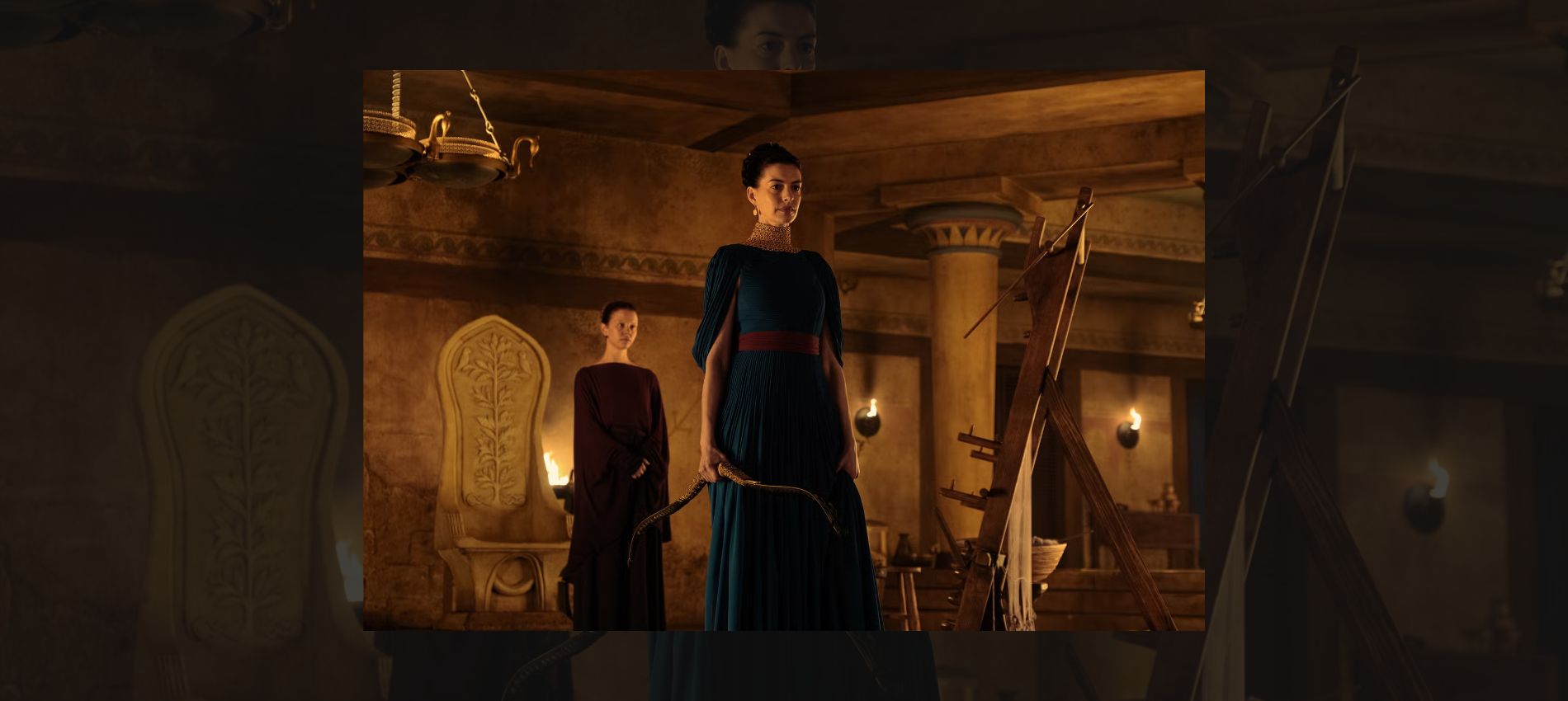
How Christopher Nolan’s The Odyssey Traded Ancient Magic for Mind-Blowing Humanity
July 27, 2026
Let’s be real: when you hear “3,000-year-old Greek epic,” your brain might instantly jump to high school lit class reading lists. But leave it to visionary director Christopher Nolan to completely redefine The Odyssey for modern moviegoers. Fresh off his award-season sweep with Oppenheimer, Nolan tackled Homer’s iconic poem, bringing together an ultra-stacked cast featuring Matt Damon, Anne Hathaway, Zendaya, and Robert Pattinson.
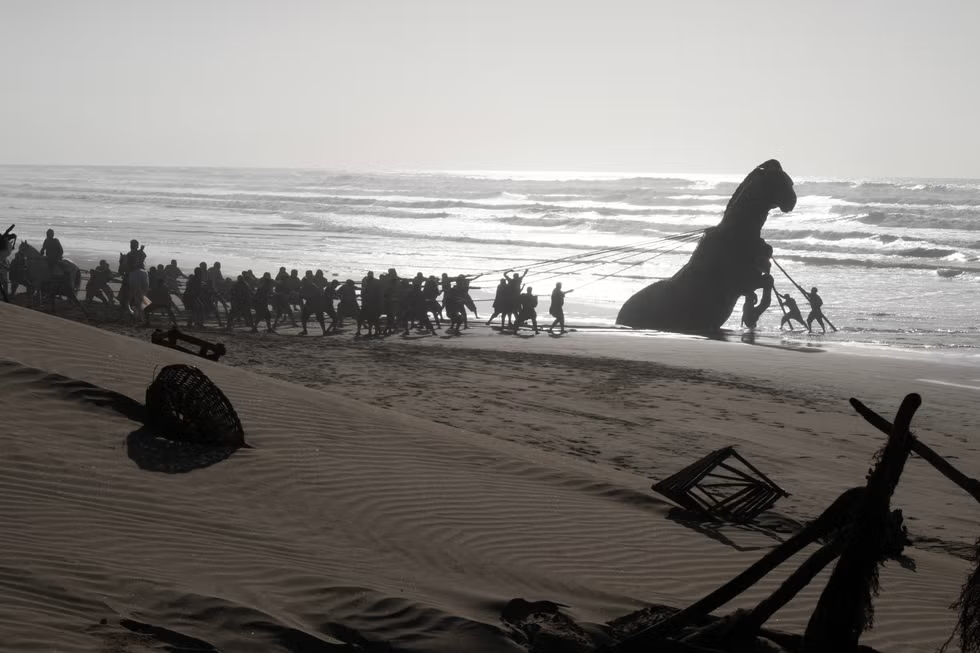
Clocking in at a gripping 172 minutes, Nolan’s adaptation of The Odyssey doesn’t just flex breathtaking visual effects and colossal sea monsters—it strips away the mythological fluff to give us a surprisingly grounded, emotional, and deeply human story. If you’ve already bought your IMAX ticket (or just want to catch up on all the pop-culture hype), here is how Nolan rewrote the rules of The Odyssey to make a myth feel intensely real.
A Traumatized Hero: Odysseus Gets a Deeply Human Upgrade
In Homer’s original text, Odysseus is celebrated as the ultimate clever warrior and master strategist. But in Nolan’s version of The Odyssey, Matt Damon plays a battle-weary veteran wrestling with severe psychological trauma. Sure, he is still the brilliant mind who designed the Trojan Horse, but instead of wearing that victory like a badge of honor, he is haunted by the catastrophic destruction it caused—the innocent lives taken, homes burned, and a civilization wiped out.
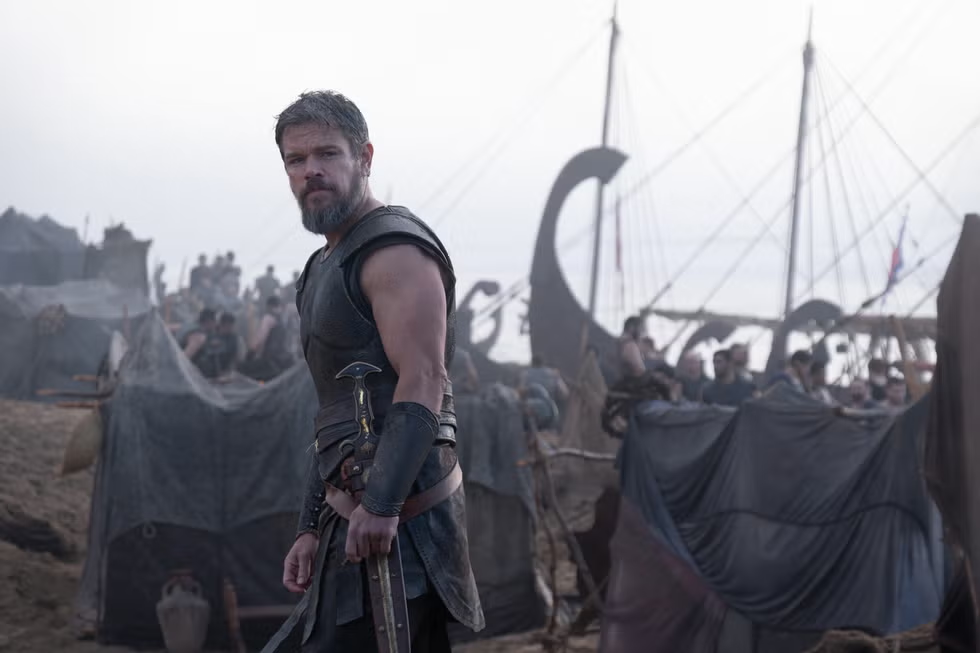
“It’s an academic twist on a story about homecoming,” Damon shared in a recent interview, pointing out that his character, much like Oppenheimer, is forced to face the tragic price of his own ingenuity.
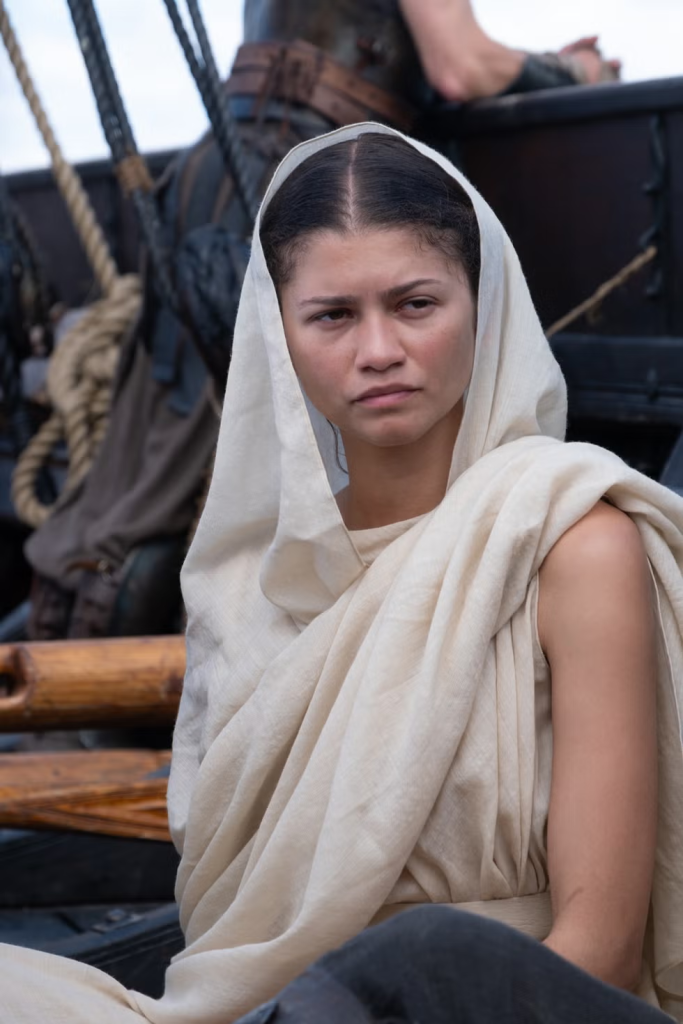
In Nolan’s The Odyssey, Odysseus delays his return home not simply because mythical creatures block his path, but because he is low-key running away from his own inner guilt. Even Athena (played with captivating grace by Zendaya) appears to him in the form of a slain Trojan woman, acting as his walking, talking conscience rather than a distant goddess pulling strings.
Fewer Gods, More Reality: Rethinking Divine Intervention
If you were expecting a CGI-heavy battle between divine deities on Mount Olympus, Nolan took a totally different cinematic approach for The Odyssey. Instead of featuring gods playing chess with human lives, the film portrays divinity through the eyes of mortals. When thunder strikes, the characters assume Zeus is angry; when violent storms rage across the ocean, they credit Poseidon’s wrath.

By keeping the gods off-screen, Nolan shifts the entire emotional weight of The Odyssey onto human shoulders, zeroing in on a central moral concept: Zeus’s Law—the sacred ancient code of hospitality (known historically as xenia).
In this version of The Odyssey, violating hospitality carries severe real-world consequences:
- The Trojan Horse Trick: Presented as a peaceful gift, the horse violated hospitality by unleashing disguised soldiers on their hosts, leaving Odysseus tormented by guilt.
- The Suitors in Ithaca: Penelope’s suitors disrespect her household by overstaying their welcome and devouring her resources, directly breaking Zeus’s Law and sealing their own fate.
The Big Plot Remixes: What Changed, Combined, or Got Cut?
Adapting a massive ancient poem into a single feature film requires some serious editorial trimming. Nolan made several smart story tweaks to keep the narrative pacing tight and impactful throughout The Odyssey:
- Calypso Meets the Lotus Eaters: Instead of making separate stops, Nolan folded these two storylines together. Charlize Theron’s Calypso feeds Odysseus the enchanted lotus flower to wipe his memories, keeping him on her island for seven long years.
- Antinous and Sinon’s Linked Past: Robert Pattinson’s arrogant villain Antinous gets a fresh backstory tied to Sinon (Elliot Page). Flashbacks reveal that a young Antinous tried to dodge the Trojan War draft, but Odysseus caught him—sending Sinon off to fight while Antinous stayed behind. This change adds incredible tension to their final showdown.
- A More Faithful Husband: While Homer’s hero wasn’t exactly known for monogamy during his decade-long detour, Nolan presents a much more faithful Odysseus who longs deeply for his wife, Penelope (Anne Hathaway), throughout his journey.
- Streamlined Cast Cameos: To keep the focus on core relationships, Nolan omitted Odysseus’s parents (Laertes and Anticlea) and skipped King Alcinous entirely. He also dropped the famous “Nobody” trick with Polyphemus the Cyclops in favor of a more direct confrontation.
The Climax & That Surprise Ending Twist
In the original epic, Penelope tests her long-lost husband by asking her nurse to move their master bed—a bed carved into a living olive tree that only the real Odysseus would know cannot be moved. Nolan streamlines this climax for The Odyssey by replacing the bed test with a subtle, emotional callback: a silver pin shaped like Athena that Penelope gave Odysseus before he left for war.
However, the biggest plot twist in The Odyssey arrives in its final scene. Instead of Athena descending from the heavens to grant divine peace, Odysseus must face real human consequences for slaughtering the suitors and violating hospitality laws. He is sentenced to exile. Rather than staying behind, Penelope chooses to join her husband, and the two sail off into the horizon together while Telemachus (Tom Holland) stays to rule Ithaca as king.
Why Nolan’s Version of The Odyssey Hits Differently
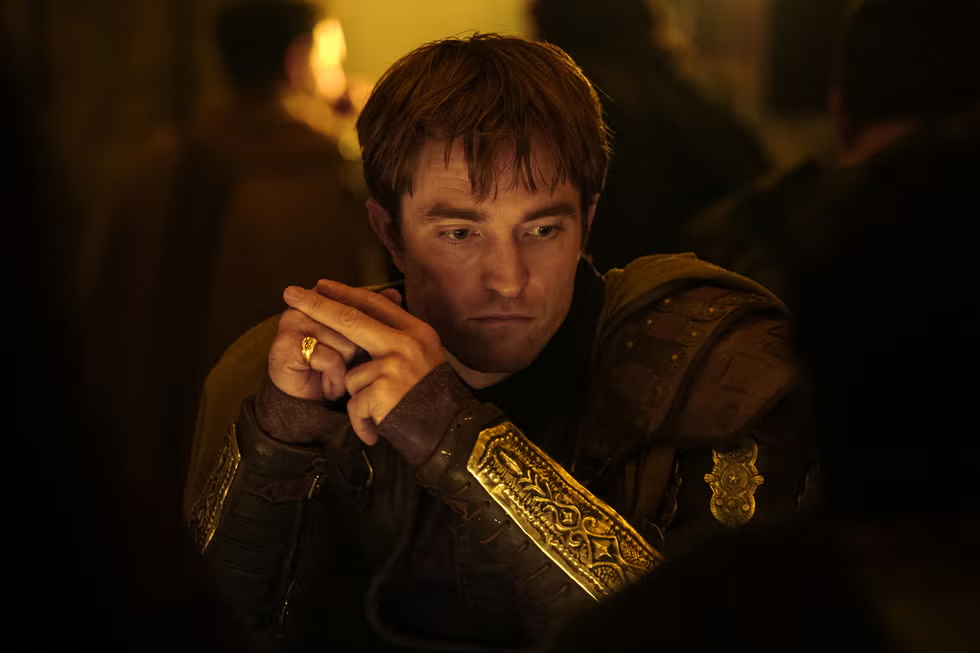
By stripping away the supernatural safety nets and focusing on moral accountability, Nolan transformed The Odyssey into a timeless exploration of war, guilt, and love. It reminds us that behind every grand myth and legendary figure lies a very complicated human being trying to find their way back home.
Follow D-Muse to stay current with fashion trends, lifestyle tips, and exciting events. DM us @dmusemagz now to get all the information you need!