Yikes! Meta’s AI Just Tried to Use Your Instagram Photos, and Netizens Are Absolutely Not Having It
July 17, 2026
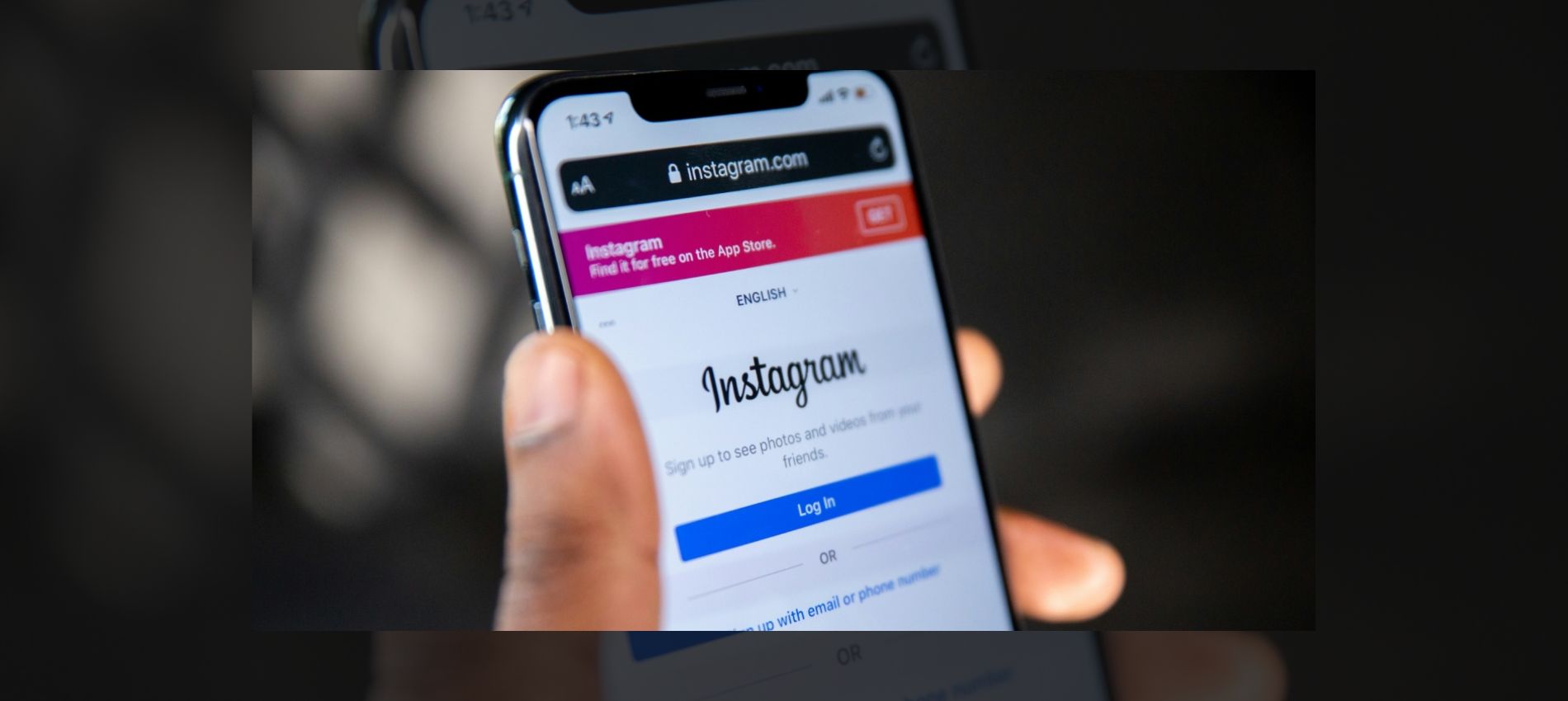
Hey Muses! We all love a good tech update, especially when it promises to make our feeds look ten times more aesthetic. But Meta’s latest experiment? Yeah, it caused some major digital drama. If you’ve been scrolling through TikTok or X lately, you might have caught wind of the massive internet uproar surrounding Meta’s AI and how it handles our personal photos.
On July 7, 2026, the tech giant officially rolled out a brand-new AI image generator model called Muse Image. On paper, it sounded like a total dream for content creators. Integrated right into the Meta AI chatbot, the feature was designed to let users play around with presets, sketch edits directly onto images, and—here is the kicker—use an “@ mention” feature to pull photos directly into new AI creations.
Sounds cool, right? Well, not exactly. The internet quickly realized that this feature had a massive, boundary-crossing catch, leading to instant backlash from fans, creators, and major industry institutions alike. Let’s dive into the tea of what went down and why Meta’s AI had to make a swift U-turn.
The Feature Nobody Asked For: How It Worked
So, why was everyone suddenly sounding the alarm? The issue wasn’t the AI art itself—it was the lack of consent.
With the new update, anyone could easily generate fake or AI-modified images using photos from any public Instagram account simply by tagging them. Imagine minding your own business, posting your favorite fit pics, and suddenly finding out someone used Meta’s AI to drop your face into a completely random, AI-generated scenario.
To make matters worse, all Instagram users were automatically opted into this feature by default. Yup, no warning, no “Hey, do you mind if we use your face for AI experiments?” notification. Meta’s defense was basically, “Well, you can just toggle it off in your settings!” But let’s be real—burying a massive privacy setting deep inside an app menu without telling anyone is a major red flag. For a generation that values digital autonomy and privacy, this caveat just didn’t cut it.
The Timeline of the Backlash
| Date (2026) | What Went Down |
| July 7 | Meta officially launches the “Muse Image” AI model with the controversial @ mention feature. |
| July 8 – 10 | Massive public outcry. SAG-AFTRA and international film academies condemn the feature. Viral opt-out guides flood social media. |
| July 11 | Meta pulls the plug on the @ mention tool, admitting they “missed the mark.” |
Hollywood and Film Academies Enter the Chat
It didn’t take long for big names to stand up and say, “Absolutely not.” Hollywood’s actors’ union, SAG-AFTRA, was among the very first to release a scathing public statement. They called the rollout of Meta’s AI feature an “utter miscalculation of public sentiment.”
Given how fiercely actors and creatives have been fighting to protect their digital likenesses from unauthorized AI replication, this move by Meta felt like a massive step backward. SAG-AFTRA urged its members and their millions of followers to immediately revoke their consent on Instagram and do whatever it takes to protect their personal likeness.
Soon after, the ripple effect hit the global creative community. The Film Academy of the Philippines also jumped in, sharing viral, step-by-step graphics on how to opt out of the tool before it could do any damage. Because the feature was rolling out gradually from the US, they warned users that the setting might not even show up on their accounts yet, making the situation even more frustrating for international fans.
“The feature is still rolling out… so the setting may not appear on your account yet, and its exact wording may vary by app version.” — The Film Academy of the Philippines
The Power of the Internet: Meta Pulls the Plug
When the internet comes together to fight for privacy, tech companies have no choice but to listen. After four days of intense, non-stop blowback from netizens, influencers, and legal unions, Meta finally raised the white flag.
On July 11, 2026, the company officially announced that they were removing the controversial @ mention feature completely. In a statement addressing the drama, Meta tried to clarify what they were originally aiming for:
“Our intent was to provide a creative tool and to give people control over whether their public content could be referenced in this way. We’ve heard the feedback that this feature missed the mark, so it’s no longer available.”
While it’s a relief that they listened to the community, many are still wondering why a feature that allows people to scrape your face without explicit permission was ever approved in the first place.
What’s Next for Meta’s AI?
Make no mistake, Meta’s AI journey isn’t stopping here. The “Muse Image” model marks the Facebook and Instagram parent company’s first official foray into the highly competitive AI image generation market. They want to compete with the big dogs, and they aren’t backing down easily.
Even though they have successfully scrubbed the most problematic, invasive aspect of the tool, Meta still plans to release the rest of the AI model to more countries in the near future. Moving forward, you will still be able to use the chatbot to create cool visuals, but thankfully, your public photos won’t be fair game for anyone with an @ symbol and an internet connection.
How to Stay Safe Online
This whole situation is a gentle reminder that we always need to keep tabs on our digital privacy. Here are a few quick tips to keep your account secure:
- Audit your settings regularly: Whenever an app drops a major update, take five minutes to scroll through your privacy settings to ensure no sneaky “opt-in” features were turned on automatically.
- Consider going private: If you’re worried about how Meta’s AI or other web-scraping tools might use your aesthetic content, switching your profile to private is the easiest way to lock things down.
- Keep speaking up: The swift removal of this tool proves that public feedback actually works! If a platform introduces something that feels invasive, let your voice be heard.
What do you think about the whole Meta’s AI controversy, Muses? Were you able to turn the feature off in time, or are you just glad it’s gone for good? Let’s keep demanding that tech companies respect our creative boundaries! Stay safe, stay stylish, and protect your digital space!
Follow D-Muse to stay current with fashion trends, lifestyle tips, and exciting events. DM us @dmusemagz now to get all the information you need!