

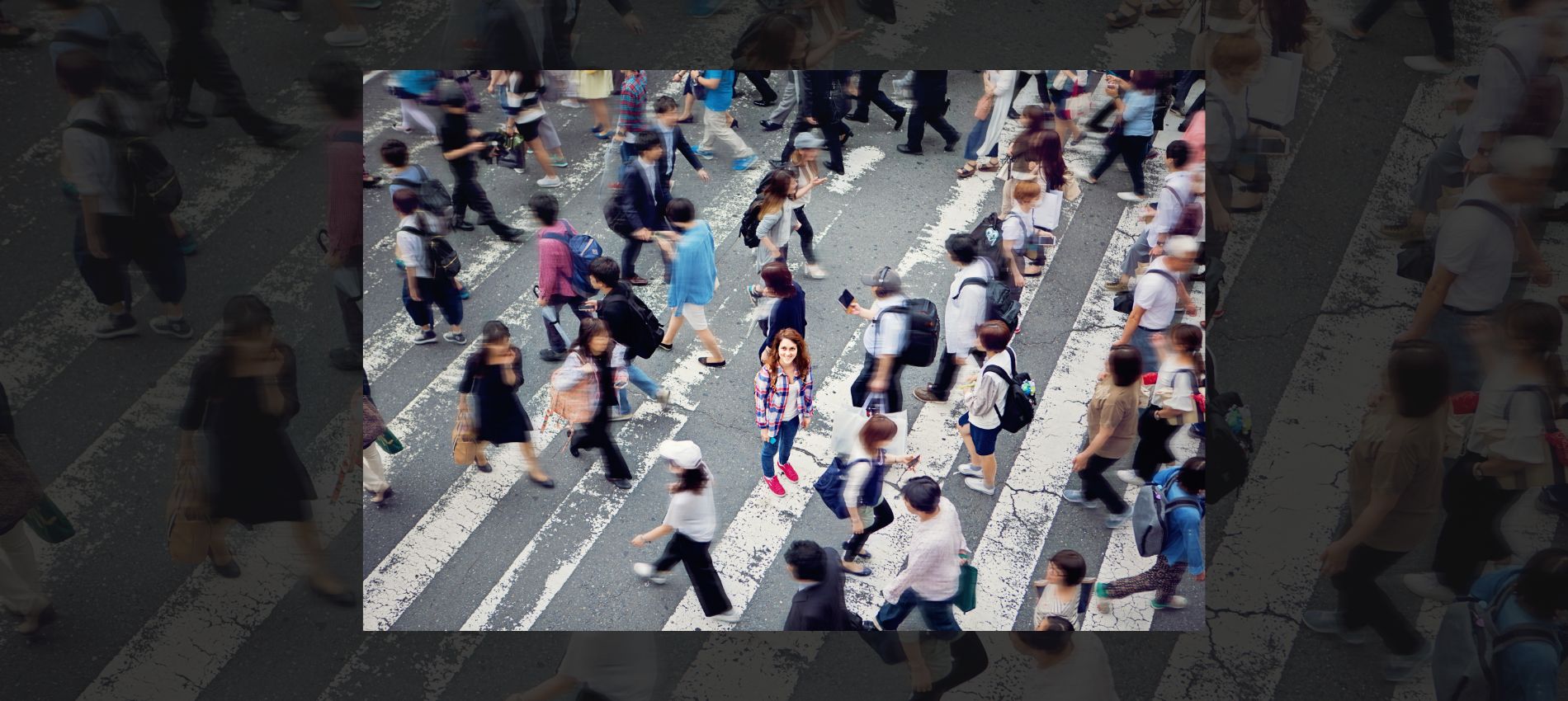
Alone in the VIP: Why Loneliness Hits Different in 2026 (And How to Handle It)
April 20, 2026
Have you ever been at a packed music festival—maybe you’re in the middle of the crowd at Coachella 2026, surrounded by thousands of people screaming the lyrics to a Justin Bieber throwback—and suddenly, you feel a weird, sinking sensation in your chest? Like, despite the neon lights and the high-energy “jedag-jedug” beats, you’re actually totally on your own?
If you’re nodding your head, first of all: welcome to the club. Second: it’s not just you.
At D-Muse Magz, we usually spend our time obsessing over jennie’s latest Ray-Ban drop or Jonathan Anderson’s sculptural vision for Dior. But today, we’re getting a little deeper. We’re talking about loneliness—specifically that strange, paradoxical feeling of being lonely even when you’re in a crowd. In a world that’s more “connected” than ever via Apple ecosystems and social media, feeling isolated has actually become the ultimate “unspoken” trend of 2026.
1. The Paradox of the ‘Digital Crowd’
In 2026, we are never technically alone. Our phones are basically an extension of our hands, pulsing with notifications. We watch No Na go viral on rollerblades, we “ship” the leads in Perfect Crown, and we follow every move of Blue Ivy Carter.
But here’s the tea: digital connection is like the “fast fashion” of social interaction. It looks good on the surface, but it doesn’t always have the warmth or the durability of the real thing. Loneliness often stems from a lack of meaningful connection, not a lack of people. You can have 10k followers and still feel like no one actually knows the “you” that isn’t filtered through a “Barblandria” pink aesthetic.
2. Why ‘Coachella Loneliness’ is a Real Thing
The desert festival is the perfect metaphor for modern loneliness. You’re surrounded by the “Best Dressed” stars—people like Sabrina Carpenter in custom Dior or Lisa in her cool-toned glam. It’s a high-stimulation environment designed for peak “FOMO.”
But when you’re in a space where everyone is performing for a camera, it’s easy to feel like a background character in someone else’s movie. This “Performance Loneliness” happens when we prioritize looking like we’re having the time of our lives over actually sharing that time with the people next to us. It’s the “parasocial” gaze turned inward.
3. The Psychology: It’s Not About the Number of People
According to recent studies (and our own “Cell Village” vibes), loneliness is a psychological signal, much like hunger or thirst. It’s your brain’s way of saying your “Social Cell” needs some high-quality nutrients.
In the world of Yumi’s Cell 3, we see how Yumi struggles with love despite being a star author. She has fans, she has status, but her “village” feels quiet. This is because loneliness isn’t about being physically alone; it’s about the gap between the social contact you have and the social contact you want.
4. ‘Office Core’ and Professional Isolation
Even our work lives are contributing to the rise of loneliness. As the “Office Core” fashion trend takes over, many of us are actually working in hybrid or fully digital spaces. We might be wearing the most structured, Jonathan Anderson-inspired blazers, but we’re wearing them for a Zoom call from our living rooms.
The loss of those small, “unimportant” daily interactions—the coffee run with a coworker or the quick chat about the American Music Awards nominations—has left a hole in our social fabric. We are “productive,” but we are socially undernourished.
5. How to Break the Chain: The D-Muse Survival Guide
So, how do we handle loneliness when it hits in the middle of the crowd? It’s time for a “Style Reset” for your soul.
- Put Down the Lens: Next time you’re at a concert or a dinner, try experiencing it without the goal of posting it. The most “extra-extra” memories are the ones that only exist in your head and the heads of the people with you.
- Be Your Own Muse: Take a leaf out of Anne Curtis’s book. She explores Tokyo in Chanel, but she does it with a sense of self-assurance. Learn to enjoy your own company. If you’re your own best friend, loneliness loses its power.
- Quality Over Quantity: You don’t need a “cabal of dancers” like Addison Rae to feel supported. One or two “soul-level” friends who you can talk to about your “Heartbreak Cell” are worth more than a thousand “likes.”
- Embrace Vulnerability: In If Wishes Could Kill, the characters are forced to rely on each other to survive. While our lives (thankfully) aren’t a Netflix horror show, being honest about your loneliness is often the first step to making it disappear.
6. Loneliness as a Catalyst for Growth
Believe it or not, loneliness can actually be a good thing. It’s a moment of “pause” in a world that never stops. It’s an opportunity to check in with your “Reason Cell” and figure out what you truly value.
Much like Olivia Rodrigo channels her sadness into a masterpiece like Drop Dead, you can use your quiet moments to rediscover your own creativity. Whether it’s starting a new hobby or finally watching that 196-minute Hamaguchi film from Cannes, solitude can be a powerful tool if you don’t let it turn into despair.
The D-Muse Final Verdict
Feeling loneliness in a crowd doesn’t mean there’s something wrong with you; it just means you’re human in a very digital world. In 2026, we’re all learning how to navigate this new landscape where the lights are bright but the connections can sometimes feel dim.
Remember: even the stars we see at the American Music Awards or on the Emily in Paris red carpet have these moments. You’re not “dunzo”—you’re just in a transition period.
Have you ever felt lonely in a crowded room? What’s your go-to “Cell Village” remedy for when the blues hit? Let us know in the comments—D-Muse is a community, and you’re always welcome in our “crowd.”
Follow D-Muse to stay current with fashion trends, lifestyle tips, and exciting events. DM us @dmusemagz now to get all the information you need!