

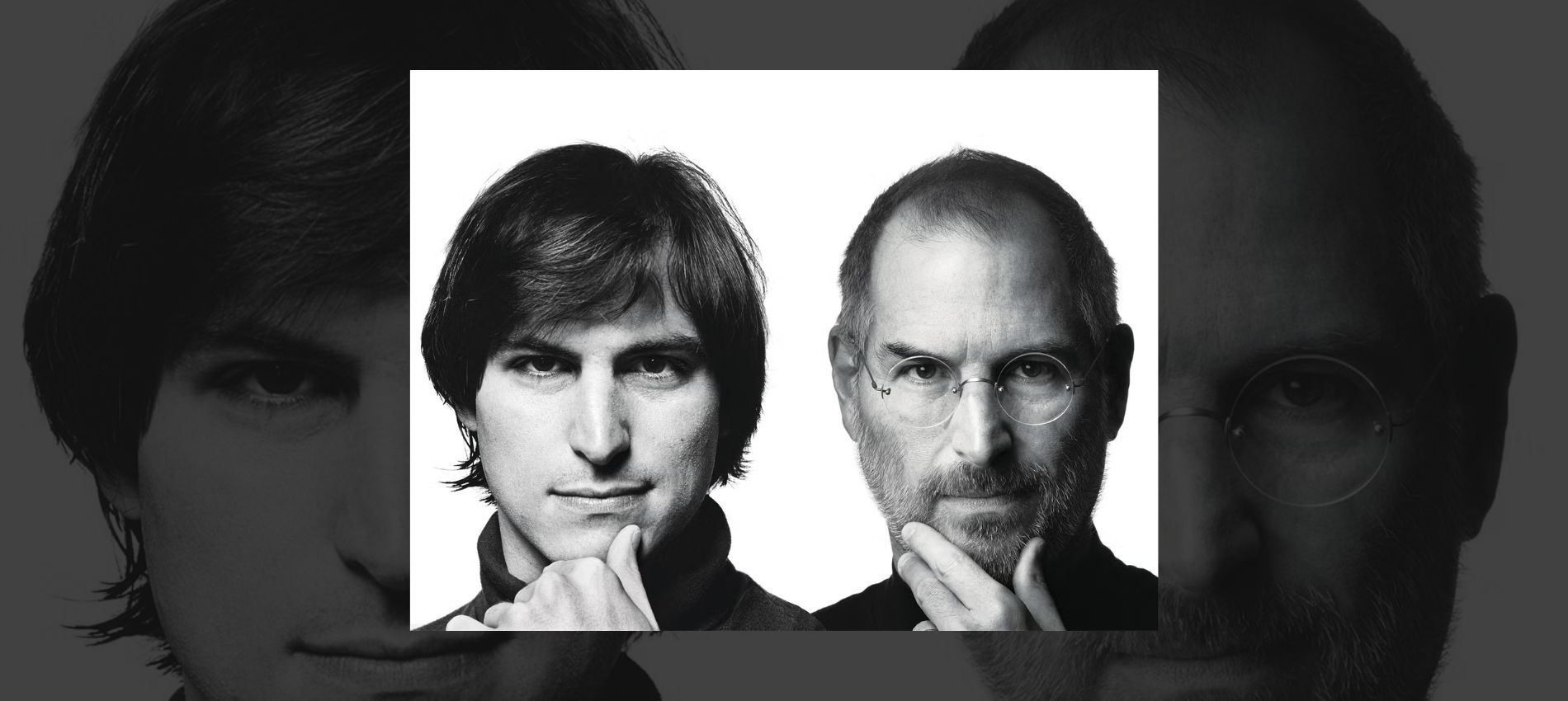
Half a Century of Bites: How Apple’s 50-Year Journey Redefined Everything We Know
April 5, 2026
Can you imagine a world without a glowing fruit logo staring back at you from your desk, your pocket, or even your wrist? It’s hard to believe, but as of April 2026, Apple has officially hit the big 5-0.
Fifty years. That’s five decades of turning “impossible” ideas into things we now can’t live without. From a literal garage in Los Altos to a trillion-dollar spaceship-shaped campus in Cupertino, the story of Apple isn’t just about computers; it’s a saga of massive comebacks, cultural shifts, and a relentless obsession with making technology look cool.
At D-Muse Magz, we’re taking a nostalgic (and slightly futuristic) look at how Apple didn’t just change the tech game—they changed us.
1. The Garage Days: When Computers Got Personal
Let’s rewind to April 1, 1976. Steve Jobs, Steve Wozniak, and Ronald Wayne (the guy who famously sold his 10% share for $800—yikes!) started a company with a vision that seemed absurd at the time: putting a computer in every home.
Before the Macintosh arrived in 1984 with that legendary Super Bowl ad, computers were beige boxes for scientists. Apple changed the narrative. They made tech friendly. They gave us the mouse, the graphical interface, and a reason to actually want a machine on our dining table.
2. The Dark Ages and the Ultimate Comeback
Every great story needs a “dark night of the soul,” and Apple had a decade-long one. After Steve Jobs was ousted in the mid-80s, the company lost its way. By the mid-90s, they were weeks away from bankruptcy.
Then came 1997. Jobs returned, the “Think Different” campaign launched, and the colorful iMac G3 hit the shelves. It was the comeback of the century. It reminded the world that Apple wasn’t just selling hardware; they were selling an identity.
[Image Suggestion: A collage showing the evolution from the original Apple I wood casing to the sleek, titanium iPhone 15 Pro.]
3. The ‘i’ Revolution: Music, Phones, and Culture
If the 80s were about the Mac, the 2000s were about the pocket.
- The iPod (2001): “1,000 songs in your pocket.” It killed the CD player and saved the music industry (via the iTunes Store).
- The iPhone (2007): This wasn’t just a phone; it was a “wide-screen iPod with touch controls,” a “revolutionary mobile phone,” and a “breakthrough internet communications device.”
The iPhone changed how we eat, sleep, date, and work. It birthed the App Store, which basically created the modern gig economy. Suddenly, everyone was a photographer, a gamer, and a social media mogul—all thanks to a piece of glass and aluminum from Apple.
4. More Than a Tool: The Lifestyle of Apple
What Apple mastered better than any other company is Aspiration. They didn’t just build a laptop; they built the MacBook, the universal symbol of the “creative professional.”
In 2026, the ecosystem is tighter than ever. Your AirPods talk to your Apple Watch, which talks to your iPad, which syncs with your Vision Pro. It’s a “walled garden,” sure, but it’s a garden with very comfortable chairs and beautiful aesthetics.
At D-Muse Magz, we’ve seen trends come and go (remember the “Anik-Anik” charms on flip phones?), but Apple products remain the ultimate canvas for self-expression. Whether you’re a “Clean Girl” with a minimalist white iPad or a tech-head with the latest Ultra watch, the brand fits your vibe.
5. Apple in 2026: The Next 50 Years
So, where are we now? As Apple celebrates its 50th anniversary, they aren’t just looking at phones. They are redefining “Spatial Computing.” The transition from the handheld screen to the immersive world of AR and VR is the new frontier.
But they’re also facing new challenges. 2026 is the year of “Conscious Tech.” Fans are demanding better repairability and even more sustainable materials. Apple has responded with “Mother Nature” approved goals, aiming for a carbon-neutral footprint across their entire supply chain.
6. Why We Still Bite the Apple
Why does a 50-year-old company still feel like the coolest kid in the room? It’s because Apple understands human psychology. They know we want things that are simple, beautiful, and “just work.”
They’ve had their misses (The Newton? The puck mouse? The “Butterfly” keyboard?), but they always pivot. They’ve survived the loss of their visionary founder, global recessions, and fierce competition.
| Era | Key Product | The “Vibe” |
| 70s/80s | Macintosh | The Rebel/The Creator |
| 90s/00s | iMac & iPod | The Cool/The Digital Native |
| 10s/20s | iPhone & Watch | The Connected/The Pro |
| 2026+ | Vision Pro | The Immersive/The Futurist |
The D-Muse Final Verdict
Fifty years of Apple has proven that technology isn’t just about specs and silicon; it’s about how it makes us feel. It’s about the “startup” sound of a Mac, the click of a MagSafe charger, and the blue bubble of an iMessage.
Apple has spent half a century teaching us to “Think Different,” and as they head into the next 50 years, we’re still buckled in for the ride.
What was your first Apple product?
Was it a chunky iPod Classic? A hand-me-down iPhone 4? Or are you a 2026 newcomer with a Vision Pro? Let us know in the comments—and tell us, what’s the one feature you’re still waiting for Apple to invent?
Follow D-Muse to stay current with fashion trends, lifestyle tips, and exciting events. DM us @dmusemagz now to get all the information you need!