

Connects you with your favorite muse
Get ready to pack your bags, besties, because we are officially heading back to Panem! The countdown is on for the next massive chapter in the Hunger Games universe, and honestly, we are already seated with our popcorn in hand.
If you’ve been living under a rock, the iconic franchise is giving us another thrilling prequel titled Hunger Games: Sunrise on the Reaping. First announced as a book by mastermind Suzanne Collins, the story is officially making its leap to the big screen. Following the massive success of 2023’s The Ballad of Songbirds and Snakes, this fifth installment is easily one of the most anticipated pop-culture moments of the year.
From the star-studded cast to the official release date, we’re spilling all the tea on everything you need to know about the new Hunger Games movie.
So, what is this new chapter actually about? Sunrise on the Reaping rewinds the clock to the 50th Annual Hunger Games, famously known as the Second Quarter Quell. For this special twist, the Capitol decides to harvest twice as many tributes from each district.

At the center of the chaos is a young Haymitch Abernathy—long before he becomes the cynical, sarcastic mentor to Katniss Everdeen. Here is the official vibe check on the plot:
The official countdown is officially on! The Hunger Games: Sunrise on the Reaping is set to hit theaters in North America on November 20, 2026, with global release dates dropping right around the same time.
Lionsgate gave us a gorgeous look at production, which officially kicked off in August 2025 and wrapped later that November. Filming took place in some breathtaking locations, including the stunning municipality of Somiedo in northern Spain and the historic streets of Berlin, Germany. Franchise veteran Francis Lawrence is back in the director’s chair, ensuring that signature Panem aesthetic remains perfectly intact.
Lionsgate has been feeding the fandom well. Following a couple of mind-blowing trailers that dropped earlier in the year, they blessed us with an exclusive featurette titled “Meet Haymitch.”
The footage gives us a generous look into Haymitch’s dramatic reaping on his 16th birthday, mixed with never-before-seen behind-the-scenes moments and commentary from the cast. In the full-length trailer, we even catch a glimpse of a chilling first meeting between Haymitch and the franchise’s ultimate big bad, President Snow.
The casting directors definitely understood the assignment. The lineup for Sunrise on the Reaping is a flawless blend of rising Gen-Z icons and Hollywood royalty. Here is your official guide to who is who in the new Hunger Games arena:
With the stellar cast, an iconic director at the helm, and a story that digs deep into the dark history of Panem, Sunrise on the Reaping is shaping up to be an absolute cinematic triumph. The countdown to November 20, 2026, starts now. May the odds be ever in your favor!
Follow D-Muse to stay current with fashion trends, lifestyle tips, and exciting events. DM us @dmusemagz now to get all the information you need!
Let’s be real for a second: if you thought the younger generation was only using their smartphones to film TikTok transitions, stream the latest K-pop music videos, or hunt down the most aesthetic cafés in Bali, you’ve got it all wrong. The digital landscape is shifting fast, and the youth are leading the charge. A groundbreaking study dropped by Samsung Electronics Co., Ltd.—the Samsung Youth Survey on AI—proves that Gen Z and Millennials aren’t just witnessing the tech revolution. They are literally running it.
When it comes to tech adoption, Southeast Asia Teenagers are officially paving the way, proving that Artificial Intelligence is no longer just a futuristic concept confined to sci-fi movies. Instead, it has become the ultimate daily sidekick. From leveling up their study game to unlocking next-level creative projects, young people across the region are turning AI into their primary tool for daily empowerment.
So, how deeply embedded is this tech in the lives of the younger demographic? The numbers are genuinely mind-blowing. Nearly 9 out of 10 young people in the Southeast Asian region have seamlessly integrated AI devices and services into their day-to-day lives.
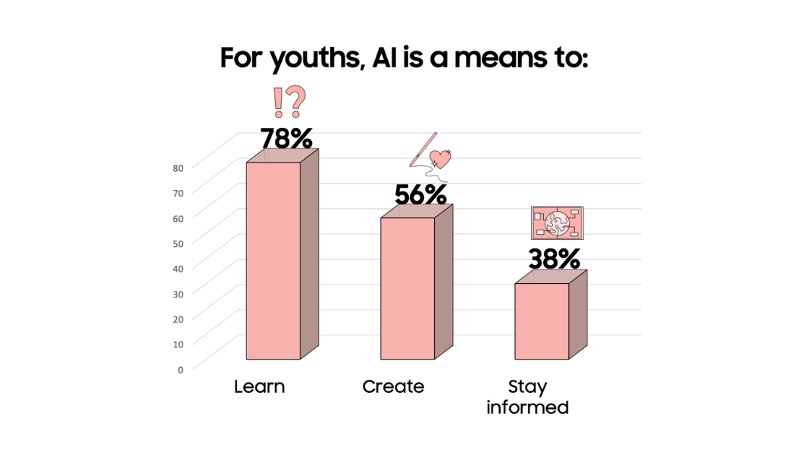
Instead of treating AI like a gimmick, they are using it to thrive in school, explore their artistic passions, and stay up to date with global news. Here is a quick breakdown of the top three ways Southeast Asia Teenagers are utilizing AI on a daily basis:
Interestingly, Indonesian youth show a slightly unique pattern. Around 73% of them lean heavily on AI for educational pursuits, 56% unlock their inner artist through creative tools, and 32% utilize it to stay informed. It’s clear that no matter the country, AI has earned a permanent spot in the modern youth toolkit.
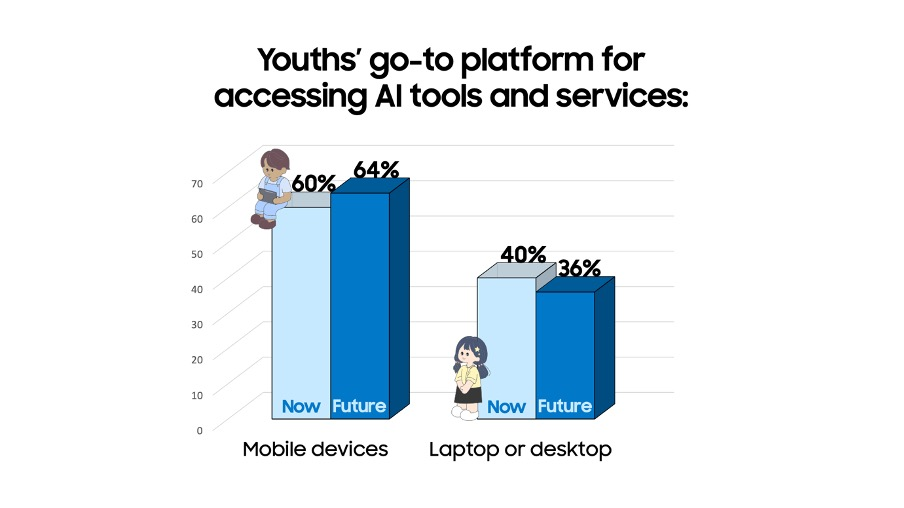
We all know that Gen Z and Millennials are mobile-first generations. They want everything accessible right at their fingertips, and AI is no exception. The survey revealed that 60% of young people in Southeast Asia prefer using their smartphones and tablets as their primary gateway to AI technologies.
In Indonesia, that preference skyrockets to an incredible 78%. The message is loud and clear: if AI isn’t optimized for a mobile screen, it simply doesn’t fit the vibe.
Editorial Note: This mobile-first trend isn’t slowing down anytime soon. Young creators expect their devices to become even smarter, more intuitive, and seamlessly integrated into their fast-paced lifestyles.
Samsung is leaning heavily into this mobile-centric future with its highly celebrated Galaxy AI ecosystem. Devices like the flagship Samsung Galaxy S25 series are establishing entirely new standards for what a smartphone can accomplish. By understanding user preferences, these devices deliver personalized AI experiences that respect user privacy.
For students and young professionals, interactive features like Circle to Search by Google and Math Solver in Samsung Notes are complete game-changers. Imagine circling a vintage jacket worn by your favorite idol on Instagram to immediately find out where to buy it, or using your notes app to break down a brutal calculus equation step-by-step. It is fast, efficient, and fits the modern aesthetic perfectly.
There is a lot of internet commentary claiming that AI is going to take over the workforce, leaving the younger generation stranded. But guess what? Southeast Asia Teenagers are far too smart and realistic to be scared off by the headlines. They are looking at the future of work with a healthy mix of fierce optimism and grounded pragmatism.
The data reveals a highly self-aware generation:
Instead of panic-scrolling over these statistics, the youth are proactively preparing to future-proof their careers. An impressive 70% of respondents expressed a passionate desire to upscale their digital literacy, improve their tech-related skills, and dive deeper into the world of AI.
Furthermore, over half of the surveyed youth—including 65% of young Indonesians—firmly believe that AI is going to fundamentally transform their future career trajectories. To support this massive wave of ambition, tech companies are democratizing access to these powerful tools. By expanding advanced Galaxy AI features to accessible mid-range models like the Galaxy A56 5G, A36 5G, and A26 5G, technology is becoming accessible to everyone, not just those buying top-tier luxury flagships.
Where is all this inspiration coming from? You guessed it: your social media feeds. When asked what influences their views on technology, 77% of Southeast Asian youth pointed directly to social media platforms. In Indonesia, that number jumps to 82%.
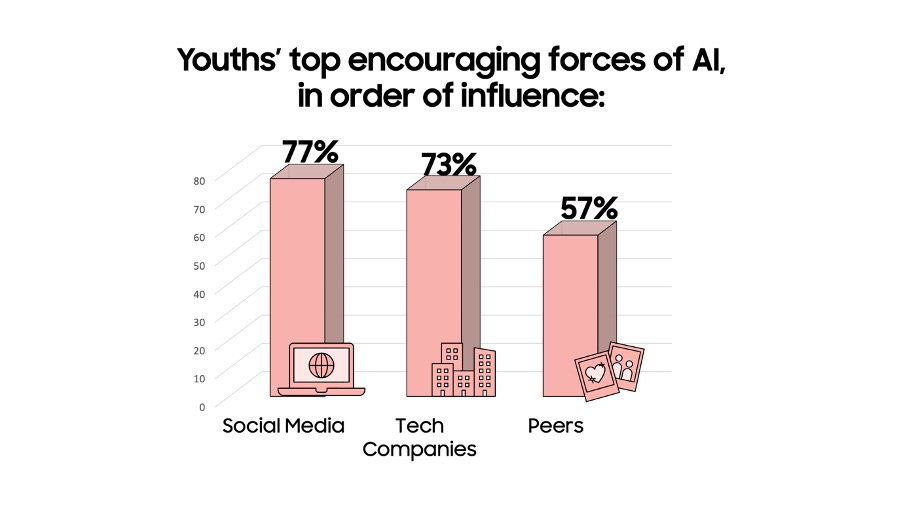
TikTok, Instagram, and online communities are the primary spaces where young people learn about new AI hacks, share creative tutorials, and discover the latest tech updates. Tech companies themselves come in as the second biggest influence at 73%, followed by friends and family at 57%.
Because social media plays such a massive role in shaping how Southeast Asia Teenagers view tech, building a safe, responsible digital environment is more important than ever. Young users want to create and experiment without worrying about their personal data leaking onto the dark web.
This is why advanced security measures—like the Personal Data Engine and the trusted Knox Vault encryption—are vital. They give creators the peace of mind to build, write, and innovate with total confidence.
Beyond the hardware, continuous investment in education is what will truly bridge the gap between casual users and future tech leaders. Programs like the global Samsung Solve for Tomorrow contest encourage young minds to use tech to solve real-world community issues. Meanwhile, the Samsung Innovation Campus is actively preparing the next generation for the workforce by offering specialized courses in AI, the Internet of Things (IoT), and Big Data.
Ultimately, the youth of Southeast Asia are proving that they aren’t just letting the future happen to them. They are picking up their smartphones, opening up their favorite AI tools, and designing the future on their own terms.
Follow D-Muse to stay current with fashion trends, lifestyle tips, and exciting events. DM us @dmusemagz now to get all the information you need!
Let’s be real, besties—we are officially entering our vigilante justice era, and we have one specific show to thank for it. If you’ve been glued to your screens watching Teach You A Lesson, you know exactly what kind of gripping, high-stakes energy we’re talking about. The series, which stars the brilliant Kim Moo Yul as the ultimate badass Na Hwa Jin, completely stole our hearts by taking a sledgehammer to the corrupt Korean education system.
Alongside the fierce squad from the Educational Rights Protection Bureau (ERPB), Na Hwa Jin steps into schools overrun by violence, bullying, and absolute chaos. Instead of playing by a broken rulebook, he restores order by any means necessary. It’s satisfying, it’s morally grey, and it leaves you craving more stories about ordinary people standing up when the system completely fails them.
If the action-packed confrontations and chaotic good energy of teach you a lesson left a massive void in your watchlist, don’t panic! We have curated the ultimate list of five must-watch K-dramas that will give you that exact same adrenaline rush. Grab your snacks, get cozy, and let’s dive into these binge-worthy masterpieces.
If you loved the strategic takedowns of bullies in Teach You A Lesson, then Weak Hero Class 1 needs to be your very next stop.
This drama introduces us to Yeon Si Eun (played by the phenomenal Park Ji Hoon), a model student who looks completely harmless. He’s quiet, stays out of trouble, and honestly just wants to study in peace. But when the school’s ruthless bullies mistake his quiet nature for weakness, Si Eun flips the script. Instead of relying on pure muscle, he uses his absolute genius of a brain, physical laws, and psychology to dismantle his tormentors.
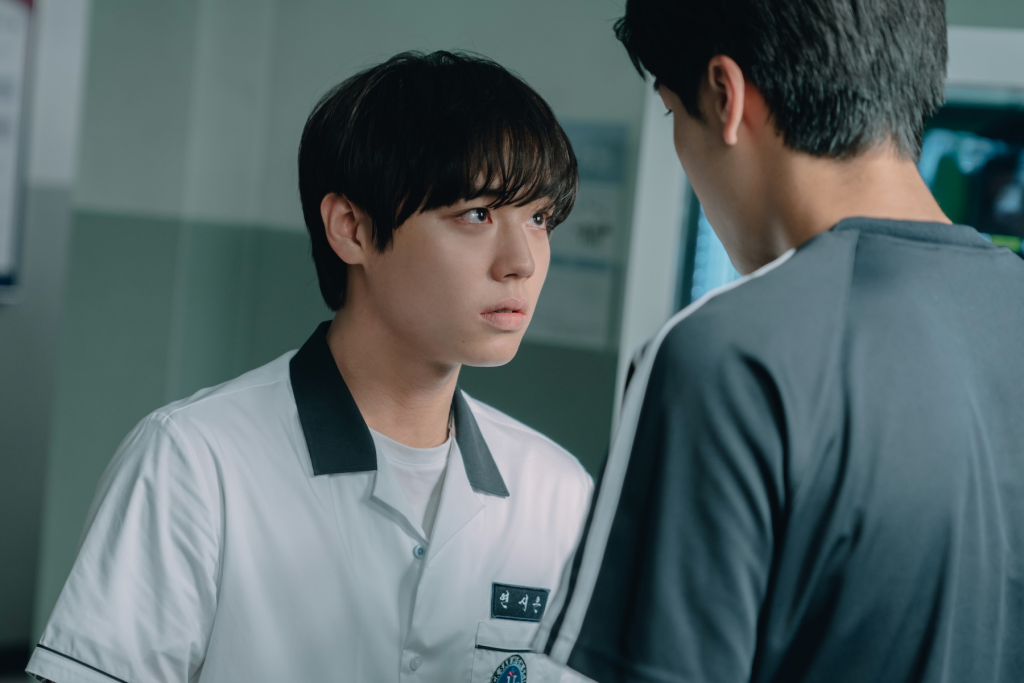
Alongside his unlikely new friends—former athlete Ahn Su Ho (Choi Hyun Wook) and the deeply troubled Oh Bum Seok (Hong Kyung)—Si Eun navigates a terrifyingly dark school hierarchy.
Why it’s a match: Much like Teach You A Lesson, this show proves that intelligence and a calculated strategy can be deadlier than brute force. Plus, the raw, emotionally devastating friendships and flawlessly choreographed fight scenes will keep you on the edge of your seat.
Looking for something that balances intense action with a side of hilarious comedy? Say hello to Undercover High School.
Imagine being a elite National Intelligence Service (NIS) agent, only to be given your wildest assignment yet: going back to high school at 31 years old. That’s the reality for Jeong Hae Seong, played by the endlessly charming Seo Kang Jun. He goes undercover as a 17-year-old student at the ultra-prestigious Byungmun High School to track down a missing national treasure and uncover the truth behind his father’s mysterious past.
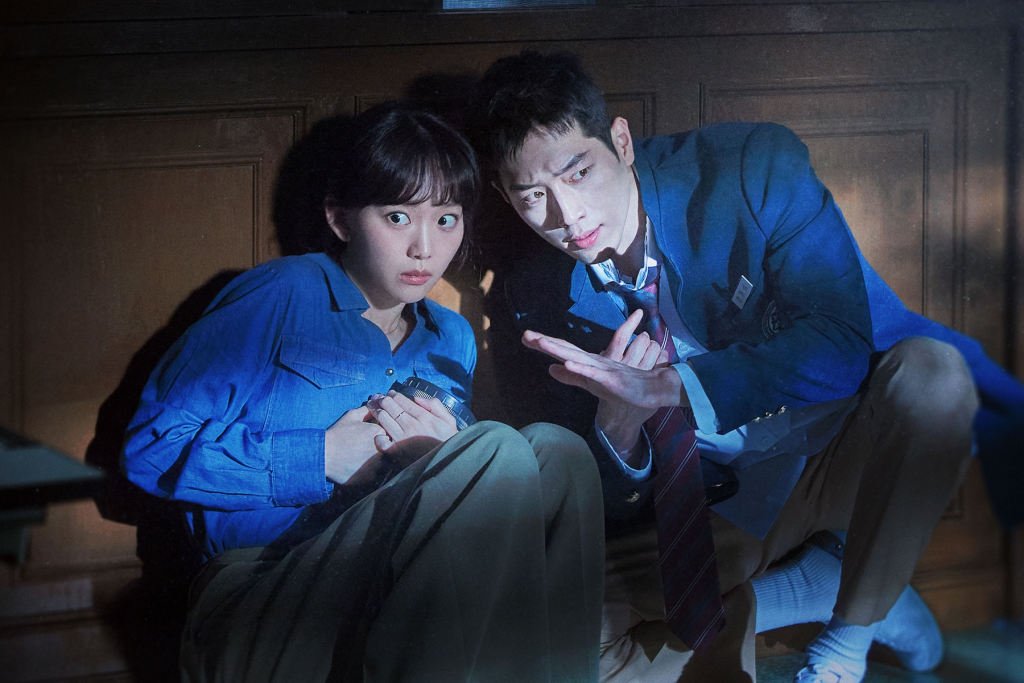
Things get wildly complicated when he has to deal with bratty teenagers, an incredibly shady headmistress, and his passionate homeroom teacher, Oh Soo Ah (Jin Ki Joo), who happens to have a major connection to his past life.
What happens when your only dream is to get good grades, but the universe made you an absolute legend at martial arts? You get the delightful irony that is Study Group.
Hwang Minhyun stars as Youn Ga Min, a sweet, naive student who desperately wants to excel academically. The catch? He is consistently at the very bottom of his class. To make matters worse, he enrolls in the toughest, most violent school in the country. While Ga Min just wants to form a quiet study group and prepare for college entrance exams, the local school gangs keep picking fights with his classmates.
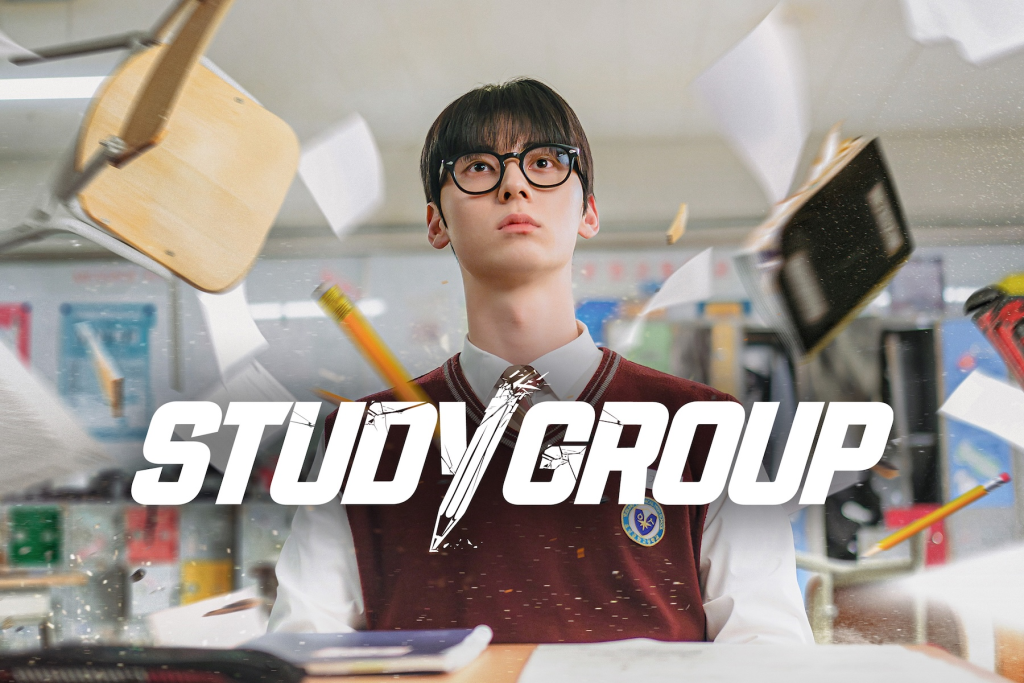
Naturally, Ga Min has no choice but to use his incredible fighting skills to protect his friends and clear a peaceful path to graduation.
If you are a fan of shorter, atmospheric thrillers that pack a massive punch, this hidden gem is about to become your new obsession.
How to Buy a Friend follows Park Chan Hong (Lee Shin Young), a completely average high schooler who accidentally gets caught up with the school’s legendary fighter, Heo Don Hyuk (Shin Seung Ho). Don Hyuk is intimidating, mysterious, and feared by everyone. However, when Chan Hong finds himself targeted by vicious bullies, he strikes an unconventional, contract-based friendship with Don Hyuk for protection.
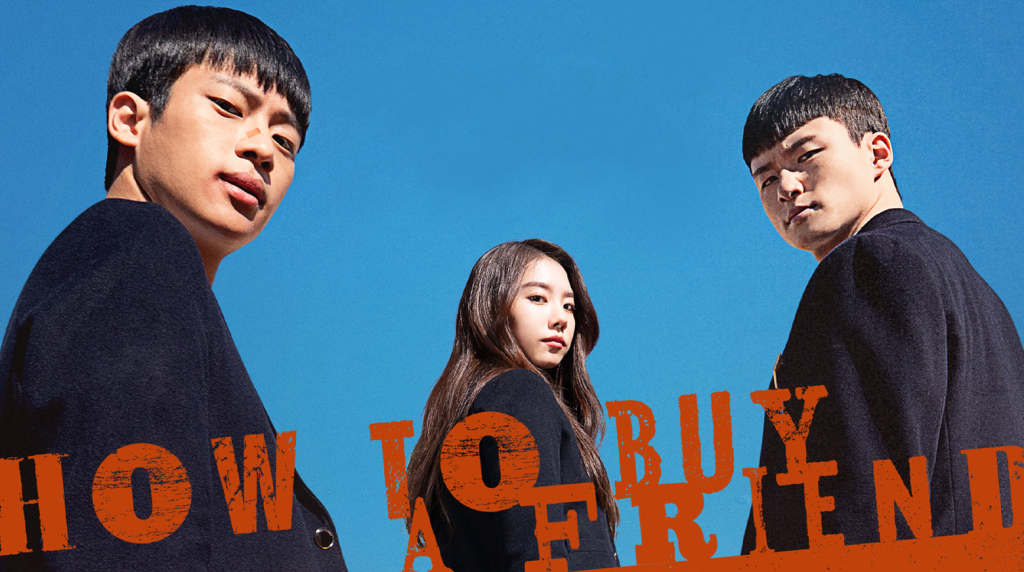
In exchange, Chan Hong helps Don Hyuk investigate the dark, unsettling truth behind his late girlfriend’s tragic death. Together, this unlikely duo starts peeling back the shiny layers of their school to reveal the ugly secrets hiding underneath.
Our Take: With its compact runtime and beautifully dark aesthetic, this drama is perfect for a weekend binge-watch. The chemistry between the leads and the realistic portrayal of youth dealing with a broken system will instantly remind you of why you loved teach you a lesson in the first place.
We couldn’t talk about vigilante justice without mentioning the absolute blueprint of the genre. If you want to move past the high school setting and see justice served on a massive, city-wide scale, Taxi Driver is your ultimate destination.
Lee Je Hoon stars as Kim Do Gi, a former special forces officer who now works for “Rainbow Taxi.” But don’t expect a normal ride-sharing app here. Rainbow Taxi is a secret underground organization that offers a very specific service: revenge-call justice for victims whom the legal system has utterly abandoned.
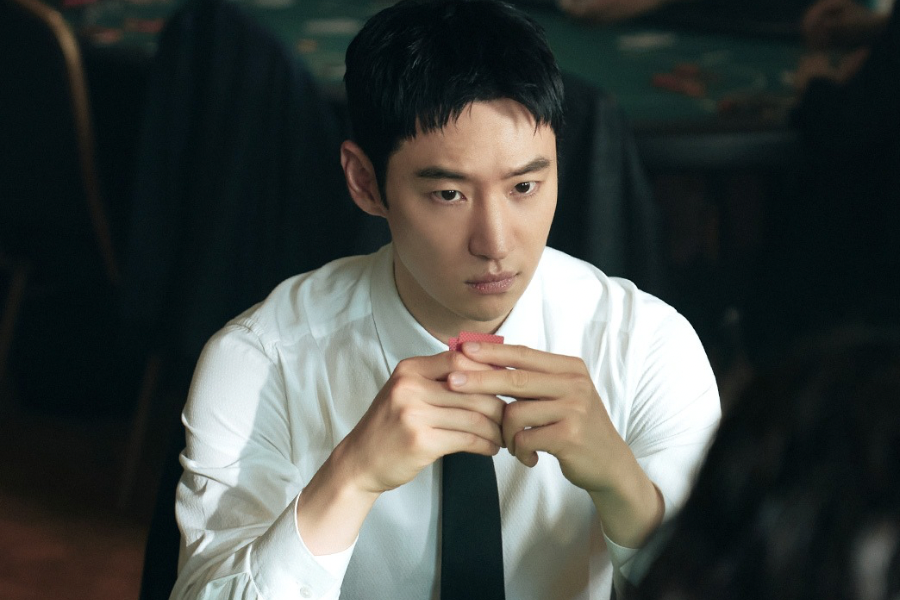
Whether he’s posing as a corporate employee, an idol manager, a teacher, or a high-rolling gamer, Do Gi goes deep undercover to systematically ruin the lives of abusers, scammers, and criminals.
There is something so incredibly addictive about watching morally grey heroes step up to teach you a lesson to those who abuse their power. Whether you choose the strategic brilliance of Weak Hero Class 1, the hilarious undercover antics of Undercover High School, or the grand-scale revenge of Taxi Driver, your watchlist is officially upgraded.
Pop your popcorn, turn off your notifications, and get ready to watch the bad guys finally get exactly what they deserve!
Follow D-Muse to stay current with fashion trends, lifestyle tips, and exciting events. DM us @dmusemagz now to get all the information you need!
Hey Dmuse besties, vibe check! If you’ve been keeping up with global tech news, you know the digital landscape just underwent a massive shift. We are officially living in the “Social Ban Era.” From Australia’s strict age-gates to Indonesia’s recent Ministerial Regulation No. 9 of 2026, and the UK’s newly minted restrictions, governments worldwide are hitting the giant pause button on social media for minors. Under-16s are officially being logged out of platforms like TikTok, Instagram, and X.
So, what happens when the most hyper-connected, tech-fluent generation in human history gets booted from the public digital square? We’re talking about Gen Alpha—the generation born from 2010 onwards, who practically learned to swipe before they could walk. If anyone thinks a few legislative walls will make Gen Alpha abandon the internet completely and go back to playing with 90s Tamagotchis, think again.
This generation is resilient, wildly creative, and deeply clever. With mainstream “algorithmic giants” locking their gates, the online habits of Gen Alpha are transforming right before our eyes. Let’s dive into where they are actually spending their screen time now.
To understand where Gen Alpha is going, we have to look at what they are leaving behind. For years, the digital playbook for kids and young teens was simple: watch viral dance challenges on TikTok, look up aesthetic “Get Ready With Me” (GRWM) routines on Insta, and stream endless algorithmic content feeds. But as countries implement hard age-verification systems—using everything from facial analysis to secure identity checks—those casual scrolling sessions are coming to an abrupt halt.
But here is the tea: the desire for community, self-expression, and pop-culture inspiration doesn’t just evaporate because an app icon gets grayed out. Gen Alpha isn’t logging off; they are simply migrating. The internet hasn’t shrunk for them—it has just changed shape, trading public scrutiny for private safety.
Since public feeds with algorithmic recommendations are the primary targets of the 2026 bans, Gen Alpha is retreating into gated digital communities. If they can’t post a public reel, they’ll share it in a hyper-private space.
Let’s look at a quick breakdown of how Gen Alpha is reallocating their screen time in this new era:
| Old Digital Routine (Pre-Ban) | New Digital Routine (The Ban Era) |
| Mindless scrolling on TikTok FYP | Co-creative gaming on private servers |
| Public Instagram photo dumps | Private Discord hangouts & group chats |
| Algorithmic YouTube rabbit holes | Curated, parent-approved streaming hubs |
| Following viral internet strangers | Obsessing over niche, localized micro-muses |
As the data shows, the trend is rapidly moving away from passive consumption and toward active, collaborative creation.
While mainstream social networks are locked tight, gaming environments that prioritize building and private communication are stepping up. Even though some massive platforms face heavy scrutiny, localized, heavily moderated, or self-hosted virtual spaces are where Gen Alpha finds their community.
Minecraft servers, customized indie sandboxes, and educational virtual worlds are seeing a massive surge in engagement. In these spaces, Gen Alpha isn’t just passively absorbing a feed tailored by a corporate algorithm. Instead, they are actively building cities, designing virtual outfits, and hosting digital watch parties with their real-life friends. It’s an interactive, digital version of hanging out at the local mall—minus the creepy algorithm trying to sell them anti-aging serums at age 11.
Here at Dmuse, we’re obsessed with style and inspiration. So, we had to ask: if Gen Alpha can’t scroll through the Met Gala red carpet or check out Lisa from BLACKPINK’s latest style drops on a public feed, how do they stay trendy?
The answer is beautiful in its nostalgia: curated media and micro-muses. Instead of getting their pop-culture fix from a chaotic feed of random creators, Gen Alpha is turning to trusted, curated digital publications, parental co-viewing channels, and community-driven newsletters. Co-viewing has become a massive trend. Parents—mostly Millennials who grew up during the golden age of the internet—are stepping in as digital gatekeepers, sharing approved culture updates, style guides, and music videos with their kids. It’s bringing back a shared family media experience that we haven’t seen since the early 2000s.
Perhaps the most unexpected plot twist of the social ban era is happening entirely offline. Because screen time is becoming more structured and restricted, Gen Alpha is craving real-world connection more than ever.
We are witnessing a massive revival of the physical “third space”—places outside of home and school where young people can just exist. Niche board game cafés, skateparks, community art studios, and aesthetic dessert spots are becoming packed with young teens. When they do go online, it’s often to coordinate these real-life link-ups. The internet for Gen Alpha is returning to its original, healthiest purpose: a tool to enhance real life, rather than replace it.
Make no mistake, the social ban era isn’t the end of digital culture for Gen Alpha—it’s just a massive glow-up. By moving away from toxic algorithms and public scrutiny, this generation is building a digital world that is more private, creative, and intentional.
They are trading viral fame for genuine friendships, and mindless scrolling for active creating. As the ultimate bridge between fans and their inspirations, Dmuse will be right here tracking every single move they make. Because no matter where Gen Alpha decides to spend their time online, you can bet they’ll do it with style.
Follow D-Muse to stay current with fashion trends, lifestyle tips, and exciting events. DM us @dmusemagz now to get all the information you need!
Hey there, gorgeous muses! Pull up a seat and get your iced lattes ready, because we need to talk about the absolute cultural reset dominating our feeds right now. If you thought the World Cup was just for die-hard sports fans screaming at TV screens in crowded pubs, think again. This summer, the soccer pitch has officially merged with the fashion runway, and the world’s elite IT-girls, top models, and pop icons are leading the gorgeous charge.
We are officially living in the golden era of “Femme Footale”—a vibrant, hyper-feminine evolution of the blockette core aesthetic we’ve been obsessing over for seasons. From the high-fashion streets of Paris and Milan to the packed stadium VIP lounges, the World Cup has transformed into the ultimate playground for trendsetters. Top models aren’t just attending the games to watch the score; they are turning match-day style into a legitimate art form.
So, let’s dive into exactly how the fashion world is completely obsessed with the World Cup right now, and how you can steal these model-off-duty looks for your own summer wardrobe!
Gone are the days of drowning in a boxy, oversized men’s football shirt (unless, of course, you’re wearing it as a micro-dress with knee-high boots). This World Cup season, fashion’s top models are completely rewriting the style playbook. The vibe is all about subverting traditionally masculine athletic wear and making it ultra-pretty, romantic, and inherently Gen-Z.
We’ve seen runway queens rocking upcycled, fitted, and personalized vintage jerseys everywhere. Independent designers and cult labels are taking note, completely transforming the silhouettes. Think corsets made entirely out of national team jerseys, or sports tops reconstructed with delicate lace sleeves, ruffles, bows, and eyelets.
The ultimate outfit formula dominating street style right now? It’s surprisingly simple but looks like a total luxury serve:

It’s sporty, it’s Coquette, and it balances casual comfort with high-fashion drama perfectly.
You know a sporting event has officially captured the cultural zeitgeist when luxury fashion houses and streetwear giants drop exclusive, limited-edition capsules. This year’s tournament has brought out some of the most iconic collaborations we have ever seen, with pieces selling out faster than actual stadium tickets. Top models have been spotted flexing these exact collections on their socials, proving that sports merch can be incredibly chic.
Here is a quick breakdown of the World Cup design collabs that are currently living rent-free in our minds:
| Brand Collaboration | The Key Aesthetic | How the Models Are Styling It |
| Miaou x Adidas | Y2K-inspired corsets, low-rise fits, and cropped soccer tops. | Paired with low-rise denim skorts, chunky belts, and XXL tinted sunglasses. |
| Puma x Ahluwalia | Vibrant, culturally rich T7 track skirts and graphic neon track pants. | Styled with clean, sleek buns, oversized silver hoops, and structural heels. |
| Kith & Messi for Adidas | Monogrammed soccer shorts, premium leather details, and retro raglan tees. | Worn casually with oversized vintage leather jackets and high-end canvas tote bags. |
| Levi’s x U.S. Soccer | Nostalgic strawberry-pink denim jackets, ringer tees, and structured jorts. | Mixed and matched for the ultimate relaxed, effortless Euro-summer aesthetic. |
Beyond the classic sportswear giants, even luxury houses are getting skin in the game. We’ve seen superstars like Salma Hayek Pinault kicking off festivities in custom-tailored Gucci suits, while icons like Rihanna and Victoria Beckham continue to serve as the ultimate blueprints for sports-luxe fashion.
If you want to fully embrace the World Cup energy without wearing a literal team jersey, don’t worry—the style world has plenty of alternatives. Top models are proving that the real magic is found in unexpected sportswear pieces and playful accessories.
Long, satin Bermuda soccer shorts are having a massive style moment. Models are pairing them with ironic graphic baby tees featuring cheeky slogans like “the ref can’t hear you babe” or “I just want both teams to have fun.” It’s effortless, it’s slightly cynical, and it screams Y2K cool girl.
Pro-Tip on Accessories: Don’t skimp on the details! To elevate your look from “gym class” to “runway ready,” lean heavily into contrasting aesthetics. Wear your knee-high athletic socks with pointed-toe kitten heels or strappy metallic sandals. Add chunky silk ribbons to your hair, throw on some futuristic sporty sunglasses, and experiment with bold, flag-inspired nail art or tooth gems. There are absolutely no rules!
What makes this year’s tournament even more exciting is that the fashion drama isn’t just happening in the stands—it’s alive on the grass too. Have you noticed the players’ feet lately? The biggest visual signature of the current matches is the sudden explosion of “Barbie pink,” fuchsia, and neon lilac football boots on superstars like Jude Bellingham and Vinícius Júnior. When the athletes themselves are leaning into the pink fashion revolution, you know the beautiful game officially belongs to the fashion girlies.
Ready to channel your inner off-duty supermodel for the next big watch party? Here are three easy-to-recreate outfit formulas guaranteed to turn heads:
At the end of the day, this World Cup fashion movement is a celebration of self-expression, community, and refusing to be put in a box. You don’t need to know every single rule of the offside trap or keep track of every statistic to appreciate a gorgeous, reworked jersey or a killer pair of sneakers.
Fashion is all about having fun, breaking boundaries, and finding inspiration in the most unexpected places. Right now, sports culture is providing the perfect canvas for our favorite style muses to paint on.
So, which team’s color palette are you planning to rock this season? Are you going vibrant Brazil yellow, sleek Argentina blue, or a full Y2K neutral look? Let us know, stay stylish, and may the best-dressed nation win!
Follow D-Muse to stay current with fashion trends, lifestyle tips, and exciting events. DM us @dmusemagz now to get all the information you need!
Hey babes! Grab your favorite iced matcha and get comfortable because the ultimate summer event has officially arrived, and it is completely taking over our feeds. Yes, we are talking about the 2026 World Cup! Co-hosted by the spectacular trio of the United States, Canada, and Mexico, this year’s tournament is completely changing the game. We aren’t just talking about sports here; this month-long extravaganza is a full-blown cultural reset where high fashion, viral music, and intense stadium energy collide.
With 48 teams competing for the first time ever, the opening days have given us everything we could possibly ask for: history-making performances, insane on-pitch drama, and red-carpet-worthy opening ceremonies that absolutely broke the internet. Whether you are a hardcore soccer fanatic or just here for the pure aesthetics, celebrity sightings, and stadium style, the world cup is officially the only thing worth talking about right now. Let’s dive straight into the absolute best moments from the opening week that we are still obsessing over!
Can we talk about the fact that we didn’t just get one opening ceremony, but three? Since the matches are spread across three incredible host nations, FIFA decided to completely spoil us with entertainment.

First up, the historic Estadio Azteca in Mexico City gave us pure nostalgia and high-octane energy. The queen of football anthems herself, Shakira, headlined the festivities alongside Nigerian superstar Burna Boy. Together, they delivered a jaw-dropping live debut of “Dai Dai,” the official song of the 2026 world cup. The crowd was a sea of vibrant colors, and the stage was stacked with massive regional talents like J Balvin, Belinda, and Danny Ocean. It was an absolute carnival, setting a ridiculously high bar for the rest of the tournament.
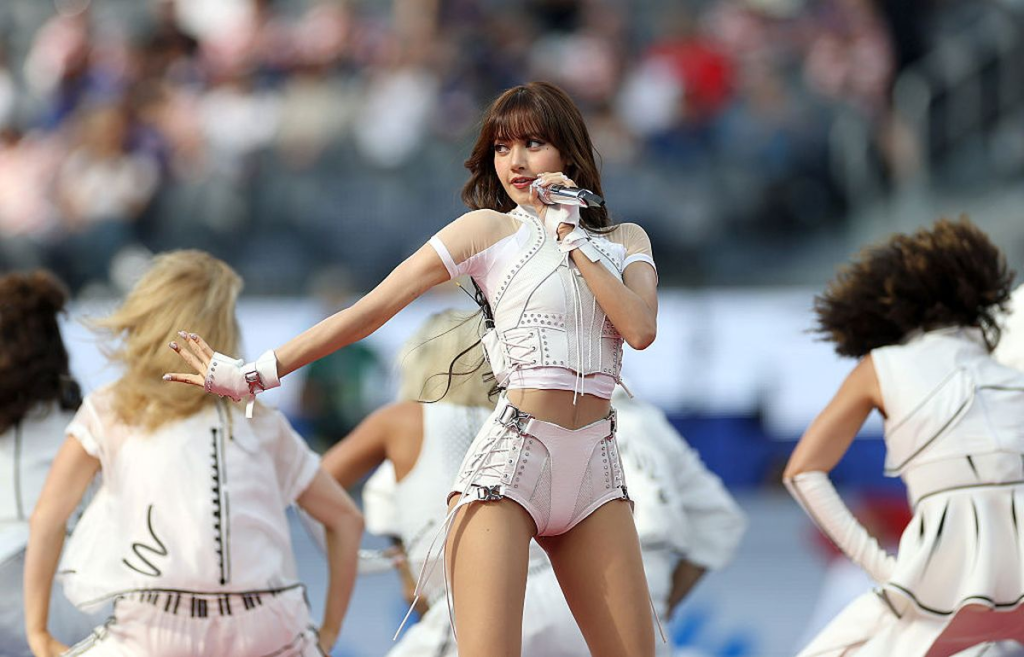
But hold on, because the party didn’t stop there. Over at BMO Field in Toronto, Canada brought out their legendary heavy hitters like Alanis Morissette, Alessia Cara, and the king of cozy pop vocals, Michael Bublé. The stadium expansion was fully packed, and the Canadian music royalty transformed the pitch into a massive festival ground.
The absolute pinnacle for us, though? The US opening ceremony at SoFi Stadium in the Los Angeles area. The lineup was practically curated for our demographic. We had Katy Perry, Future, Anitta, and our ultimate muse LISA of BLACKPINK lighting up the stage! Witnessing LISA deliver her iconic energy on a massive global sports stage was a complete dream come true. Alongside the gorgeous Tyla and Rema, the Los Angeles kickoff proved that the world cup is just as much a global fashion and music event as it is a sporting tournament.
Once the music stopped and the whistles blew, the actual games completely delivered. If you thought the group stages were going to be predictable, think again. The opening matches have been an absolute rollercoaster of emotions.
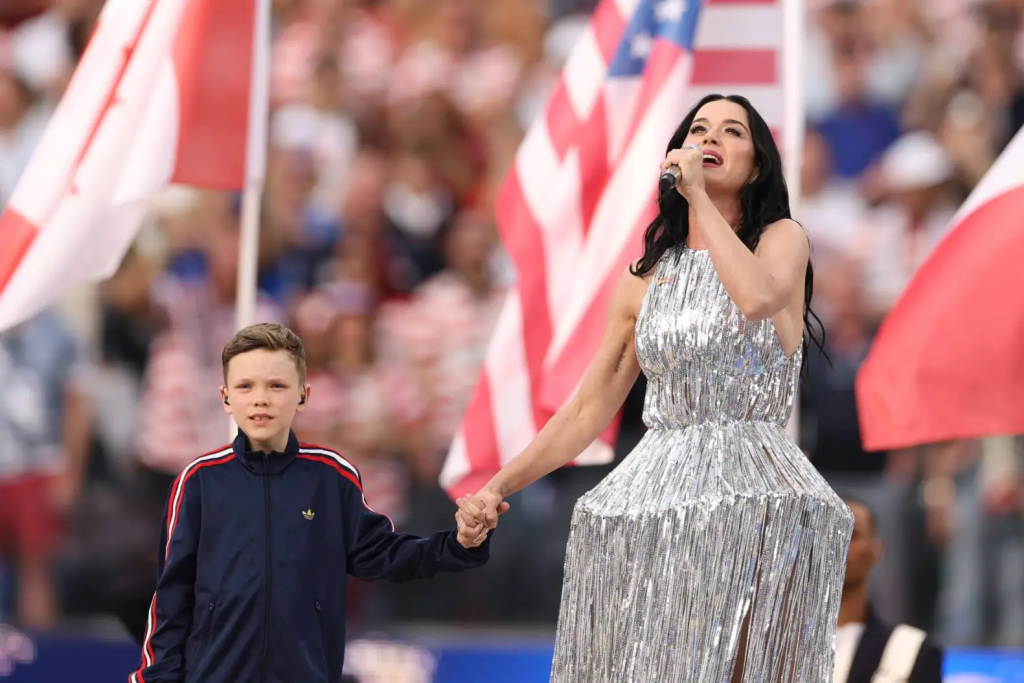
You know we couldn’t write a world cup recap without talking about the style! The fashion world has been leaning heavily into the “Blokecore” aesthetic lately—mixing vintage soccer jerseys with high-fashion streetwear—and the opening days of the tournament basically turned the stadium concourses into runways.
The US Men’s National Team stepped out in brand-new Nike kits heavily inspired by their iconic 1994 vintage looks, complete with classic retro stripes. Fans across LA, Toronto, and Mexico City have been pairing these national jerseys with oversized leather jackets, chunky silver jewelry, and designer sneakers.
“The world cup isn’t just a tournament anymore; it’s the ultimate summer style playground where sports merchandise becomes genuinely chic.”
We are seeing content creators and style icons completely reinvent what it means to look like a sports fan. From cropped custom jerseys to sleek track jackets styled with pleated micro-skirts, the stadium fashion is proving that comfort and high-trend aesthetics can live together in perfect harmony.
To keep you up to speed with who is currently dominating their groups, here is a quick look at how the biggest opening matches shook out during the first few days of the tournament:

| Matchup | Final Score | Standout Vibe |
| USA vs Paraguay | 4 – 1 | Pure American dominance & electric celebrations |
| Germany vs Curaçao | 7 – 1 | An absolute goal fest & tactical masterclass |
| France vs Senegal | 3 – 1 | Smooth, clinical, and effortlessly powerful |
| Argentina vs Algeria | 3 – 0 | Pure star power keeping the champion dream alive |
| Netherlands vs Japan | 2 – 2 | The most competitive, high-octane match yet |
With the opening days officially behind us, the momentum is only building. We have massive upcoming fixtures on the horizon, including England taking on Croatia and Portugal facing off against DR Congo. The energy is immaculate, the fan style is unmatched, and the pop-culture crossover has exceeded all our wildest expectations.
Make sure to keep your notifications turned on right here at D-Muse Magz, because we will be tracking all the viral moments, outfit inspirations, and celebrity spottings throughout this entire world cup season. Who are you rooting for this year? Let us know your thoughts, and let the games continue!
Follow D-Muse to stay current with fashion trends, lifestyle tips, and exciting events. DM us @dmusemagz now to get all the information you need!
Let’s be real for a second—we’ve all chased that elusive, glass-skin radiance through standard multi-step skincare routines and viral TikTok serums. But if there’s one thing we’ve learned from studying the wellness secrets of our favorite J-beauty icons and effortlessly chic Japanese women, it’s that the ultimate glow-up doesn’t start in your vanity cabinet. It starts in your gut.
In Japan, there’s a beautiful concept known as Inner Beauty (Inner B), which connects your digestive health directly to your physical appearance and energy levels. It turns out that the secret weapon behind their radiant skin, boundless energy, and enviable longevity is a diet packed with fermented goodness and heavy-hitting nutrients.
If you’re looking to upgrade your daily routine, incorporating an anti-oxidant rich food into your meals is the easiest way to heal your microbiome and combat the inflammation caused by modern stress. Ready to reset your system? Let’s dive into the four staple foods Japanese women rely on to keep their gut health—and their skin—in absolute peak condition.
You probably already love a iced matcha latte for your afternoon pick-me-up, but did you know it’s a powerhouse for your digestive system? Unlike regular green tea where you steep the leaves and discard them, with matcha, you are consuming the entire tea leaf in powdered form. This makes it an incredibly potent anti-oxidant rich food option that does wonders for your body.
Matcha is loaded with a specific type of antioxidant called catechins, most notably EGCG (epigallocatechin gallate). EGCG is famous for its anti-inflammatory properties, but its secret superpower is how it interacts with your gut microbiome.

Dmuse Tip: Skip the heavy artificial syrups and pair your high-grade ceremonial matcha with plant-based milks like oat or almond milk. Drink it warm in the morning to gently wake up your digestive tract!
If you’re active on wellness social media, you’ve probably seen creators taking the “Natto Challenge.” Natto consists of fermented soybeans characterized by a pungent aroma, a unique slimy texture, and long, stringy webs when stirred. While it might be an acquired taste for Western palates, it is an absolute staple at traditional Japanese breakfast tables.
Natto is a top-tier anti-oxidant rich food that packs a double punch because it is simultaneously a fermented superfood. The fermentation process creates a unique enzyme called nattokinase, alongside a massive dose of probiotics.
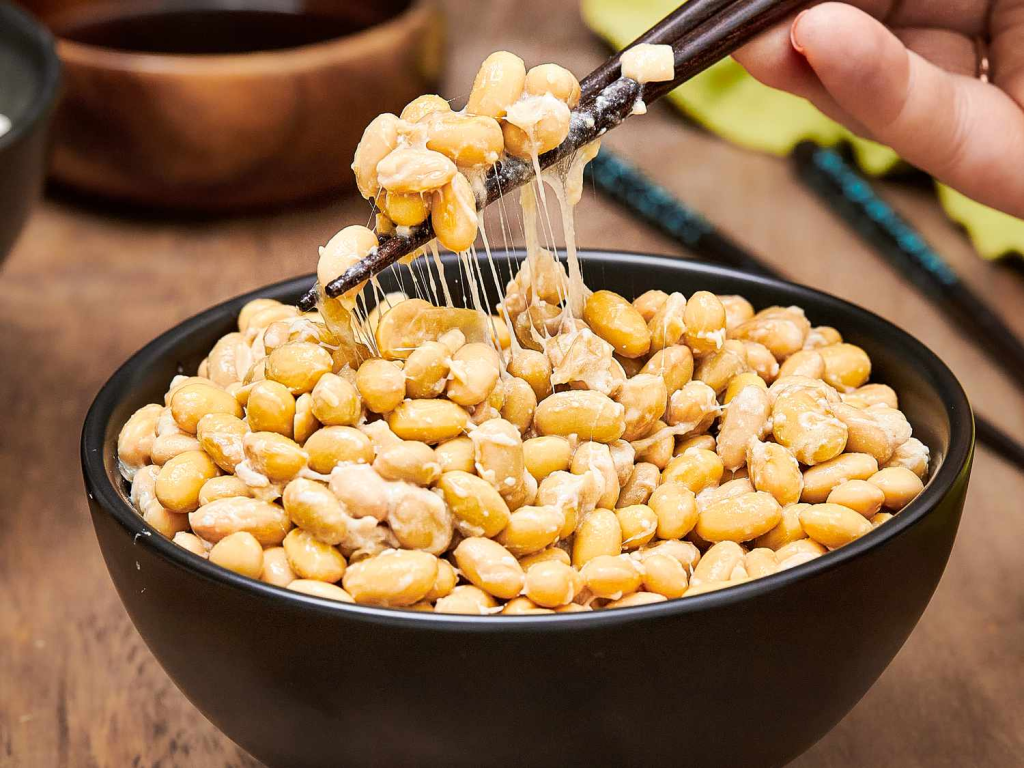
Dmuse Tip: If you’re intimidated by the texture, try mixing it vigorously with a dash of soy sauce, a drop of mustard, and plenty of chopped green onions. Eat it over a bowl of warm, steaming rice to mellow out the flavor!
There is a reason a small bowl of miso soup accompanies almost every traditional meal in Japan. Miso is a rich, savory paste made from fermented soybeans, rice, or barley. It’s savory, deeply comforting, and acts as a brilliant, versatile ingredient to keep in your fridge.
As an anti-oxidant rich food, miso contains powerful isoflavones that protect your cells from free radical damage. Because it undergoes months (and sometimes years) of natural fermentation, it becomes teeming with Aspergillus oryzae—a beneficial probiotic strain that actively supports a happy stomach.
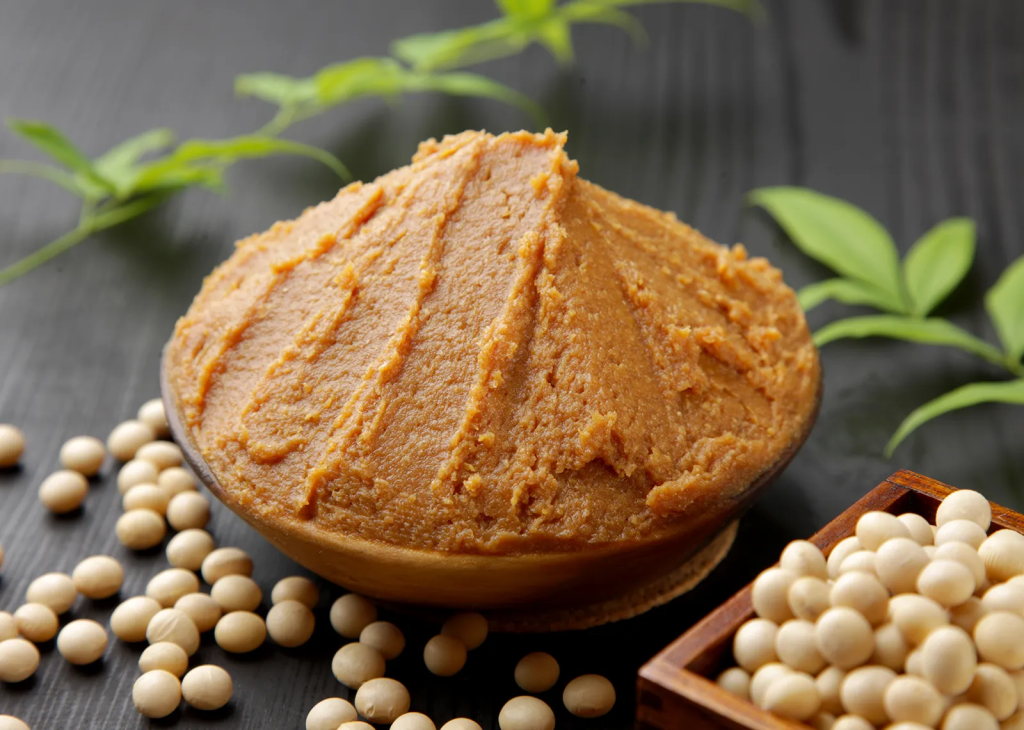
Dmuse Tip: Never add miso paste to boiling water! High heat will kill off all those amazing, live probiotics. Instead, turn off the stove, let your soup cool down slightly, and then whisk the miso paste in right before serving.
If you’ve ever noticed a bright pink, wrinkled little plum sitting in the center of a Japanese bento box, you’ve met Umeboshi. These are pickled, salted ume plums that taste intensely sour and salty all at once.
Japanese women have used Umeboshi for centuries as a natural remedy for fatigue, hangovers, and sluggish digestion. This tiny fruit is a stellar anti-oxidant rich food choice, heavily packed with organic acids like citric acid, which stimulates the entire digestive tract.

Dmuse Tip: A little goes a long way! Mince up a quarter of an Umeboshi plum and toss it into your salad dressings, or drop a whole one into a cup of hot water with a little green tea for an instant stomach-soothing tonic.
Reframing your diet around your gut health doesn’t mean you have to completely overhaul your life overnight. Japanese wellness culture is all about consistency, mindfulness, and celebrating natural ingredients.
By intentionally introducing just one anti-oxidant rich food from this list into your daily routine—whether that’s swapping your coffee for a matcha or enjoying a warm bowl of miso soup on a rainy evening—you’re giving your gut the love it deserves. Your skin, mood, and digestion will absolutely thank you for it. Which of these staples are you adding to your grocery list this week, besties?
Follow D-Muse to stay current with fashion trends, lifestyle tips, and exciting events. DM us @dmusemagz now to get all the information you need!
We’ve all seen those perfectly curated morning routines on social media—aesthetic glass jars filled with colorful capsules, powdered greens being whipped into an iced matcha, and a handful of vitamins meant to give you ultimate main character energy. From everyday magnesium and vitamin D to trendier wellness buzzwords like NAD+ and creatine, our kitchen counters are looking more like modern apothecaries these days.
But let’s be real for a second: are you actually absorbing all those nutrients, or are you just producing super expensive urine?
It turns out, there is a definitive right and wrong way to build your daily wellness regimen. If you’ve been taking all your pills at once with your morning iced latte, this Supplements Guide is the reality check your body (and your wallet) desperately needs.
Even the most dedicated wellness enthusiasts get caught off guard by the rules of absorption. Imagine investing in a pricey, time-consuming supplement routine, only to find out you’ve been nullifying the benefits because of when or how you’re taking them.
A prime example comes from a recent health check where an editor traveled to test out Neko Health—a futuristic body scan that delivers deep health insights. Despite already knowing they were iron-deficient, they were shocked when the doctor flagged that their iron levels weren’t budging. The culprit? They weren’t taking it with Vitamin C. To maximize the absorption of an iron supplement, it needs a buddy, whether that’s a dedicated Vitamin C capsule or a simple glass of orange juice.
According to Dr. Saru Bala, an integrative women’s health naturopathic doctor, timing is completely ingredient-specific.
“Timing matters, but it depends on how each compound is absorbed, whether it affects energy or sleep, and whether food is needed to prevent GI discomfort or enhance uptake,” Dr. Bala explains.
The goal isn’t to stress over the exact minute, but rather to build a consistent routine around your existing daily habits. Experts recommend breaking your day into three clear supplement windows.
To make things incredibly simple, here is how you should organize your wellness stack throughout the day to get the absolute most out of your routine.
Your morning routine should be all about hydration, gut health, and clean energy.
By lunchtime, your body is ready to process heavier nutrients that require a bit of substance to digest properly.
Your evening stack should focus on recovery, cellular repair, and deep relaxation.
Just like skincare ingredients, some vitamins are absolute power couples, while others completely cancel each other out. Refer to this quick Supplements Guide cheat sheet before mixing your doses:
| Take Together (The Power Couples) | Separate Them (The Rivals) |
| Iron + Vitamin C (Boosts absorption rates drastically) | Iron, Zinc, Magnesium, & Calcium (These minerals actively compete with one another for absorption when taken in high doses) |
| Protein + Fiber + Creatine (An amazing trio for muscle recovery and gut health) | Iron + Morning Coffee/Tea (Caffeine and polyphenols block the iron from absorbing) |
From nostalgic gummy vitamins to high-tech liposomal drops, the supplement aisle looks completely different than it did a decade ago.
At the end of the day, the best Supplements Guide is the one you can actually stick to. Find a routine that seamlessly blends into your lifestyle, prioritize a nutrient-dense diet, and always consult with your doctor to tailor your stack to your individual body goals!
Follow D-Muse to stay current with fashion trends, lifestyle tips, and exciting events. DM us @dmusemagz now to get all the information you need!
We’ve all seen them on our feeds: the aesthetically perfect TikToks and Reels showcasing the ultimate low cortisol morning routine. You know the vibe—waking up at 5:00 AM, sipping matcha in organic linen, doing a 45-minute somatic flow, and journaling by candlelight, all before checking a single email.
It looks peaceful, right? But let’s be real for a second. Trying to force yourself into a flawless, 10-step wellness routine when you’re already exhausted can actually end up stressing you out more.
According to the Mental Health Foundation, a whopping 74% of adults reported feeling chronically stressed recently. We are collectively navigating a world of non-stop digital notifications, information overload, and the constant pressure to always be “on.”
It makes sense that we’re all desperate to lower our stress hormones. But trying to optimize your self-care with the exact same frantic energy that burned you out in the first place is a trap. The nervous system doesn’t respond well to pressure disguised as wellness.
If you’re tired of feeling “wired but tired,” jaw-clenched, and unable to genuinely switch off, it’s time to ditch the performative biohacking. Here is how to actually reset your nervous system and achieve that coveted low cortisol state—without adding more tasks to your to-do list.
Think of your nervous system as your body’s chief command center. It is constantly scanning your internal and external environment, asking one core question: Are we safe, or do we need to fight for our lives?
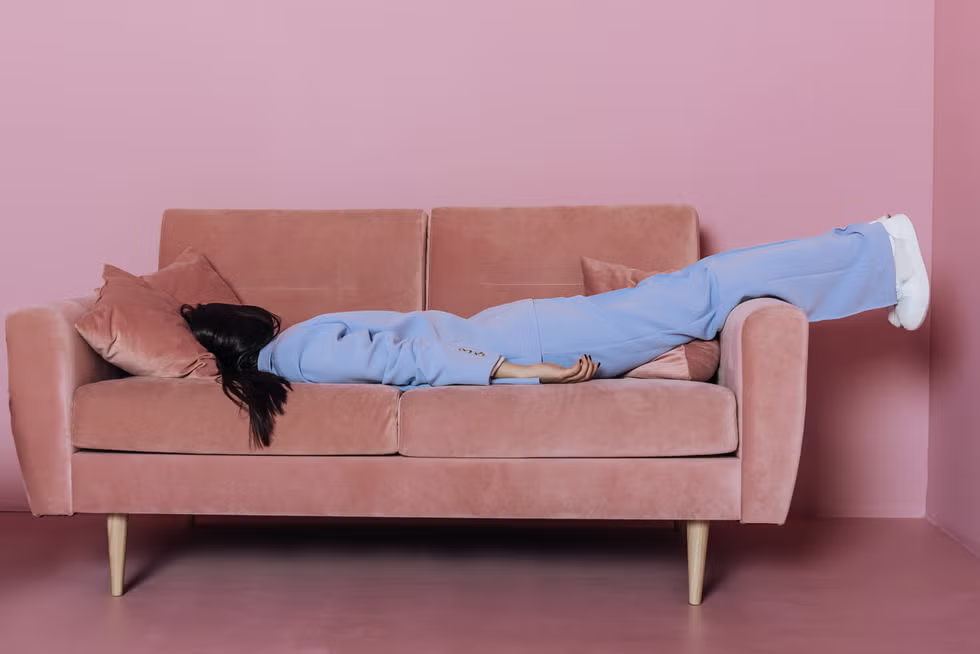
When you’re running on a never-ending treadmill of deadlines, caffeine, and late-night scrolling, your body gets stuck in sympathetic mode (fight-or-flight). Your adrenal glands pump out low cortisol levels during the day when they should be tapering off, leading to that frustrating cycle of daytime exhaustion and late-night insomnia.
The good news? Your nervous system is highly adaptive. It learns through repetition. If you teach it that it’s safe to slow down, it will naturally shift into parasympathetic mode (rest-and-digest).
Here are six incredibly simple, expert-backed ways to lower your cortisol and find your inner calm.
We wear multitasking like a badge of honor, but your brain hates it. Running around with 20 open tabs in your mind keeps your body in a constant state of low-grade panic.
A healthier, low cortisol lifestyle isn’t built on a perfectly optimized schedule; it’s built on a sustainable relationship with pace. Try doing just one thing at a time:
You don’t need a two-hour meditation practice to calm your brain. Instead, incorporate small moments of sensory stillness throughout your day.
When you feel your anxiety spiking, give yourself permission to soften. Dim the harsh overhead lights, light a grounding candle, or take a warm bath. Set a reminder on your phone just to sit in silence for two minutes. It’s about giving yourself permission to pause, feel, and breathe.
The fastest way to hack your nervous system and signal to your brain that you aren’t in danger is through your breath. Chronic stress messes up your natural cortisol curve, keeping your stress hormones elevated well into the evening.
To combat this, try the 4–6 breathing method:
Elongating your exhales instantly stimulates the vagus nerve, dropping your heart rate and coaxing your body back into a relaxed state.
[Inhale 4 Seconds] ---> [Exhale 6 Seconds] = Instant Parasympathetic Reset
You don’t need an expensive cold plunge tub to reap the benefits of contrast therapy. Controlled temperature shifts are incredible for building stress resilience.
Try ending your daily shower with 30 to 60 seconds of cold water. The brief shock stimulates your vagus nerve, teaching your body how to recover from sudden stressors. Follow it up with comforting heat to promote circulation, and watch your body shift effortlessly out of fight-or-flight mode.
It sounds a little quirky, but humming is a scientifically proven wellness tool. Because the vagus nerve passes right by your vocal cords, the physical vibrations of humming, singing, or listening to low-frequency sound baths physically stimulate the nerve. It’s a free, instant hack to lower heart rate and promote a low cortisol state wherever you are.
Never underestimate the power of a good laugh with your favorite people. Spending quality time with friends, family, or a partner triggers the release of oxytocin (the “cuddle hormone”). This happy hormone acts as a natural brake on your stress response, helping you feel safe, grounded, and connected.

“The body adapts through repetition, rhythm, and lived experience, so often the most supportive things are also the least performative.”
At the end of the day, achieving a low cortisol life isn’t about adding another chore to your morning routine or buying expensive wellness gadgets. It’s about stepping away from the pressure of constant self-improvement and focusing on simple, daily regulation.
Be kind to your mind, give yourself permission to slow down, and remember that sometimes the best self-care routine is simply doing absolutely nothing at all.
What’s your favorite way to unwind when you’re feeling completely overwhelmed?
Follow D-Muse to stay current with fashion trends, lifestyle tips, and exciting events. DM us @dmusemagz now to get all the information you need!
Hey muses! Let’s be real for a second—is there any pop culture mystery that lives in our minds more rent-free than the identity of the next James Bond? Ever since Daniel Craig officially hung up his Tom Ford tux and bid a dramatic farewell to MI6 in No Time to Die, the internet has been in an absolute chokehold of speculation. We’ve seen practically every single British actor with a sharp jawline and a well-tailored suit linked to the role.
But now that we are well into 2026, the rumor mill isn’t just rumbling anymore; it is practically screaming. With massive studio shakeups, visionary new directors entering the chat, and official casting calls underway, the race to find the world’s favorite superspy is officially on fire.
So, grab your iced matcha, because we are diving deep into the ultimate casting tea. Has the new James Bond actually been chosen, or are we still playing the most glamorous guessing game in Hollywood history? Let’s break down everything we know so far.
Before we get into the gorgeous faces vying for that legendary license to kill, we need to talk about the massive structural reset happening behind the scenes. If you thought the next James Bond movie was going to be business as usual, think again.
Amazon MGM Studios has officially taken full creative control of the franchise, steering it away from the traditional legacy rules and prepping for a total, ground-up reinvention. And their first order of business? Tapping a truly legendary creative team. The mastermind behind Dune and Blade Runner 2049, Denis Villeneuve, is officially locked in to direct the upcoming 26th film. Pair his breathtaking cinematic visuals with a script being penned by Peaky Blinders creator Steven Knight, and we aren’t just getting another action flick—we are getting an absolute cinematic event.
In May 2026, the studio dropped the ultimate bombshell by confirming that the talent search for the next James Bond is officially active. To make things even more exciting, Oscar-nominated casting director Nina Gold—the genius responsible for the flawless ensembles in The Crown and Game of Thrones—has been brought on board to find our new muse.
While Amazon MGM is keeping their lips strictly sealed, the internet’s collective investigative journalism (and a few highly credible industry leaks) has given us a spectacular lineup of top contenders. Here are the main guys currently dominating our feeds:
If you’ve been paying any attention to high fashion and pop culture lately, you know Callum Turner is having a massive, undeniable moment. Not only did he completely steal the show in Masters of the Air, but his real-life romance with pop superstar Dua Lipa has made him a permanent fixture on our mood boards.
Rumors have been swirling that Turner has been subtly hinting to friends around London that he’s in the final stages of discussions. Standing at a classic 6’2″ with an effortlessly cool, rugged charm, he fits the bill perfectly. Plus, can you imagine the absolute cultural reset of Dua Lipa recording the next iconic James Bond theme song? We are manifests this immediately.
Could an Australian actually take over Britain’s most fiercely guarded cinematic treasure? If that Australian is Jacob Elordi, the answer from fans is a resounding yes. Fresh off his incredible awards-season run for Frankenstein and his internet-breaking roles in Saltburn and Euphoria, Elordi is rumored to be right at the top of Amazon’s executive wish list.
Word on the street is that the 28-year-old actor has already met with Denis Villeneuve to discuss the role. Elordi naturally embodies that brooding, dangerous, yet impossibly sophisticated energy that defines James Bond. The only catch? Signing on for 007 means committing to a massive ten-year franchise, and an actor as booked and busy as Jacob might find it tough to lock down his schedule for that long.
We simply cannot talk about the next James Bond without talking about Aaron Taylor-Johnson. Back in 2024, tabloids went wild claiming he was practically holding the pen to sign the contract. While those reports were a bit premature, he remains a heavy hitter in the 2026 casting race.
He has already proven his elite action credentials in blockbusters like Kraven the Hunter and Tenet, proving he looks just as good sprinting through explosions as he does leaning against a luxury bar. Fans also noticed he recently became an ambassador for Omega—the official watch brand heavily tied to the James Bond franchise. Coincidence? Maybe, but we love a good easter egg.
If the producers decide to lean into a much younger, fresh-faced origin story, a couple of unexpected names are keeping fans talking. Tom Holland has openly admitted in past interviews that he pitched a younger James Bond concept to the studio years ago.
Meanwhile, House of Guinness star Louis Partridge has emerged as the ultimate Gen-Z dark horse. At just 23 years old, choosing someone like Louis would allow the franchise to build a multi-film arc tracking a young spy navigating his very first missions. It would be a total vibe shift, but definitely a forward-looking one!
According to industry insiders close to the casting rooms, Denis Villeneuve isn’t just looking for an actor who knows how to order a martini. The vision for this new era is to strip away some of the camp and return to the gritty, intense roots of Ian Fleming’s original novels.
The studio reportedly wants a James Bond who looks like “he could kill you with his bare hands in a trice.” They want raw magnetism, intense physicality, and a youthful energy that can sustain a decade’s worth of high-octane blockbusters. Because of this, the “Fresh Face Theory” is gaining a lot of traction, meaning the role could ultimately go to a rising theater actor or a newcomer we haven’t even met yet.
So, to answer the burning question on everyone’s lips: Has the next James Bond been chosen?
Officially, the studio is maintaining their mysterious aura, stating that auditions are still actively happening behind closed doors. However, with Nina Gold steering the ship and insiders hinting that an official announcement is locked for the second half of 2026, we are closer than we’ve ever been to meeting our next cinematic muse.
Whether it’s Callum Turner serving pure boyfriend material on the red carpet or Jacob Elordi bringing his signature intensity to MI6, the next era of James Bond is guaranteed to be a spectacular style evolution.
Who has your vote, muses? Let us know on socials!
Follow D-Muse to stay current with fashion trends, lifestyle tips, and exciting events. DM us @dmusemagz now to get all the information you need!