

Connects you with your favorite muse
Paris Fashion Week had another major K-pop fashion moment, and this time, all eyes were on Lisa. The BLACKPINK star attended the Louis Vuitton Spring/Summer 2027 show in Paris on October 6, 2026, and arrived with a look that felt noticeably different from her usual edgy image.
Instead of going for an overtly cool or bold aesthetic, Lisa embraced something softer, more feminine, and distinctly retro. With romantic ruffles, a sleek leather miniskirt, statement gold jewelry, and a short wavy bob, she created a look that balanced vintage glamour with a modern edge.
As one of Louis Vuitton’s most recognizable celebrity ambassadors, Lisa’s appearance was highly anticipated. And, as expected, her outfit quickly became one of the fashion moments to watch from Paris Fashion Week.
For the Louis Vuitton Spring/Summer 2027 show, Lisa wore a look inspired by the brand’s Cruise 2027 collection.
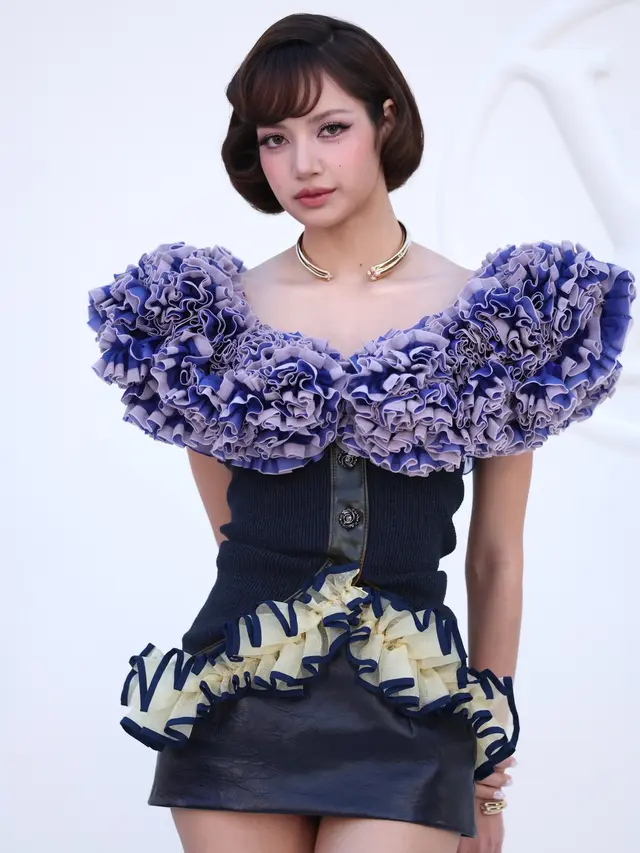
The centerpiece was a purple top featuring oversized ruffles around the neckline and shoulders. The dramatic details created plenty of volume around her upper body, giving the outfit a romantic and almost theatrical feel.
Ruffles also appeared around the waist, adding another layer of dimension to the silhouette while emphasizing its shape.
But Lisa did not let the outfit become overly sweet.
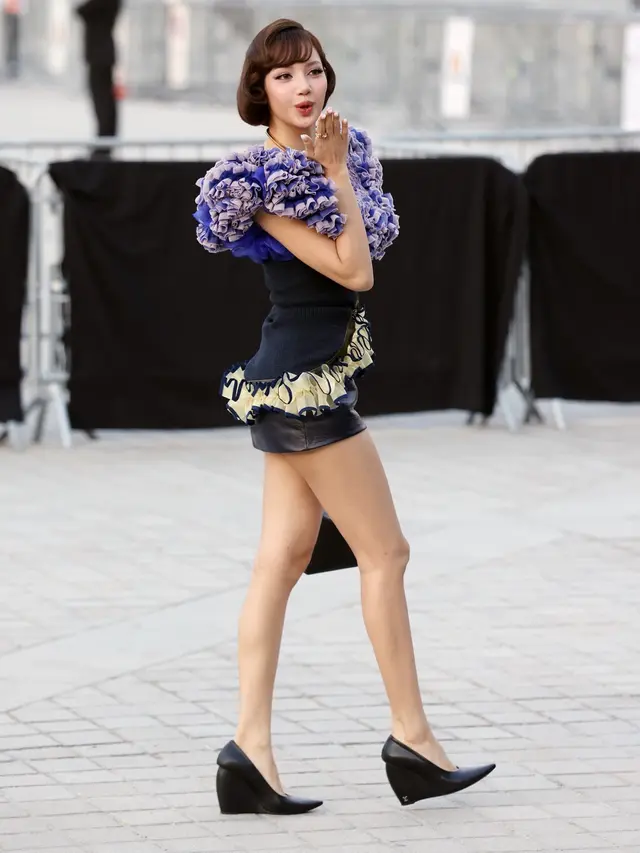
To create contrast, she paired the feminine top with a black leather miniskirt. The combination of soft, romantic ruffles and sleek leather gave the look a much stronger attitude.
It was this contrast that made the styling work so well. Instead of looking purely girly, Lisa’s outfit felt sophisticated, confident, and contemporary.
The result was a fresh interpretation of feminine dressing that still felt very much like Lisa.
The black leather miniskirt played an important role in balancing the entire outfit.
Without it, the ruffled purple top could have pushed the look heavily toward romantic or vintage territory. The leather brought a sharper element into the styling and prevented the outfit from feeling too delicate.
This combination also reflects one of the things Lisa does particularly well with fashion: mixing seemingly opposite aesthetics.
Soft versus edgy. Feminine versus cool. Vintage versus modern.
Instead of choosing only one direction, she brought several influences together into a single outfit.
The result was a look that felt dramatic without being overwhelming.
Lisa also used accessories to elevate the outfit.
She opted for a gold jewelry palette, including the Louis Vuitton LV Flower Comet Necklace and a matching LV Flower Comet Cuff.
The necklace follows the shape of the neck with curved lines inspired by the movement of a comet. Its sculptural design added another interesting element to Lisa’s look while drawing attention toward her face and neckline.
The matching cuff continued the gold theme and helped make the accessories feel connected rather than randomly added.
She also carried a mini Multipass bag featuring gold hardware, adding another luxurious detail to the ensemble.
Together, the jewelry and bag gave the look a polished finish without competing with the dramatic ruffles.
The footwear was another detail that helped complete the outfit.
Lisa wore Louis Vuitton’s Luna wedge pumps, featuring an elongated pointed toe and a distinctive curved wedge heel.
The shoes maintain an elegant silhouette while adding a slightly futuristic touch. A small LV-shaped stud detail on the heel provides another subtle connection to the fashion house.
The shoes were made with goat leather and featured a memory foam insole, combining the visual appeal of the design with a focus on comfort.
Their sleek shape worked particularly well with the short leather skirt, helping create a longer and more streamlined silhouette.
Perhaps the biggest surprise in Lisa’s look was her hair.
Known for frequently appearing with longer hair, the BLACKPINK member switched things up with a short, wavy bob.
The soft waves immediately introduced a vintage quality to the entire appearance. The hairstyle recalled old-school glamour, but the clean-cut shape kept it from looking dated.
More importantly, the shorter hairstyle exposed Lisa’s neck and ears, allowing her statement Louis Vuitton necklace to become even more noticeable.
The combination of the bob, ruffled top, leather miniskirt, and gold jewelry created a carefully balanced visual story.
Every element worked together.
What made Lisa’s Paris Fashion Week appearance especially interesting was how different it felt from some of her previous fashion moments.
She is often associated with edgy, contemporary styling, but this time she leaned into femininity and vintage-inspired glamour.
That does not mean Lisa abandoned her signature attitude. Instead, she interpreted the softer aesthetic in her own way.
The leather skirt kept the outfit grounded, while the sculptural accessories added a modern element. Even the retro hairstyle felt fresh rather than costume-like.
It showed that Lisa can move between different fashion identities without losing her own personality.
Lisa’s outfit also complemented the overall direction of Nicolas Ghesquière’s Louis Vuitton Spring/Summer 2027 collection.
The collection explored lighter and more fluid styles, including sheer dresses, flowing silhouettes, and lightweight jackets designed with warmer weather in mind.
Lisa’s outfit took a slightly different route.
Rather than directly copying the collection’s lighter aesthetic, she created her own interpretation through romantic ruffles, leather, statement jewelry, and vintage-inspired hair.
That distinction is important. Celebrity fashion at a runway show is not always about wearing a collection exactly as it appears on the catwalk. It can also be about taking elements from a designer’s creative world and translating them into an individual’s personal style.
Lisa did exactly that.
At Paris Fashion Week, where every guest is expected to make an impression, standing out is not easy.
Yet Lisa managed to do it without relying on an overly complicated outfit.
The secret was contrast.
The ruffles brought romance. The leather added attitude. The gold accessories introduced luxury. The vintage bob created a nostalgic touch, while the clean silhouettes kept everything feeling current.
Instead of choosing between classic and contemporary fashion, Lisa combined both.
And that is probably what made the look so memorable.
Lisa’s appearance at the Louis Vuitton Spring/Summer 2027 show proved once again why she remains one of K-pop’s most closely watched fashion figures.
Her feminine ruffled top, black leather miniskirt, sculptural gold jewelry, pointed wedge pumps, and vintage-inspired bob created a look that was elegant without being predictable.
More than simply following a trend, Lisa put her own spin on Louis Vuitton’s fashion language. The result was a sophisticated mix of retro glamour and modern edge—exactly the kind of fashion moment that makes Paris Fashion Week so much fun to follow.
Follow D-Muse to stay current with fashion trends, lifestyle tips, and exciting events. DM us @dmusemagz now to get all the information you need!
The world of K-pop and high fashion continues to become more connected, and the latest rising star to make a stylish entrance is Keonho from CORTIS. The youngest member of the group recently made his official runway debut at the Chanel Spring/Summer 2027 show in Paris, marking an exciting milestone in his growing career.
Designed by Matthieu Blazy, the Chanel collection explored a modern approach to the brand’s iconic identity. Among the models walking the runway, Keonho stood out with his effortless appearance, proving that his charm extends beyond music and performance.
For a young idol making his first major fashion appearance, Keonho’s Chanel debut became a memorable moment that introduced him to a wider international audience.
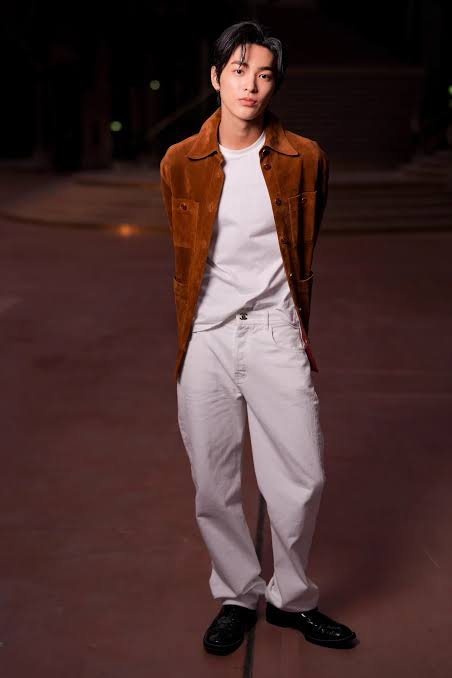
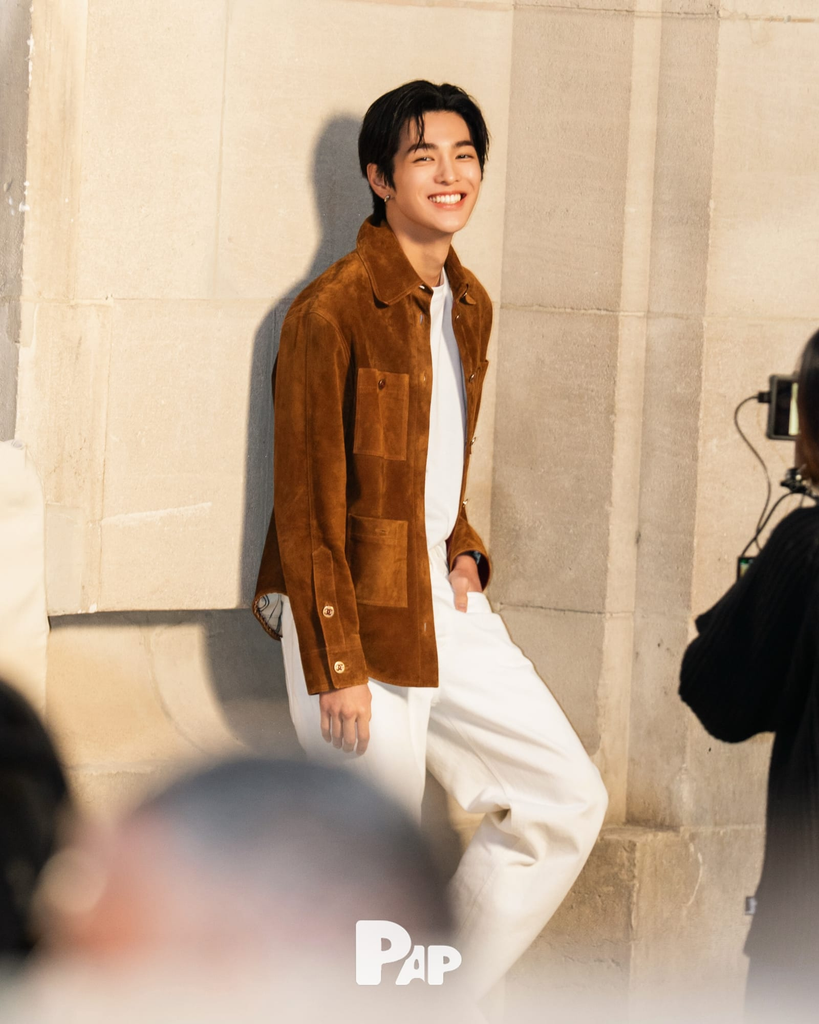
For his runway appearance, Keonho wore a caramel brown suede jacket paired with a simple white t-shirt and matching trousers.
The look perfectly captured the mood of the Chanel Spring/Summer 2027 collection: refined, minimal, and effortlessly sophisticated.
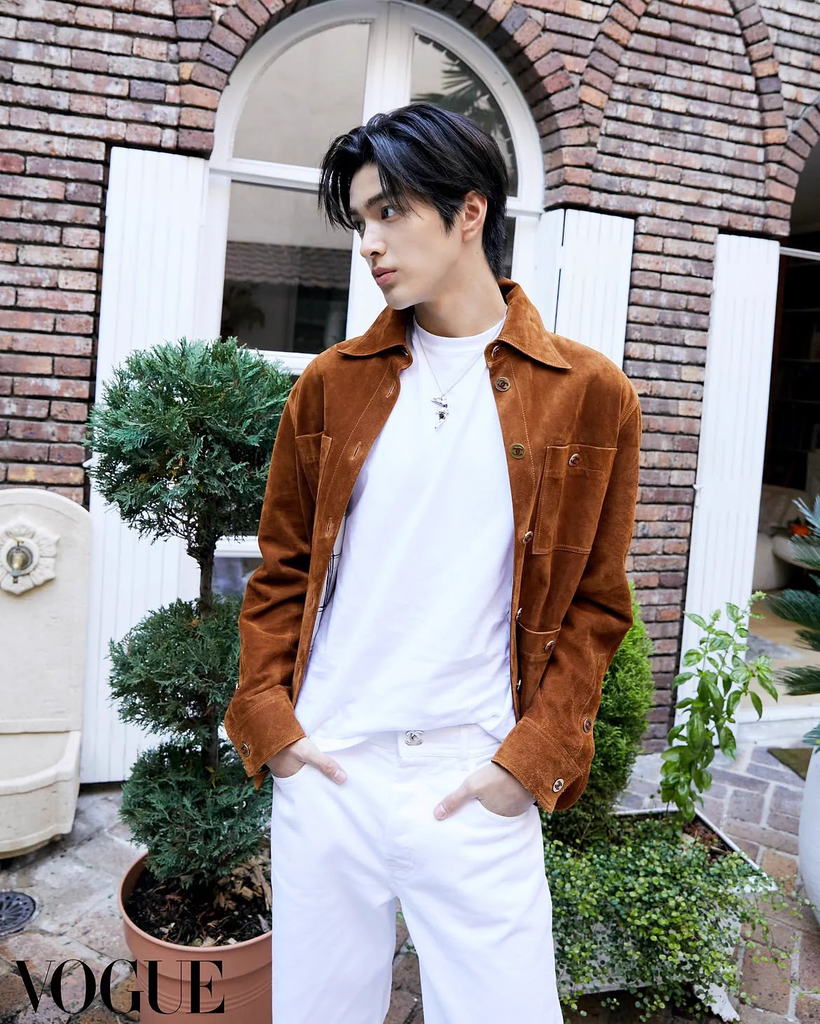
Rather than relying on bold patterns or dramatic styling, Keonho’s outfit highlighted the beauty of simplicity. The warm brown tones created a luxurious feeling, while the clean silhouette reflected Chanel’s modern interpretation of elegance.
His styling also matched Keonho’s own image as an artist. The look felt youthful yet mature, showing that fashion can communicate personality without needing to be overly complicated.
The combination of classic tailoring and relaxed confidence made his runway appearance one of the standout moments of the show.
Born in 2009, Keonho is the youngest member of CORTIS, but his presence at one of the world’s most prestigious fashion events showed his growing influence.
Walking for Chanel in Paris is a significant achievement for any model or celebrity. The fashion house has a long history of creating iconic runway moments, making Keonho’s appearance an important step in his journey.
For many K-pop idols, fashion has become an important part of their identity. Beyond music performances, idols are increasingly becoming global fashion figures, representing major luxury brands and appearing at international events.
Keonho’s Chanel runway debut places him among the younger generation of artists who are expanding their influence beyond entertainment.
Before stepping onto the Chanel runway, Keonho had already been experiencing an exciting period with CORTIS.
The idol had previously spent time in Los Angeles with the group while working on their third album. During that period, he described the city as feeling like a second home.
This experience allowed Keonho to become more comfortable in an international environment. Spending time in Los Angeles also gave him opportunities to connect with different creative cultures and develop his confidence as an artist.
That global experience likely helped him feel more prepared when stepping onto another major international stage in Paris.
From music studios in Los Angeles to the runway of Chanel, Keonho’s journey reflects the increasingly global path of today’s K-pop artists.
Besides his fashion appearance, Keonho also attracted attention through his interactions during interviews and conversations at the event.
Many fans noticed his fluent English and the way he comfortably communicated with reporters, fans, and other guests.
His warm personality became another highlight of his Chanel appearance. Rather than simply attending the event, Keonho created memorable interactions with people around him.
One of the moments that caught attention was his interaction with Belgian singer Angèle. His friendly and natural communication style helped show another side of his personality beyond his image as a performer.
For a young artist participating in an international fashion event, being able to connect with different audiences is an important skill.
Keonho’s Chanel debut also reflects a larger trend happening between K-pop and the fashion industry.
In recent years, Korean artists have become some of the most influential figures in luxury fashion. Their global fanbases, unique styles, and ability to connect with younger audiences have made them valuable representatives for major fashion houses.
From attending fashion weeks to becoming brand ambassadors, K-pop stars are no longer only recognized for music. They have become cultural figures who influence trends, beauty, and fashion choices worldwide.
Keonho represents a younger generation of idols entering this space. His Chanel runway appearance shows how quickly new artists can become part of global conversations.
A runway debut is more than just wearing designer clothing and walking in front of an audience. It is about presence, confidence, and the ability to represent a creative vision.
At Chanel Spring/Summer 2027, Keonho successfully embodied the collection’s atmosphere through his calm confidence and elegant styling.
His appearance also introduced him to fashion audiences who may not have discovered him through music alone.
As CORTIS continues to grow, moments like this help establish Keonho’s identity as both an artist and a rising global personality.
With his successful Chanel debut, fans are naturally curious about what opportunities might come next for Keonho.
Whether through future fashion events, music projects, or international collaborations, the young idol is already showing potential to build a strong presence beyond the stage.
His ability to perform, communicate, and adapt to different environments makes him an exciting figure to watch.
While he is still at the beginning of his career, moments like the Chanel runway show suggest that Keonho’s journey could become increasingly global.
Keonho made an impressive first step into the fashion world with his runway debut at Chanel Spring/Summer 2027 in Paris.
Wearing a minimalist caramel brown suede look, he perfectly matched the elegance and modern spirit of Matthieu Blazy’s collection. Beyond his outfit, his confidence, fluent English, and warm interactions also helped him stand out during the event.
As the youngest member of CORTIS, Keonho is proving that age does not limit influence. With music, fashion, and global experiences ahead of him, this Chanel moment may only be the beginning of an exciting journey.
Follow D-Muse to stay current with fashion trends, lifestyle tips, and exciting events. DM us @dmusemagz now to get all the information you need!
Fashion is always about looking forward, but sometimes the most exciting ideas come from looking back. For the Chanel Spring/Summer 2027 collection, creative director Matthieu Blazy takes a reflective approach, exploring the history, codes, and identity of the legendary French fashion house while giving them a modern twist.
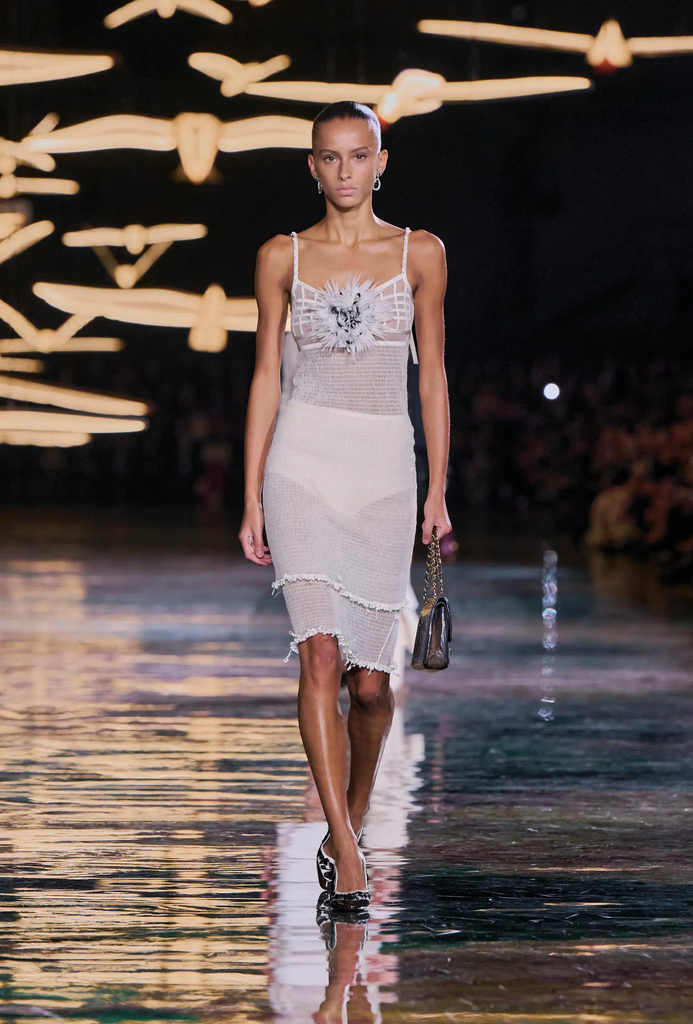
Presented beneath the glass dome of the Grand Palais, the latest Chanel show created a dreamlike atmosphere filled with a giant moon, glowing birds, and an unexpected orange-and-green setting. However, once the models stepped onto the runway, the clothing became the true focus.
The collection explored contrasts: softness and structure, tradition and rebellion, elegance and freedom. Through sheer fabrics, sharp tailoring, playful accessories, and refreshed Chanel signatures, Matthieu Blazy created a collection that respects the past while refusing to be limited by it.
For Spring/Summer 2027, Matthieu Blazy returned to one of the most important figures in fashion history: Gabrielle Chanel.
Rather than simply recreating iconic looks from the past, Blazy explored the idea of transformation. In the collection notes, he reflected on how women can have many different identities throughout their lives, describing them as “multiple selves” and different expressions of the same person.
This idea became the foundation of the collection.
Instead of treating Chanel’s heritage as something fixed, Blazy approached it as something alive and constantly evolving. The result was a runway filled with familiar references that felt completely refreshed.
There were hints of Edwardian corsetry, masculine tailoring, and classic Chanel influences, but they were mixed with contemporary silhouettes and unexpected styling choices.
The collection did not feel like a history lesson. Instead, it felt like a conversation between the past and the present.
One of the strongest themes in the new Chanel collection was the balance between revealing softness and structured sophistication.
Blazy experimented with sheer materials, creating delicate pieces that played with transparency and movement. Printed silk transparencies added a lighter, more romantic feeling to the collection, contrasting beautifully with stronger tailored pieces.
At the same time, tailoring remained a major focus.
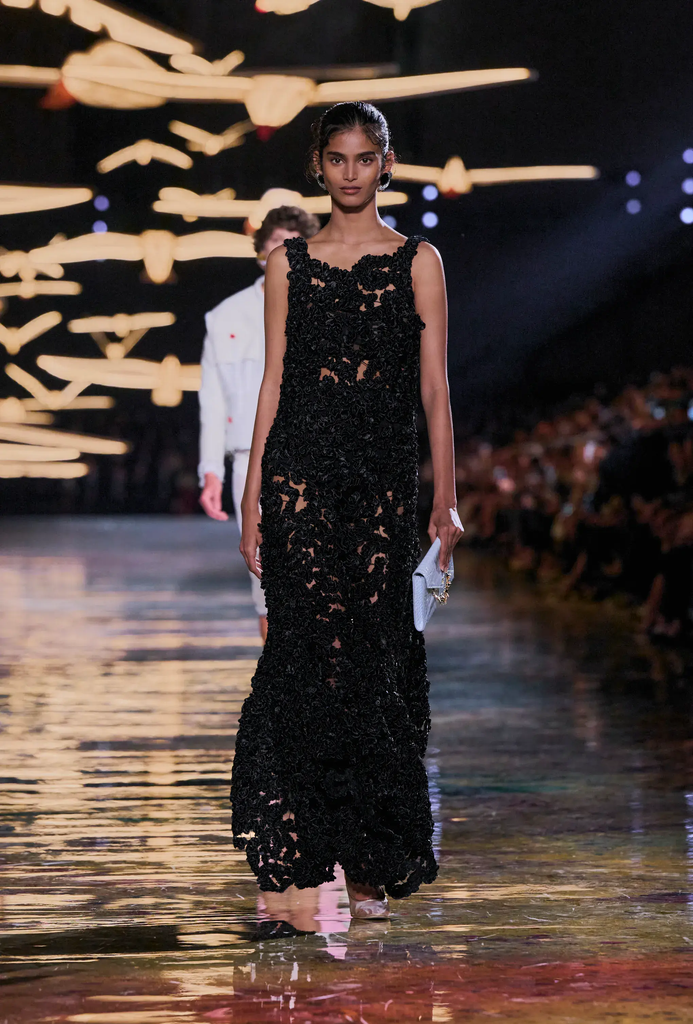
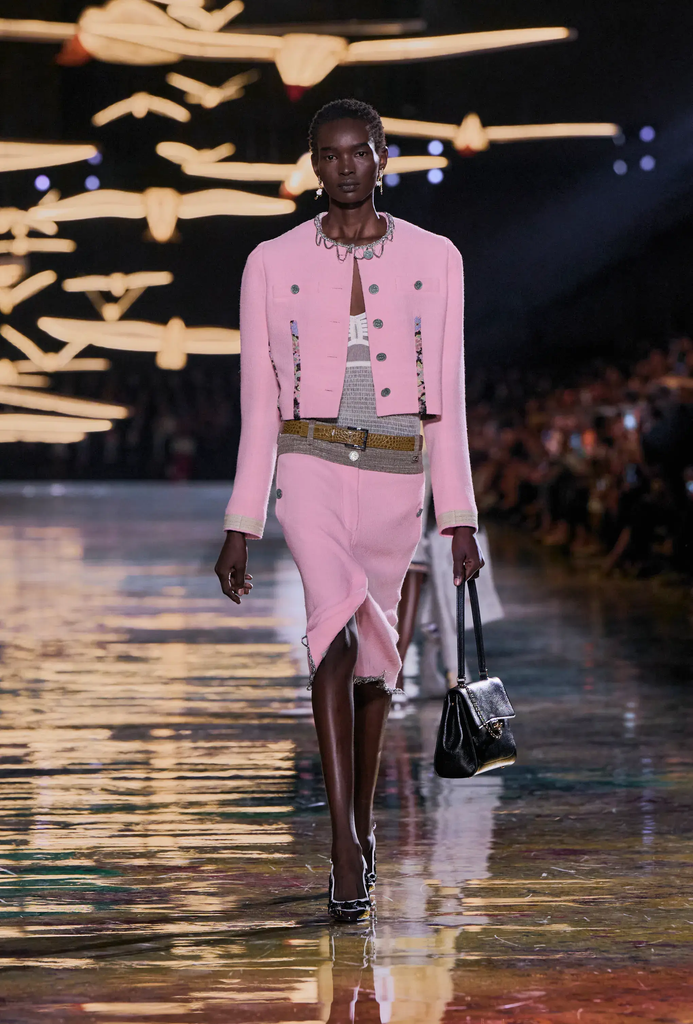
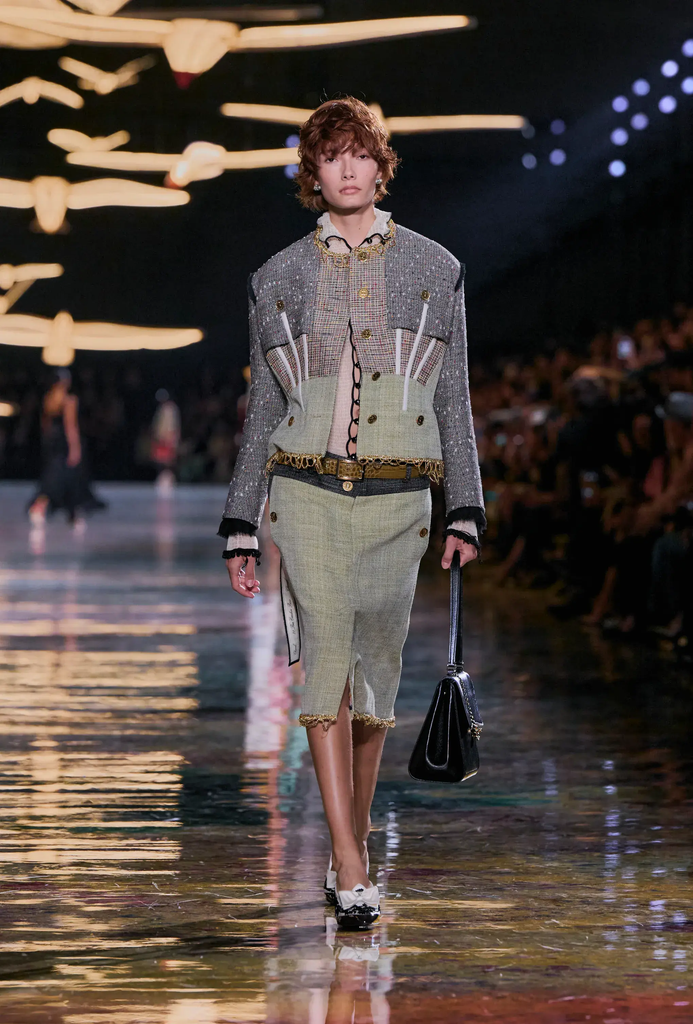
Cropped jackets exposed the midriff, giving classic Chanel-style structures a younger and more playful energy. Pleated mini skirts appeared alongside longer dresses, creating variety in the silhouettes.
The collection showed that elegance does not always need to be formal or traditional. It can also be relaxed, unexpected, and full of personality.
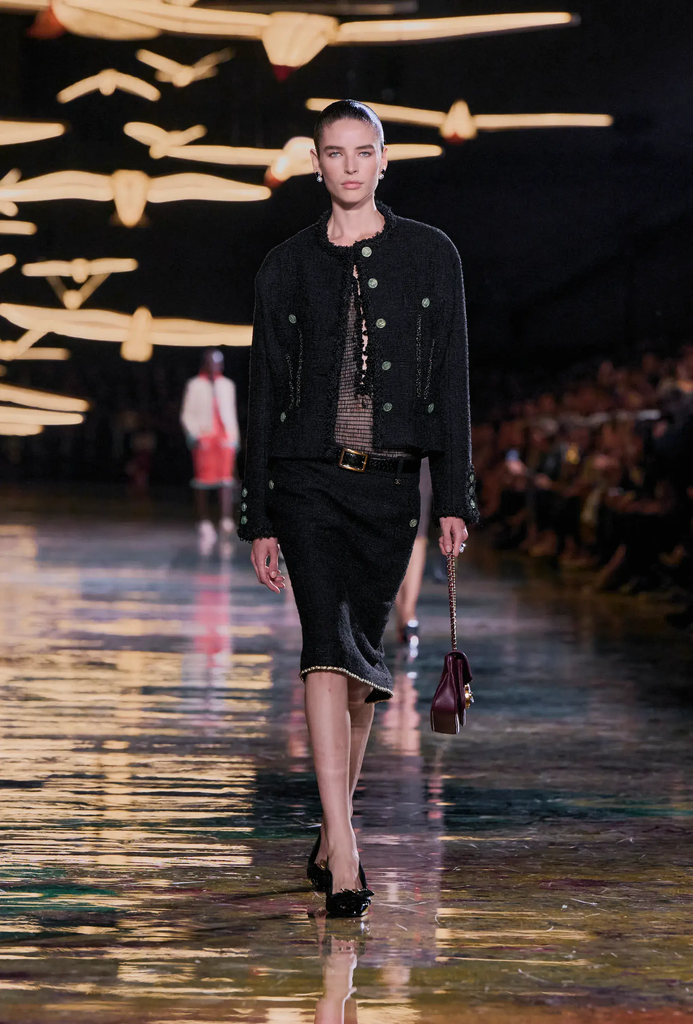
No Chanel collection would feel complete without tweed, one of the fashion house’s most recognizable materials.
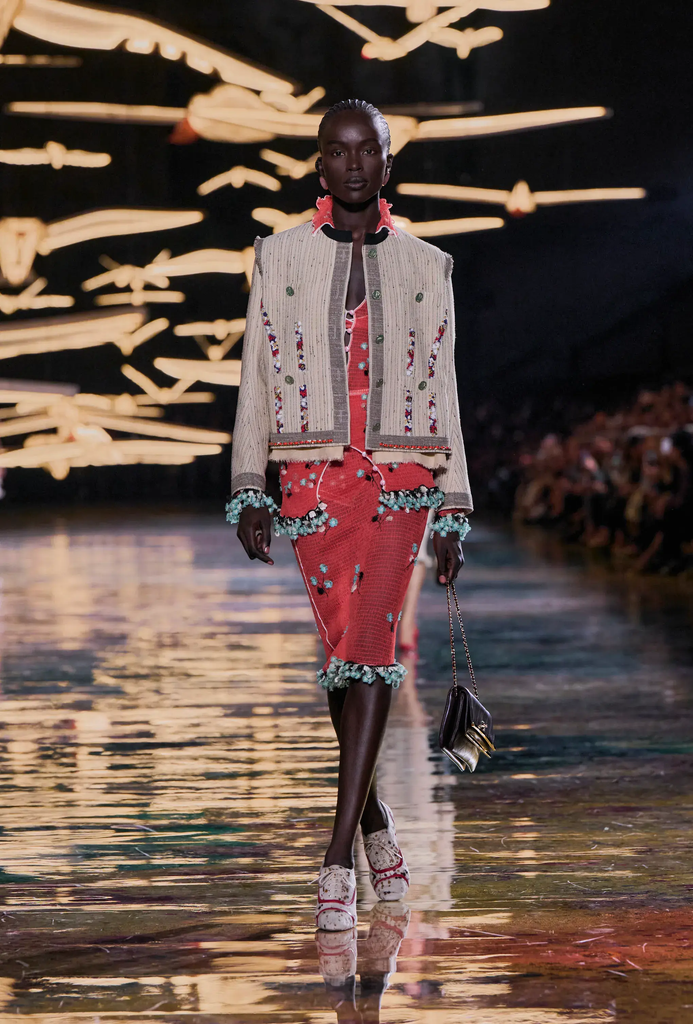
For Spring/Summer 2027, Matthieu Blazy transformed tweed in several creative ways. Instead of presenting it only through classic suits, he experimented with different textures, shapes, and patterns.
The collection introduced tweed with mesh panels, wider checks, and even a bold red-and-white tiger print.
This approach gave one of Chanel’s most historic signatures a completely different attitude. The iconic fabric felt less traditional and more adventurous.
Blazy also introduced a new smocked tweed technique, giving Chanel suits more flexibility and movement.
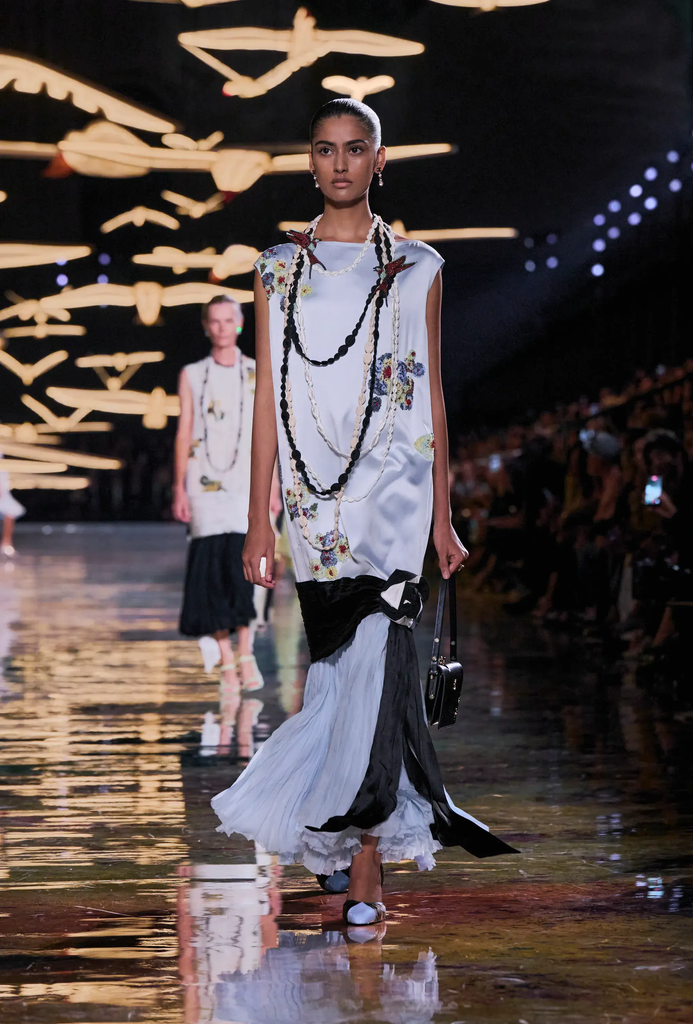
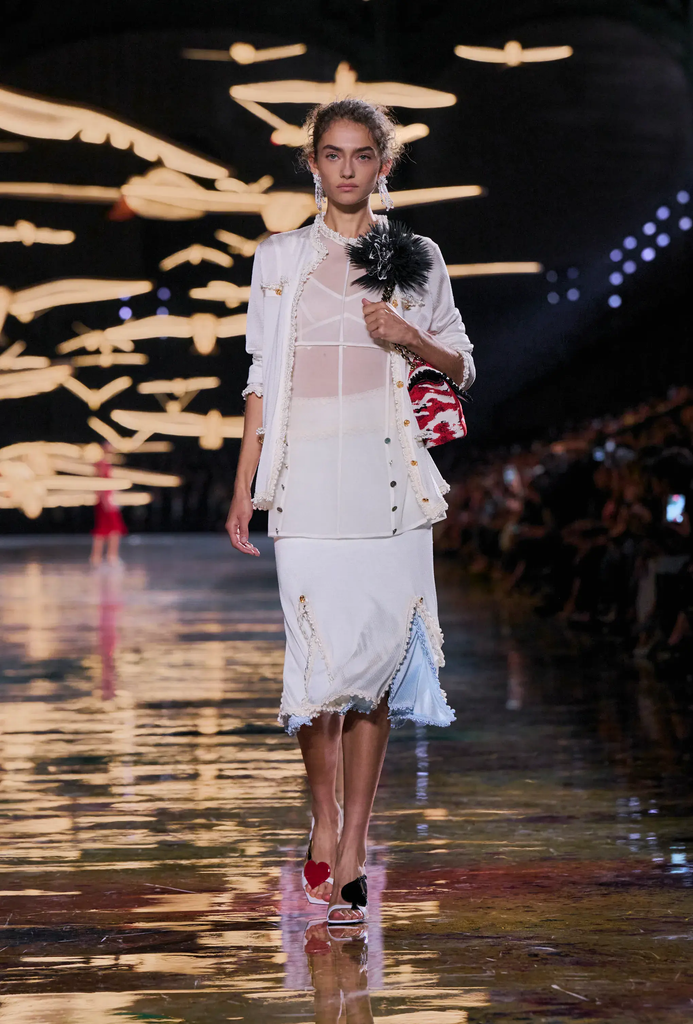
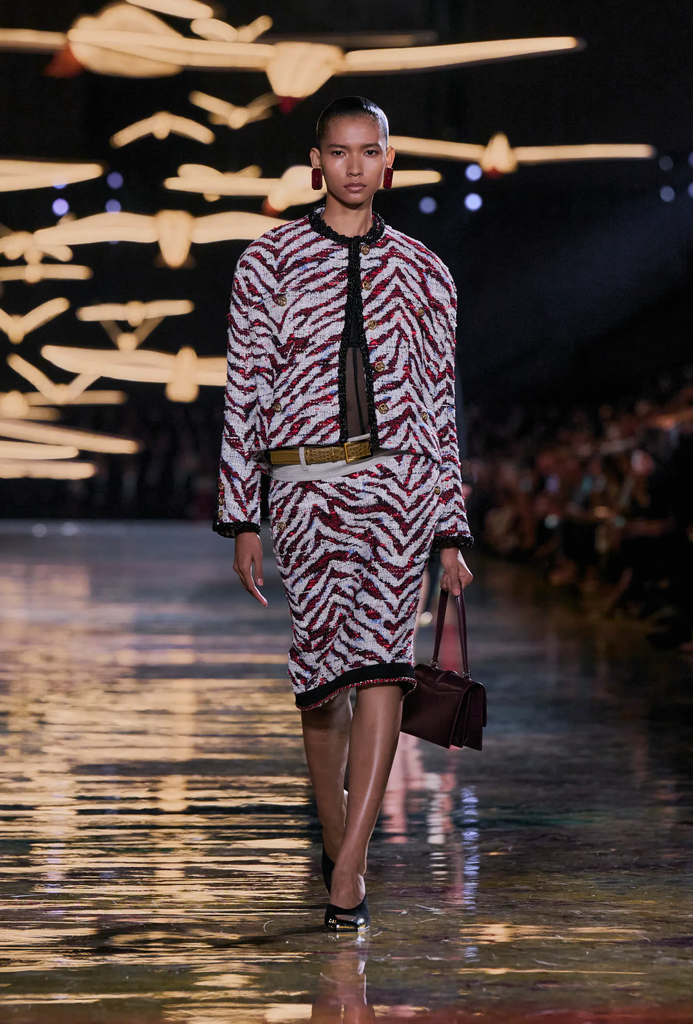
It was a subtle but important change because it allowed the famous structured silhouette to feel more comfortable and dynamic.
The creativity continued beyond the clothing.
Accessories played a major role in bringing personality to the Spring/Summer 2027 collection. Two-tone pumps appeared in unexpected designs, featuring patterns such as leopard and tiger prints, alongside shades like baby blue and silver.
The classic Chanel quilted bags also received a playful update. Instead of only appearing in timeless black or neutral colors, they arrived in zebra prints and bold color combinations.
These details showed another side of the brand: one that is luxurious but also willing to experiment.
Blazy understood that accessories are not just finishing touches. They can completely change the mood of an outfit and become statements on their own.
Perhaps the most exciting part of the collection was how Matthieu Blazy handled Chanel’s famous heritage.
Luxury fashion houses often face the challenge of honoring their history while staying relevant to new generations. Too much focus on tradition can make a brand feel stuck, but ignoring its identity can make it lose what makes it special.
Blazy found a middle ground.
He kept important Chanel elements—tweed, tailoring, femininity, and elegance—but introduced a sense of freedom and individuality.
The collection suggested that wearing Chanel does not mean following strict rules. Instead, it can mean expressing different sides of yourself.
This idea connected strongly with the designer’s message about women having multiple identities.
The final moments of the show captured the collection’s playful spirit.
As Britney Spears’ “Gimme More” played during the finale, the atmosphere shifted from classic elegance into something more energetic and rebellious.
It perfectly represented Blazy’s vision for Chanel: a brand that knows its history but is not afraid to have fun with it.
The collection proved that heritage does not have to mean being predictable.
Instead, the most powerful way to honor the past can sometimes be by challenging it.
Matthieu Blazy’s Spring/Summer 2027 collection is an example of how a historic fashion house can continue evolving.
Through unexpected textures, modern tailoring, playful accessories, and references to Gabrielle Chanel’s original ideas, the collection created a fresh interpretation of what Chanel can represent today.
It is elegant but not overly serious. Feminine but not limited. Classic but still surprising.
The collection reminds us that fashion is not only about preserving history—it is also about allowing that history to grow.
The Chanel Spring/Summer 2027 show was a reflection of where the fashion house has been and where it could go next.
Matthieu Blazy successfully combined the brand’s iconic elements with a modern sense of freedom, creating a collection that feels both familiar and completely new.
From sheer dressing and innovative tweed to bold accessories and unexpected runway energy, Chanel once again showed why it remains one of the most influential names in fashion.
With this collection, Blazy proves that heritage does not need to stay frozen in time. Sometimes, the best way to protect a legacy is to let it change.
Follow D-Muse to stay current with fashion trends, lifestyle tips, and exciting events. DM us @dmusemagz now to get all the information you need!
RIIZE’s Anton is officially entering the world of luxury fashion. The K-pop star has been named the newest brand ambassador for French fashion house Saint Laurent, marking an exciting new chapter in his career beyond music.
The announcement comes shortly after Anton attended Saint Laurent’s Spring/Summer 2027 show in Paris earlier this week. The fashion show also became his first official event with the luxury brand as an ambassador, making the Paris trip an especially memorable one for the RIIZE member.
With his distinctive style and growing presence in the fashion world, Anton seems like a natural fit for Saint Laurent. Now, fans can look forward to seeing how the K-pop star brings his own personality and fashion sense into the brand’s world.
Saint Laurent officially welcomed Anton as its new brand ambassador following his appearance at the brand’s Spring/Summer 2027 show in Paris.
For Anton, the partnership appears to be especially meaningful because Saint Laurent is a brand he has admired for a long time. Speaking about the new role, he shared his excitement and gratitude at having the opportunity to work with the French luxury fashion house.
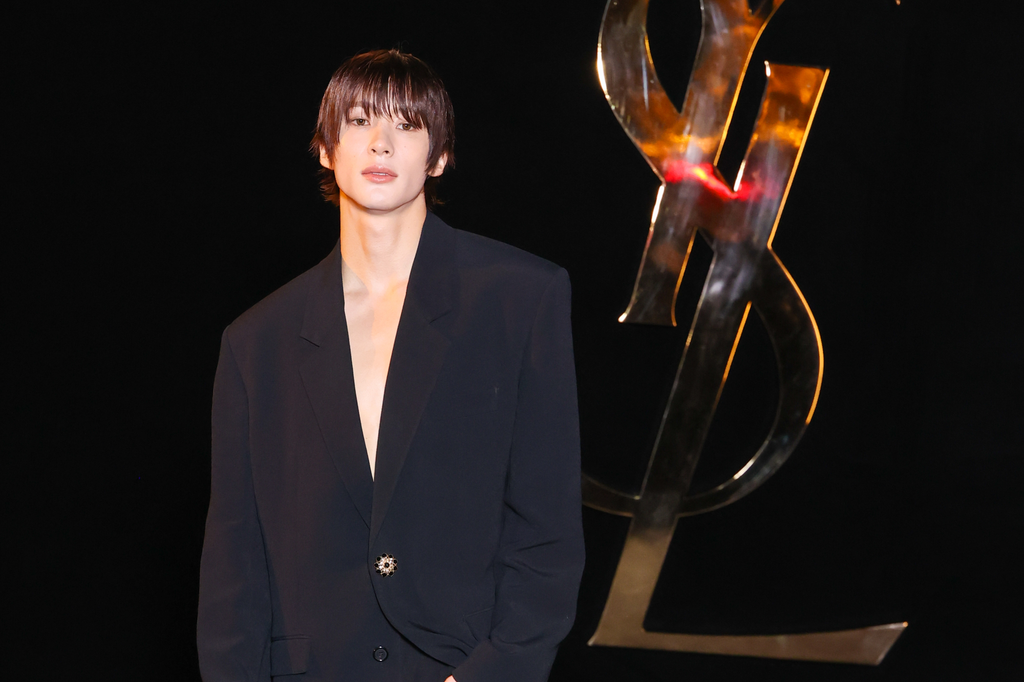
The RIIZE member also expressed his hope that getting to know Saint Laurent more deeply would provide him with new inspiration. Rather than simply representing the brand, Anton wants to explore its creative world and discover how it can influence his own style.
He also shared that he hopes to represent Saint Laurent through his individual fashion identity.
That last part is particularly interesting because Anton is already known for having a distinct image as a member of RIIZE. With Saint Laurent, fans may get to see another side of his personal style develop through fashion.
Anton’s appointment came at the perfect time, as he had already attended the Saint Laurent Spring/Summer 2027 show in Paris.
The event marked his first official appearance as a Saint Laurent brand ambassador and gave him the chance to experience the fashion house’s world up close.
Paris Fashion Week is already known for bringing together major names from the worlds of fashion, entertainment, and culture. For Anton, the experience became even more memorable because of the atmosphere surrounding the event.
From the location to the people attending, everything left an impression on him.
One detail Anton specifically mentioned was being able to see the Eiffel Tower from the event location. Combined with the diverse group of guests and the fans who waited to welcome him, the entire experience felt special.
For a young artist stepping further into the international fashion scene, getting to experience Paris in this way is certainly a memorable milestone.
While talking about his trip to Paris, Anton described the entire experience as romantic.
The setting, the Eiffel Tower, the guests from different fields, and the fans who came to see him all contributed to the atmosphere. For Anton, the energy was both exciting and heartwarming.
He also expressed how much the experience meant to him, saying that the atmosphere would remain in his memory for a long time.
It is easy to see why the event stood out. Anton was not simply attending another fashion show. It represented his first official step into his new role with one of the world’s most recognizable luxury fashion houses.
For fans, the occasion also offered a glimpse of Anton outside his usual music activities.
Anton’s partnership with Saint Laurent highlights the increasingly close relationship between K-pop and the global fashion industry.
K-pop artists frequently become influential figures in fashion, with their personal styles attracting attention from fans around the world. For Anton, becoming a Saint Laurent ambassador gives him another platform to express his creativity.
What makes the collaboration particularly interesting is Anton’s intention to bring his own unique style to the partnership.
Instead of simply following the brand’s aesthetic, he hopes to represent Saint Laurent through his personal identity. This could open the door to a variety of fashion moments in the future, from campaigns and events to new looks inspired by the house.
For fans of RIIZE, it is another opportunity to watch Anton grow as an artist and public figure.
While Anton is beginning this exciting fashion chapter, his music career with RIIZE is continuing at full speed.
The group is currently preparing for a comeback with a new single scheduled for release on October 26. That means fans will have plenty to look forward to, both from Anton individually and from RIIZE as a group.
With a major luxury fashion partnership and a new RIIZE release on the horizon, this is shaping up to be a busy period for Anton.
The Saint Laurent appointment also comes at an interesting point in his career. As RIIZE continues to develop its identity, Anton is simultaneously building his own presence in fashion.
For Anton, becoming a Saint Laurent ambassador is more than just another fashion title. It represents an opportunity to explore a creative world that he has admired for a long time.
His comments about finding new inspiration through the brand suggest that he sees the partnership as a chance to learn, experiment, and develop his own style.
That makes the collaboration exciting for fans who are curious to see how Anton’s fashion identity evolves.
From his first Saint Laurent event in Paris to future appearances, there is plenty of room for the RIIZE star to make the partnership his own.
Anton’s appointment as Saint Laurent’s newest brand ambassador marks an exciting new chapter for the RIIZE member. After attending the brand’s Spring/Summer 2027 show in Paris, he officially stepped into his new role and experienced his first major event as part of the Saint Laurent family.
With his admiration for the brand, his interest in exploring its creative world, and his desire to represent it through his own style, Anton is clearly ready to embrace this new opportunity.
And with RIIZE preparing for a new single on October 26, fans have even more reasons to keep an eye on what Anton does next.
Follow D-Muse to stay current with fashion trends, lifestyle tips, and exciting events. DM us @dmusemagz now to get all the information you need!
When it comes to commanding attention on a global stage, few artists know how to create a memorable moment quite like Lisa. The BLACKPINK member once again proved her star power at the 2026 MTV Video Music Awards (VMAs), becoming one of the most talked-about figures of the night.
From her appearance to her performance energy, Lisa showed why she has become one of the biggest names in global entertainment. Her presence at the VMAs was not just another celebrity appearance—it was a reminder of her influence as an artist who continues to break boundaries between K-pop and the international music scene.
With millions of fans watching around the world, Lisa delivered the kind of unforgettable moment that fans have come to expect from her.
The MTV VMAs have always been known as a place where artists create iconic fashion moments, unforgettable performances, and career-defining achievements. Over the years, the event has welcomed some of the biggest names in music history, and Lisa’s appearance added another exciting chapter to that tradition.
As one of the most recognizable members of BLACKPINK, Lisa has built a reputation for her powerful performances, unique style, and ability to connect with audiences worldwide.
Her appearance at the VMAs immediately captured attention. Fans praised her confidence, charisma, and the way she carried herself on one of music’s biggest stages.
For many viewers, Lisa’s presence represented more than just personal success. It also reflected the growing global impact of K-pop and how artists from South Korea continue to become major figures in international entertainment.
One of the reasons Lisa consistently attracts attention is her ability to turn every public appearance into a fashion statement.
At the VMAs, Lisa once again showcased her signature style—combining elegance, confidence, and a modern edge. Her look quickly became a highlight among fans, who shared photos and reactions across social media platforms.
Fashion has always been an important part of award shows, and Lisa understands how to use style as a form of self-expression. Whether performing on stage or walking on the red carpet, she knows how to create an image that feels memorable.
Her fashion choices often reflect her personality as an artist: bold, creative, and fearless.
This ability to stand out visually has helped Lisa become one of the most influential fashion figures among younger generations.
The success of Lisa did not happen overnight. Since debuting with BLACKPINK, she has continuously developed her skills as a performer and expanded her influence beyond music.
Known for her exceptional dancing ability, stage presence, and distinctive style, Lisa quickly became one of the most recognized members of the group.
Over time, she has built her own identity as a solo artist while continuing to represent BLACKPINK on the global stage. Her individual projects have allowed her to explore different creative directions and connect with fans from various backgrounds.
What makes Lisa stand out is her versatility. She can deliver powerful performances, showcase emotional expression, and adapt to different musical styles.
Her appearance at the VMAs reflects how far she has come—from a K-pop performer to an internationally recognized artist.
There are many reasons why Lisa has such a strong global following.
First, her performance skills are undeniable. She has become known for her precise dancing, powerful expressions, and ability to control the stage. These qualities make her performances exciting to watch, whether she is performing with BLACKPINK or as a solo artist.
Second, Lisa’s personality has helped her connect with fans. While she is known for her impressive stage presence, fans also appreciate her playful, genuine, and approachable side.
This combination of professionalism and authenticity has helped her build a strong relationship with supporters around the world.
Finally, Lisa represents a new generation of artists who are not limited by language or cultural boundaries. Her success shows how music can connect people from different countries and backgrounds.
Lisa’s appearance at major international events like the VMAs highlights the increasing influence of K-pop around the world.
A few years ago, seeing Korean artists dominate global award shows was still relatively uncommon. Today, artists like Lisa and BLACKPINK have become major names recognized by audiences everywhere.
This global expansion has opened more opportunities for K-pop artists to collaborate, perform, and compete on international platforms.
Lisa’s journey is a perfect example of how talent, dedication, and creativity can create worldwide impact.
She represents not only herself but also a larger movement of artists bringing Korean music and culture to global audiences.
For fans, Lisa’s appearance at the VMAs was more than just a red carpet moment or a performance. It was another milestone in her career.
Every major appearance adds to the story of her journey as an artist. From her early days as a BLACKPINK member to becoming a global superstar, Lisa continues to create moments that fans celebrate.
The excitement surrounding her VMAs appearance shows how much influence she has gained over the years.
Whether it is through music, fashion, or performances, Lisa continues to prove that she knows how to capture attention.
Lisa once again proved why she is considered one of the most exciting artists in the world. Her appearance at the 2026 MTV VMAs became a standout moment, showcasing her confidence, style, and undeniable star power.
More than just a show-stopping appearance, Lisa’s presence represented the growing influence of global artists and the power of music to connect people everywhere.
With her talent, creativity, and passion, Lisa continues to create unforgettable moments—and fans around the world are excited to see what she will do next.
Follow D-Muse to stay current with fashion trends, lifestyle tips, and exciting events. DM us @dmusemagz now to get all the information you need!
When it comes to unforgettable performers, few names carry as much emotion and recognition as Celine Dion. Known worldwide for her powerful voice, incredible stage presence, and inspiring journey, Celine continues to prove that confidence and self-expression never go out of style.
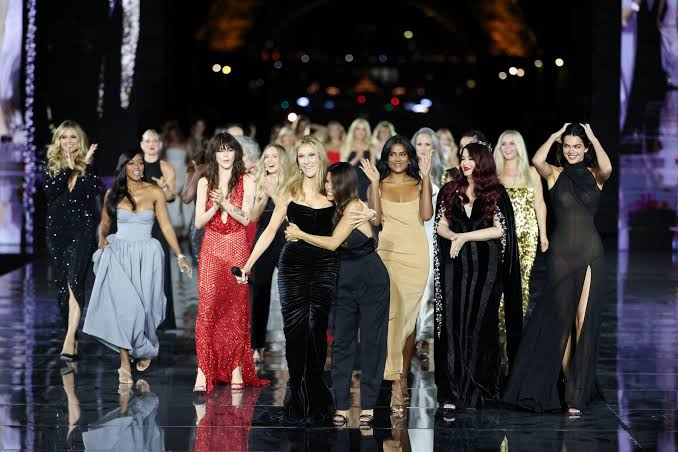
Recently, Celine Dion became part of a special fashion moment through her appearance at L’Oréal Paris Le Défilé “Express Your Worth.” The collaboration between the legendary singer and the global beauty brand created an exciting celebration of confidence, individuality, and the power of embracing yourself.
More than just a fashion event, the show carried a meaningful message: everyone deserves to recognize their own worth and express who they truly are.
L’Oréal Paris has long been known for its iconic message of empowerment, encouraging people around the world to embrace their beauty and confidence. Through Le Défilé, the brand transforms a traditional fashion show into a celebration where beauty, diversity, and self-expression take center stage.
For this special event, Celine Dion brought her unmistakable presence and charisma to the runway. Her participation immediately captured attention, as fans celebrated seeing the global superstar in a fashion-focused setting.
Celine has always represented confidence in her own way. Throughout her career, she has shown that being authentic and embracing individuality can create a lasting connection with audiences.
Her appearance at Le Défilé perfectly matched the event’s theme of “Express Your Worth,” highlighting the idea that confidence comes from within.
One thing that makes Celine Dion stand out is her ability to turn every appearance into a memorable moment. Whether performing on stage, attending an event, or sharing personal stories, she brings a unique combination of elegance, emotion, and personality.
At L’Oréal Paris Le Défilé, Celine once again showed why she remains an icon across generations.
Her appearance was not only about fashion—it was about attitude. The way she carried herself reflected years of experience as an international performer who understands the importance of connecting with people.
Fashion has always been a form of storytelling, and Celine used this opportunity to communicate confidence, strength, and individuality without saying much.
Her presence reminded audiences that style is not only about clothing or appearance. It is also about how someone feels, moves, and expresses themselves.
The theme of “Express Your Worth” carries a message that feels especially relevant today.
In a world where people often compare themselves with others, the idea of recognizing personal value becomes increasingly important. L’Oréal Paris uses this message to encourage individuals to celebrate their own identity and feel confident in their uniqueness.
By featuring powerful figures like Celine Dion, the brand highlights the idea that confidence can come from different experiences, backgrounds, and journeys.
Celine’s own story reflects this message. Throughout her decades-long career, she has faced challenges, celebrated achievements, and continued to inspire millions of people around the world.
Her journey shows that true confidence is not about being perfect—it is about accepting yourself and continuing to move forward.
While many people know Celine Dion as one of the greatest vocalists in the world, her influence extends far beyond music.
Her career has been built on passion, dedication, and authenticity. From emotional ballads to legendary performances, Celine has created moments that have become part of global pop culture.
However, one of the reasons fans continue to admire her is her personality. Celine is known for her warmth, humor, and genuine connection with her audience.
Her appearance at L’Oréal Paris Le Défilé reflects another side of her artistry. Just like music, fashion allows people to express emotions, creativity, and identity.
For Celine, this moment was another opportunity to celebrate confidence and inspire others.
Celebrity appearances at fashion events are common, but some moments stand out because they feel meaningful.
Celine Dion’s participation in Le Défilé became special because it represented more than a glamorous appearance. It brought together two worlds: music and fashion, both connected by the same idea of self-expression.
Fans who have followed Celine’s career understand that she has always embraced dramatic performances, bold choices, and emotional storytelling.
Seeing her participate in a celebration of beauty and confidence felt natural. It reflected the same energy she has brought to stages around the world for decades.
Her appearance also reminded audiences that confidence has no age limit. Style, creativity, and self-expression can continue evolving throughout every stage of life.
Through her collaboration with L’Oréal Paris, Celine Dion once again delivered a message that resonates with fans everywhere: embracing yourself is always worth celebrating.
Whether through music, fashion, or personal expression, confidence begins when people recognize their own value.
The “Express Your Worth” message is not about fitting into a specific definition of beauty. Instead, it encourages everyone to find their own voice and celebrate what makes them unique.
Celine’s presence at the event perfectly represented that philosophy. She showed that true elegance comes from confidence, authenticity, and the courage to be yourself.
Celine Dion’s appearance at L’Oréal Paris Le Défilé “Express Your Worth” became a beautiful celebration of confidence, fashion, and individuality.
With her iconic presence and inspiring journey, Celine Dion reminded audiences that beauty is not only about appearance—it is about personality, strength, and self-belief.
As a global music legend, she continues to inspire people in new ways, proving that confidence and creativity never go out of style.
This collaboration between Celine Dion and L’Oréal Paris was more than a fashion moment. It was a reminder that everyone has their own worth, and everyone deserves to express it.
Follow D-Muse to stay current with fashion trends, lifestyle tips, and exciting events. DM us @dmusemagz now to get all the information you need!
Fashion lovers, get ready to fall in love with a new chapter of Dior. For the latest collection from the iconic French fashion house, designer Jonathan Anderson brings a fresh perspective that combines elegance, softness, and modern creativity.
The collection presents a beautiful mix of lightweight tailoring, flowing dresses, and artistic details that feel both timeless and contemporary. From delicate fabrics to unexpected silhouettes, Jonathan Anderson explores a version of Dior that feels feminine, effortless, and incredibly stylish.
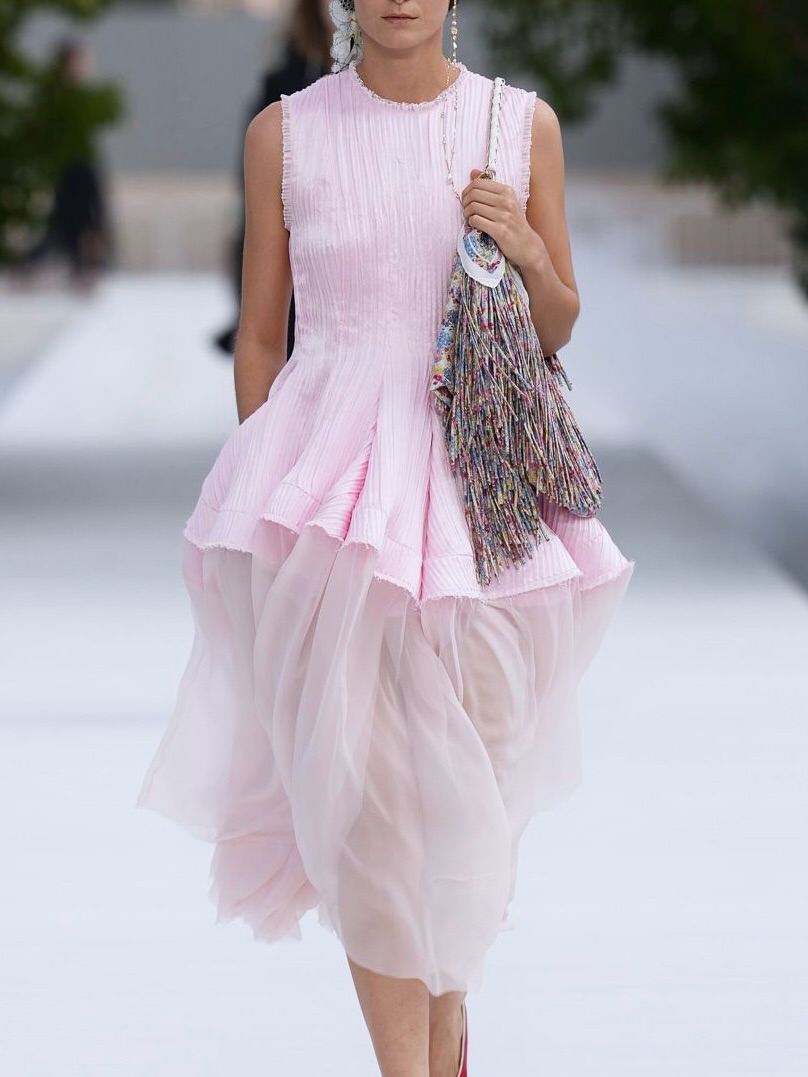
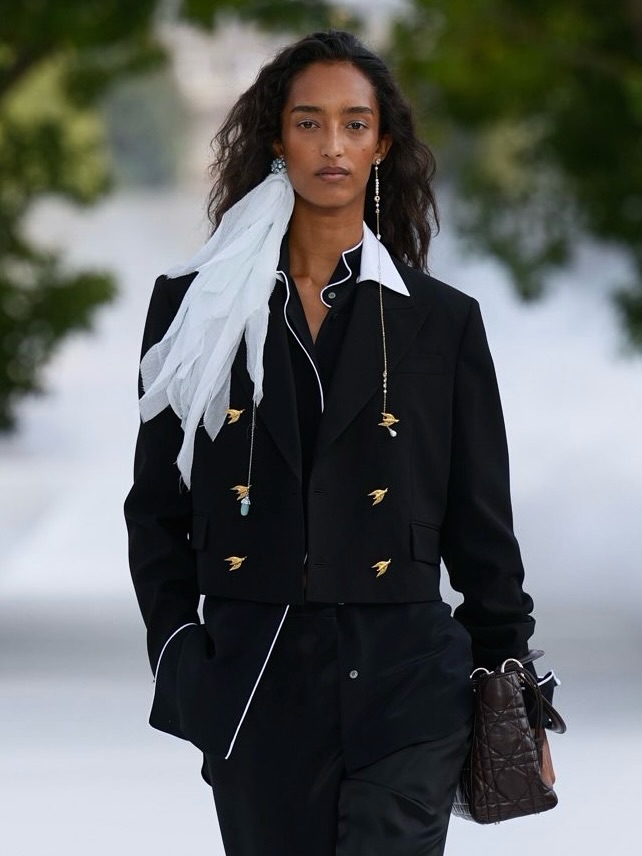
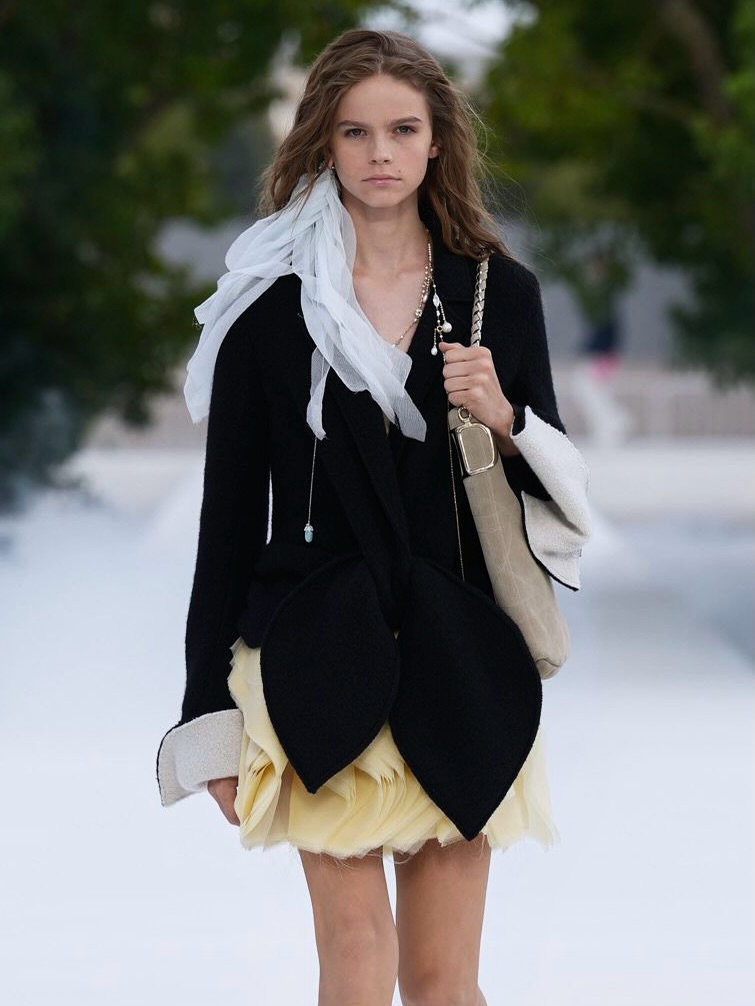
Rather than focusing on dramatic designs, the collection embraces movement, comfort, and subtle sophistication. Every piece feels carefully crafted, creating a wardrobe that looks graceful while still carrying a cool, modern attitude.
Taking over the creative direction of a legendary brand like Dior comes with a huge responsibility. The house has a long history of celebrating elegance, craftsmanship, and feminine beauty, and Jonathan Anderson approaches that legacy with his own creative language.
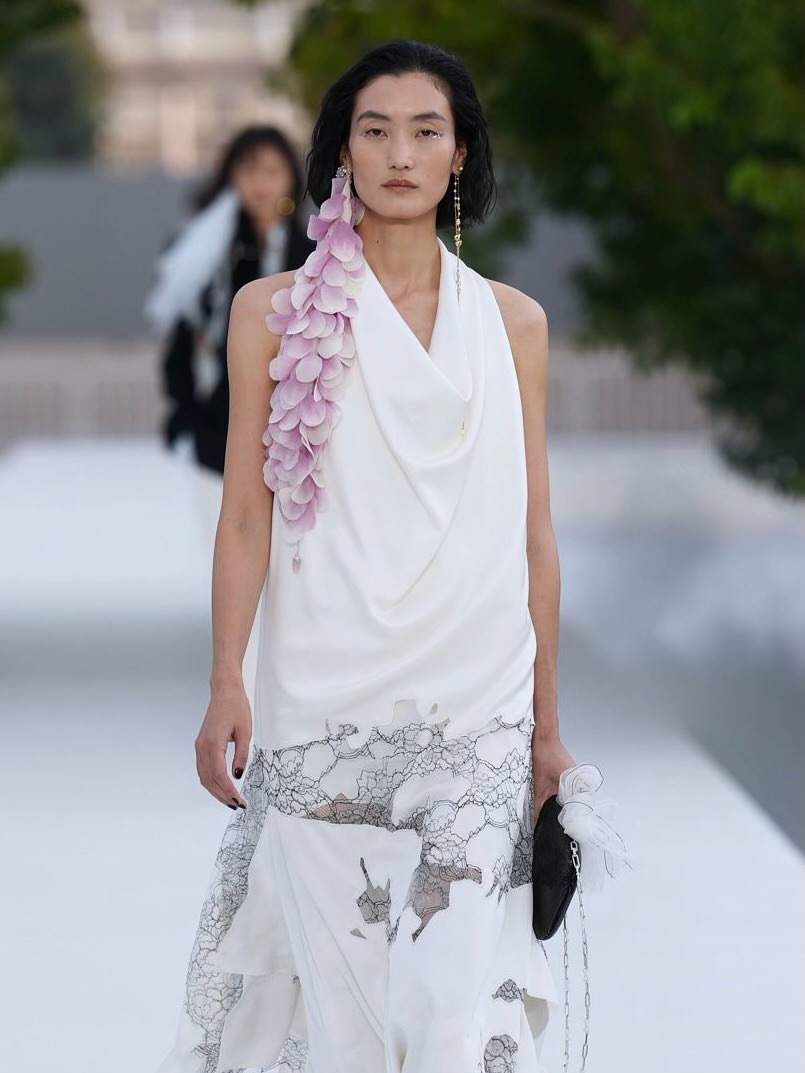
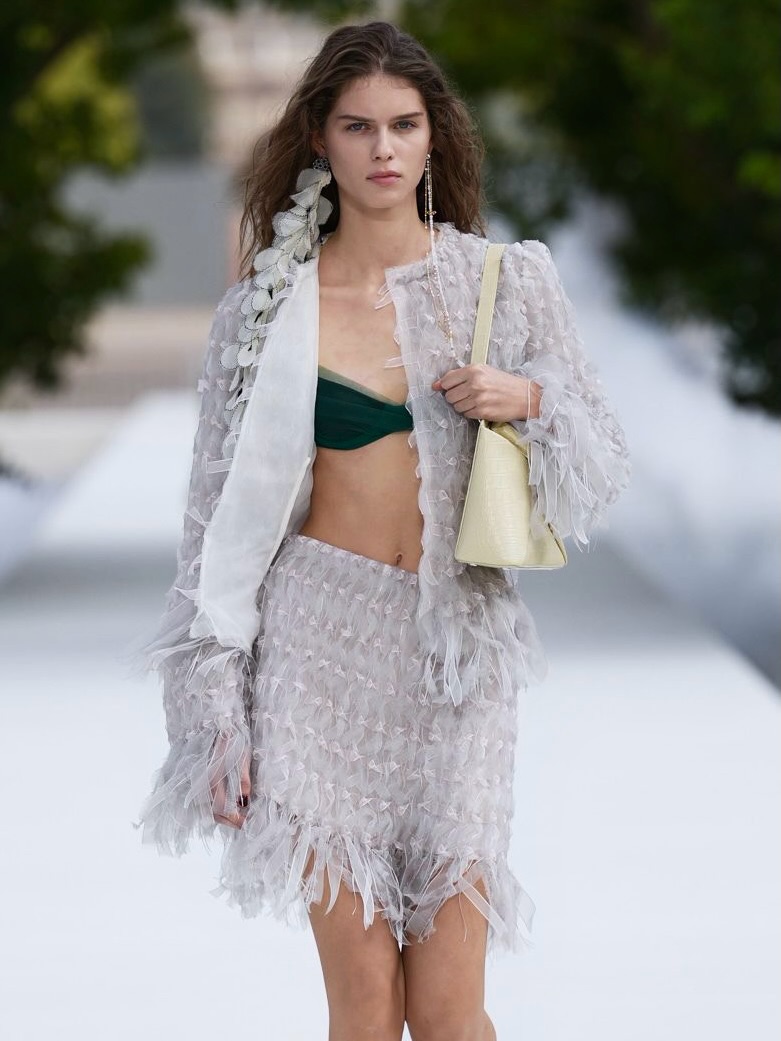
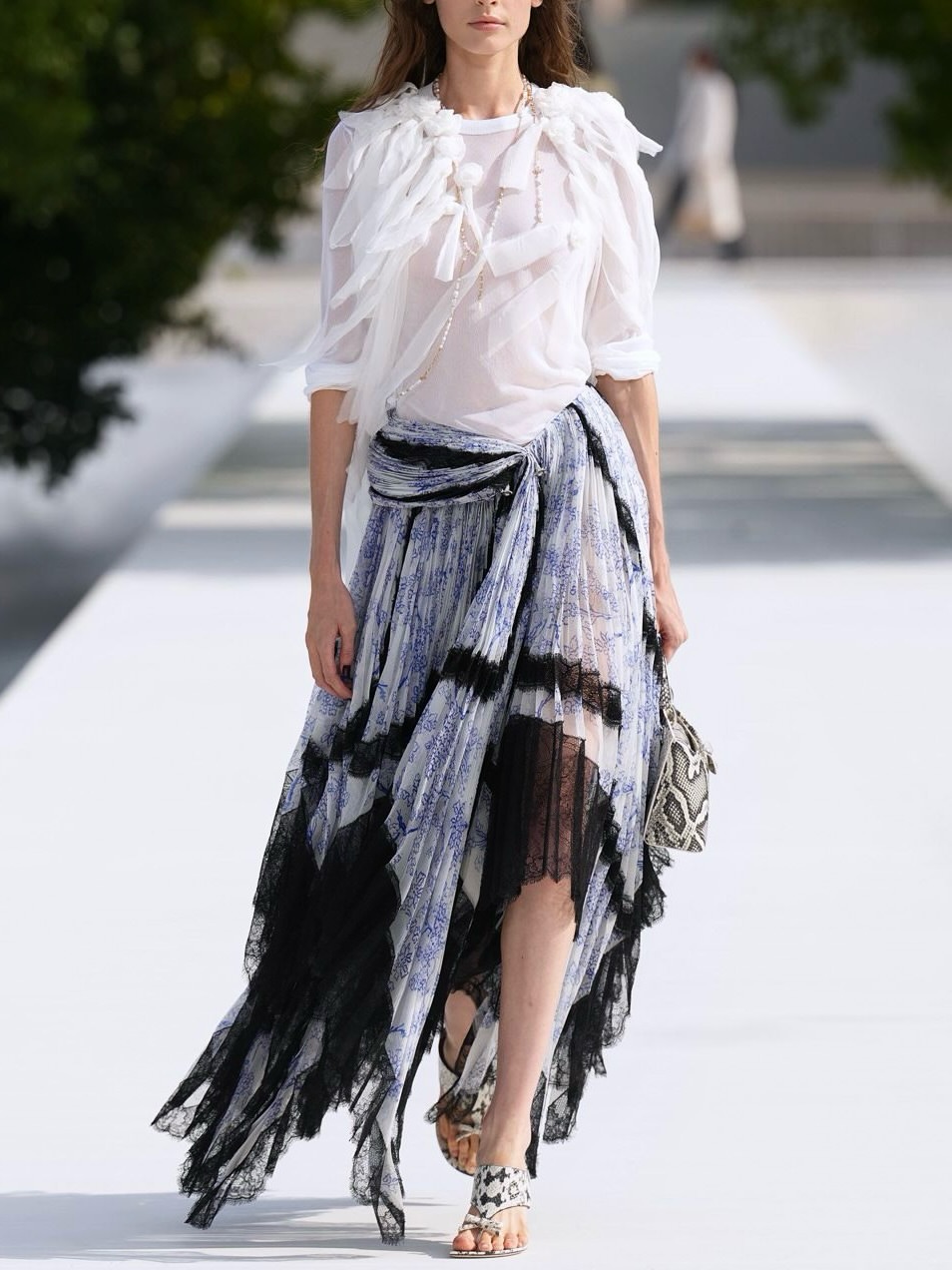
For this collection, Anderson explores the relationship between structure and softness. Traditional tailoring elements are transformed into lighter, more relaxed designs, while dresses become fluid expressions of movement and personality.
The result is a collection that feels sophisticated without being overly formal. It captures the idea that modern fashion can be polished while still feeling natural and easy to wear.
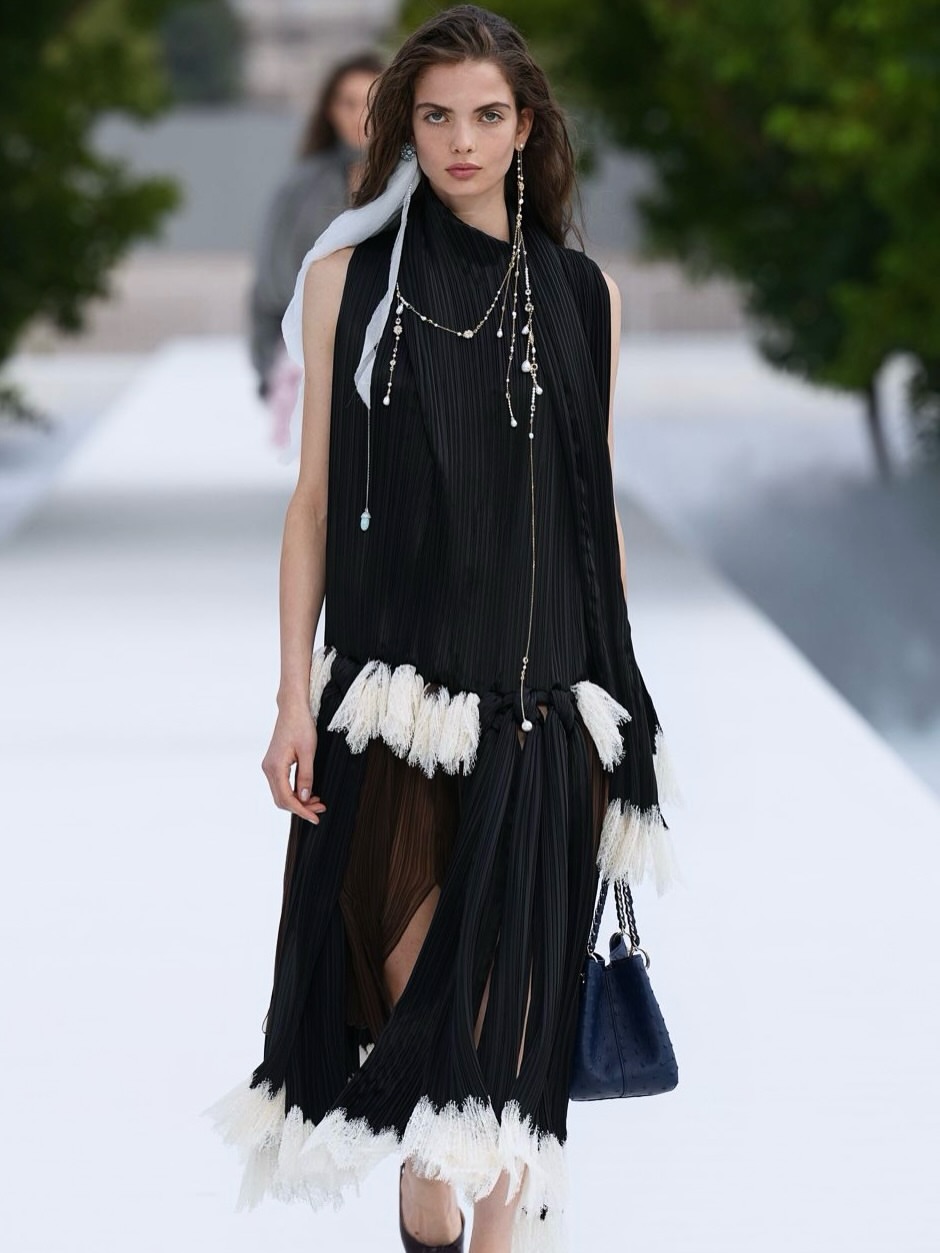
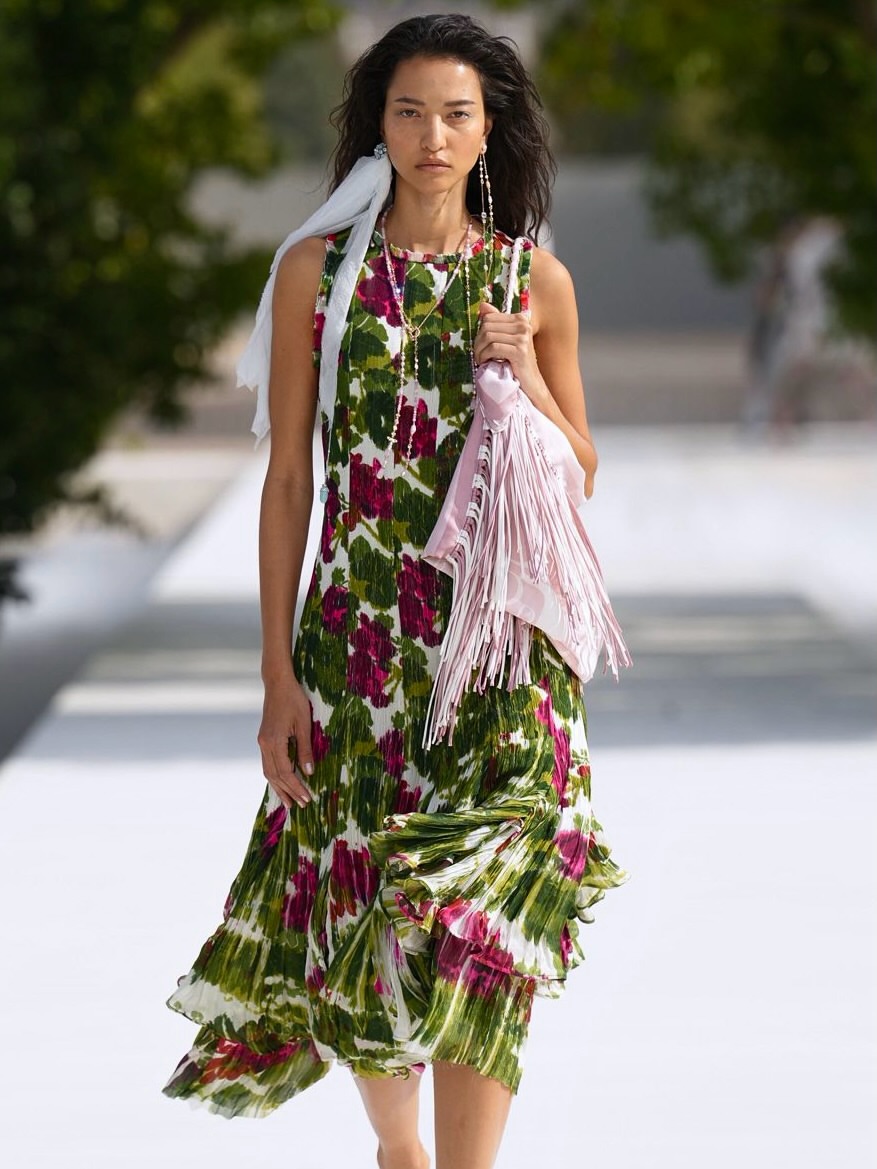
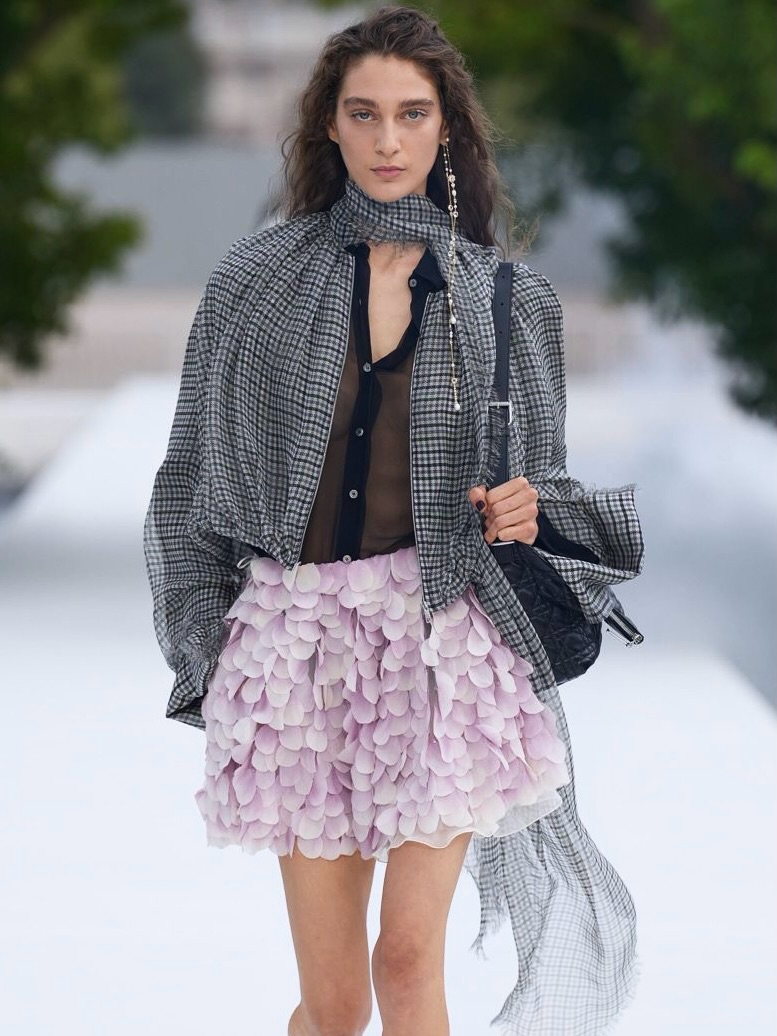
This balance becomes one of the strongest characteristics of the collection. The pieces look luxurious but not distant, artistic but still approachable.
One of the standout elements of the new Dior collection is its approach to tailoring.
Instead of sharp, rigid silhouettes, Jonathan Anderson introduces airy versions of classic tailored pieces. The designs maintain the precision associated with luxury fashion while adding a sense of lightness and freedom.
The fabrics appear soft and comfortable, allowing the clothing to move naturally with the body. This creates a relaxed elegance that feels perfect for today’s fashion landscape.
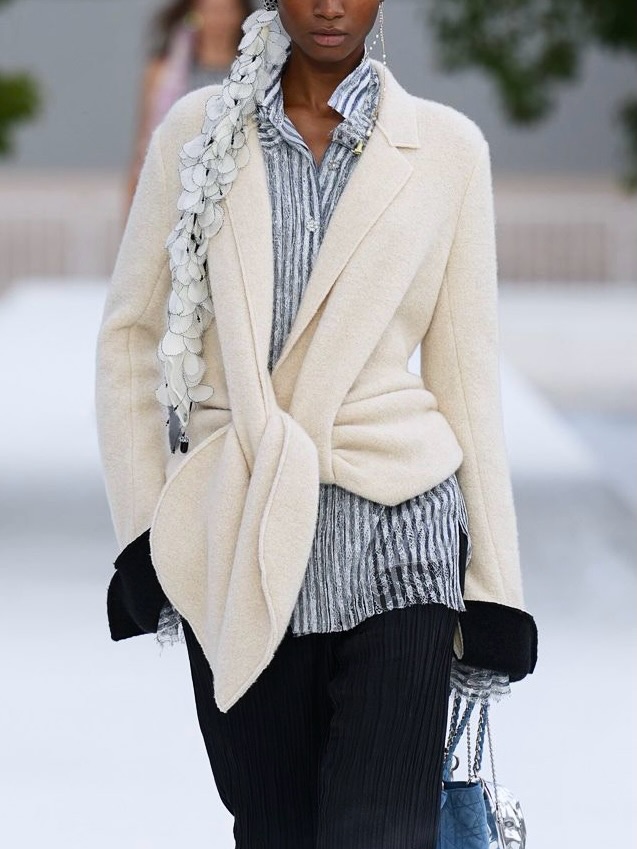
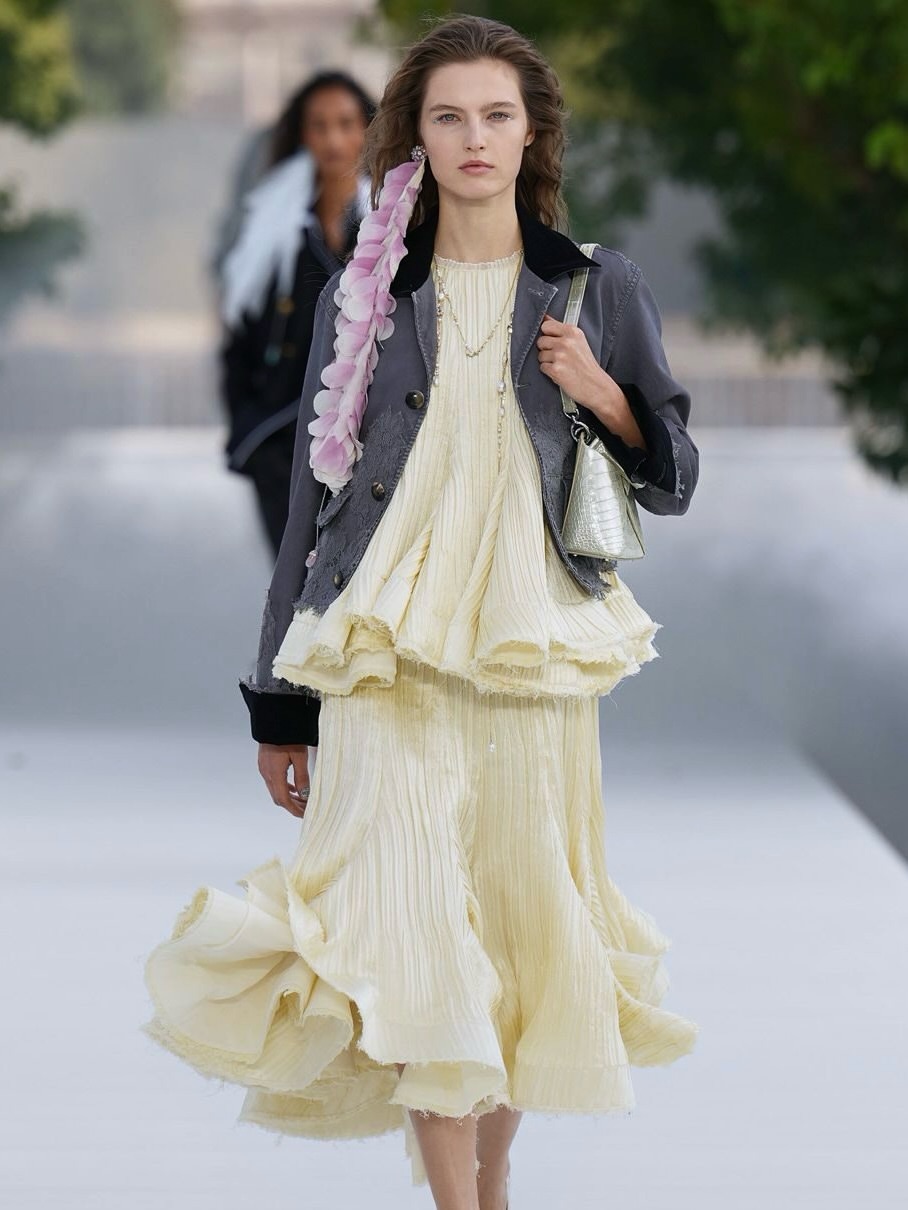
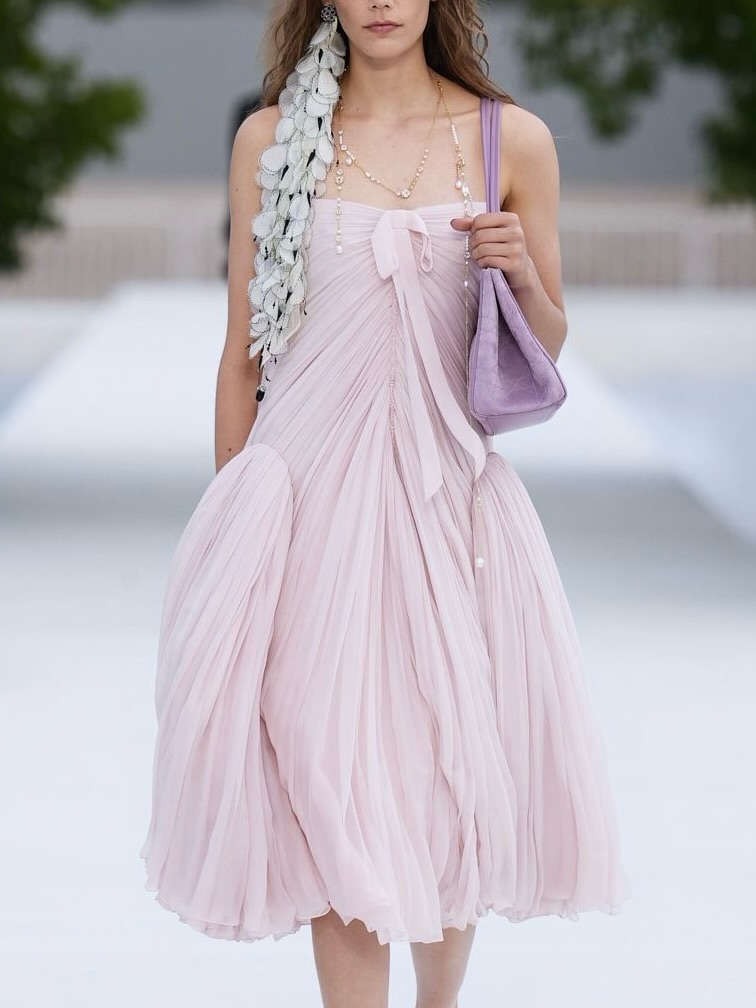
The collection shows that tailoring does not always have to feel powerful through structure. Sometimes, sophistication can come from simplicity, movement, and subtle details.
These lightweight tailored pieces represent a modern interpretation of confidence—one that feels calm, effortless, and refined.
Alongside the relaxed tailoring, flowing dresses become another major highlight of the collection.
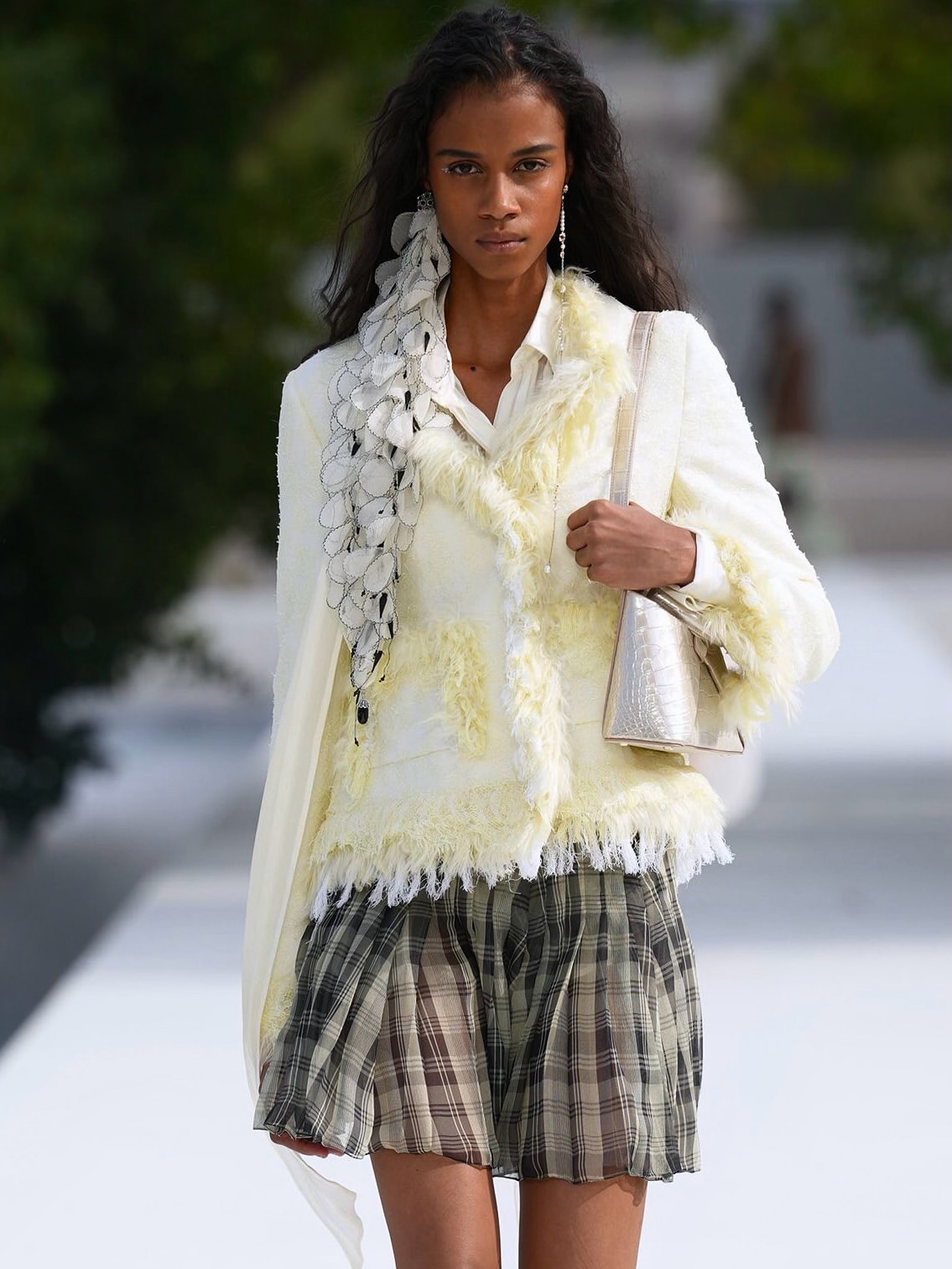
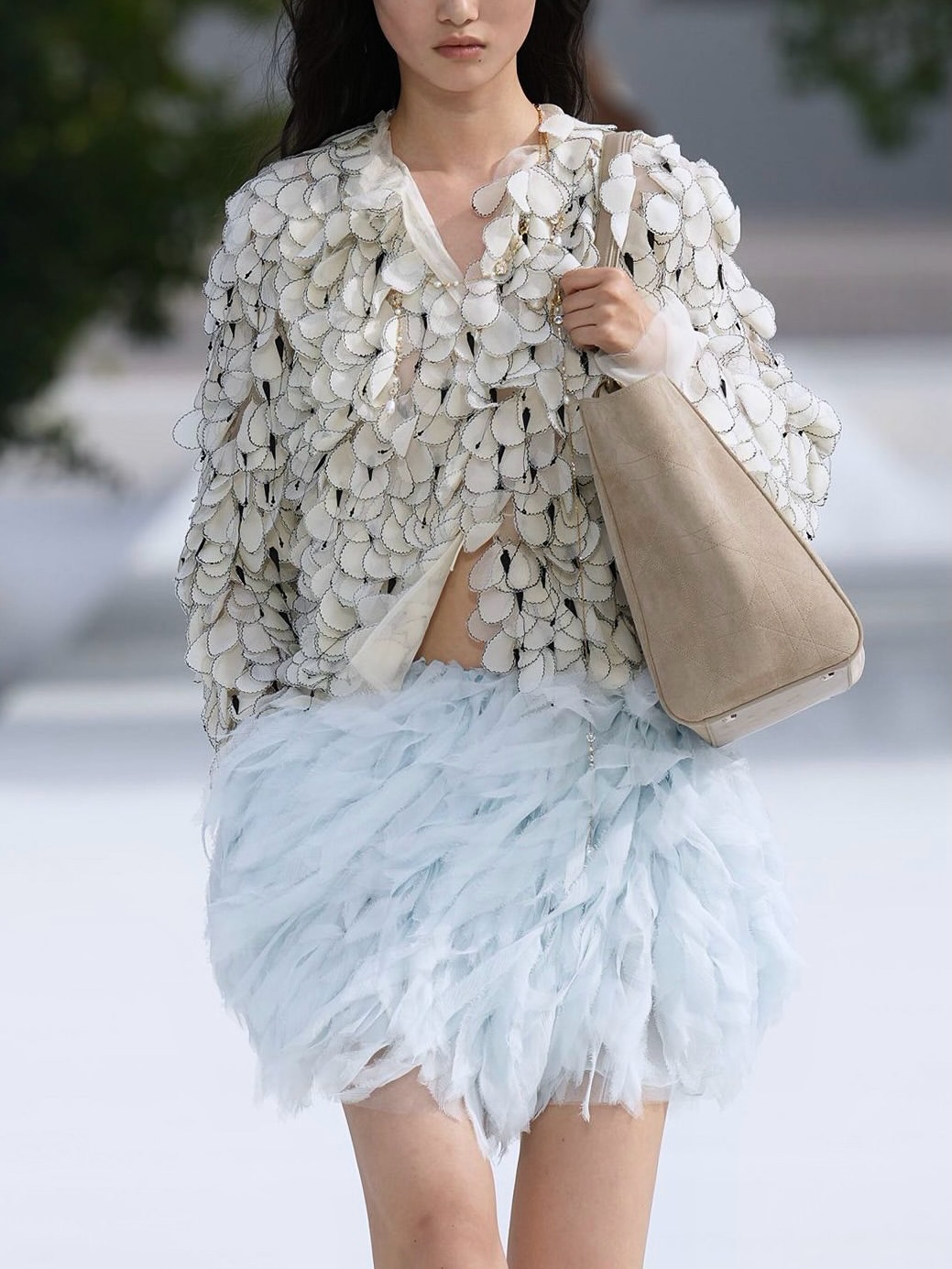
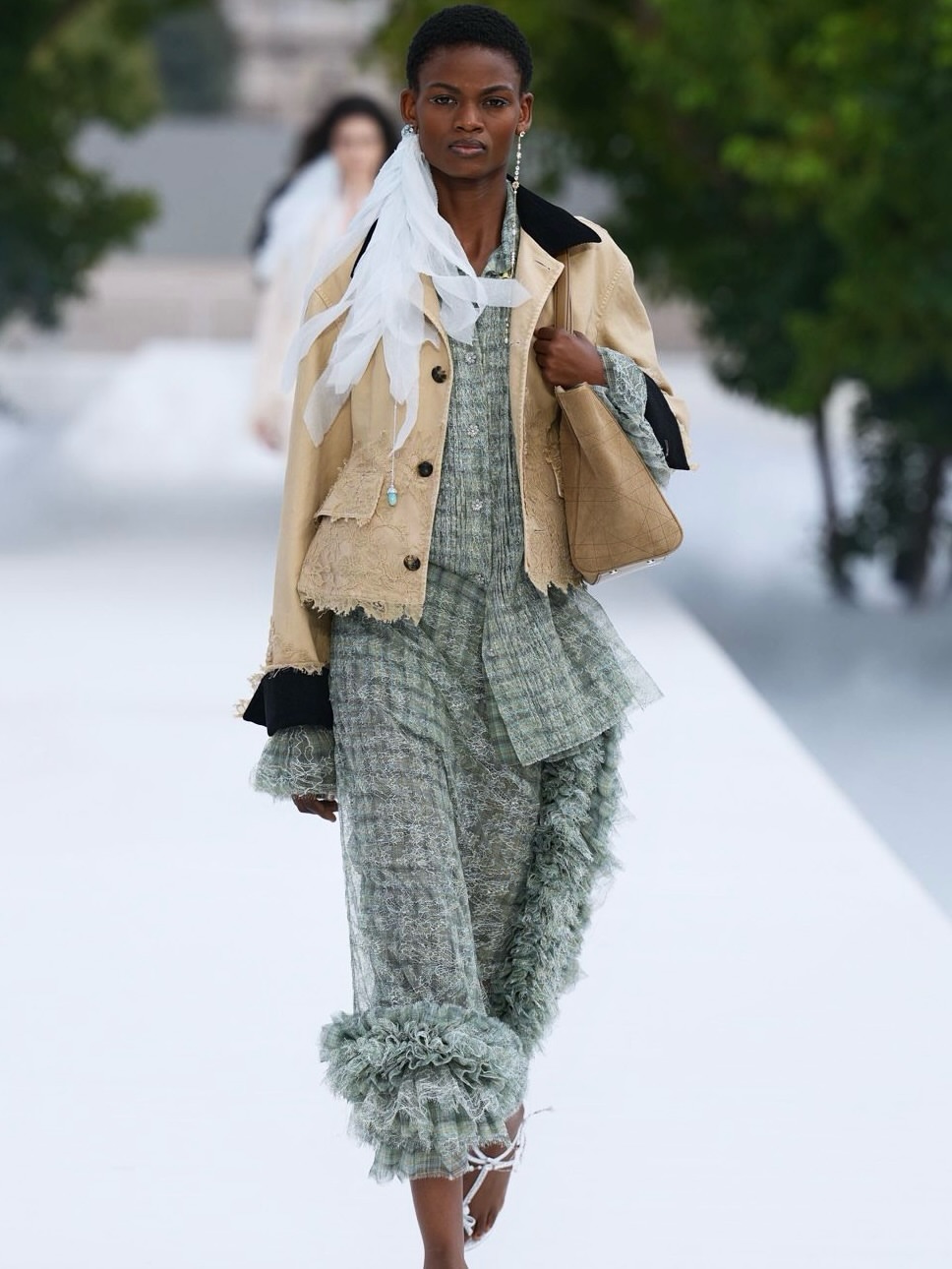
Jonathan Anderson experiments with draping techniques to create silhouettes that celebrate the natural shape of the body. The dresses feel romantic and artistic, using fabric movement as a key design element.
Rather than relying on excessive decoration, the beauty comes from how the materials fall and create different shapes.
The result is a collection of dresses that feel elegant but not predictable. They carry a sense of femininity while allowing the wearer’s personality to remain the focus.
This approach reflects a broader movement in fashion today, where designers are exploring clothing that feels expressive while still being comfortable and wearable.
Another interesting detail from the collection is the use of pajama-inspired designs.
Jonathan Anderson takes inspiration from relaxed homewear and transforms it into something luxurious. Soft silhouettes, comfortable shapes, and effortless styling create pieces that blur the line between casual and formal fashion.
The idea of bringing comfort into high fashion has become increasingly popular, and Dior presents its own elegant interpretation.
These pieces suggest that looking stylish does not always require sacrificing comfort. Instead, luxury can also mean feeling confident and relaxed.
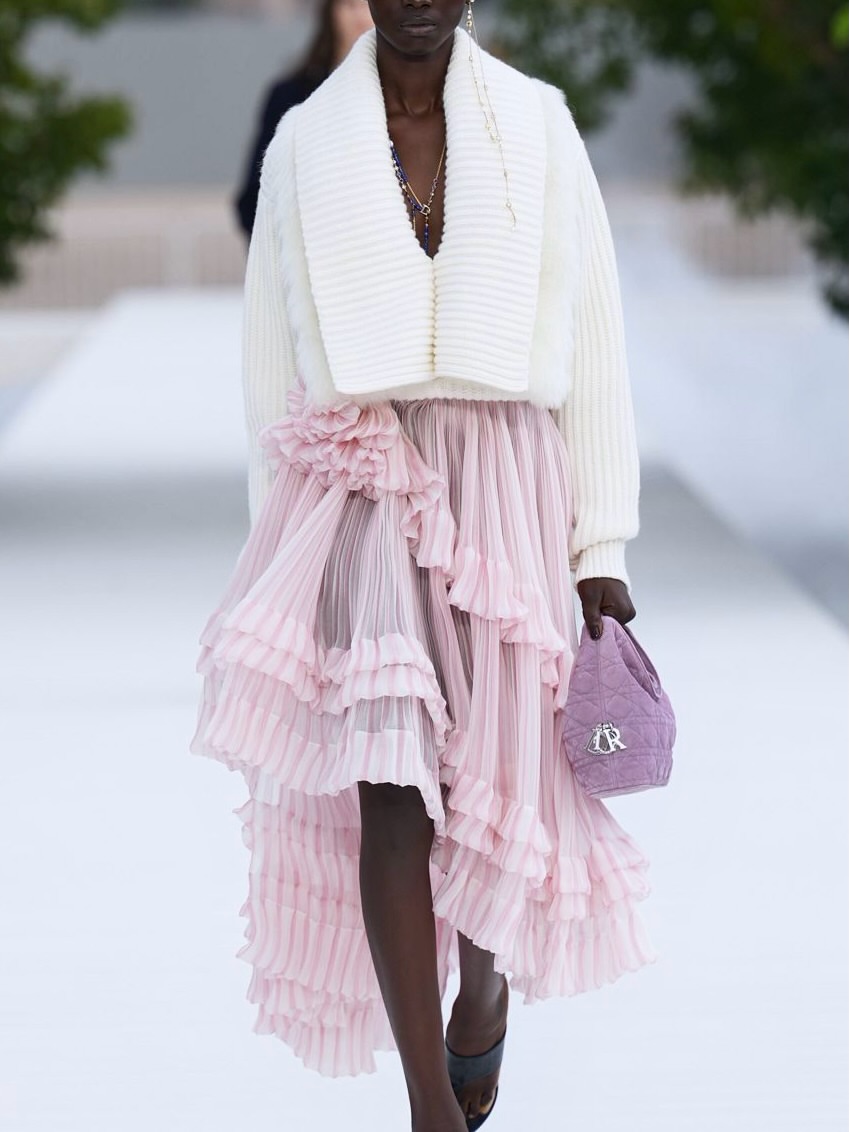
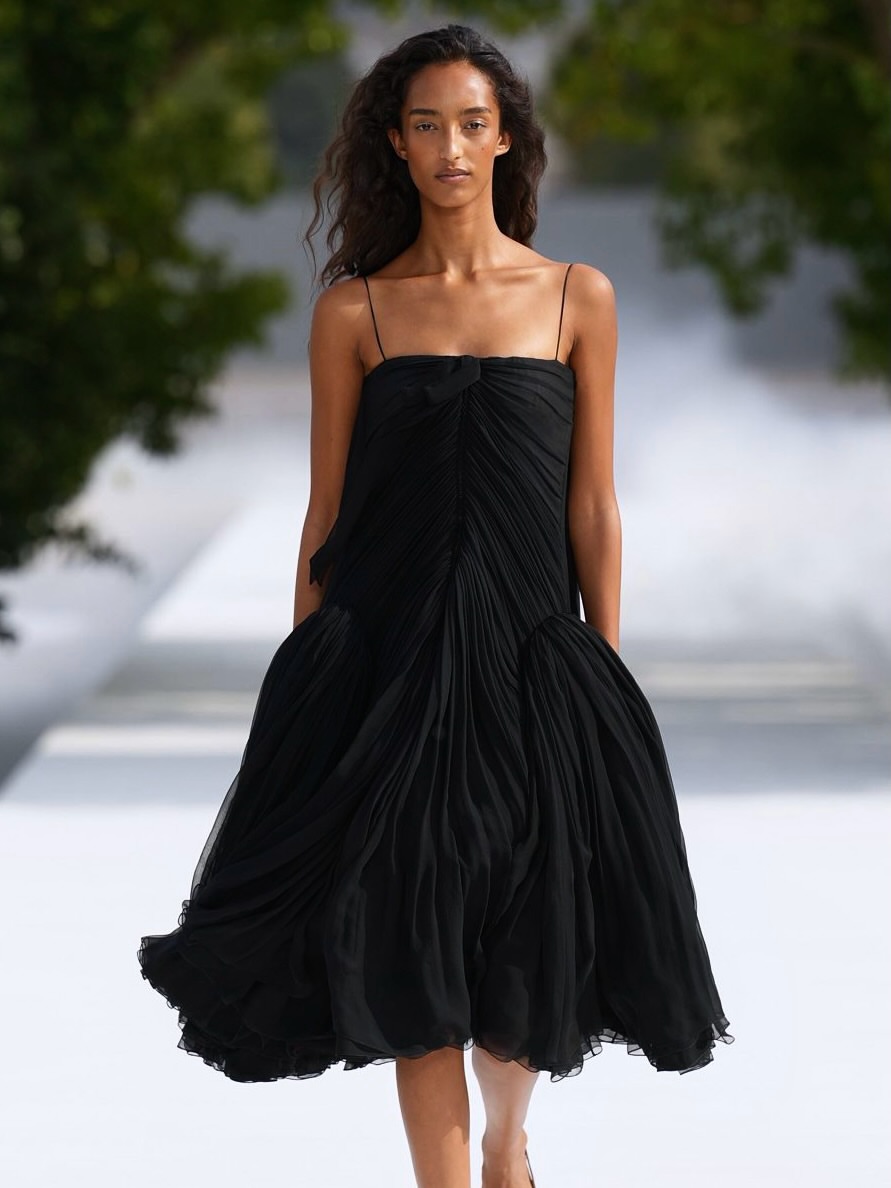
The pajama-inspired designs add a playful and modern touch to the collection while maintaining the refined identity of the fashion house.
Beyond the silhouettes, the collection is filled with small details that make each piece feel special.
Undulating peplums add movement and shape, creating a fresh interpretation of a classic feminine detail. Painterly floral patterns bring an artistic quality to the designs, making some pieces feel almost like wearable paintings.
Lace inserts also contribute to the romantic atmosphere of the collection. These delicate elements add texture and contrast, creating a balance between softness and sophistication.
Together, these details create a collection that feels light, imaginative, and full of personality.
Every element appears carefully considered, from the choice of fabric to the way each piece interacts with the body.
One of the biggest impressions from this Dior collection is its sense of lightness.
The designs feel almost weightless, creating an atmosphere of elegance without heaviness. This featherlight quality allows the collection to feel fresh and modern while still respecting the heritage of the brand.
Jonathan Anderson successfully combines different moods: romantic yet cool, feminine yet confident, classic yet experimental.
This balance is what makes the collection stand out. It does not try to completely redefine what Dior represents—it expands the possibilities of what the brand can become.
Fashion is constantly changing, and luxury brands must continue finding ways to connect with new generations. Through this collection, Dior shows how tradition and innovation can exist together.
Jonathan Anderson’s designs demonstrate that elegance does not have to remain fixed in the past. It can evolve through new materials, new silhouettes, and new ways of thinking about clothing.
The collection feels like a conversation between Dior’s historic identity and a more contemporary fashion world.
For fashion enthusiasts, it offers inspiration for how modern luxury can look: effortless, expressive, and personal.
Jonathan Anderson’s latest Dior collection delivers a beautiful combination of airy tailoring, flowing dresses, artistic details, and modern femininity.
With pajama-inspired pieces, soft draping, floral artwork, and delicate lace accents, the collection creates a fashion experience that feels elegant but never too serious.
It represents a version of Dior that is light, confident, and undeniably cool. By blending comfort with craftsmanship, Jonathan Anderson introduces a fresh perspective while honoring the timeless spirit of one of the world’s most iconic fashion houses.
For anyone who loves fashion that feels both dreamy and wearable, this Dior collection is definitely one to watch.
Follow D-Muse to stay current with fashion trends, lifestyle tips, and exciting events. DM us @dmusemagz now to get all the information you need!
Fashion lovers, get ready because Gucci is entering a new chapter. For the Spring 2027 Ready-to-Wear collection, artistic director Demna presented what he described as the first collection that fully represents his personal vision for the legendary Italian fashion house.
Presented during Milan Fashion Week, the latest Gucci collection is more than just a display of beautiful clothes. It is a statement about identity, history, and the future direction of the brand. By combining Gucci’s iconic heritage with his own creative language, Demna created a collection that feels sophisticated, bold, and unmistakably personal.
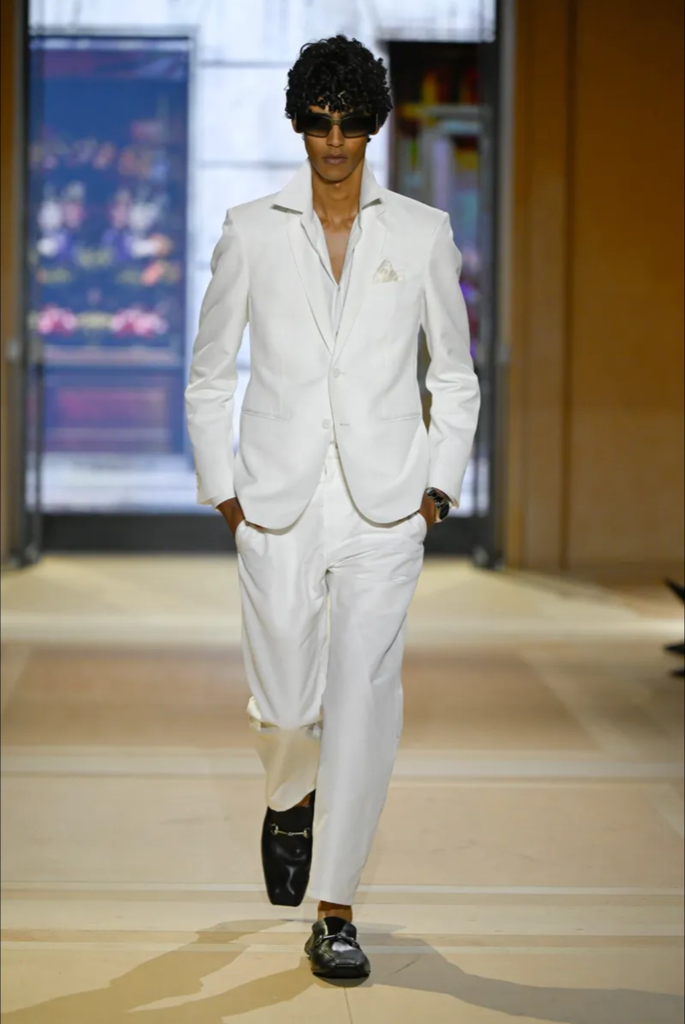
From the show’s unique setting to the carefully designed outfits, every detail reflected his attempt to understand what makes Gucci special—and how he can reinterpret it for a new generation.
The Spring 2027 Gucci show took place in a space designed to look like a luxury Gucci store. Instead of a traditional runway, guests entered an environment featuring marble walls, decorative bas-reliefs, clothing rails, and shelves filled with accessories.
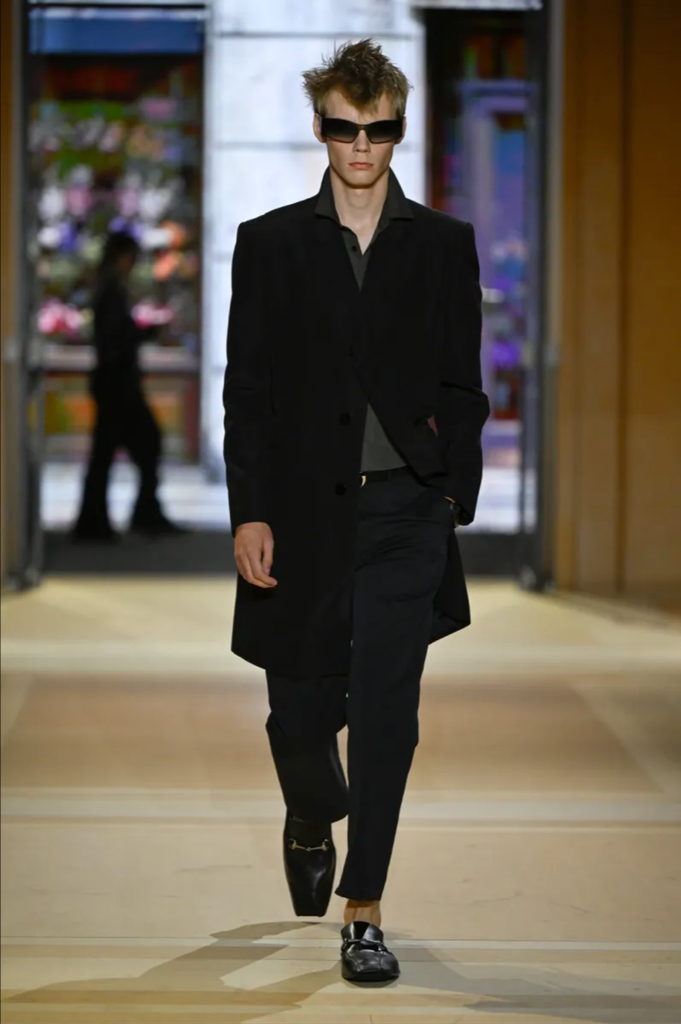
The location was not chosen randomly. According to Demna, the space represented a possible blueprint for future Gucci stores. It also reflected the same idea behind the collection: creating a clear and recognizable vision for where the brand could go next.
The setting immediately established the atmosphere of the show. It felt elegant, refined, and connected to Gucci’s luxury roots while still leaving room for a modern interpretation.
The collection was divided into two parts, beginning with menswear before moving into womenswear. Demna explained that he wanted both sides to receive equal attention, allowing each category to have its own moment.
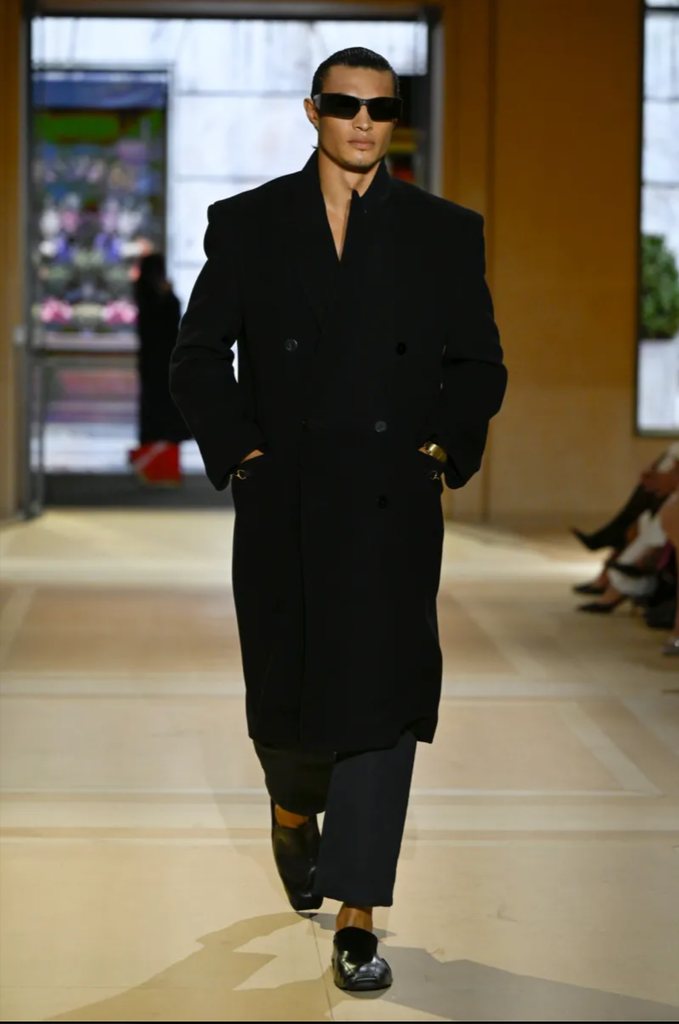
The models walked through the imaginary store with confidence and attitude, bringing the clothes to life. Their strong presence matched the collection’s overall message: Gucci is a brand with character, personality, and multiple identities.
One of the most interesting aspects of the new collection is how Demna combines his own design language with Gucci’s existing DNA.
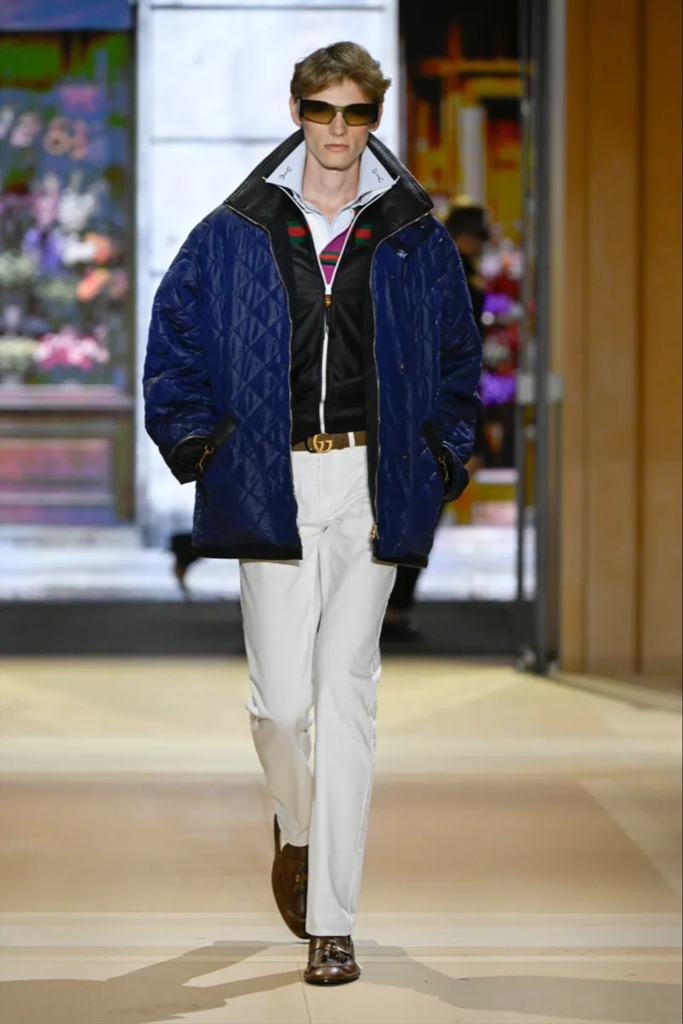
Fans familiar with his previous work may notice elements that reflect his past experiences, including dramatic tailoring, oversized silhouettes, and elongated footwear. However, instead of simply repeating those ideas, Demna transformed them to fit within the world of Gucci.
The result is a collection that feels both familiar and new.
Rather than overwhelming the designs with logos or obvious branding, Demna used Gucci’s symbols carefully. Some pieces featured high belts with three horsebit closures, while other outfits incorporated the famous GG monogram subtly through jacket and parka linings.
This approach created a sense of luxury that felt more refined. Instead of relying only on recognizable symbols, the collection focused on craftsmanship, silhouette, and attitude.
One of the strongest references in the collection was Gucci’s long connection with equestrian style.
The opening women’s look immediately highlighted this heritage with a modern interpretation of riding-inspired fashion. The outfit featured a sleek fitted short jacket with three buttons, small silver horsebit details on the lapels, fitted white breeches, and riding boots.
It was a perfect example of how Demna approached Gucci’s history—not by copying the past, but by updating it.
Throughout the collection, traditional wardrobe pieces received a polished transformation. Classic items such as tartan skirts, waxed jackets, polo shirts, coats, and trench coats were redesigned with sharper tailoring and a more contemporary attitude.
These pieces maintained their recognizable qualities while gaining a fresh sense of confidence.
While the collection respected Gucci’s sophisticated side, Demna also embraced the brand’s more dramatic and eccentric personality.
The runway featured several daring designs, including a mock-leopard fur coat with a belt, a striking black evening dress with a deep cutout, and a delicate powder-pink gown that appeared almost effortlessly placed on the body with a silver hook detail at the back.
These pieces represented the more theatrical side of Gucci—the side that enjoys experimentation, glamour, and pushing boundaries.
This balance between elegance and boldness became one of the strongest themes of the collection.
According to Demna, one of Gucci’s biggest strengths is that the brand does not have only one identity.
While researching Gucci’s history, he discovered two major characteristics that define the house: the sophisticated bourgeois side and the more eccentric, expressive side.
For Demna, both elements are essential.
He explained that Gucci would lose part of its identity if it became only traditional and luxurious. However, the brand would also feel incomplete if it focused only on eccentricity and experimentation.
The challenge was finding the balance between these two worlds.
This idea became the foundation of the Spring 2027 collection. Demna approached Gucci’s history like building a creative puzzle, combining different elements and transforming them into his own interpretation.
The result is a collection that celebrates Gucci’s past while creating space for its future.
The Spring 2027 collection represents an important moment for Gucci and Demna’s journey as creative director. Rather than completely changing the brand’s identity, he focuses on understanding what makes Gucci unique and then adding his own perspective.
The collection shows that Gucci can be elegant and playful, traditional and experimental, luxurious and rebellious—all at the same time.
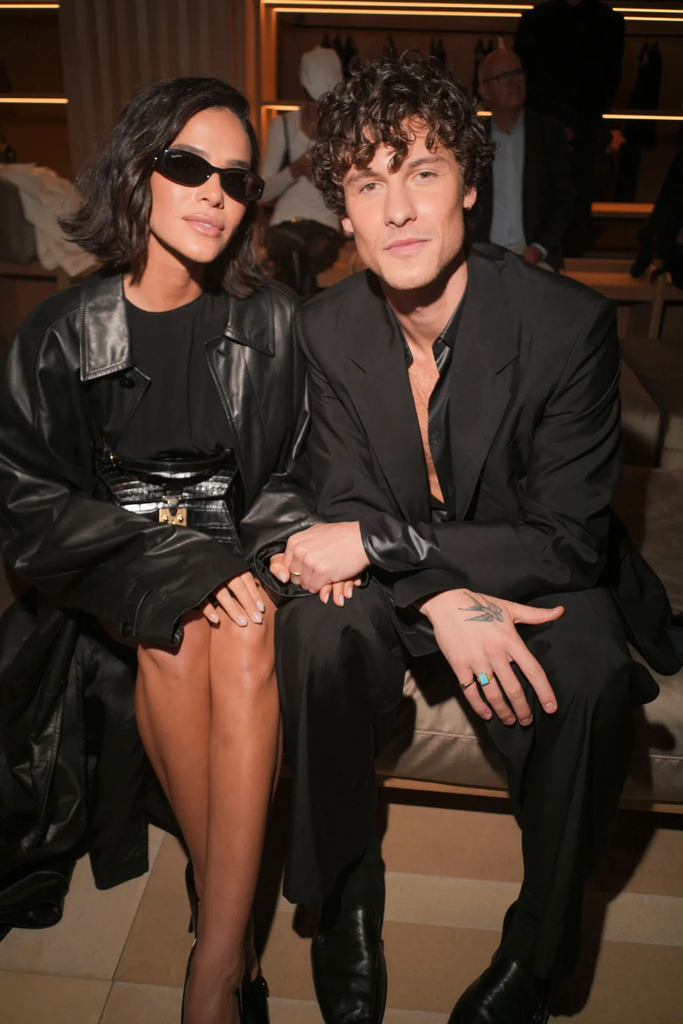
That complexity is exactly what makes the brand recognizable.
By combining Gucci’s equestrian heritage, Italian sophistication, pop culture influence, and Demna’s modern approach, the designer presents a vision that feels personal but still connected to the house’s history.
The latest Gucci Spring 2027 collection is not just about fashion trends. It is about exploring what a historic luxury brand can become in a changing world.
Through carefully crafted designs, a unique runway concept, and a thoughtful balance between tradition and creativity, Demna introduces a new perspective for Gucci.
The collection proves that Gucci’s strength has always come from its ability to embrace different personalities. It can be classic and eccentric, refined and unexpected, familiar and completely new.
With this collection, Demna shows that the future of Gucci is not about choosing one identity—it is about bringing all of them together.
Follow D-Muse to stay current with fashion trends, lifestyle tips, and exciting events. DM us @dmusemagz now to get all the information you need!
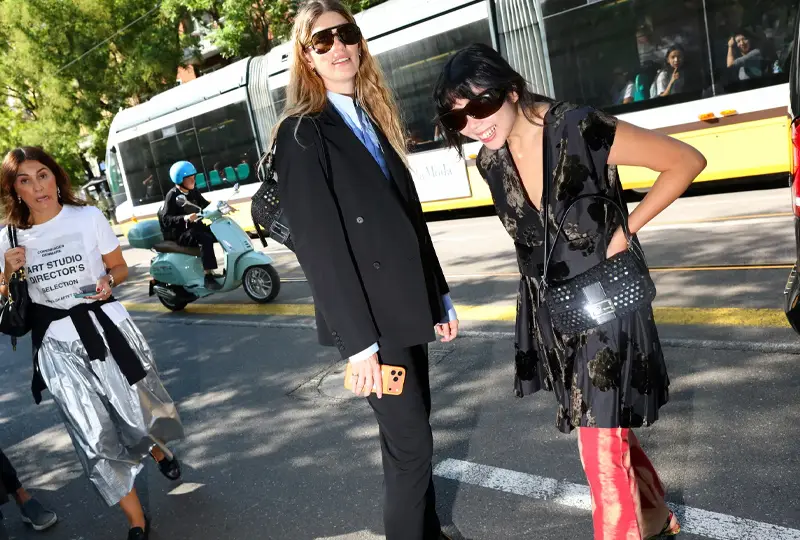
When Milan Fashion Week Spring/Summer 2027 kicked off, fashion editors, stylists, and global trendsetters officially transformed the streets of Italy’s style capital into their very own open-air office. Blending corporate decorum with edgy subversion, street style stars brought office wardrobe codes out into the sunshine—proving that workwear doesn’t have to be boring.
Lensed by photographer Phil Oh, the sidewalks were overflowing with relaxed suiting, dramatic knee-length skirts, playful pop-art prints, and ingenious layering tricks designed for transitional weather.
At D-Muse Magz, we have your front-row seat to all the street-style action, runway connections, and viral outfit formulas that defined Milan Fashion Week SS27!
| Trend Category | Street Style Highlights & Key Pieces | Runway Connection |
| Office Decorum | Relaxed suiting, sharp shoulder tailoring, muscle tanks | Prada & Fendi tailored workwear |
| The Hero Skirt | Pin skirts, plaid silks, lace with orange frills, pop art prints | Prada knee-length skirts in latex & chainmail |
| Playful Motifs | Repeating bullet lipsticks, glittering sequins, pop art portraits | Artistic expression on silk canvases |
| Experimental Layering | Corsets over button-downs, sheer slips, double cardigans | Onitsuka Tiger & Fendi glam-rock vibes |
| Transitional Weather | Lightweight outerwear, cozy scarves, mixed textures | Early autumn-to-spring layering formulas |
Leaving their traditional desks behind, fashion insiders turned the avenues of Milan Fashion Week into a runway of elevated office attire. But forget stiff corporate dress codes; this season was all about relaxed suiting undercut by sharp, meticulous shoulder tailoring.
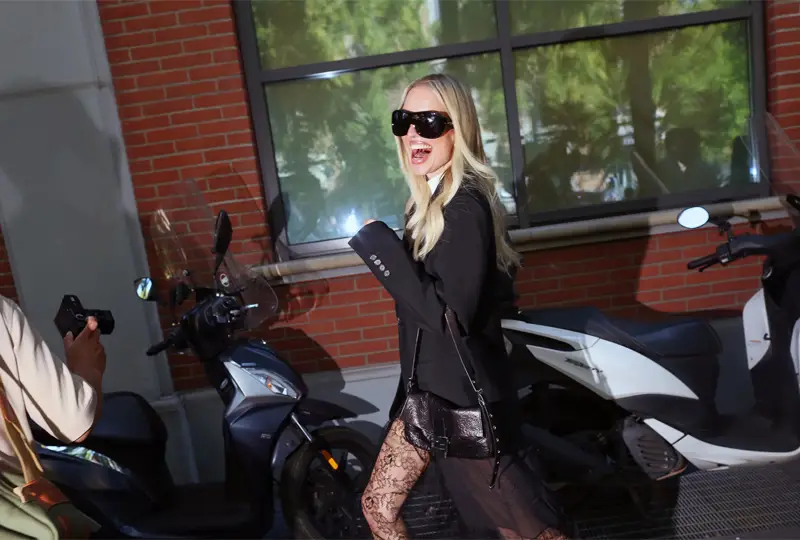
Showgoers balanced structured blazers with purposeful muscle tank silhouettes, creating a casual yet refined look that felt both powerful and comfortable.
By pairing structured menswear tailoring with laid-back basics, attendees proved that corporate chic is officially the defining uniform for fashion month.
If there was one undeniable staple piece spotted across street style snaps lensed by Phil Oh, it was the knee-length pin skirt. Heavily inspired by Miuccia Prada’s opening show, the skirt took center stage as a versatile canvas for artistic expression.
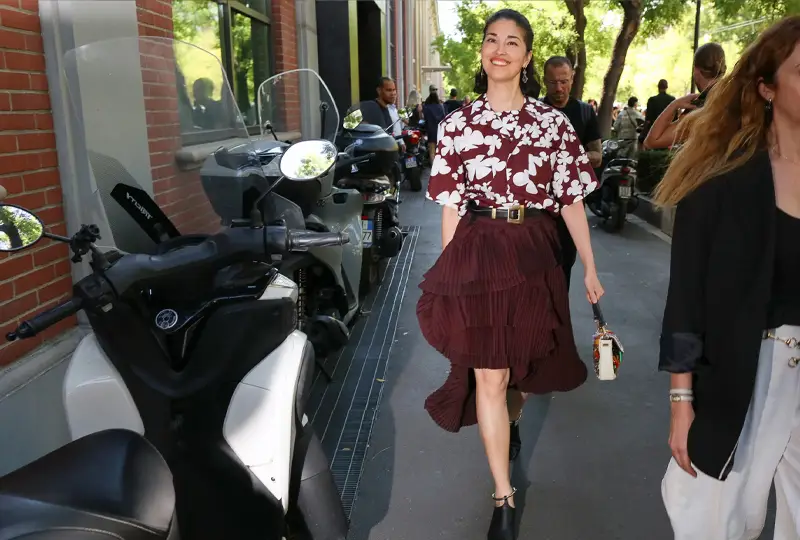
On the Milan Fashion Week runways, Prada delivered skirts crafted from unexpected materials—ranging from sleek latex and Velcro closures to shimmering chainmail and glass crystals. Out on the streets, style mavens took that energy and ran with it, showcasing skirts in an array of eye-catching textures and whimsical patterns:
The message from Milan is clear: the knee-length skirt is no longer just for boardroom meetings—it’s a high-fashion statement piece.
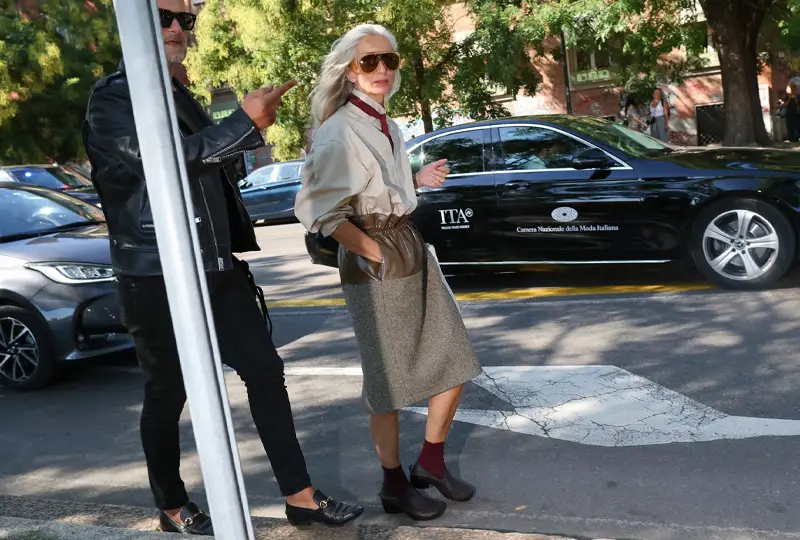
Navigating the shifting, in-between weather of early autumn in Northern Italy requires serious styling ingenuity. Attendees at Milan Fashion Week embraced the climate challenge by inventing creative layering formulas that added texture and depth to their outfits.
Some prepped for cooler breezes with lightweight outerwear and cozy scarves, but the real style magic happened in the details:
The magic on the streets was a direct reflection of the groundbreaking collections unveiled inside the show venues during Milan Fashion Week.
Day 1 set an ambitious tone as the season continued into Paris. Prada’s masterclass in skirt construction offered endless inspiration for street-style lovers. Over at Fendi, Maria Grazia Chiuri leaned into a sensual glam-rock aesthetic, making lingerie-inspired pieces central to the collection.
Meanwhile, Onitsuka Tiger delivered its signature brand of reinvention, packaging beauty with a sportier, grittier twist that inspired showgoers to blend athletic elements with high-fashion tailoring.
From tailored suiting and statement pin skirts to double-cardigan layering, Milan Fashion Week SS27 proved that personal style lies in the unexpected details. As fashion month moves on to its final stop in Paris, Milan’s blend of executive polish and playful artistry will undoubtedly dominate trend reports for months to come.
Which street style look was your personal favorite from Milan? Sound off on our D-Muse Magz social media channels!
Follow D-Muse to stay current with fashion trends, lifestyle tips, and exciting events. DM us @dmusemagz now to get all the information you need!
Fashion’s ultimate intellectual powerhouse has returned to form with a collection that turns a single garment into an infinite playground of self-expression. For their Spring 2027 women’s ready-to-wear runway, Miuccia Prada and Raf Simons stripped away unnecessary runway fireworks and focused all their creative energy on the quintessential Prada staple: the skirt.
The result was an effortless, versatile, and instantly likeable show that proved why Prada remains the undisputed ruler of modern luxury fashion. At D-Muse Magz, we are breaking down every detail of this skirt-centric spectacle, from its historical roots to its underground rave edges!
| Collection Highlight | Details & Styling Notes |
| Featured Brand | Prada (Spring 2027 Ready-to-Wear) |
| Creative Directors | Miuccia Prada & Raf Simons |
| Hero Garment | The Skirt (Flexible, adaptable, full of meaning and contradictions) |
| Historical Inspiration | 2005 “Waist Down” Exhibition (Shanghai & NY SoHo Flagship) |
| Key Textures & Materials | Technical black nylon, spray-painted leather, satin, cotton, knitwear |
| Standout Details | Velcro wrap closures studded with crystals, industrial arm-cuff pouches |
| Core Philosophy | Freedom of styling over rigid, head-to-toe pre-packaged outfits |
Focusing on the waist down isn’t a new concept for Prada. Back in 2005, the brand debuted its famous “Waist Down” exhibition in Shanghai (later installed in its SoHo flagship in New York City), where curator Kayoko Ota famously noted that while most designers obsess over the torso, the real movement of human life happens from the waist down.
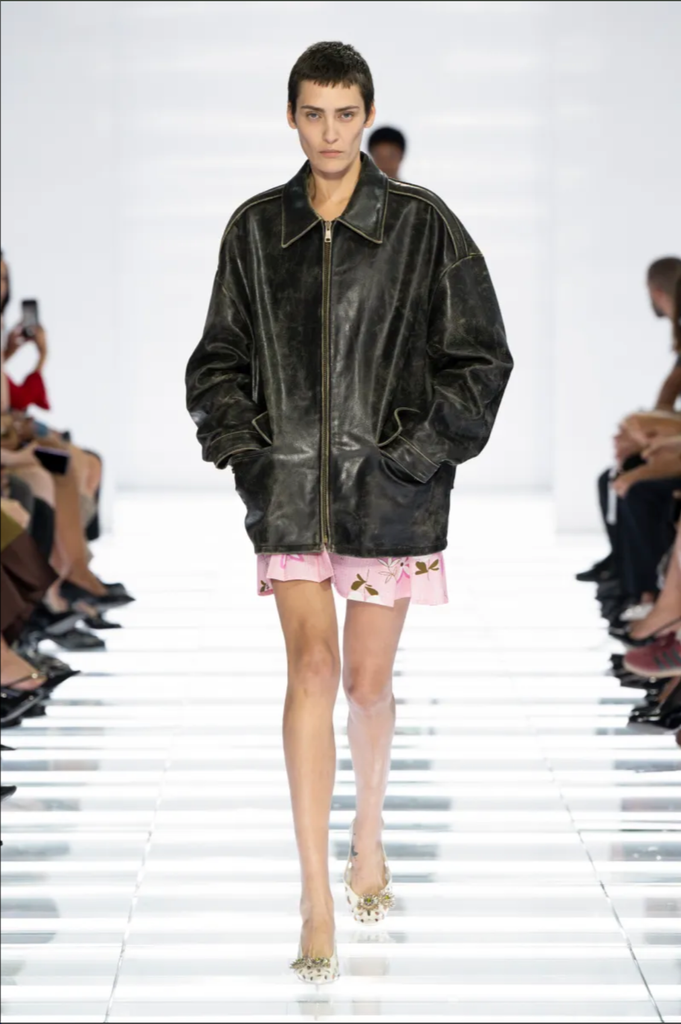
Fast-forward to Spring 2027, and Miuccia Prada and Raf Simons have taken that exact philosophy to its logical extreme. During a pre-show press preview with fashion editors, Miuccia repeatedly adjusted her own blush-colored silk number with scalloped edges, likening a skirt’s rectangular silhouette to a blank frame:
“The skirt’s shape is like the frame of a painting. So you are obliged to put ideas on the frame.” — Miuccia Prada
Raf Simons deepened this concept by digging up an archived Charlie Rose interview where Miuccia stated that for a woman, a skirt is the functional equivalent of a man’s t-shirt. To Simons, a single skirt can adapt to any emotional state or calendar event:
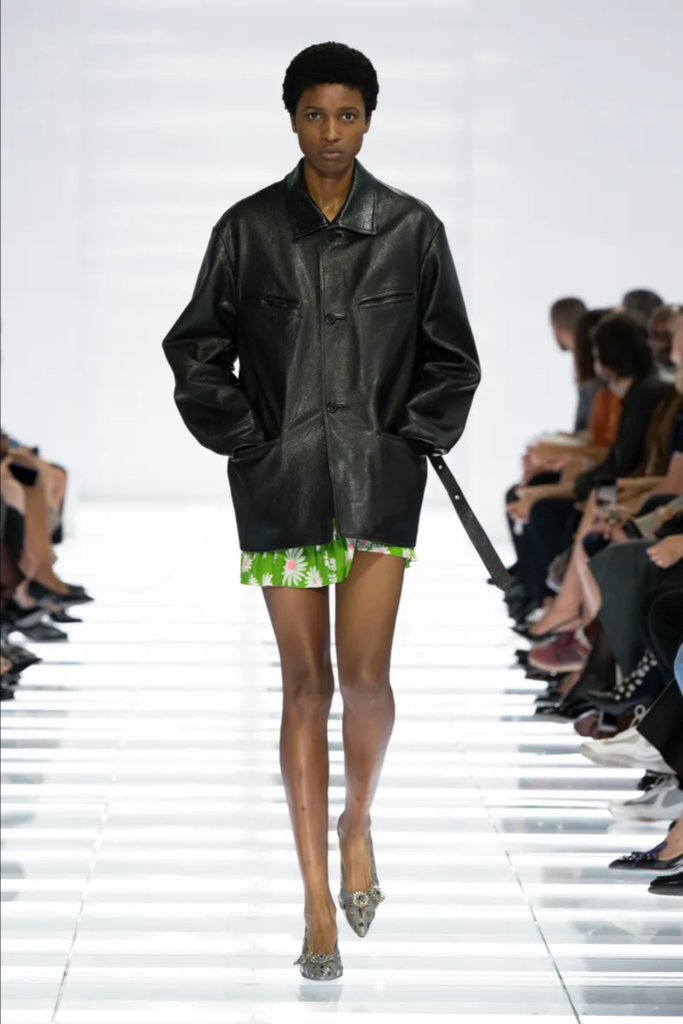
“It’s the answer to innumerable occasions—like when you want to be sexy, you want to be luxurious, you’re going to work, or you want to be at ease with your kids.” — Raf Simons
What made this collection feel like classic Prada was its perfect balance of three signature brand pillars: feminine charm, functional ease, and sharp intellectual subversion.
The show resurrected many of the iconic design codes that have propelled Prada over the decades:
In an era where many fashion houses push overly styled, head-to-toe looks that leave little room for personal interpretation, Prada‘s Spring 2027 presentation offered true sartorial liberation.
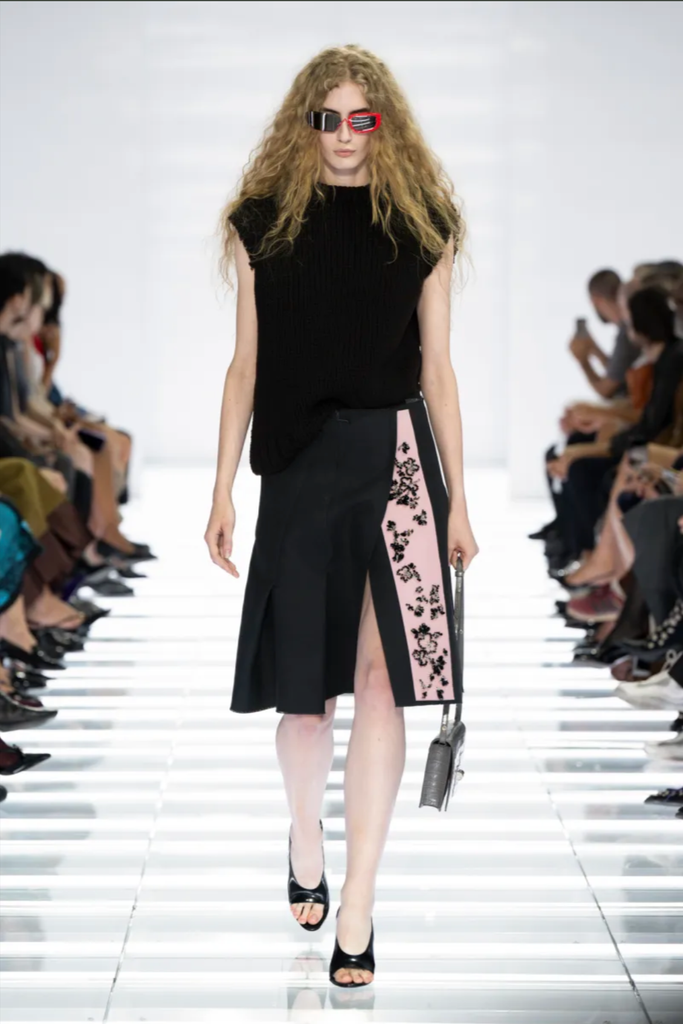
By proposing the skirt as the anchor of every outfit, Simons and Prada demonstrated that rigid, complete ensembles limit wardrobe potential. A great skirt allows the wearer to mix, match, and re-contextualize their clothes every day, creating a look that feels uniquely their own.
By stripping away excess noise and celebrating a singular, adaptable garment, Prada Spring 2027 delivered one of the most refreshing, wearable, and thought-provoking shows of the season. It was a triumphant reminder that when fashion respects the wearer’s individuality, true magic happens.
What was your favorite skirt iteration from the runway? Share your style takes with us on our D-Muse Magz social feeds!
Follow D-Muse to stay current with fashion trends, lifestyle tips, and exciting events. DM us @dmusemagz now to get all the information you need!