

Why Adela and Other Young Artists Are ‘Motherbombing’ Right Now
October 5, 2026
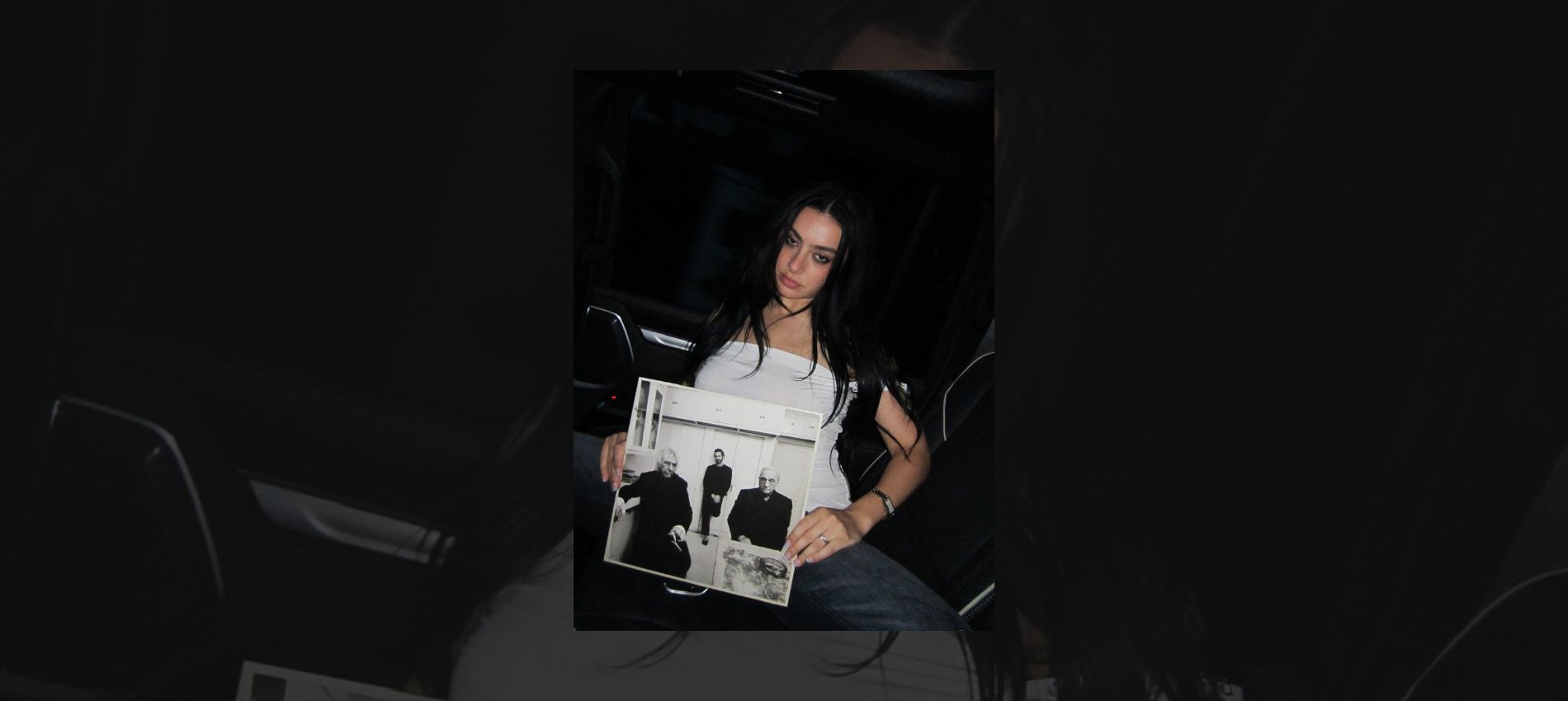
What do Adela, Nicole Kidman, Charli xcx, Madonna, and Martin Scorsese have in common? They are part of a growing trend in pop culture that could be called “motherbombing”—when younger artists bring legendary cultural figures into their projects to create attention, build connections, and perhaps borrow a little bit of their timeless star power.
The term might sound funny at first, but there is actually an interesting idea behind it. In 2026, when almost anyone can go viral overnight, simply becoming famous is no longer enough. Staying relevant is the much harder part.
And that is where icons from previous generations come in.
Adela Feels Like Nicole Kidman
One of the clearest examples is rising Slovak pop star Adela, whose latest song is named after Hollywood actress Nicole Kidman.
In the accompanying music video, Adela recreates some of Kidman’s most recognizable movie moments. The video references scenes from films including Babygirl and Moulin Rouge!, turning Kidman’s screen legacy into part of Adela’s own artistic world.
It is a clever move because viewers immediately have something familiar to connect with. Instead of introducing herself entirely from scratch, Adela places her work alongside an actress whose cultural identity is already deeply established.
And she is definitely not alone.
Charli xcx Is Calling Up the Legends
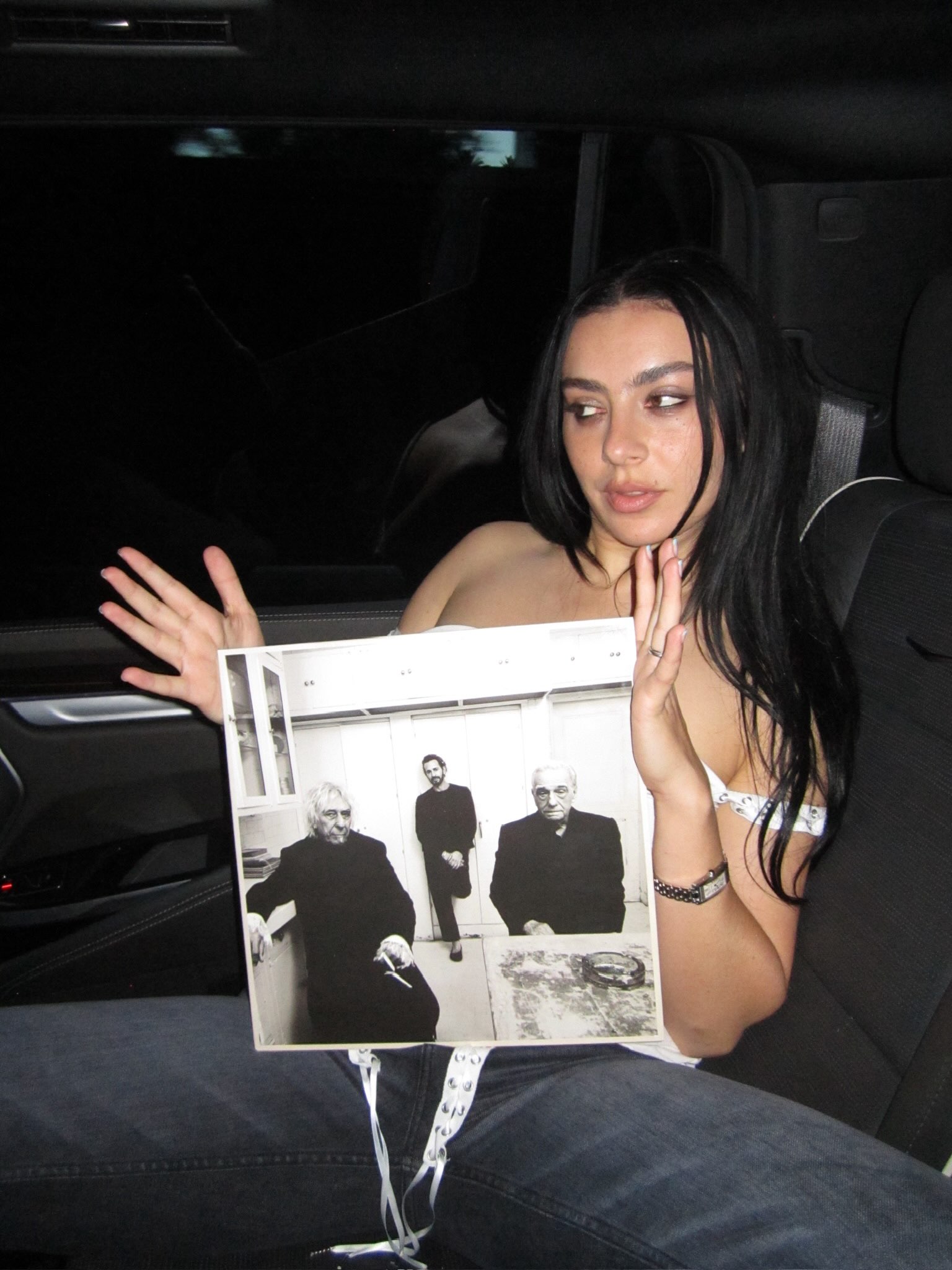
Charli xcx has also embraced this approach with her latest album, Music, Fashion, Film.
For the album cover, she brought together three major cultural figures: filmmaker Martin Scorsese, fashion designer Marc Jacobs, and musician John Cale. Rather than simply featuring younger stars who are currently trending online, Charli deliberately chose established names she considers legends.
The message is pretty clear: this is not just about what is happening right now. It is also about connecting contemporary pop culture with people whose influence has lasted for decades.
Troye Sivan is taking a similar route with his new dance track, “Party.” The song prominently samples Madonna’s “Music,” while the music video includes a voiceover from Sir Ian McKellen.
Interestingly, Sivan had already worked with McKellen as a teenager in a production of Waiting for Godot. So, in his case, the connection is not completely random—it is also part of his personal history.
What Exactly Is “Motherbombing”?
The idea behind “motherbombing” is related to what could previously be described as “cloutbombing.”
Cloutbombing is essentially about gathering as many influential, fashionable, or internet-famous people as possible to generate attention. Motherbombing takes a slightly different approach.
Instead of filling a project with every current internet sensation, younger artists are bringing established icons into the spotlight.
Think of it as borrowing from cultural history.
Of course, artists from different generations have always collaborated. Dolly Parton and Miley Cyrus, Tony Bennett and Lady Gaga, and Elton John and Dua Lipa are just a few examples of established stars and younger artists connecting across generations.
What feels different now is how visible those relationships have become.
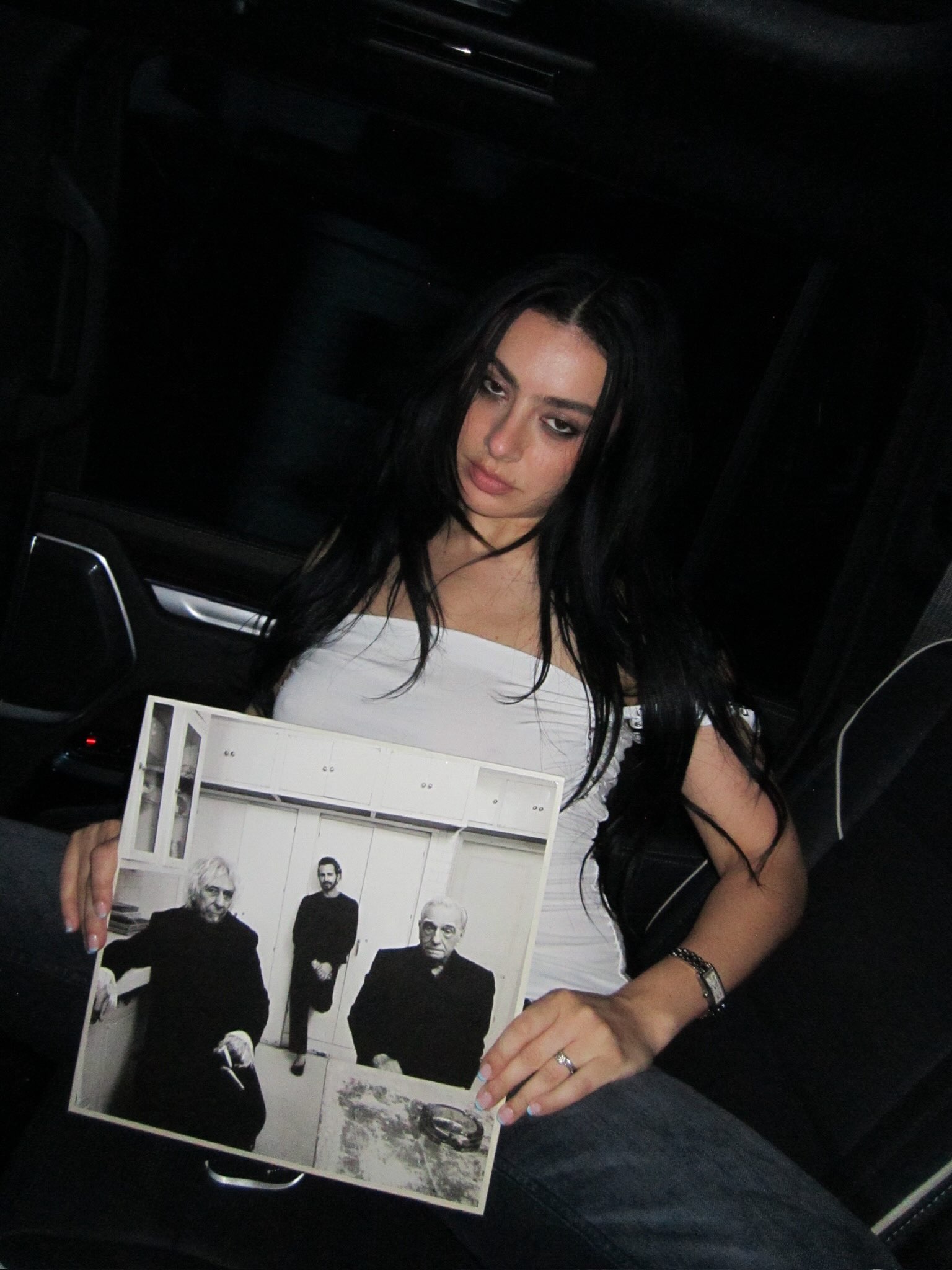
Rather than mentorship happening quietly behind the scenes, legendary figures are becoming part of the actual rollout. They appear on album covers, in music videos, on tracks, and in promotional campaigns.
Why Are Young Artists Doing This Now?
According to sociology professor Ellis Cashmore, celebrity influence is not something that only moves from older stars to younger ones.
Established celebrities can also benefit from younger artists. Older icons bring history and credibility, while younger stars bring freshness, novelty, and relevance to current audiences.
In other words, everyone gets something.
For a young artist like Adela, associating herself with someone as recognizable as Nicole Kidman can help connect her work to a much larger cultural reference point. Meanwhile, the older celebrity’s legacy gets introduced to a new generation.
It becomes a two-way exchange.
Fame Has Become More Temporary
There is another reason why this trend makes sense in 2026: fame has become incredibly fast-moving.
Social media and algorithms have made it possible for almost anyone to become famous very quickly. A song can explode on TikTok, an artist can suddenly become an internet sensation, and a creator can gain millions of followers seemingly overnight.
But there is a catch.
That attention can disappear just as quickly.
Someone can dominate online conversations one month and become almost invisible the next. In a culture where everyone is competing for attention, being famous is no longer particularly rare.
What is rare is lasting fame.
That is why connecting yourself with figures who have remained culturally relevant for decades can be so appealing.
Motherbombing as “Attention Insurance”
Julian Kevon Glover, an assistant professor at Virginia Commonwealth University, describes this kind of connection as a way of gesturing toward longevity.
If maintaining a 20-year career is becoming increasingly difficult, aligning yourself with someone who has already achieved that kind of longevity can provide a powerful cultural association.
It is almost like attention insurance.
A young artist may be popular today, but a figure like Nicole Kidman, Madonna, Martin Scorsese, or Ian McKellen already has a place in cultural history.
By referencing them, newer artists can subtly associate themselves with that sense of permanence.
Even Dead Icons Still Matter
The connection does not necessarily have to involve living celebrities.
Artists have long drawn inspiration from cultural figures who have passed away. Think of Kim Kardashian wearing Marilyn Monroe’s famous dress, Taylor Swift referencing Elizabeth Taylor in her music, Lady Gaga discussing David Bowie’s influence, or South Korean artist DEAN taking his name from James Dean.
These examples are not necessarily about deliberately chasing attention. Many are genuine expressions of artistic inspiration.
Still, there is an interesting effect: referencing someone who has already become part of history can also position a contemporary artist within a larger cultural timeline.
The Real Goal: Becoming Timeless
Perhaps that is the biggest reason Adela and other young artists are turning toward established icons.
The entertainment industry has never had more people competing for attention. Social media has made fame easier to achieve but potentially harder to maintain.
So maybe the ultimate status symbol is no longer simply becoming famous.
It is becoming timeless.
Motherbombing reflects that desire. By connecting themselves with cultural figures whose influence has survived multiple generations, young artists are not only chasing today’s attention. They are also suggesting that they want their own work to remain relevant tomorrow.
And if Adela feeling like Nicole Kidman is any indication, 2026 might just be the year when borrowing a little star power from the legends becomes the newest way to build your own legacy.
Follow D-Muse to stay current with fashion trends, lifestyle tips, and exciting events. DM us @dmusemagz now to get all the information you need!