Beyond the Kebaya: How Batik is Reclaiming Its Power as the Archipelago’s Ultimate Style Identity
August 7, 2026
When you hear the word batik, what immediately pops into your mind? For many across Southeast Asia, it’s the iconic floral uniform of the Singapore Girl, or perhaps nostalgic memories of golden-brown and pink nyonya sarongs tucked inside an heirloom wardrobe.
If you think batik is just a static piece of cloth saved exclusively for official ceremonies or wedding invitations, it’s time for a serious style reset.
Beyond its traditional associations, batik is a living, breathing textile—a “travelled cloth” with a complex history that spans centuries, oceans, and generations. To uncover what this storied fabric truly represents in our modern wardrobe, we sat down with three visionaries redefining the craft: Desleen Yeo (founder of YeoMama Batik), Aqilah Zailan (creative behind Gypsied), and Oniatta Effendi (founder of Baju By Oniatta).
Here is why batik is so much more than a nostalgic print—and how it’s quietly shaping the future of global style identity.
1. What Is Batik, Really? (Spoiler: It’s a Process, Not Just a Pattern)
Walk into any modern textile studio, and you’ll quickly realize there is a widespread misunderstanding about what batik actually means. Many shoppers use the term to describe any tropical or floral motif, but in the world of artisan craftsmanship, batik refers specifically to a wax-resist dyeing technique.
[Plain Fabric] ───> [Wax Application (Hand or Stamp)] ───> [Dyeing Process] ───> [Boiling Off Wax] ───> [Finished Cloth]
To understand the core essence of the fabric, you have to look at its linguistic roots. The word comes from the Javanese language, combining amba (meaning “to write”) and titik (meaning “to dot”).
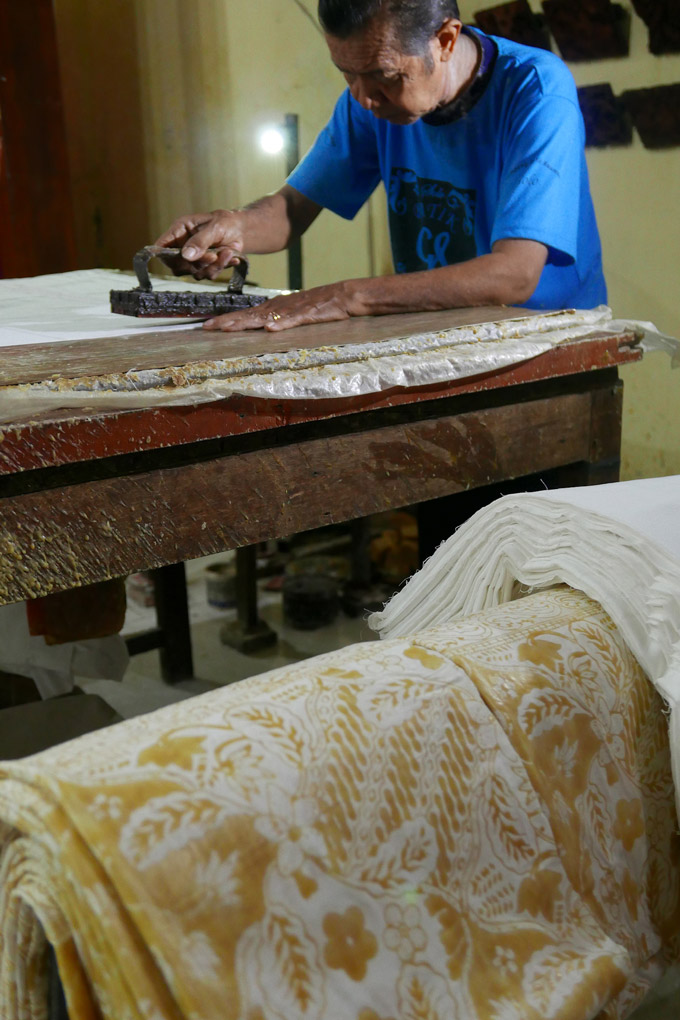
Batik Tulis (Hand-Drawn): Artisans use a small brass tool called a canting to meticulously draw liquid wax onto plain fabric by hand. A single length of cloth can take months to complete.
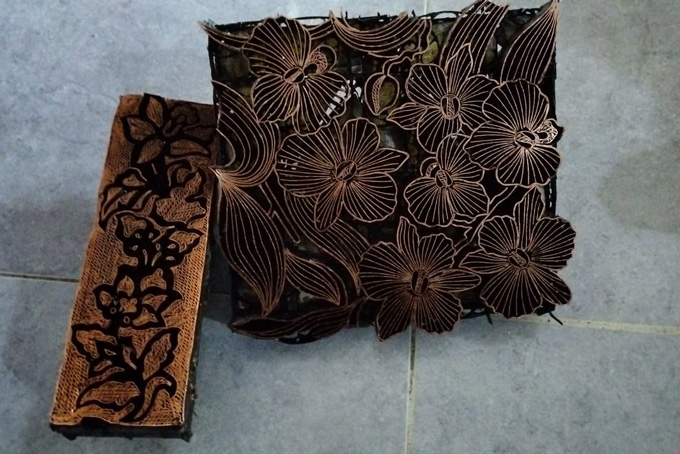
Batik Cap (Block Stamped): Craftsmen press intricate copper stamps dipped in molten wax onto the fabric, creating rhythmic, repeating geometric or organic patterns.
Modern Digital Prints: Contemporary brands sometimes integrate screen or digital printing to bring playful, lightweight variations to modern apparel.
While wax-resist techniques exist in ancient African, Egyptian, and East Asian traditions, the world-renowned form of batik we know today was perfected on the island of Java, Indonesia—with historic production hubs located in regions like Solo, Cirebon, and Klaten.
2. The ‘Cloth of Patience’ & Village Ecosystems
Creating authentic batik is not a fast-fashion endeavor; it is famously known as a “cloth of patience.” Every yard produced represents hours—sometimes months—of concentrated labor under intense heat and dye baths.
“When you buy a piece of authentic batik, you aren’t just purchasing fabric—you are sustaining entire village ecosystems of wax suppliers, dye masters, and generational artisans.”
Because the craft requires such extreme dedication, visiting the artisan villages of Java transforms how designers approach their collections. It grounds the apparel in human connection. Each piece carries an “intangible life” formed by the hands that waxed, dyed, and boiled the cotton or silk.
Batik Technique
Labor Intensity
Production Time
Unique Feature
Batik Tulis
Ultra-High (100% Hand-Drawn)
1 to 6 Months
Every piece is a 1-of-1 original artwork
Batik Cap
High (Hand-Stamped Precision)
1 to 3 Weeks
Features classic repeating motifs with minor organic variations
Modern Print
Low (Machine-Assisted)
1 to 3 Days
Highly accessible for everyday leisure wear
3. A Reflection of Identity and ‘Anak Nusantara’
For many descendants of Southeast Asia’s historical trade routes, re-engaging with batik is an intimate journey toward personal identity. As a historic trading port, Singapore became a crossroads where Javanese migrants, Peranakan Chinese communities, and European traders swapped, styled, and customized the cloth into sarongs, tunics, and everyday wear.
For founders like Aqilah Zailan of Gypsied, rediscovering the textile provided a way to embrace her Javanese lineage within a multicultural landscape. Similarly, Oniatta Effendi sees the cloth as an anchor connecting her to her heritage as an anak Nusantara (a child of the archipelago).
The motifs themselves tell intricate stories. Take the traditional sekar jagad pattern—translated as the “map of the universe.” The design features geometric borders framing distinct regional motifs, visually representing how different cultures coexist within a single shared world.
┌──────────────────────────────────────────────────────────┐
│                  THE STORIES IN THE MOTIFS               │
├───────────────────────────┬──────────────────────────────┤
│ Motif Name                │ Cultural Meaning             │
├───────────────────────────┼──────────────────────────────┤
│ Sekar Jagad               │ "Map of the Universe"        │
│ Parang                    │ Strength, royalty & waves    │
│ Kawung                    │ Purity, wisdom & lotus palm  │
└───────────────────────────┴──────────────────────────────┘
4. The 2026 Style Reset: How Batik Lives in Modern Wardrobes
So, where does batik go from here? While skills and generational artisans face challenges in a fast-moving world, a new wave of style architects is ensuring the fabric stays remarkably relevant.
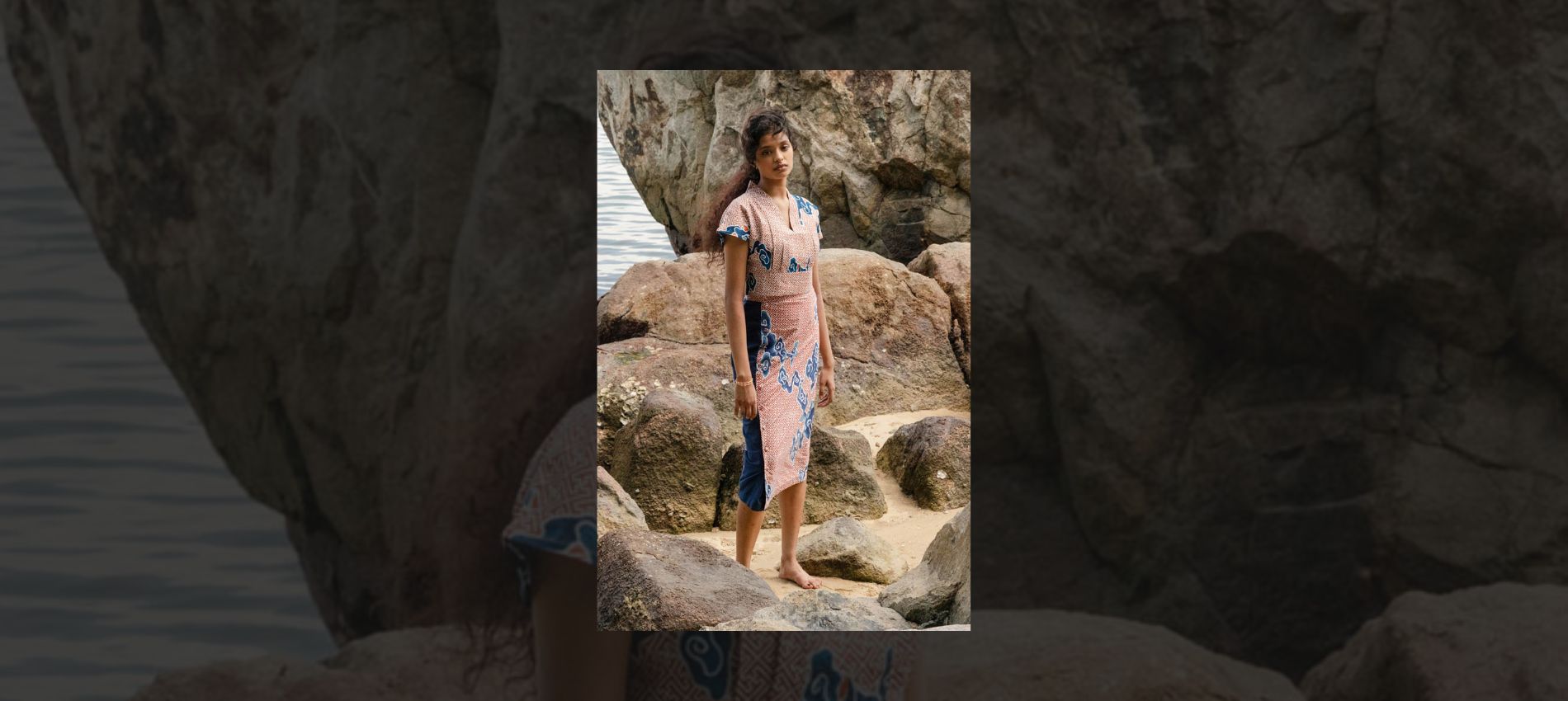
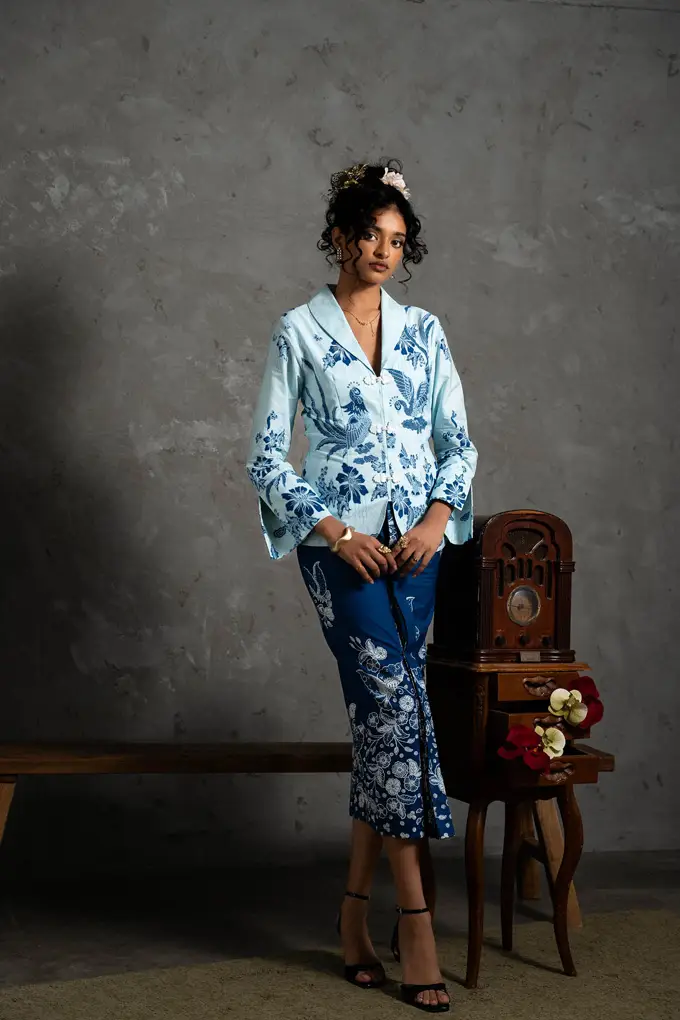
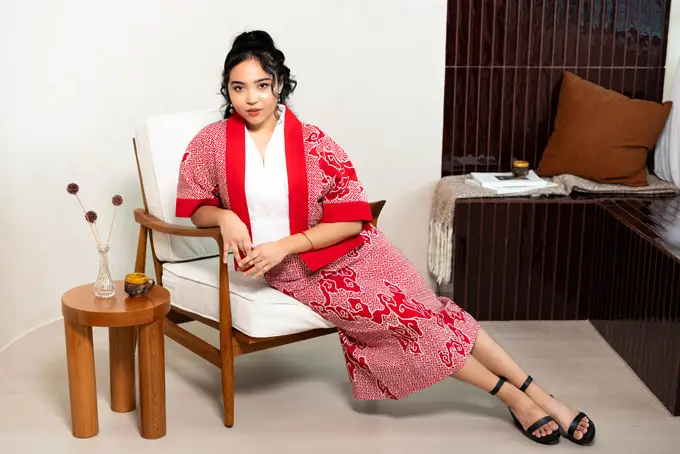
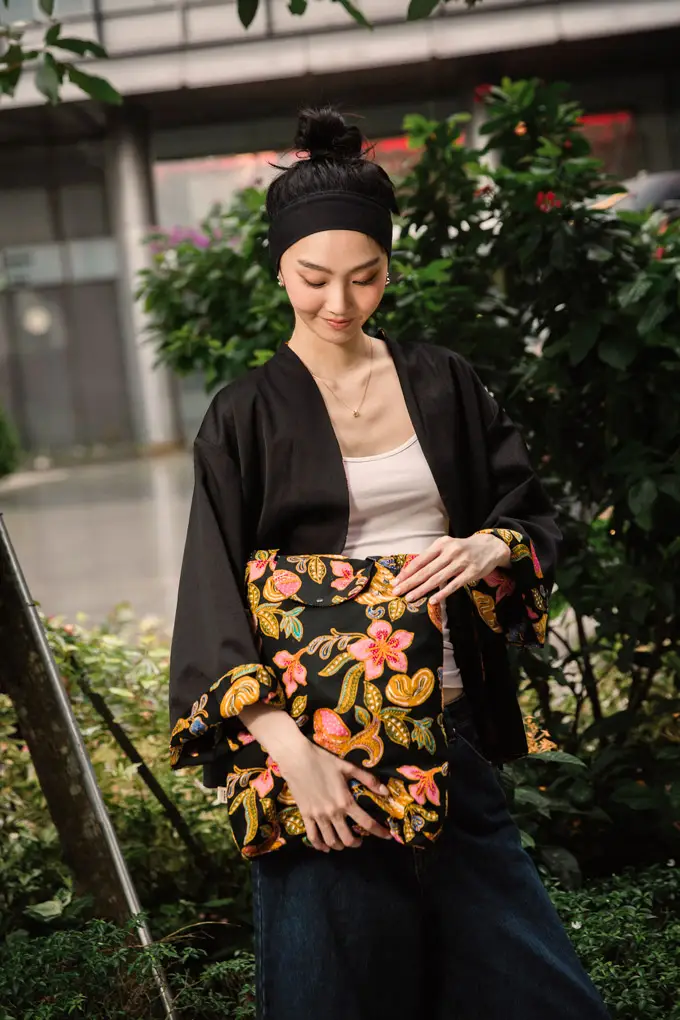
Rather than confining the textile to rigid ceremonial attire, modern designers are reimagining batik into versatile everyday silhouettes:
Boxy Outerwear & Jackets: Streetwear-ready cuts that pair effortlessly with raw denim and sneakers.
Athleisure & Loungewear: Playful, breathable cotton sets designed for relaxed, off-duty days.
Relaxed Tailoring: Comfort-first trousers and kimono-style tops that prove tradition and ease can coexist.
The secret to wearing batik today is simplicity: let the textile be the main character of your outfit, and style it with clean, minimalist wardrobe staples.
The Final Verdict
Ultimately, batik is a fabric without a single rigid definition—and that is precisely where its magic lies. It moves forward, assumes fresh possibilities, and adapts to every generation that wears it. As Oniatta Effendi beautifully notes: “When you pick a piece of batik, you’re really honoring the fabric, but it is the wearer who completes the story.”
Give the cloth a chance in your daily wardrobe, and let its story become a part of yours.