

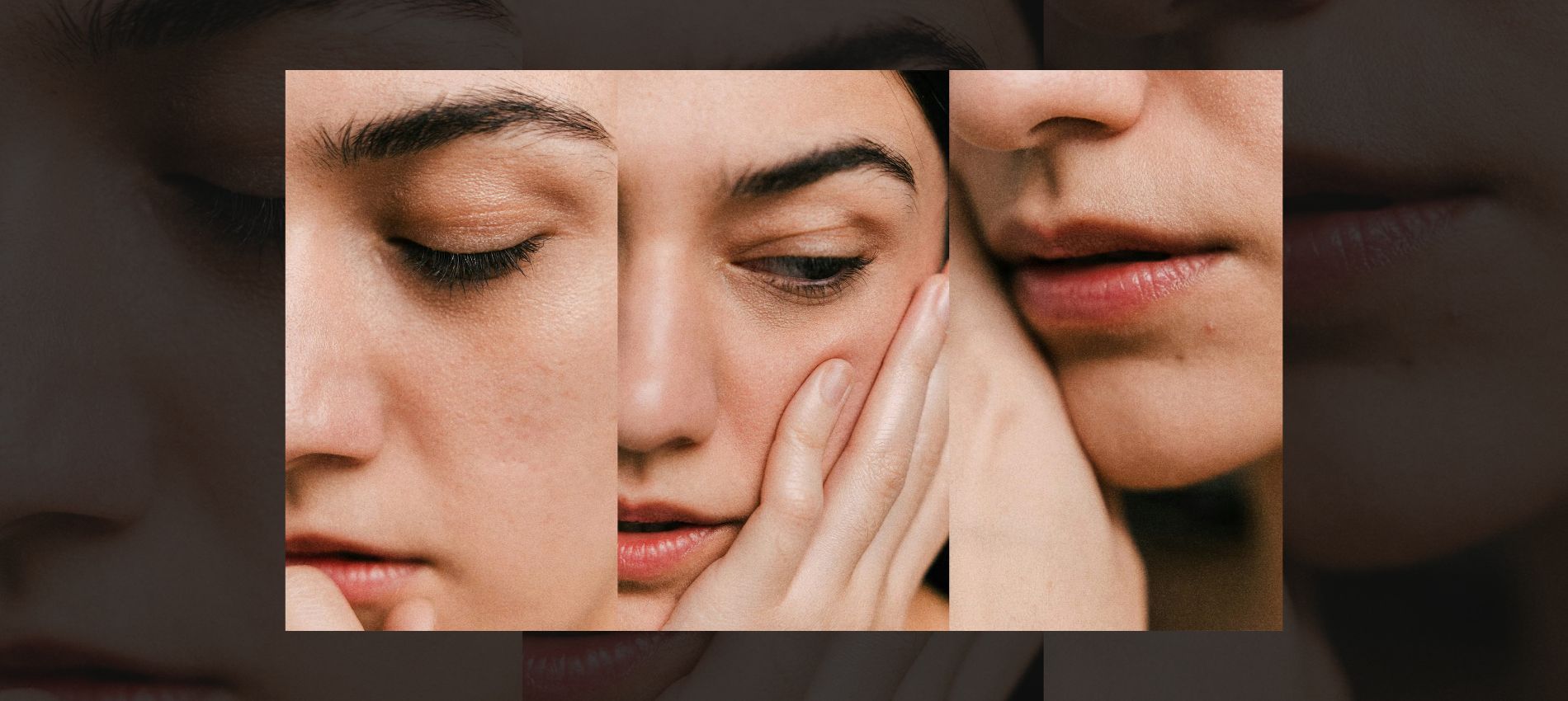
Real Talk: The Stress Effect on Your Skin (and How to Ghost the Breakouts)
July 17, 2026
We’ve all been there, besties. You’re surviving a marathon week of tight deadlines, running on four hours of sleep, and trying to navigate what feels like a permanent Mercury in retrograde. Just when you think you’re at your absolute breaking point, you look in the mirror and—like clockwork—a massive, angry zit has decided to make your chin its new home.
It turns out, your skin is a major snitch. While life’s chaotic moments are pretty much unavoidable, our skin is usually the very first place to wave a red flag.
If you feel like your complexion is going through it right now, you aren’t alone. Elizabeth Grace Hand, a celebrity esthetician and the brilliant mind behind Ställe Studios in NYC, jokes that a stressed-out nervous system is basically the baseline for almost every client who walks through her door. The stress effect is real, it’s visible, and it’s time we talk about how to deal with it.
The Cortisol Chronicles: What’s Happening to Your Face?
If you’ve been scrolling through TikTok lately, you’ve probably stumbled across creators talking about “cortisol face.” While it sounds like just another piece of internet slang, there is actual science backing up how the stress effect messes with your glow.
When your body enters panic mode, it releases a hormone called cortisol. Think of cortisol as that chaotic friend who throws oil onto a fire—literally.
According to skin expert Sofie Pavitt, founder of Sofie Pavitt Face, the moment your cortisol levels spike, your sebaceous glands go into overdrive. They start pumping out excess oil, which easily clogs your pores and leads to annoying breakouts, particularly around your jawline and chin.
But it doesn’t stop at acne. The stress effect also actively sabotages your skin barrier. When this protective shield is compromised, your skin struggles to hold onto moisture. The result? A frustrating combo of:
- Random dry, flaky patches
- Sudden redness and irritation
- Uncomfortable skin sensitivity
- Flares in conditions like eczema, psoriasis, or rosacea
Beyond the Blemishes: Can Stress Change Your Face Shape?
Here is the tea you might not want to hear, but absolutely need to: the stress effect can temporarily alter the way your face looks. Before you panic—no, it won’t permanently rearrange your bone structure. However, it can cause some noticeable changes in your texture and contour.
Have you noticed your face looking a little extra puffy after a rough night? That’s tension and fluid retention doing their thing, usually gathering right around your eyes and jaw.
“Jaw clenching and teeth grinding from tension can enlarge the masseter muscle, creating a squarer jawline, and furrowed brows from constant tension can leave lasting static wrinkling,” explains Pavitt.
Over time, keeping all that tightness and muscle tension locked in your face adds a heavy, fatigued look that is tough to reverse.
To make matters worse, your skin’s natural healing powers take a major hit. When your nervous system is overwhelmed, your skin simply stops recovering efficiently. The gorgeous, lit-from-within glow fades, texture becomes rough, and inflammation hangs around way longer than it should.
Your Ultimate Skin SOS Guide
Alright, now that we know what we’re up against, let’s talk solutions. You can’t always delete the stressors from your life, but you can absolutely shield your skin from the aftermath. Here is your ultimate game plan to combat the stress effect and get your radiance back.
1. Drop the Aggressive Products (and Stop Picking!)
When a breakout hits, the temptation to attack it with every harsh scrub and acid in your cabinet is real. Don’t do it! Overloading stressed skin with aggressive products will only damage your barrier further. And please, step away from the magnifying mirror—picking at your skin halts the natural healing process and guarantees a dark scar later.
2. Streamline to a Gentle Routine
Keep it simple, clean, and intentional. When your skin is throwing a tantrum, strip your routine back to the basics:
- A Gentle Cleanser: Cleanse without stripping away your natural oils.
- Targeted Spot Treatments: Swap harsh ingredients for formulas containing mandelic acid or benzoyl peroxide applied directly to the blemish.
- Barrier Builders: Look for products rich in manuka honey and colloidal oatmeal to calm inflammation and support your skin’s microbiome.
3. Bring in the Sculpting Tools
To banish that unwanted puffiness and help drain excess fluid, it’s time to call in backup. Grab a microcurrent device, a lymphatic drainage brush, or simply use your hands for a manual facial massage. Massaging upwards and outwards helps move fluid away from the face, softening the jawline and opening up the eye area.
4. Cool Things Down
Never underestimate the power of cold therapy. Ice rollers, chilled globes, or even a plain old ice cube wrapped in a clean cloth can work wonders. The cold temperature instantly constricts blood vessels, instantly knocking down redness and reducing the appearance of puffiness.
Healing the Skin Starts From Within
At the end of the day, topicals can only do so much if your body is still running on high alert. The most effective way to reverse the stress effect on your skin is to actively soothe your nervous system.
Whether that means winding down with a warm cup of herbal tea before bed, stepping away from social media for an hour, or taking two minutes to practice deep belly breathing to reset your vagus nerve—your skin will thank you. Think of these self-care moments as part of your skincare routine. When you find your inner calm, that iconic, effortless glow will naturally follow.
Follow D-Muse to stay current with fashion trends, lifestyle tips, and exciting events. DM us @dmusemagz now to get all the information you need!