

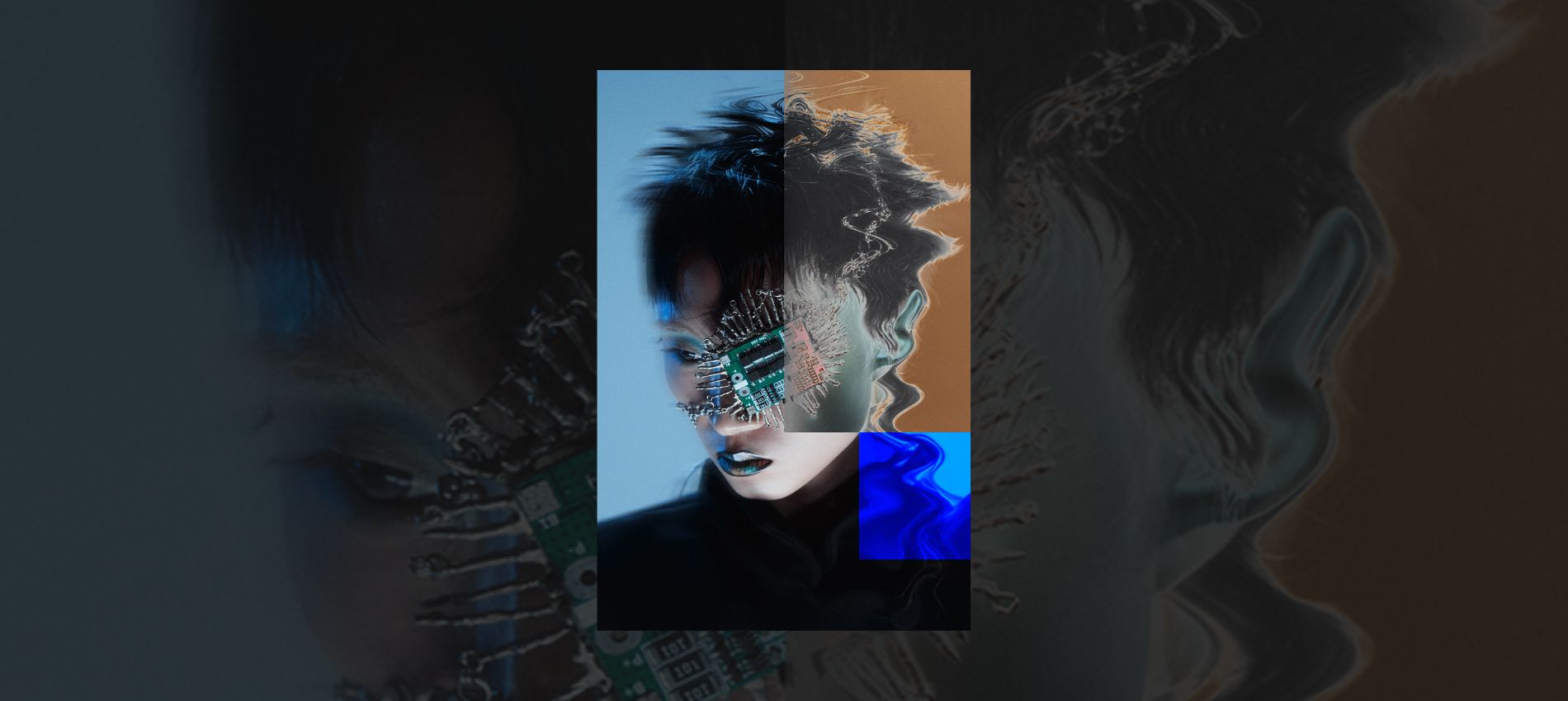
Cyberpunk 2.0: Why Fashion’s Future Is Turning Retro, Analogue, and DIY
September 18, 2026
In a world saturated with hyper-polished smartphones and algorithmically generated media, a new wave of fashion-tech creators is rebooting the cyberpunk aesthetic by looking backward instead of forward. From handmade computer “cyberdecks” hidden inside vintage seashell purses to hand-soldered circuit board jewelry, fashion’s latest obsession is making technology tangible, whimsical, and deeply human again.
At a Glance: The Creators Shaping the Analogue Cyberpunk Era
| Creator & Brand | Signature Tech Creation | Core Aesthetic & Philosophy |
| Annike Tan | Seashell & Vintage Clutch Cyberdecks | Reclaiming “pink tech” and physical media against digital overload |
| Lianne (Lovelili77) | “Cyber Girl” Circuit Board Jewelry | Hand-soldered wearable art showcasing the raw beauty of vintage electronics |
| Carl (Everythings) | 3D-Printed Whimsical Accessories | Blending 3D modeling with handmade dollhouse aesthetics |
| Yiou Huang (Extro Code) | Y2K Flip-Phone AirPods Max Case | Nostalgic hardware mashups tapping into shared childhood memories |
| Anomita | Hand-Soldered Hardware & Patches | Decentralizing technology away from corporate control through DIY craft |
1. The Rise of Analogue Cyberpunk: From Runway Spectacle to DIY Cyberdecks
Fashion and technology have shared a dramatic relationship for decades. One of the defining turn-of-the-millennium moments occurred at Alexander McQueen’s Spring/Summer 1999 show, where robotic arms spray-painted model Shalom Harlow’s white dress in real time, bringing industrial machinery straight onto the runway.
More than 25 years later, that high-fashion experimentation has shifted from elite catwalks into independent home studios. Today’s creators are building “cyberdecks”—custom, portable computers crafted by hand using Raspberry Pi processor boards and small display screens. Instead of housing them in cold, industrial steel, makers are fitting these functional mini-computers into thrifted seashell bags, vintage clutches, and interactive makeup compacts.
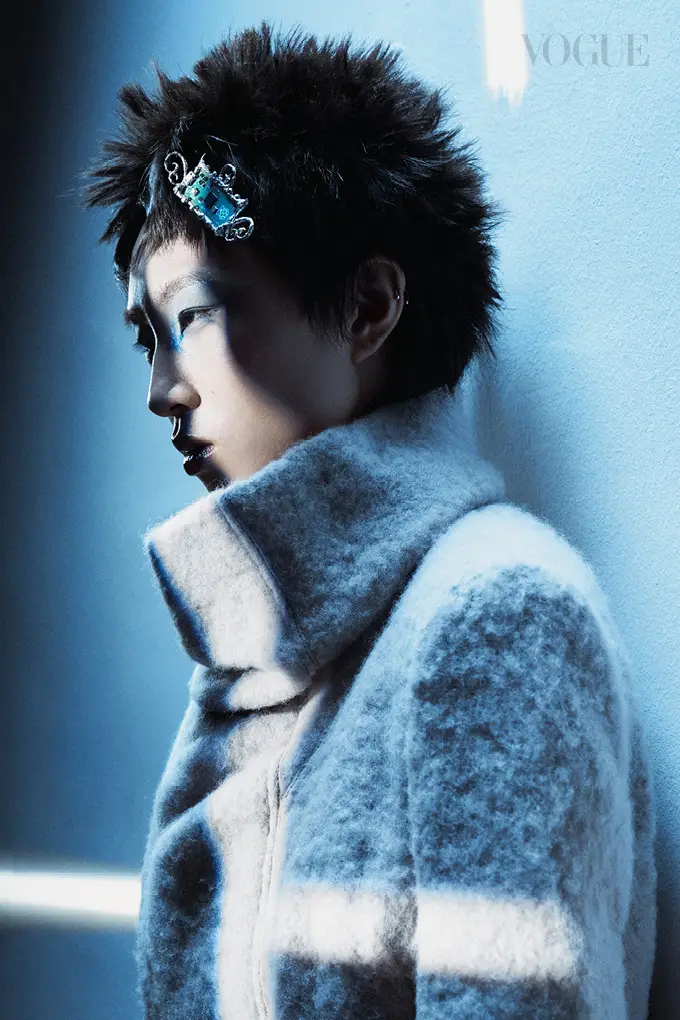
This sudden shift toward physical media isn’t just about Y2K nostalgia; it represents a cultural pushback against the complete digitization of everyday life. When 99 percent of modern gadgets feel like mass-produced, factory-sealed slabs of glass, building a personalized, tactile device offers a way to reconnect with human craftsmanship.
2. Meet the 5 Asian Creators Reimagining Wearable Fashion-Tech
A new generation of Asian creators is spearheading this analogue movement, transforming discarded electronic components and nostalgic references into high-fashion wearable art.
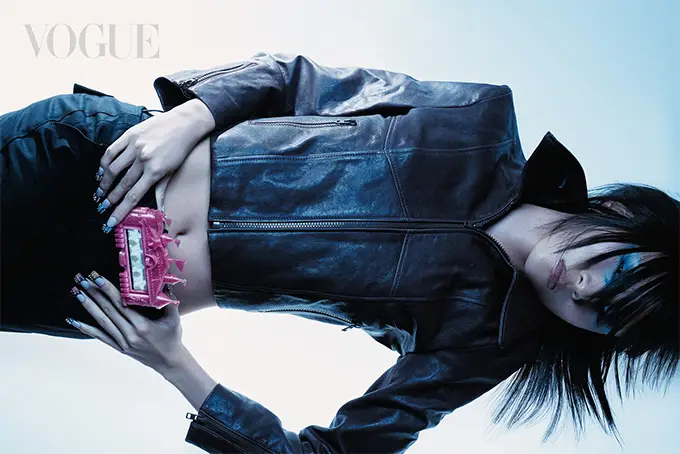
Lianne (Lovelili77) – The Architecture of Circuit Boards
Through her Cyber Girl series, Singaporean designer Lianne brings discarded computer parts back into view. She hand-solders circuit boards, microchips, wires, and mechanical components into one-of-of-a-kind jewelry pieces. Unlike modern sleek devices that hide their interiors, vintage electronics proudly displayed their intricate internal wiring—a quality Lianne celebrates as sculptural and architectural.
Carl (Everythings) – Digital Craftsmanship & Whimsy
Drawing inspiration from the miniature dollhouse accessories that fascinated him during childhood, Carl blends 3D modeling software with meticulous hand-refining processes. By spending hours perfecting each physical piece, he injects a sense of magic and playfulness into a digital landscape that often feels overly uniform.
Yiou Huang (Extro Code) – Y2K Nostalgia as a Cultural Handshake
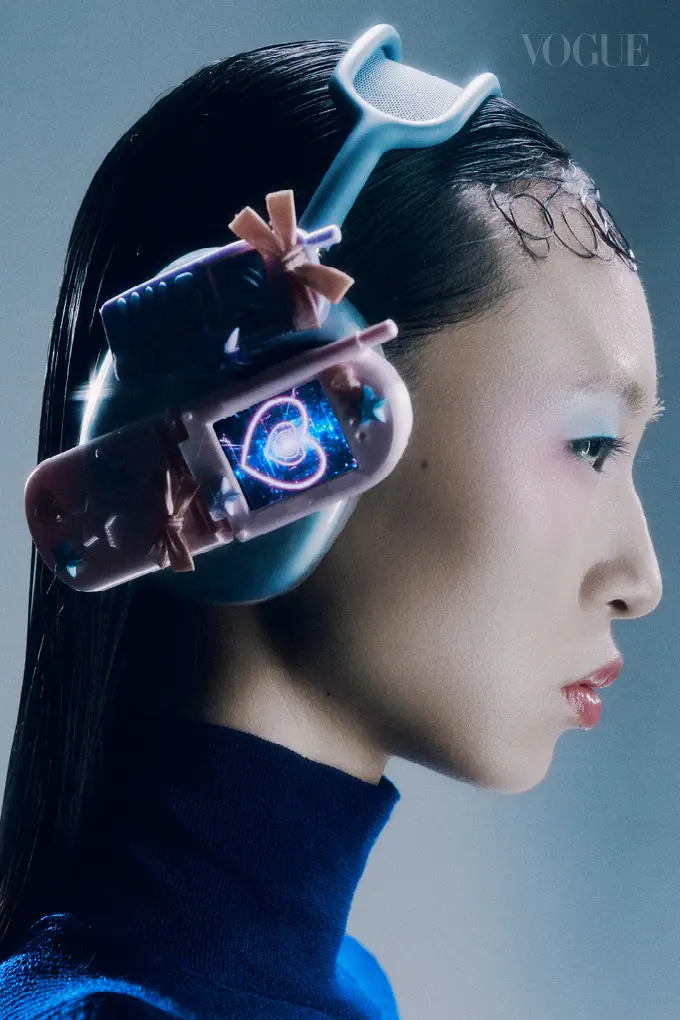
Tapping into the moody, cool-toned palette of early-2000s Gen X Soft Club aesthetics, Yiou Huang created a viral 3D-printed AirPods Max case shaped like an old-school flip phone. By marrying retro mobile phone shapes with modern audio hardware, her designs trigger instant recognition and shared childhood nostalgia among fashion lovers.
Annike Tan – Challenging the “Pink Tech” Gender Bias
London-based creator Annike Tan sparked a major online resurgence when her mermaid cyberdeck—housed inside a vintage decorative clutch—went viral. Her work directly confronts long-standing gender biases in technology, where decorative, sparkly, or feminine hardware is often dismissed as decorative rather than functionally serious. Tan proves that an object can be soft, pretty, and fully functional without compromising technical credibility.
Anomita – Decentralizing Corporate Tech Control
Goa-based artist Anomita learned to solder at a Delhi makerspace, creating hand-built electronic jewelry that pushes back against corporate monopolies. For Anomita, using retro tech is about taking ownership of modern tools, predicting that fashion’s next frontier will involve a resurgence in analogue knitting machines and code-based textile design.
3. Busting the “Pink Tech” Myth and Reclaiming Control
Traditionally, the cyberpunk genre has been dominated by rugged, dark, and utilitarian design codes—gritty metal casings, neon wires, and industrial boots. However, the rise of “pink tech” challenges the assumption that technical credibility must look cold and aggressive.
“A sparkly seashell-covered cyberdeck will always look way less functional, even if they have the same specs. Looking pretty does not make an object any less well built.” — Annike Tan
By infusing feminine aesthetics, pastel palettes, and organic materials into functional computing, these creators are expanding who gets to participate in hardware culture. Furthermore, by learning to solder, code, and 3D-print their own accessories, independent designers are wrestling creative control back from massive tech conglomerates.
The Future of Cyberpunk Fashion
The analogue takeover proves that the future of fashion-tech doesn’t lie in invisible software or sterile smartwatches. Instead, it lives in the tangible, tactile intersection where human storytelling, vintage hardware, and personal self-expression meet.
As fashion continues to embrace the charm of physical media, the line between technology and clothing will keep blurring—making everyday life feel just a little more magical, one soldered circuit at a time.
Stay tuned to D-Muse Magz for the latest deep dives into subculture trends, innovative fashion drops, and modern pop culture!
Follow D-Muse to stay current with fashion trends, lifestyle tips, and exciting events. DM us @dmusemagz now to get all the information you need!