

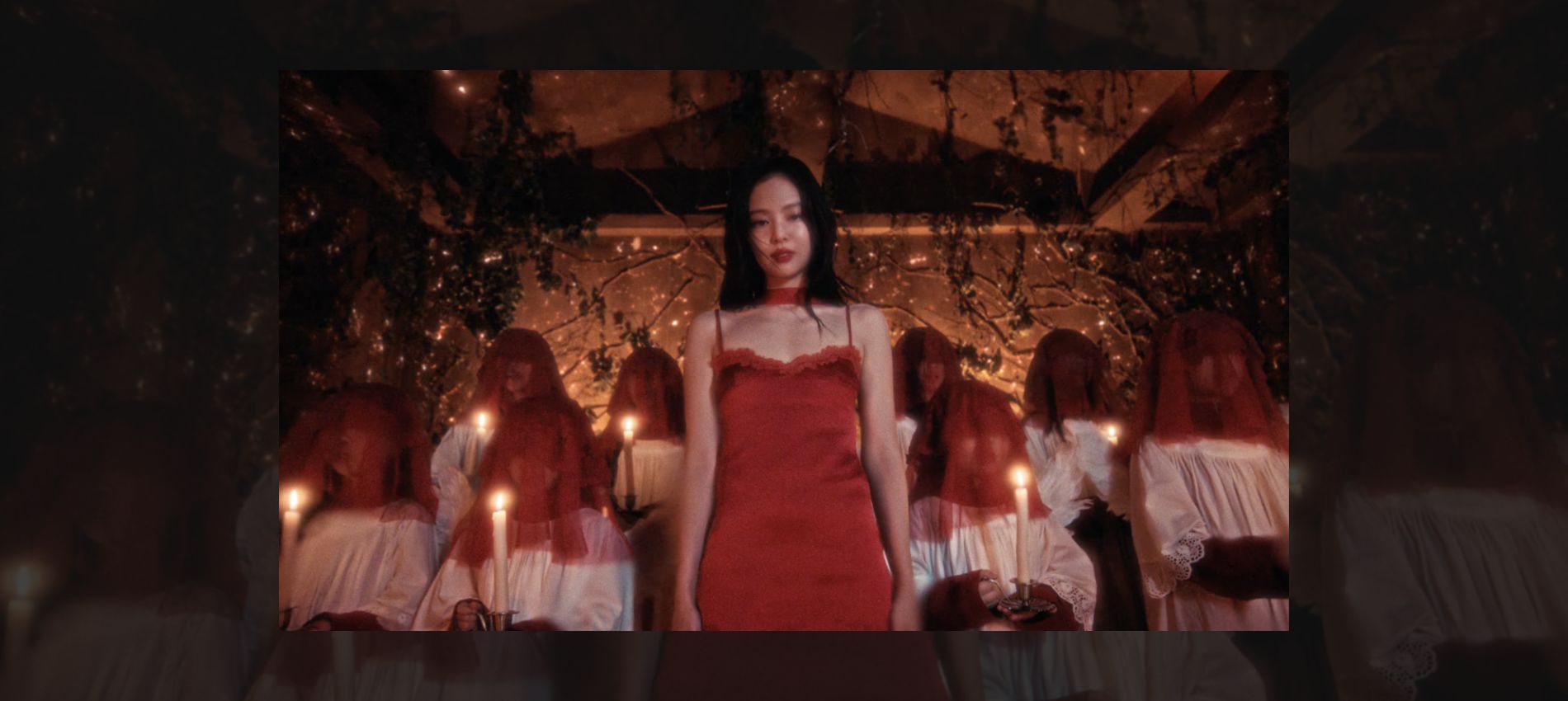
Dark Fairytale or Hidden Symbolism? Inside the Wild Controversy Surrounding Jennie’s ‘Fallen Angel’ Music Video
September 2, 2026
BLACKPINK superstar Jennie has set the internet ablaze following the release of her digital EP title track “Fallen Angel” on August 28, 2026, sparking intense global debate over its gothic aesthetic and controversial visual metaphors.While millions of fans celebrate the release as her most vulnerable artistic evolution to date, sections of social media have ignited fierce discussions surrounding plagiarism allegations and wild occult conspiracy theories.
At D-Muse Magz, we are breaking down every angle of the internet storm—from front-poster copycat claims to the viral symbolism debate—and exploring why Jennie remains the ultimate pop culture lightning rod.
1. The Copycat Claims: Ariana Grande and Cherie Amour Comparisons
The controversy surrounding “Fallen Angel” actually began days before the music video even premiered. On August 26, when Jennie dropped the official promotional poster across social media, hawk-eyed netizens quickly began comparing its ethereal visual framing and color palette to existing works.
Critics online pointed out striking similarities between the poster’s dreamlike aesthetic and Ariana Grande’s visual teasers for her track “supernatural,” specifically highlighting the soft lighting, pastel-to-gothic color grading, and floating character composition.Other users drew comparisons to the artwork Spiritual Ascension by the band Cherie Amour, leading to a wave of online debate regarding creative originality.
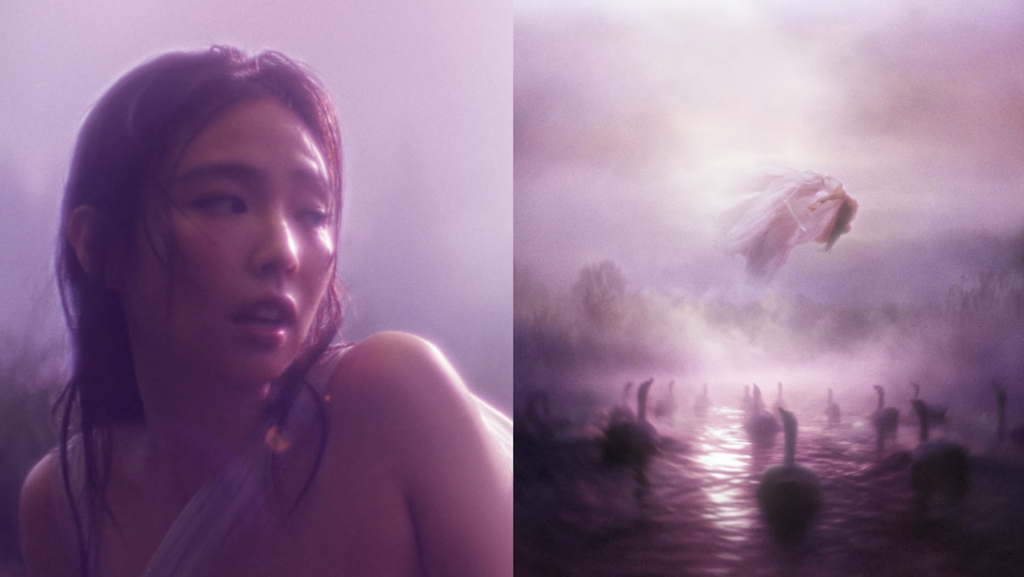
This isn’t the first time Jennie has faced copycat claims during a major rollout.During her Ruby era, critics attempted to link her lead single to a Bollywood arrangement—a claim that was quickly cleared up by the original composer himself.While neither Jennie nor her team has formally addressed the new poster claims, fans have passionately defended her, noting that high-fashion fantasy tropes naturally share aesthetic overlap across pop culture.
2. Cults, Lucifer, and Secret Societies: Decoding the Visual Storm
Once the official music video for “Fallen Angel” dropped, the conversation shifted from fashion poster aesthetics to full-blown internet detective work.Directed with a dark, surrealist fairytale environment, the video completely abandons traditional K-pop brightness.
Whether you view “Fallen Angel” as a daring cinematic masterpiece or a controversial dive into dark fairytale tropes, one truth is undeniable: Jennie possesses an unmatched ability to command global attention.
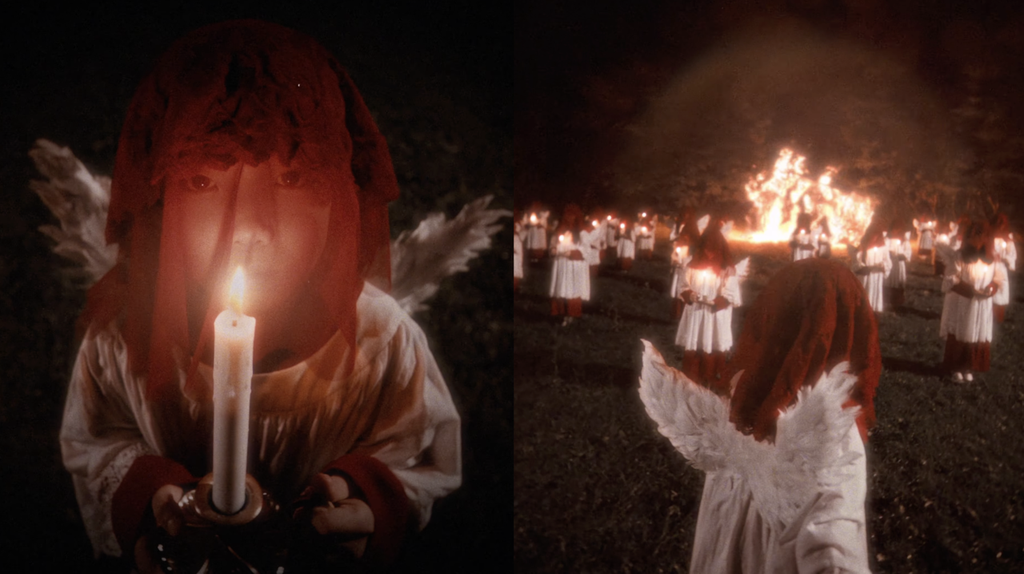
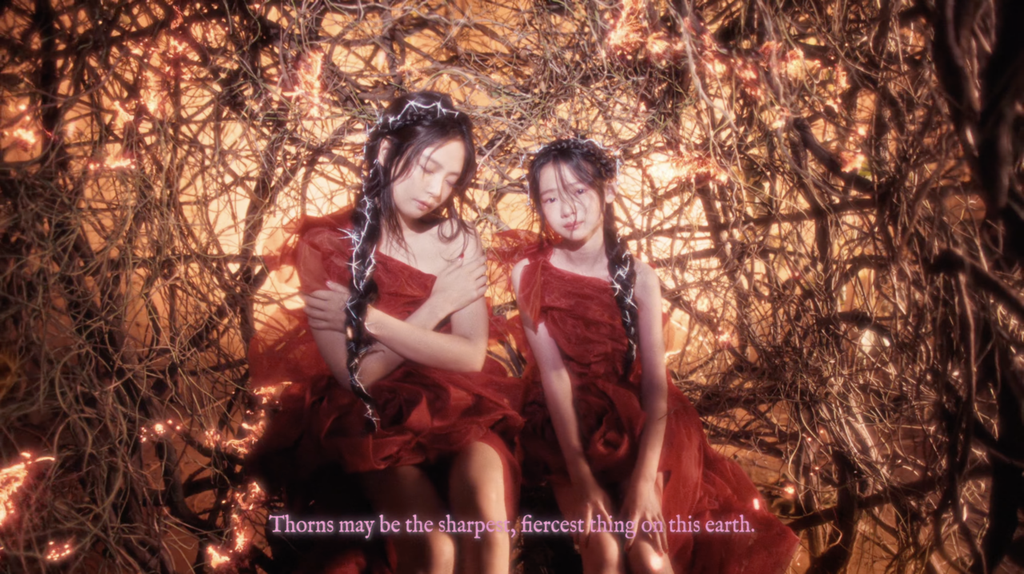
The video features dramatic candlelight, figures trapped behind jewelry-covered bars, crowns of thorns, and a striking sequence where a young girl leads adult Jennie toward a roaring, burning building.On platforms like X (formerly Twitter) and TikTok, these intense visuals quickly morphed into sensationalized theories accusing the video of depicting a “satanic ritual” or an “Illuminati initiation”.
Conspiracy theorists also seized upon the title “Fallen Angel,” linking it directly to the theological story of Lucifer. Some netizens even dragged Jennie’s past Hollywood connections back into the spotlight—pointing to her previous interactions and attendance at Kanye West’s Sunday Service events as alleged “proof” of involvement in secret societies.
3. Symbolism Breakdown: Rumor vs. Reality
To understand why the “Fallen Angel” visuals generated such wildly polar reactions, it helps to look at how specific scenes are being interpreted by critics versus art analysts.
| Visual Element in ‘Fallen Angel’ | Conspiracy Theory Interpretation | Artistic & Narrative Context |
| Child Leading Adult Jennie | Secret society initiation ritual | Jennie‘s inner child guiding her adult self through past trauma |
| Figures Behind Jeweled Bars | Confinement in an occult cult | Metaphor for the golden cage of global fame and privacy loss |
| Burning Building & Fire | Destructive Luciferian imagery | Purification of past burdens and rebirth into artistic freedom |
| Black & White Wing Motif | Transformation into a fallen entity | Dual nature of public expectations versus internal reality |
4. The Counter-Perspective: Inner Child, Healing, and Pastoral Analysis
While viral hot-takes dominated headlines, music critics and thoughtful commentators have offered a far more grounded perspective on Jennie’s artistic choices.Many analysts interpret “Fallen Angel” as a poignant narrative about confronting personal trauma, overcoming public scrutiny, and converting internal pain into cathartic art.
The sequence featuring the young girl leading adult Jennie is widely viewed by fans as an encounter with her younger self—her inner child—guiding her through the fiery, chaotic gauntlet of child stardom and public pressure. The burning structure symbolizes burning away past hurts to emerge stronger on the other side.
Surprisingly, the debate even prompted a Korean Christian speaker and pastor to release a public video analysis urging viewers not to jump to extreme conclusions.The pastor emphasized that classic visual motifs—such as candles, crowns of thorns, red roses, and fire—have existed in art history for centuries as metaphors for human suffering, redemption, and passion, without carrying any literal occult meaning.
5. Chart Scrutiny and the Solo Pressure Cooker
As if visual controversies weren’t enough, the release of “Fallen Angel” also revived familiar online debates regarding Jennie’s commercial performance.Skeptics quickly monitored digital streaming platforms, attempting to critique the track’s initial placement on global charts.
Critics questioned whether Jennie‘s solo releases perform better when paired with major Western collaborators, while loyal fans countered by highlighting her massive individual audience, physical album pre-orders, and millions of organic views within hours of release.Navigating this hyper-scrutiny is a constant reality for global megastars, where every release becomes a battlefield for online commentary.
Whether you view “Fallen Angel” as a daring cinematic masterpiece or a controversial dive into dark fairytale tropes, one truth is undeniable: Jennie possesses an unmatched ability to command global attention. By pushing artistic boundaries and refusing to play it safe, Jennie continues to prove that true pop icons don’t just make music—they define the cultural conversation.
Follow D-Muse to stay current with fashion trends, lifestyle tips, and exciting events. DM us @dmusemagz now to get all the information you need!