

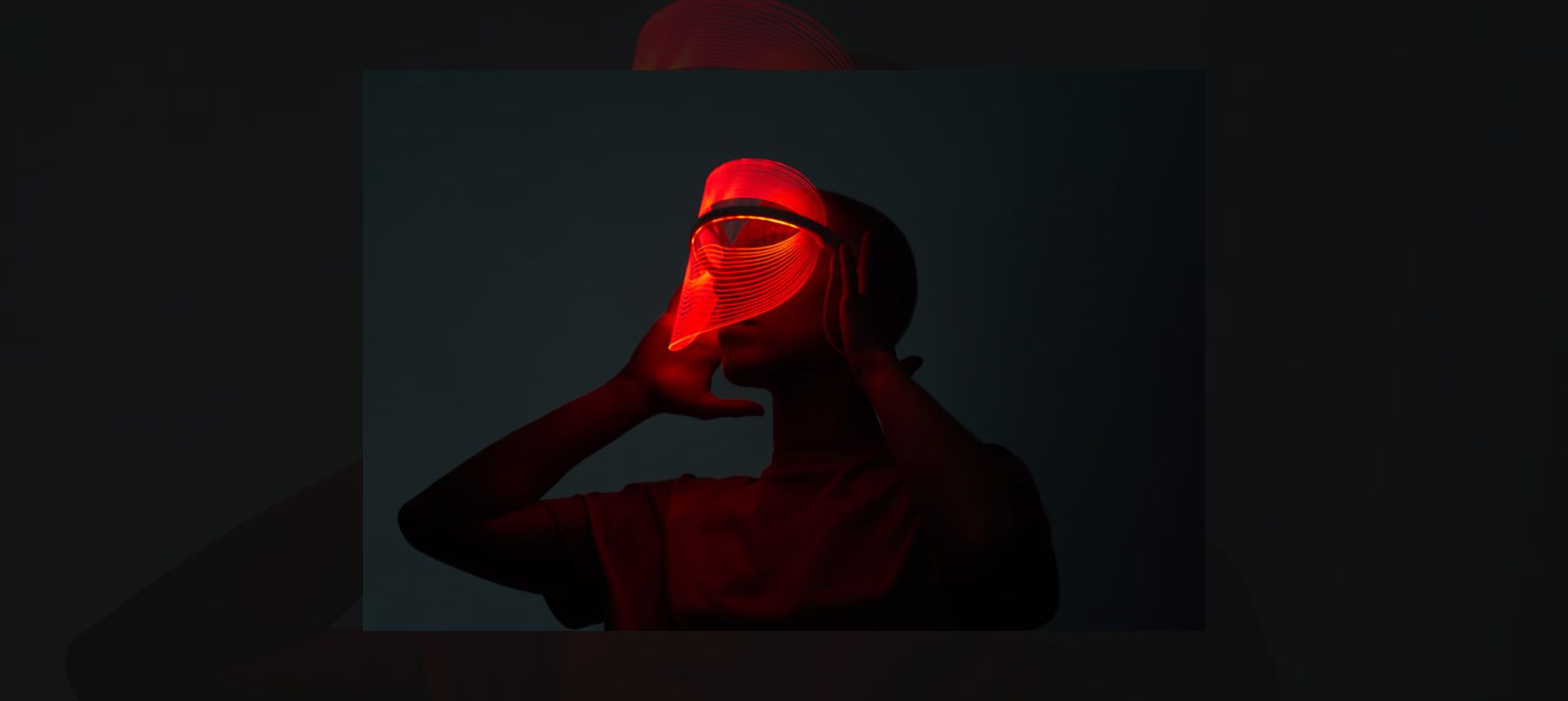
Spill the Skincare Tea: Can Your LED Mask Actually Cause Melasma?
June 15, 2026
Are you even a true skincare enthusiast if your nightly routine doesn’t involve looking like a high-tech sci-fi villain? Over the last few years, LED face masks have solidified their spot as the ultimate holy grail of at-home skincare. They promise a low-effort, high-reward path to glowing skin, claiming to fight stubborn acne, calm down inflammation, boost collagen, and erase fine lines. What’s not to love? You just pop on a glowing helmet for 10 minutes while scrolling TikTok, and boom—instant skin transformation.
But hold on to your serums, besties, because a major plot twist is shaking up the beauty community. A growing wave of skincare lovers are taking to social media to report a frustrating side effect. Instead of getting that flawless, airbrushed complexion, they claim these high-tech tools are leaving them with dark, patchy spots.
The internet is asking a terrifying question: Is your obsession with red-light theraphy actually triggering melasma? Let’s dive deep into the drama and see what top dermatologists have to say about this viral skincare dilemma.
The Internet Is Spiraling: “WTF Is Happening to My Face?”
If you check Reddit or TikTok right now, the skincare forums are flooded with panic. Users who bought these expensive devices specifically to target dark spots and uneven skin tone are finding out that their skin is actually getting worse.
@shereeneidriss 3 things I would never do to my skin as a dermatologist who has melasma! #melasma #sunspots #hyperpigmentation #sundamage #clearskin #darkspots #dermatologist #brightening #shereeneidriss #dridriss #ledlights @ShereeneIdriss ♬ original sound – ShereeneIdriss
“Red light therapy 100 percent causes melasma,” writes one incredibly frustrated Reddit user. “I never had it, and after only a few sessions, I now have a dark mask on my face, and it’s extremely hard to get rid of it.”
Another user shared a similar horror story:
@drcharlesmd1 Update: LED masks. Be careful with melasma…. Narla, Shanthi, et al. "Visible light in photodermatology." Photochemical & Photobiological Sciences 19 (2020): 99-104. Alcantara, Giovana Piteri, et al. "Evaluation of ex vivo melanogenic response to UVB, UVA, and visible light in facial melasma and unaffected adjacent skin." Anais brasileiros de dermatologia 95 (2020): 684-690. Sarkar, Rashmi, et al. "Clinical and epidemiologic features of melasma: a multicentric cross‐sectional study from India." International Journal of Dermatology 58.11 (2019): 1305-1310. Del Rosso, James, et al. "Tretinoin photostability: comparison of micronized tretinoin gel 0.05% and tretinoin gel 0.025% following exposure to fluorescent and solar light." The Journal of Clinical and Aesthetic Dermatology 6.2 (2013): 25.
♬ Closer (Instrumental) – Saweetie
“I have never had problems with melasma until I started using my mask. Now I’m here, wondering WTF to do now that I have apparently made my face worse.”
When the community started noticing these dark patches popping up right where their masks sit, the alarm bells started ringing. Is red-light theraphy a secret trigger for hyperpigmentation? We brought in the experts to break down the science behind the glow.
The Derms Weigh In: Is the Light to Blame?
According to top dermatologists, these viral horror stories aren’t just random coincidences. The side effects are very real, and they are becoming increasingly common in dermatology clinics. However, the root cause might surprise you. It turns out, it’s not necessarily the light wavelengths themselves that are destroying your skin barrier—it’s the hidden heat.
1. The Heat Factor (Thermal Triggers)
Dr. Dendy Engelman, a celebrity dermatologist based in New York City, explains that at-home LED masks can definitely make melasma worse, and heat is the primary culprit. Melasma is a super complex skin condition that is highly sensitive to both UV rays and thermal triggers.
Some LED devices on the market—especially those that combine red light with infrared light—can generate a sneaky amount of heat directly against your skin. When you trap that heat under a plastic mask for 10 to 20 minutes, it can cause your pigment cells to go into overdrive. It is the cumulative heat exposure and overusing the device that poses the real risk.
2. The Blue Light Trap
If you are using your device to kill acne-causing bacteria, you might be exposing your skin to blue light. While blue light is amazing for clearing up breakouts, it has a dark side when it comes to pigmentation.
Dr. Nava Greenfield from the Schweiger Dermatology Group in NYC notes that the etiology of melasma is multifactorial. Heat is a massive trigger, but if your mask uses a blue-light component, that specific wavelength can also act as a direct melanin stimulator. So, while you’re busy fighting off a pimple, you might accidentally be telling your skin to produce excess pigment.
Are You At Risk? Look at the Signs
Melasma doesn’t hit everyone the same way. It is a highly selective condition that loves to target specific skin types and people with certain genetic predispositions. Before you invest in or continue using red-light theraphy, it is crucial to know your skin’s personal history.
@drchizikeji Are LED masks stilk worth the hype? YES #doctor #redlighttherapy #skincare #skincareroutine ♬ original sound – Dr. Chisom Ikeji, MD
Dr. Morayo Adisa, a dermatologist practicing in Chicago, warns that LED masks can easily induce melasma in anyone who is already susceptible to it. If you have a family history of discoloration, you need to proceed with extreme caution.
The Melasma Risk Checklist
- Hormonal Changes: Have you experienced melasma during pregnancy or while taking hormonal birth control? If yes, your pigment-producing cells (melanocytes) are already on high alert.
- Heat Sensitivity: Does your face instantly flush or develop dark patches after a session of hot yoga, a trip to the sauna, or a long steam bath? That means your skin reacts strongly to thermal triggers.
- Medium to Deep Skin Tones: Melanin-rich skin tones naturally have more active pigment cells. This makes medium to dark complexions much more pigment-reactive overall.
Quick Reference: LED Mask Safety Guide
To make it easy for your next skincare haul, here is a quick breakdown of how different light settings and triggers affect your skin if you are prone to dark spots:
| Light Type / Trigger | The Skincare Promise | The Melasma Reality Risk |
| Red-Light Theraphy | Boosts collagen, reduces fine lines, and calms redness. | Generally safe if the device stays completely cool, but risky if it traps heat. |
| Infrared Light | Deep tissue healing and anti-aging. | High Risk! Frequently generates thermal heat that wakes up pigment cells. |
| Blue Light | Kills P. acnes bacteria to stop breakouts. | Moderate to High Risk. Can act as a direct melanin stimulator. |
| Device Overuse | Faster results and a quicker glow. | High Risk. Cumulative heat buildup triggers hyperpigmentation. |
How to Protect Your Glow Without Throwing Away Your Mask
Does this mean you need to throw your expensive LED mask directly into the trash? Not necessarily! But you do need to change how you play the game. If you fall into a high-risk category, dermatologists suggest skipping the high-tech gadgets entirely and sticking to pigment-safe topical skincare ingredients like Vitamin C, niacinamide, azelaic acid, and kojic acid to brighten your skin safely.
However, if you are absolutely determined to keep using your red-light theraphy device, make sure it is a high-quality, reputable brand that guarantees a “cool” treatment with zero heat emission. Keep your sessions short, never use the blue light setting if you struggle with dark spots, and always follow up with a medical-grade SPF to protect your skin from any potential light sensitivity.
Listen to your skin, watch out for sudden shading, and remember: a trendy device is never worth ruining your skin barrier!
Follow D-Muse to stay current with fashion trends, lifestyle tips, and exciting events. DM us @dmusemagz now to get all the information you need!